 Photography: Martina Gemmola / Styling: Annalese Hay
Building your dream home from the ground up is an exciting journey, but it’s also one filled with decisions that can make or break your long-term enjoyment of the space. One area that often gets overlooked until late in the process is landscaping. Yet, your outdoor environment is just as important as your interiors, setting the tone for curb appeal, creating functional spaces for relaxation or entertaining, and can even boost your property’s value.
Before you dive into design and construction, it’s crucial to think strategically about your garden and outdoor areas. Poor planning can lead to costly mistakes, delays, or a landscape that doesn’t suit your lifestyle. For example, have you considered how your budget aligns with your vision? Or whether your landscaper can deliver on time while juggling other projects? What about sustainability – will your garden thrive in today’s climate without draining resources?
In this guide, Frank Tarulli, builder and director of Thomas Archer Homes, shares five essential questions to ask your landscaper before breaking ground. These insights will help you avoid common pitfalls, ensure transparency, and create an outdoor space that complements your new home perfectly. Whether you’re dreaming of a lush, low-maintenance garden or a high-impact entertaining zone, these tips will empower you to make informed choices and solve problems before they arise.
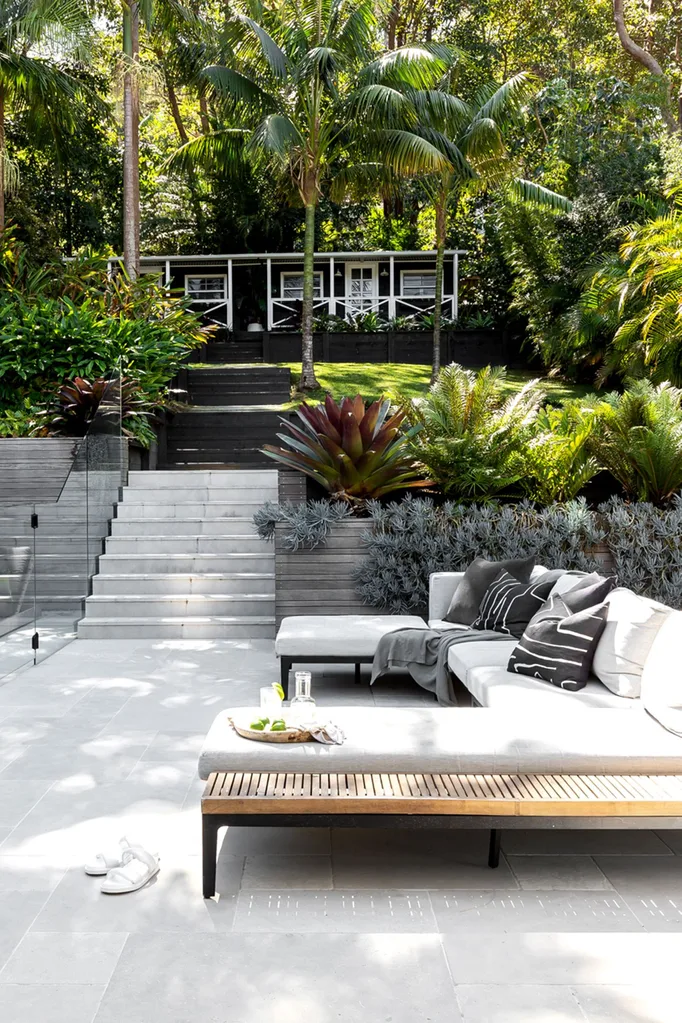
1. How much will it really cost?
Before you even start sketching out your dream garden, one of the most important conversations you’ll have with your landscaper is about money. Transparency around your budget is key. “Be honest about your budget from the outset,” says Frank. “If you’re working with a reputable landscaper, he won’t try to rip you off. Instead, they’ll work with you to make your vision a reality and ensure you get the most out of your budget.”
By being upfront, you give your landscaper the chance to recommend smart design choices, source materials that fit your price range, and avoid costly surprises later. Think of it as setting the guardrails for creativity.
2. How long will it take?
Time frames are one of the biggest pain points in landscaping projects, and they can easily spiral out of control if you don’t ask the right questions upfront. “Ask your landscaper what size team he has and if he is completing any other projects at the same time,” says Frank. “This will give you an idea if he’s going to be able to deliver on the agreed start and completion date.”
You can also request a detailed timeline with key milestones, so you know what’s happening and when. This transparency not only keeps everyone accountable but also allows you to plan around other trades, like builders or pool installers, to avoid costly clashes.
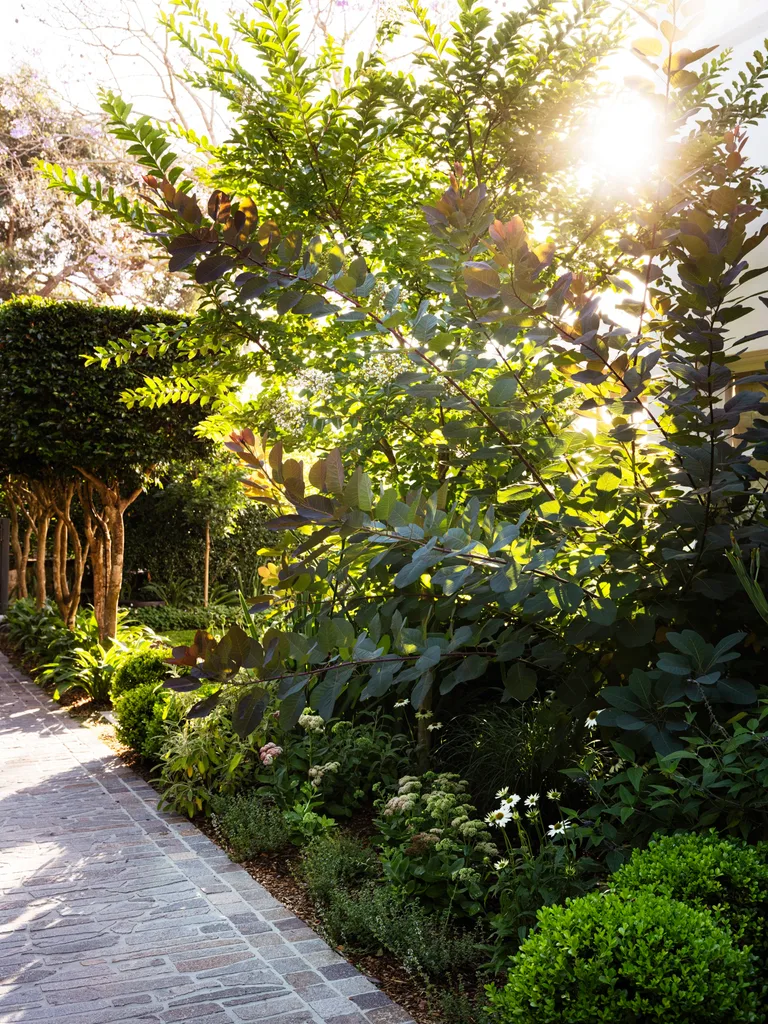
3. How easy will it be to maintain?
Before any design decisions are locked in, it’s important to be honest about how much time and effort you realistically want to spend maintaining your garden. Frank’s advice is to ask yourself, “Do you want a low or high maintenance garden?” Some people want a lush, hands‑on garden and enjoy regular upkeep, while others need a low‑maintenance solution that fits a busy lifestyle. Be upfront with your landscaper about where you sit on that spectrum so they can tailor the design, plant selection and materials accordingly.
This might mean choosing hardy plants, simplified garden beds, automated irrigation or sustainable solutions that reduce ongoing work – but all this will need to be factored into both the initial and ongoing landscaping costs. The clearer you are from the outset, the more likely your landscaper can deliver a garden that not only looks great but is genuinely easy for you to live with long‑term. “Either way, you need to advise your landscaper so they can tailor garden design and planting around your lifestyle,” says Frank.
“Some people, like myself, don’t have time for garden maintenance.”
Frank Tarulli
4. Where are the plants coming from?
Having a detailed plan for your garden is essential, but it’s just as important to understand where your plants will be sourced from. “Don’t just rely on the landscaper to source these materials,” says Frank. Instead, ask where the plants are coming from and, if possible, view them in person before installation. “It’s important to ask your landscaper where he’s sourcing the plants from,” says Frank. This allows you to check that the plants are healthy, the correct size, and suited to your garden conditions and design. Reputable landscapers are usually happy to be transparent about their suppliers and involve you in the selection process, giving you confidence that what’s been specified in the plan is exactly what will end up in your garden.
5. Is it sustainable?
Sustainability should be a key consideration when planning your new garden, particularly given today’s changing climate and ongoing water restrictions. Frank advises thinking beyond aesthetics to look at how your garden will operate day to day. Simple additions such as a rainwater tank paired with an automated irrigation system can make a significant difference, allowing you to water your garden efficiently while reducing reliance on mains water. “Any watering can be done via a timer at night, as this is the best time to water your garden,” says Frank. Setting irrigation timers to water overnight, when evaporation rates are lower, helps plants thrive while minimising water waste. Not only does this approach support a more environmentally responsible garden, it can also lead to long‑term savings on water bills. Discussing sustainable options with your landscaper from the outset ensures your garden is designed to be both resilient and cost‑effective over time.
Bonus tip:
“Ensure every item that is shown in your landscape design has been included in your quote. For example, some landscapers don’t like touching carpentry items such as decks and feature structures. Check your quote carefully and ensure the labour and materials are included to complete the works.”