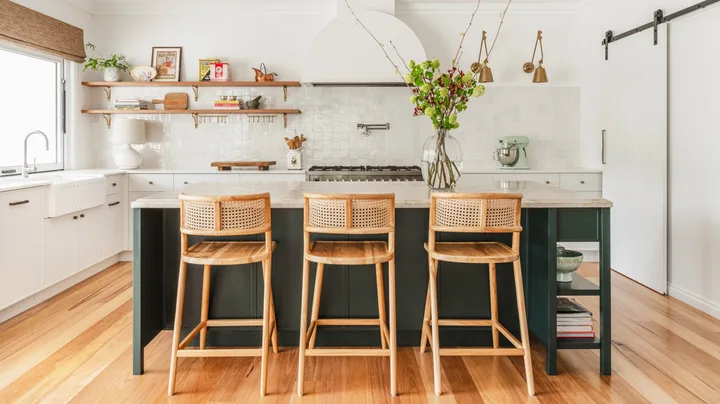
 Photography: Hannah Puechmarin / Interior design: Angie Rogers
There’s no denying that in recent years, the heart of the home has evolved to encompass far more than simply cooking. Modern kitchens are, more often than not, bustling hubs that require various seating options, including bar stools, dining chairs and other types of seats to suit a variety of purposes. “Everyone loves to gather in the kitchen, and considered seating accommodates the ebb and flow of everyday life,” says Kate Nixon, founder and director of the eponymous design studio.
“Regardless of how well a chair is made or how good it looks, if it’s uncomfortable it won’t last long” – Jeremy Lee, furniture designer and maker of JD Lee Furniture
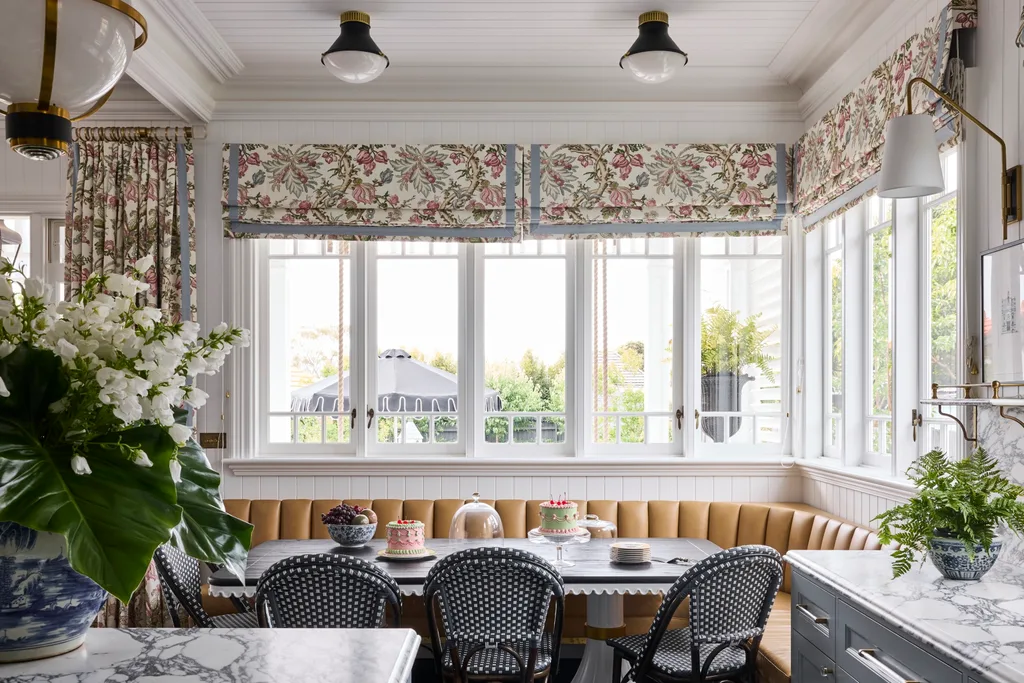
Depending on the layout of your kitchen, your scheme will likely need to incorporate bar stools, dining chairs and even built-in seats like banquettes. While style and material options are important, height, size and minimum clearances are just as essential. “Seating gets used frequently and energetically,” explains Lorena Couto, interior designer at Progressive Plans. “Every movement – pulling, turning, sitting – needs to be accounted for in the layout.”
Scroll on for our expert advice and inspirational imagery.
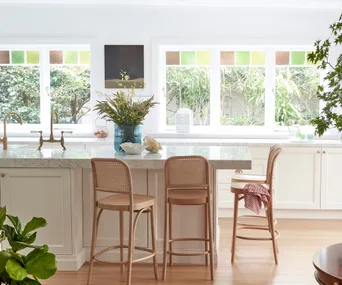
Dining chairs
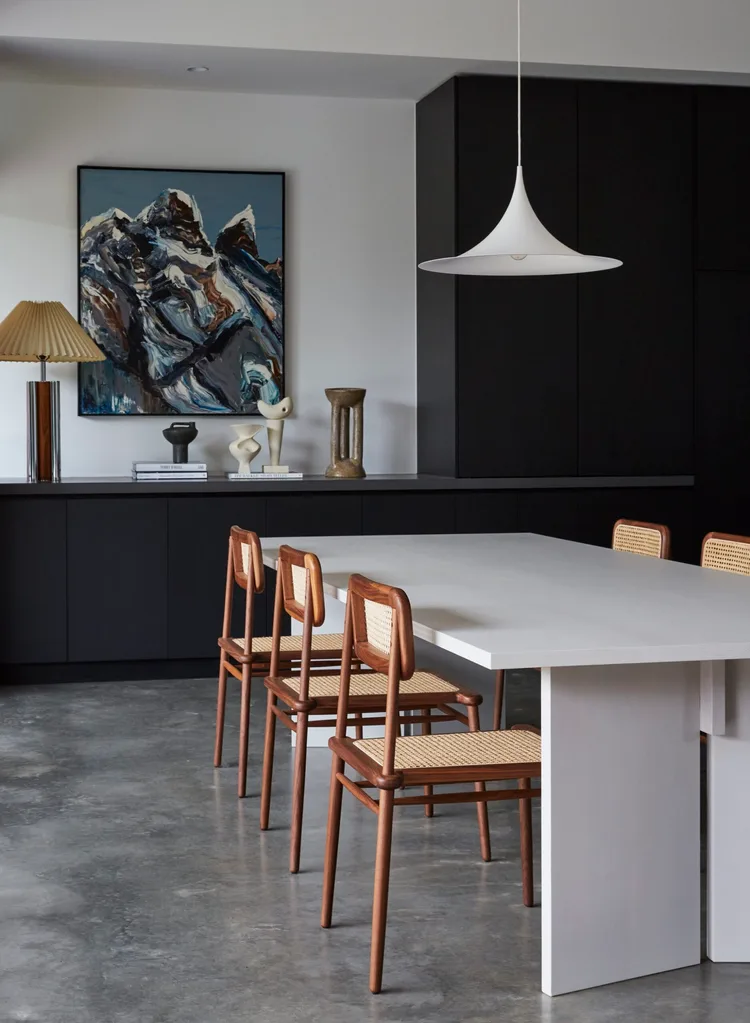
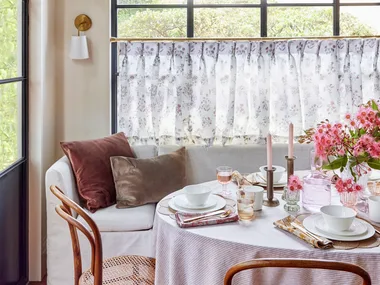
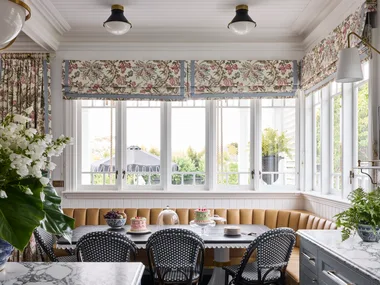
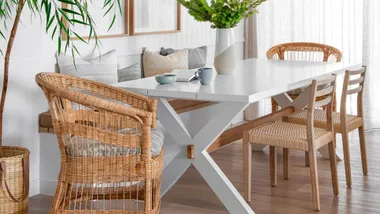
With the rise in open-plan homes, dining chairs are now a common feature in kitchens, especially in casual dining nooks. For increased comfort, try a design that has arm supports and a backrest, whether this covers the entire back or a band around the middle. Standard Australian chairs typically have a seat height of 450 millimetres to suit a table height of 750 millimetres. If your chairs have armrests, then double check they’re low enough to tuck underneath your dining table.
While solid timber chairs are the most popular style that JD Lee Furniture makes, additional materials including Danish cord, rattan and upholstery all increase comfort and aesthetic appeal. “Added factors like being able to stack a dining chair or have removable components, which can be mended if necessary, add to the functionality and therefore the longevity of the piece,” says Jeremy.
Bar stools
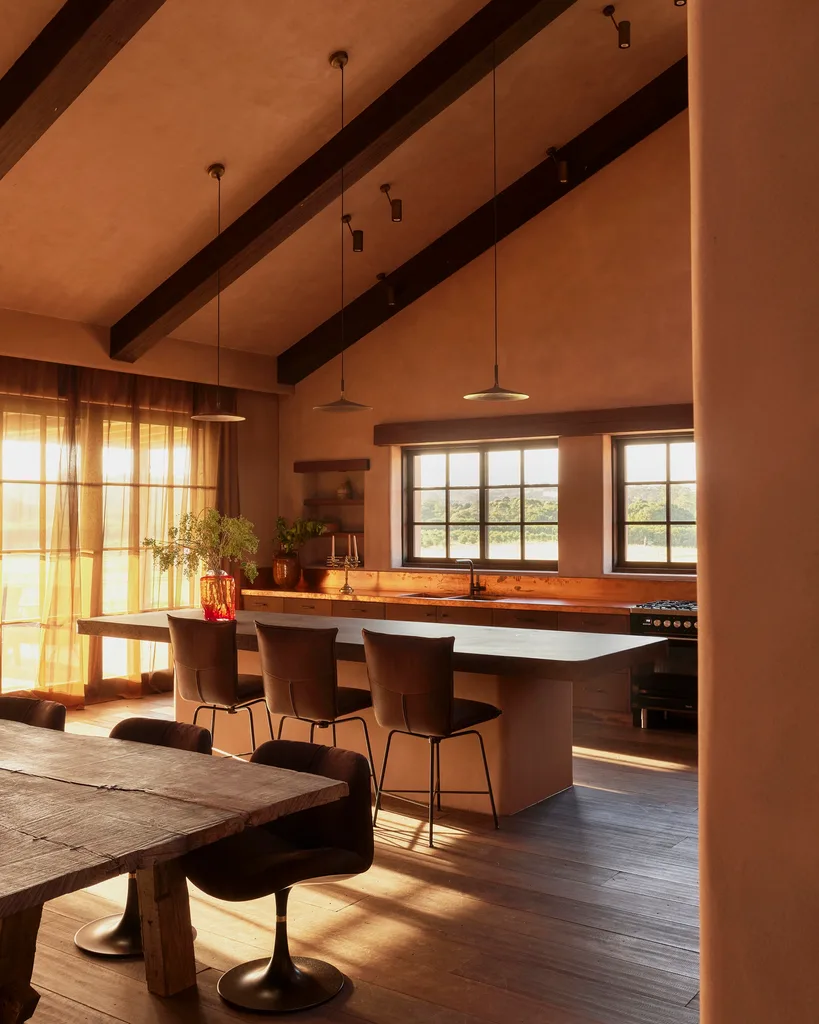
Whether you’re entertaining loved ones, helping children with homework or looking for a casual place to perch with a coffee, bar stools are an essential form of seating for kitchen islands. “In Australia, most kitchen islands are 900 millimetres high,” explains Lorena, interior designer at Progressive Plans. “If your island deviates from that height, choose stools with adjustable options to maintain ergonomic comfort. A minimum clearance of 300 millimetres should suffice for leg space.”
“Work in timbers that enhance the scheme, rather than contrasting against it” – Amanda Garcia-Panetta, interior designer
Kate Nixon has noticed recent trends towards bar stools that are decorative objects in their own right. “Sculptural forms with interesting back details, softening curves and tactile materials create a standalone statement,” she explains. If you intend to use bar stools sparingly, then a minimal design, foregoing backrests and footrests, will suffice. However, comfort is key if you plan to settle in for longer. “A low back provides welcome support and a broader seat affords the comfort to linger longer,” shares Kate.
Banquette seating
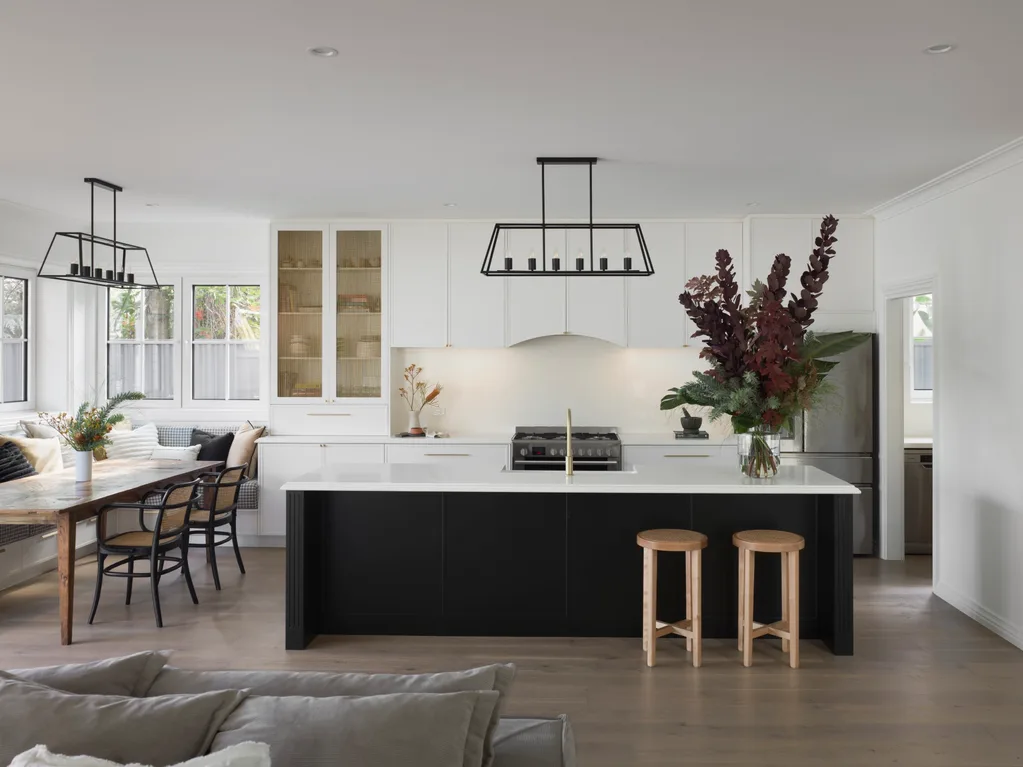
Banquette seating perfectly blends form and function, creating stylish, informal dining while making use of corners that could otherwise feel awkward. “Banquettes are brilliant space savers,” says Amanda Garcia-Panetta, interior designer and director of Studio Panetta. “Having the seat hard up against a wall gives circulation space back to the room.”
To ensure functionality and easy flow as people slide in and out of the banquette, the maximum length should be roughly 1850 millimetres – enough space to comfortably seat three people. A seat height of around 450 millimetres suits Australian standards. “The back will vary depending on the architectural elements behind it,” says Amanda. For banquettes fitted beneath a window, she recommends a height of 320 millimetres for the backrest.
Bench seats
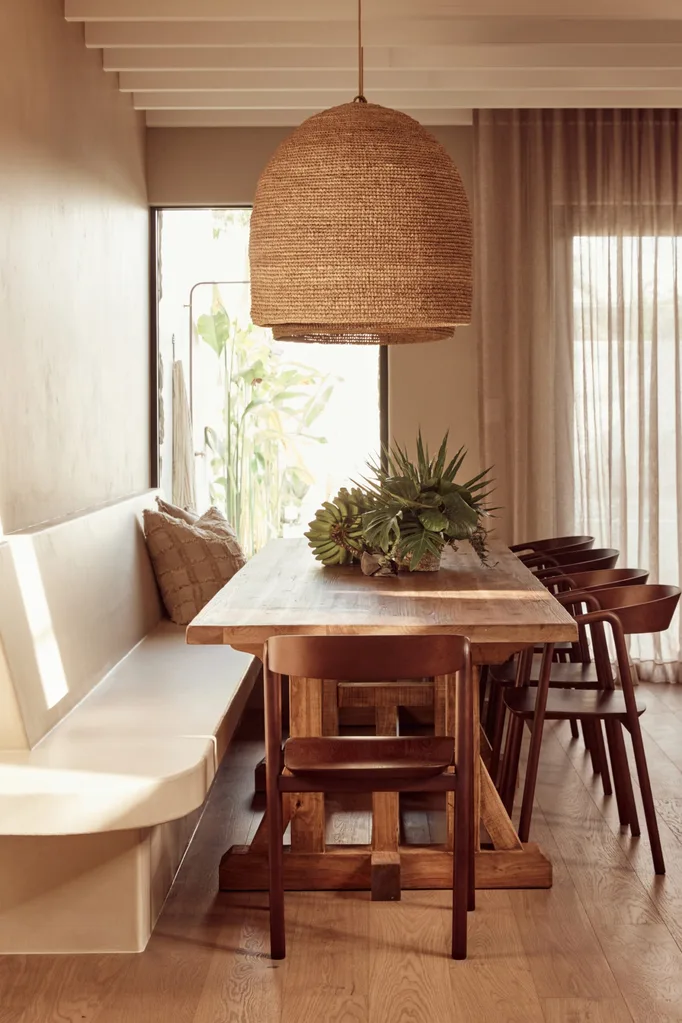
Freestanding bench seats aren’t the most common choice for kitchens, but they offer plenty of benefits. “A bench will seat more people than individual chairs, and they tuck away when not needed,” says Amanda, interior designer and director of Studio Panetta. In terms of shared seating, they also offer a flexibility that built-in options aren’t able to provide, as well as a more budget-conscious approach.
Jeremy Lee, furniture designer and maker of JD Lee Furniture, crafts his designs from solid timber due to its structural superiority. “Bench seating is a great way to add an aesthetic point of difference,” he says. While backless designs can preserve uninterrupted sightlines in your kitchen and dining area, Jeremy warns that the absence of a backrest impacts ergonomics, which means people will feel uncomfortable quicker. When it comes to style, leather, rattan and timber are particularly popular for bench seats as they introduce warmth and texture, perfectly complementing relaxed interiors.
Upholstery for dining chairs, bar stools and built-in seats
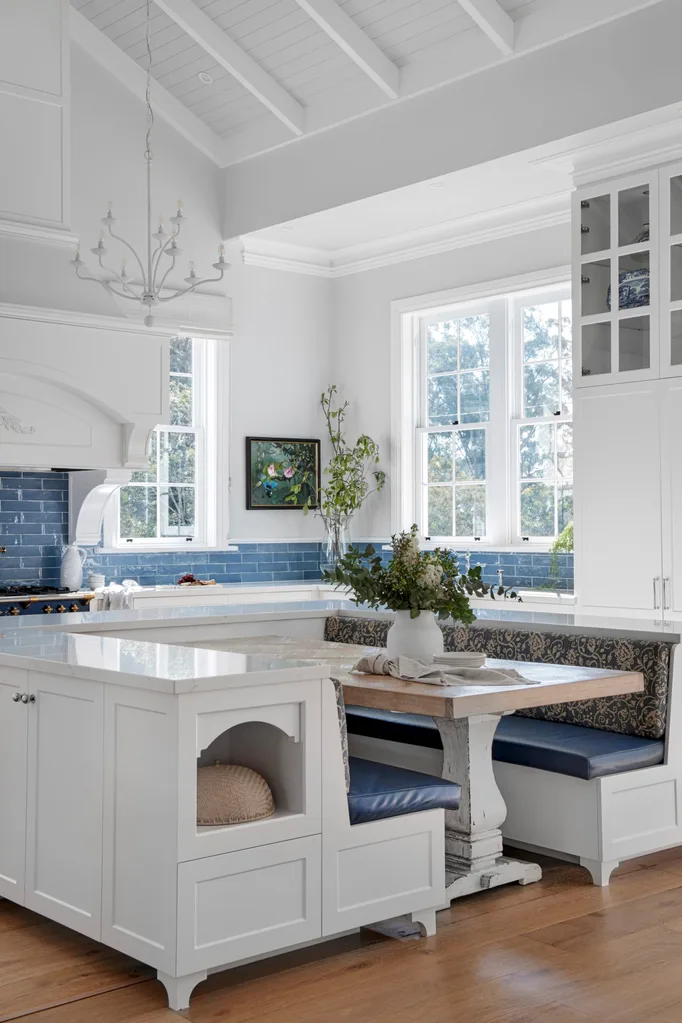
Upholstery is a wonderful way to introduce colour and pattern into interiors, while providing extra comfort for seating. With dining areas being such a high-traffic zone, durability and low maintenance are of utmost importance.
Leather is a popular choice among the experts we spoke to, as spills can be quickly cleaned with a wipe. Performance fabrics present another great option, as they come pre-treated to ensure stain resistance and easy maintenance. Style-wise, they’ve come far in recent years. “Advances in modern day manufacturing are delivering softer, tactile options in a broadening range of tones, textures and patterns,” says Kate Nixon.
In her recent furniture collaboration with Boyd Blue, she noticed a shift towards cosier, comfortable pieces. “Families are more confident incorporating prints and patterns into everyday seating to soften these traditionally hard spaces,” she says. Kate recommends outdoor poly inserts for seat cushions and a mix of fibre and feather for scatter cushion inserts.

Be the first to read this story by subscribing to Home Beautiful magazine.