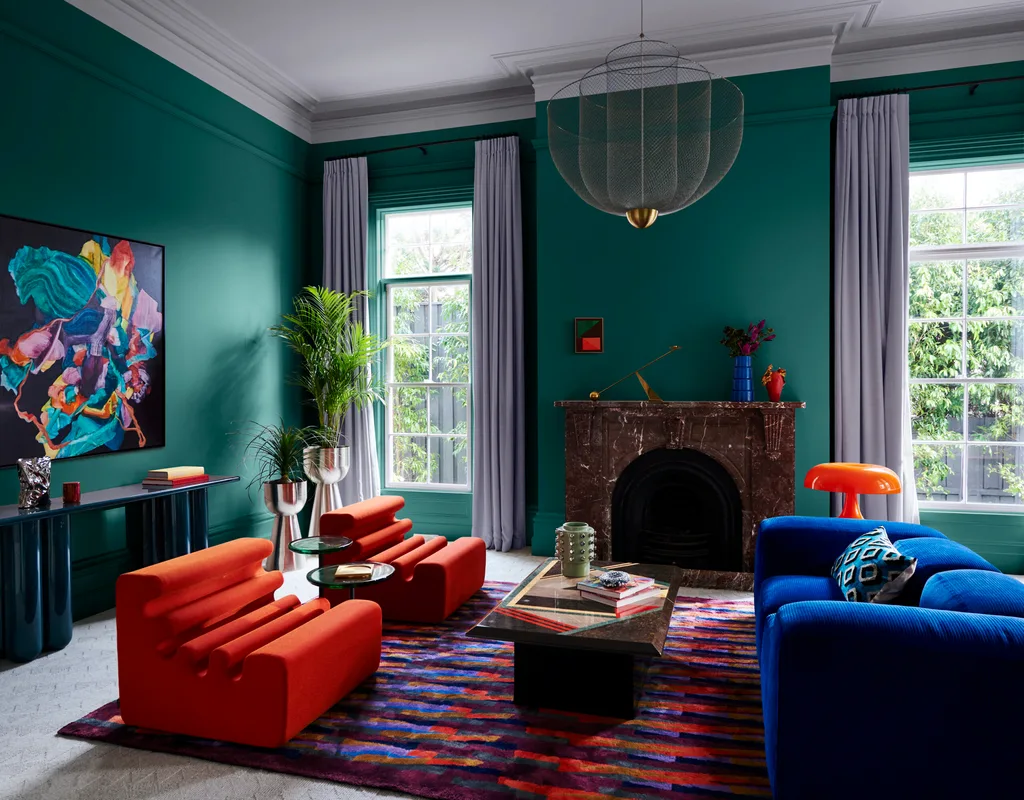
Interior design trends move fast these days. As per fashion, what’s sizzling one minute is dry and overcooked the next (barrel jeans are about to evaporate, by the way).
‘Griege’ came and went, glam furniture is no longer giving and the Roly Poly chair was a blip. So, what styles will stay the course in 2026? What décor trends will look passé?
“Trends have short lifespans, according to the industry,” said interior designer Jono Fleming on Instagram recently, specifically referring to bouclé furniture, of which he still owns. (More on that later.)
“But that doesn’t mean you should feel bad if someone tells you, ‘It’s done’. If you still love it, keep it. If you don’t love it, but you need to live with it, change what’s around it.”
Scroll our deep-dive into dated decorating trends on the way out, but remember, your home is a reflection of your taste and style. You do you — no matter what is (or isn’t) trending.
1. Neutral is over… or is it?
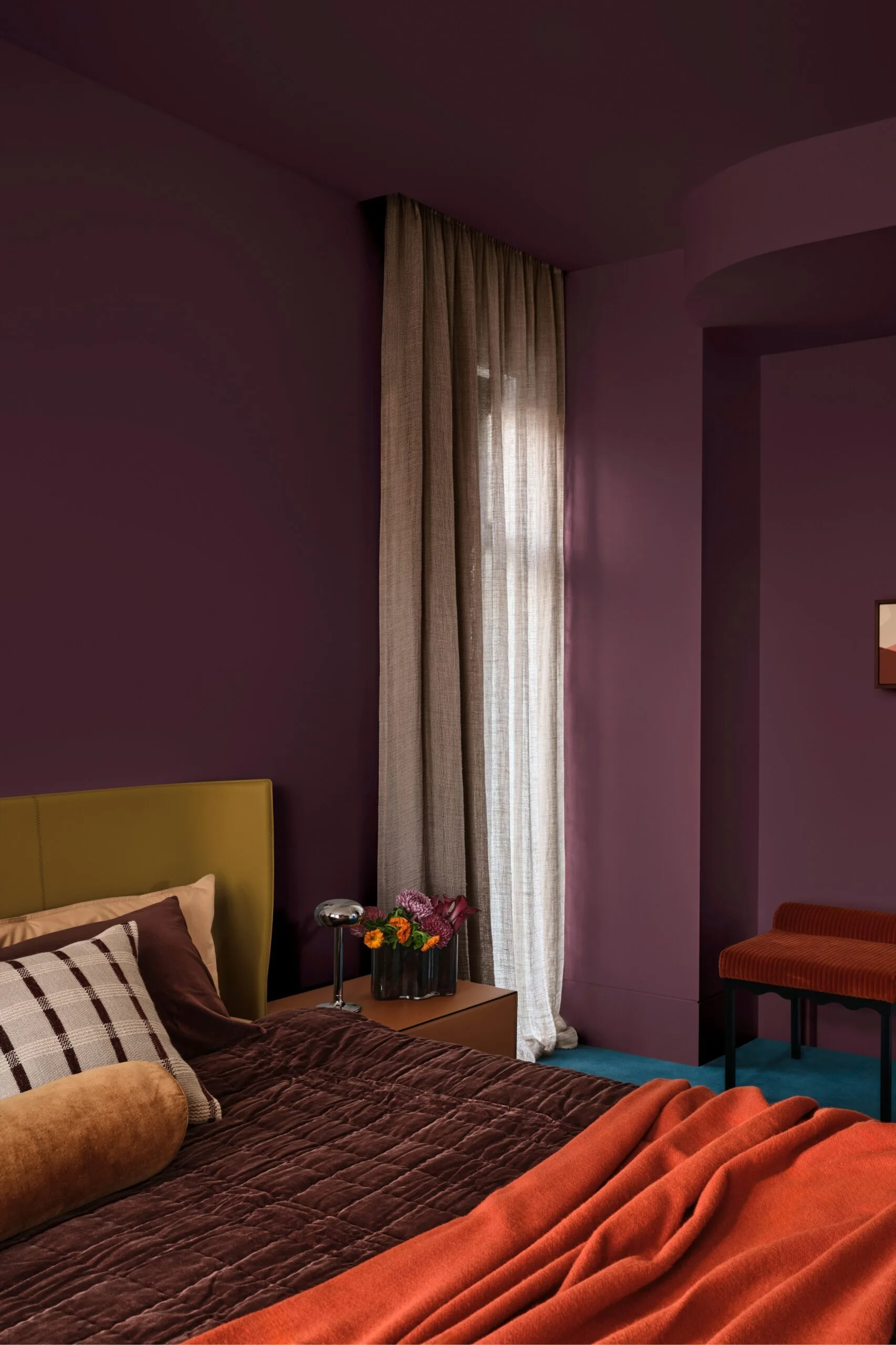
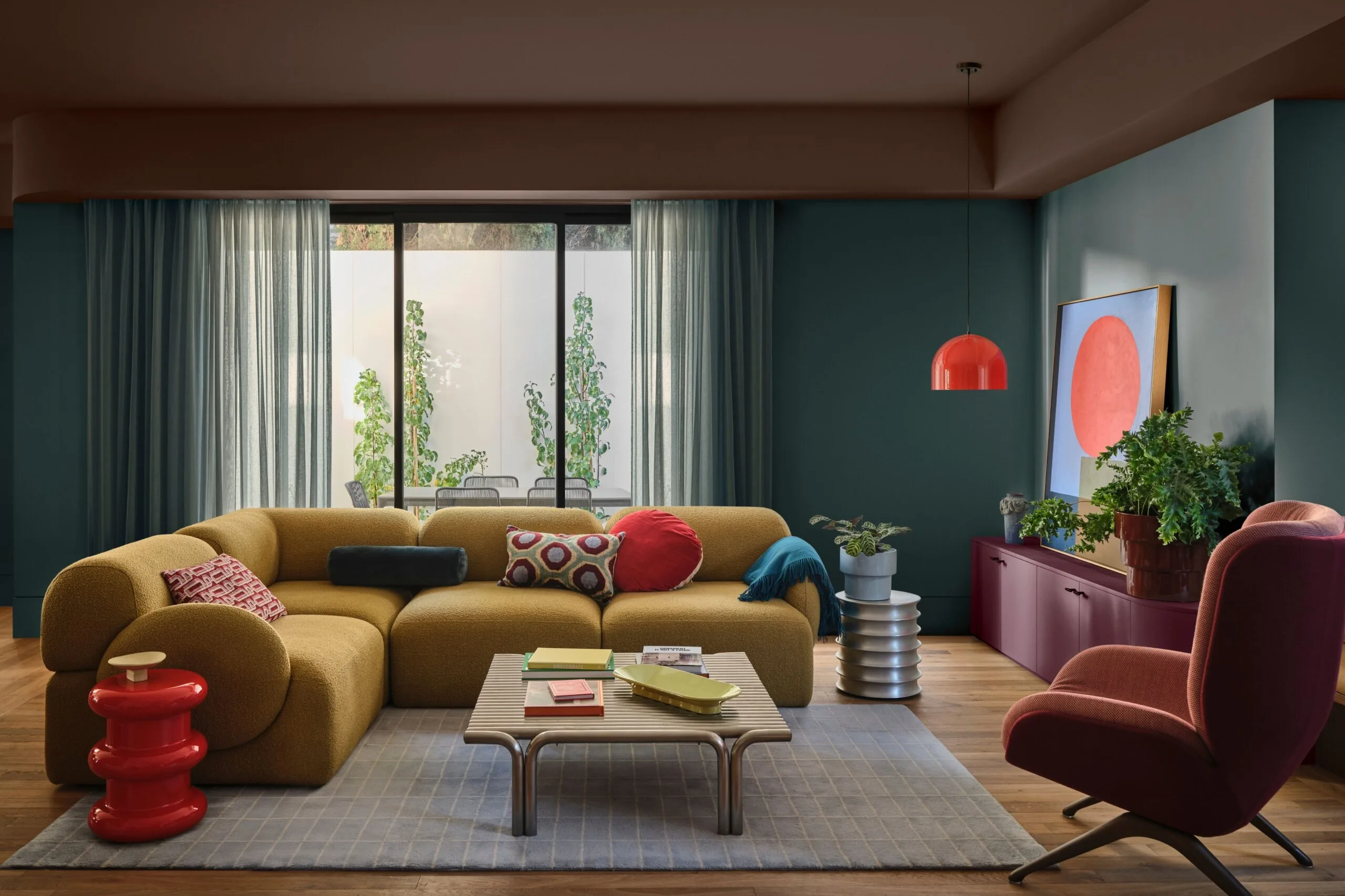
In 2025, ‘Mocha Mousse’ was named Pantone’s Colour of The Year, which filtered down to interiors. Rich browns, terracotta, cherry reds and burgundy reigned, with greens and blues adding contrast. The era of all-cream, neutral, modern-Mediterranean style seemed to be coming to an end.
We anticipate this trend towards rich, grounding colours to continue — especially given the 2026 Dulux Colour Forecast, which features paint colours such as ‘Coffee Dust’, ‘Misty Grape’, ‘Baked Clay’ and ‘Deep Aqua’.
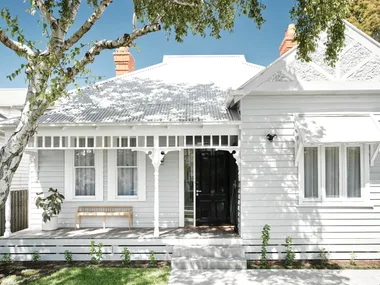
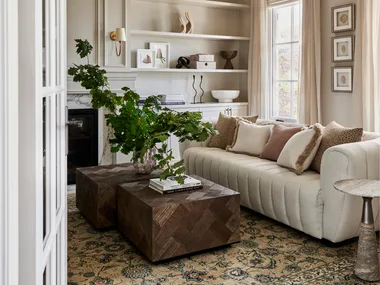
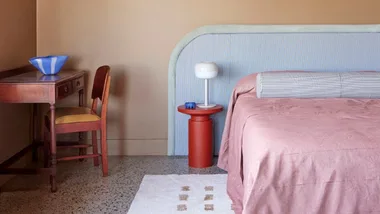
However, Pantone threw a Herculean spanner in the works by declaring ‘Cloud Dancer’ its 2026 Colour of The Year. The “billowy white imbued with serenity” broke the internet due to its stark, err, absence of colour… We can’t help but wonder if this heralds a return to white-on-white interior spaces — or just a reminder that warm white complements bold colour beautifully.
“Cloud Dancer is a bit of a surprise as we typically see bolder shades from Pantone’s Colour of the Year,” says Dulux colour and design manager, Lauren Treloar.
Do this instead: If ‘light and bright’ is your M.O. and you actually love the idea of Cloud Dancer, try the Dulux equivalent: Dulux White Exchange Quarter. “However a comparative shade that’s likely to resonate more strongly with Australian consumers is Dulux Natural White,” explains Lauren.
Ultimately, steer clear of cool whites and channel nature: think of the keywords ‘mushroom’, ‘pebble’ or ‘bone’. It’ll make your home feel cosier and more welcoming — and less like a dentist’s waiting room.
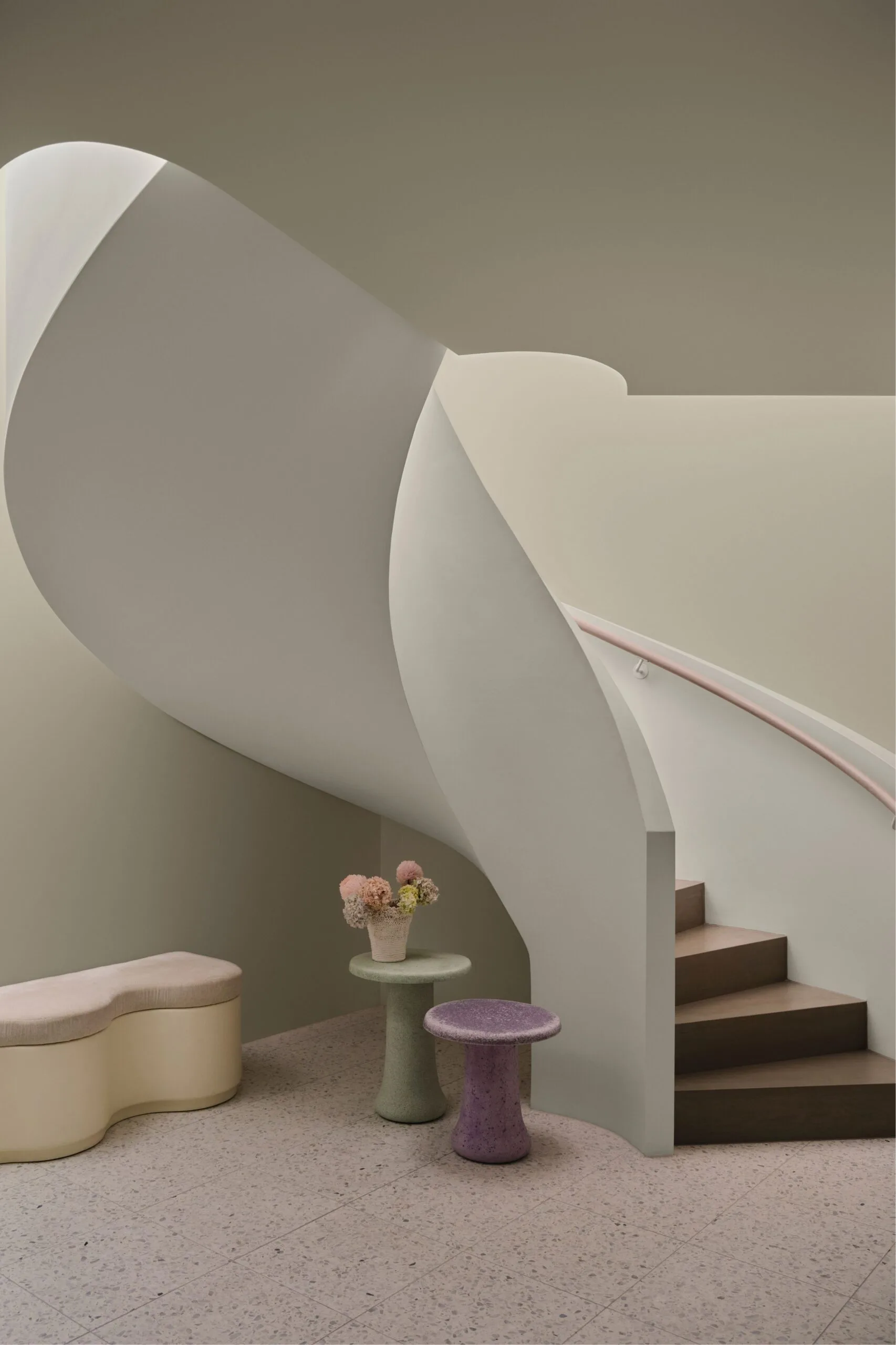
You can also opt for neutral pastels, including soft greens and pinks. “These whimsical tones exude an uplifting and soothing atmosphere throughout the home,” adds Lauren.
2. Engineered stone is history
For as long as we can remember, economical and stylish engineered stone benchtops ruled Australian renovations. However, since mid-2024, the popular material has been banned, to help protect workers from developing the potentially deadly disease, silicosis.
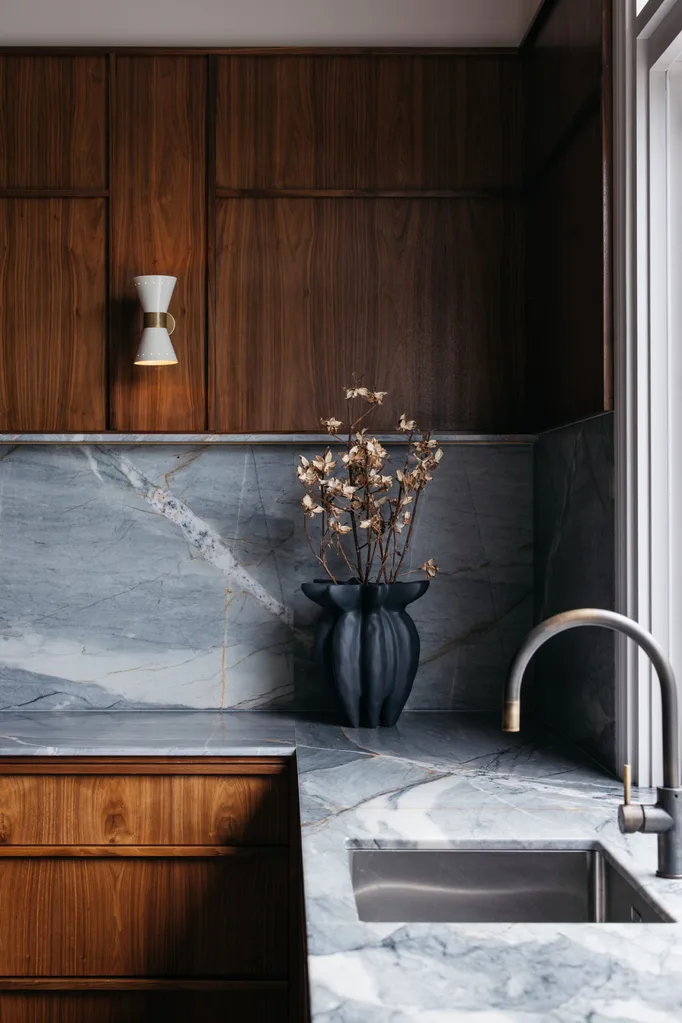
Do this instead: So, engineered stone is definitely ‘out’. But there are myriad alternatives for your kitchen and bathroom benchtops — such as natural marble, timber, stainless steel, Corian and laminate.
“For those in search of a cost-effective, silica-free material that doesn’t compromise on design or a rich palette of colours and textures, Laminex is a compelling choice,” says Sacha Leagh-Murray, General Manager of Sales and Marketing at Laminex.
Versatile laminate is durable, non-porous, hygienic and seamless, available in loads of colours. Some lines can even be moulded into on-trend curves.
Interior designer Emma Blomfield says her firm has been specifying more porcelain, natural stone and even zinc benchtops in recent months.
“The options and the technology behind porcelain have continued to improve, so clients who’re more budget-conscious can have the look of a natural stone without the price tag,” she explains.
3. Bouclé is officially passé
Bouclé has become the Sol de Janeiro of the interior decorating world: it’s been splashed everywhere, and everyone is over it. The loopy, woolly fabric has been used on everything from furniture to cushions, throws and even dog collars.
“While bouclé has proven to be enduring, it’s definitely being used less and less,” says Greenhouse Interiors founder and Dulux ambassador, Julia Green.
Do this instead: If you’ve invested in a bouclé sofa or occasional chair, such as the iconic Gubi Pacha lounge chair, don’t fret.
Interior designer Jono Fleming knows this dilemma all too well, saying on Instagram: “What if you do already own (bouclé)? You work with it. The trick is mixing textures; don’t go all-in with bouclé — that’s when it feels dated.”
He suggests balancing out a bouclé sofa, for example, with a linen throw, a velvet cushion, a leather armchair or a corduroy ottoman.
Alternatively, your old bouclé pieces might also find a home in your teen or tween’s bedroom, as per Mocka’s Youth Collection. The texture feels simultaneously ‘grown up’ and playful, making it perfect for kids who are transitioning to adulthood.
4. Chrome is the new brass accent
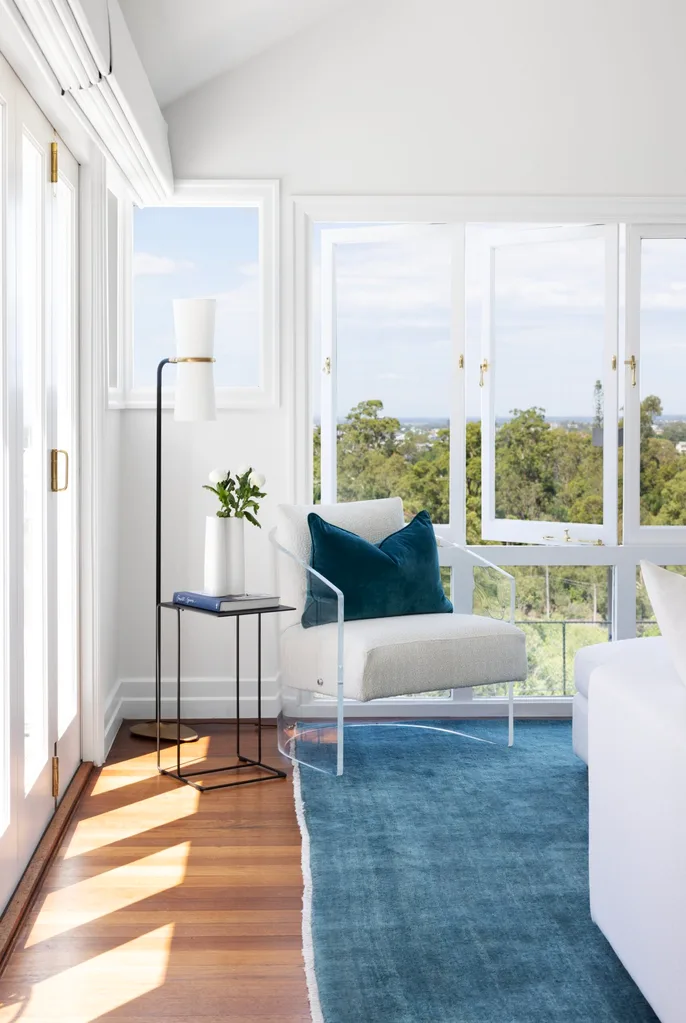
You can’t swing a throw rug without hitting a side table or objet d’art in rustic brass, copper or bronze, but chrome is having a renaissance.
Made popular during the 1950s and ‘60s, the sleek and silvery metal was used in dining tables and chairs, armchairs (such as the Wassily chair), coffee tables and lamps.
Of course, timeless chrome harks back to the Art Deco era, as well, when it was the (non-) gold standard in tapware and hardware.
Do this instead: There’s no need to rip out all your expensive brassy hardware or accents or ditch furniture pieces in favour of high-shine silver finishes just yet.
“Chrome is certainly making a comeback, but you can mix your metals tastefully,” says Julia. As chrome can feel a little chilly, aged brass can help maintain a sense of character.
To ease yourself (back) into this décor trend, try incorporating retro furniture with chrome legs or replacing kitchen handles with polished nickel knobs.
5. Forget fast-fashion homewares
With the environment top of mind, decorators are starting to eschew fast fashion when it comes to interiors.
Regularly buying and replacing (and throwing out) on-trend inexpensive décor isn’t exactly great for the planet. A survey of more than 7,000 people found that 97% of consumers are interested in buying sustainable furnishings, provided the style and cost are about the same as other options.
Thanks to a meteoric rise in living expenses, as consumers we’re becoming more mindful about how we spend our money, as well.
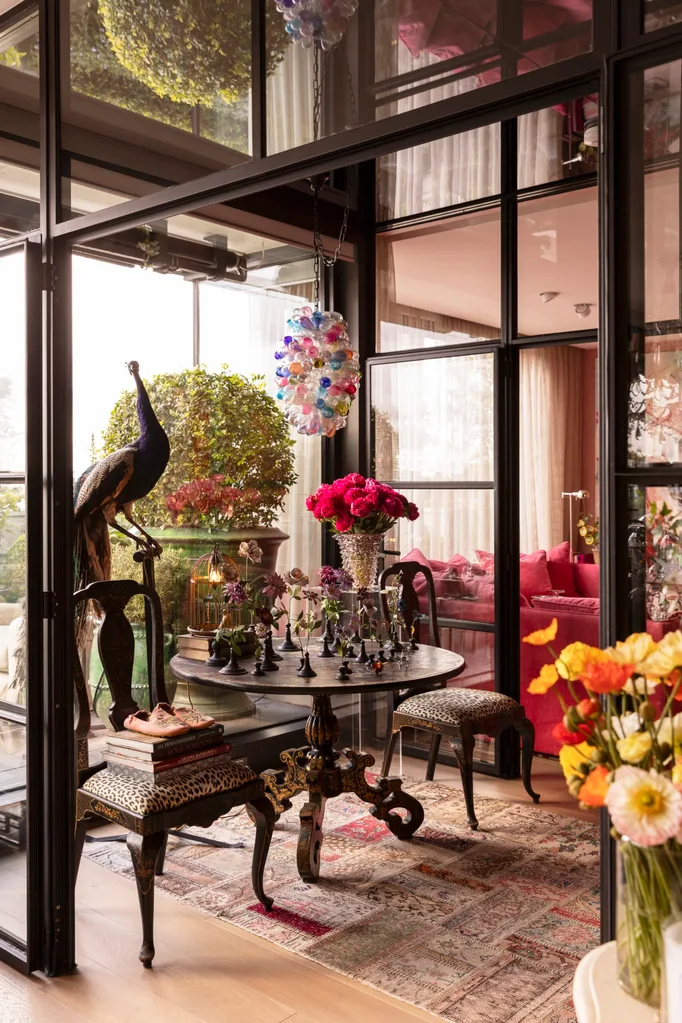
Do this instead: Eclectic maximalism with a focus on vintage is back in vogue. So, hit up Facebook Marketplace, 1stDibs, auction houses such as Lawson’s and charity shops for preloved furniture and decor.
Take a (cabbageware) leaf out of Chyka Keebaugh’s book. The penthouse home of The Real Housewives of Melbourne alum and hospitality doyen is a treasure trove of vintage pieces she and her husband, Bruce, have collected over many years of travel.
“I love pattern, colour and texture,” Chyka told Home Beautiful. “And I must go to a flea market wherever I am in the world.”
Consider investing in high-quality and less faddish pieces that will last forever, too. It might cost more upfront, but you’ll spend less over time.
6. Open-plan living is overrated
Since open-plan living revolutionised homes in the 1960s and 70s, Australian families have been living in close quarters and loving every minute of it. Or have we?
During the COVID-19 pandemic, the combined kitchen/living/dining space fell slightly out of favour, as people of different ages and needs struggled to work, play and study at home together.
We’re now seeing interior designers create separate zones for different hobbies in the home, such as media rooms, sewing and craft spaces, libraries and wellness rooms — while retaining spaces for families to come together.
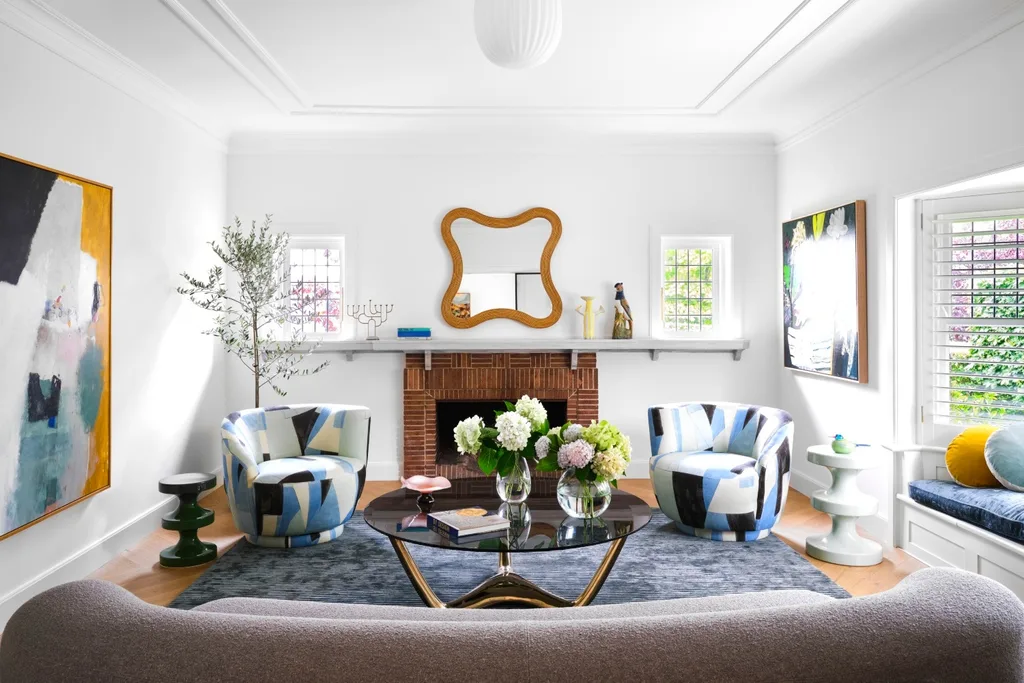
Do this instead: Consider carving out a formal living room or library, if you have sufficient rooms. Rearrange your furniture to foster fireside chats.
“Think, sofas that face each other rather, ottomans that extra guests can perch on, handy side tables for snacks and drinks, as well as fireplaces to gather around,” offers Michelle Davis, creative director at M+Co Living.
Like the idea of zones, but worried your home could be too segmented or ‘boxy’? Curves can help, suggests interior designer Chiara Portesi. Curved walls and island benches add softness while delineating spaces (and yes, they can act as load-bearing walls).
You can also build in barriers without popping up walls, via furniture, Shoji screens (paper-based Japanese room dividers), bookshelves — safely fixed to the floor — or glass doors.
7. Have waterfall kitchen islands been saturated?
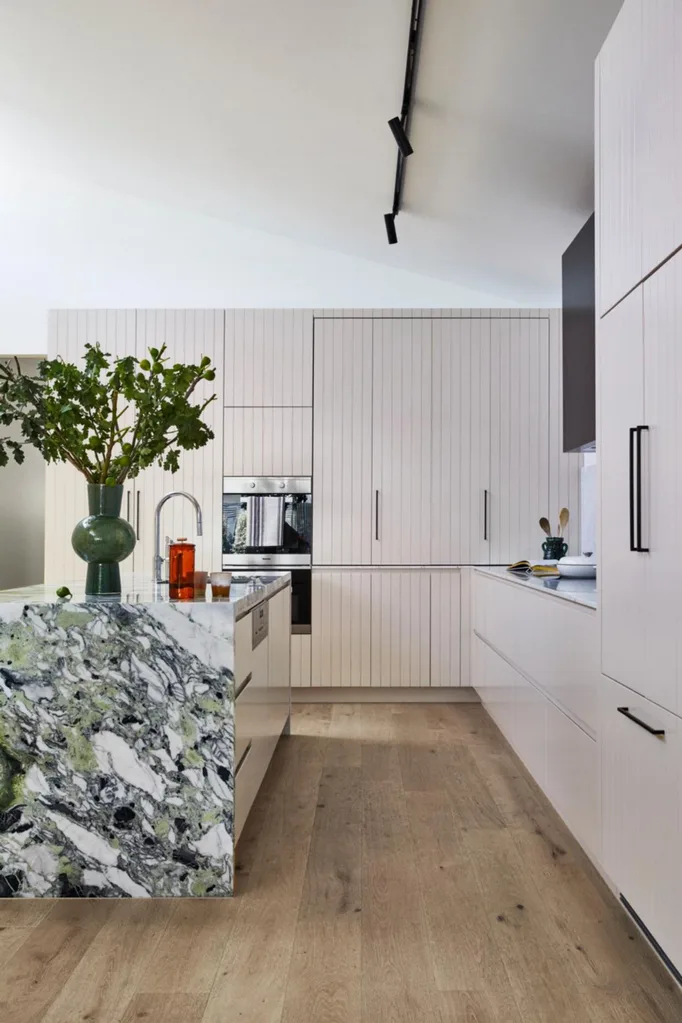
Once peak luxury and striking in its form, the waterfall kitchen island bench will potentially be, well, benched.
With a waterfall island, the benchtop material — usually stone — continues down one or both sides of the bench, as per a waterfall. The longer side of the island, on the living/dining side, is typically recessed to accommodate bar stools and legs.
Ergo, the design downside of a waterfall island is that anyone sitting at the waterfall-end of the bench can’t sit comfortably — unless they’re a practised yogi who can twist into pretzel-like positions. And waterfall islands simply don’t feel very novel anymore.
Do this instead: Renovating your kitchen? Consider installing a kitchen island bench with decorative, table-like legs that add visual intrigue and allow people to stretch out when they’re seated. Which will be trending in 2026.
If you’re still wedded to the waterfall concept, own it. Continuing your benchtop material — such as marble — onto the floor in an organic, ‘pooling’ fashion is elegant and elevated, as per the kitchen in Sally Caroline’s ‘Panorama House’ project.
8. Sub maximalism with ‘midimalism’
Minimalism had a moment, with documentaries and books telling us to live with fewer possessions, and designers opting for clean lines and uncluttered surfaces, which sometimes looked, well, stark and cold.
Even Marie Kondo couldn’t keep up with her tidying, admitting recently that she’s more realistic about mess since having her third child.
On the other end of the spectrum, maximalism espouses having stuff, stuff and more stuff — the more opulent and colourful, the better. Animal prints have been trending (yes, in homes). But layers of accoutrement aren’t always easy to live with. Imagine the dusting!
Do this instead: There’s a Swedish word, lagom, which roughly translates to, ‘Not too much and not too little’. Meanwhile, the Japanese philosophy of wabi-sabi is about accepting and appreciating the imperfect nature of everything.
Thanks to lagom and wabi-sabi, minimalism (pared-back, perfect and clutter-free) and maximalism (wild colour, pattern and décor) are two extremes we might see less of in the future.
So, we’re predicting a move away from severe styling and towards interiors that look like, well, a home in 2026.