


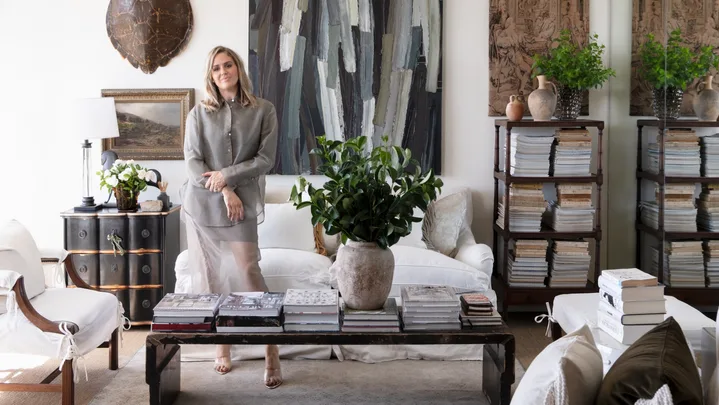
 Photography: Nicholas Caldwell
It doesn’t take a psychic to predict the outcome of our current spending habits. Just as fast fashion has swept through our wardrobes, only to be dumped in landfill the second the micro-trend has passed, fast decor is taking over our homes.
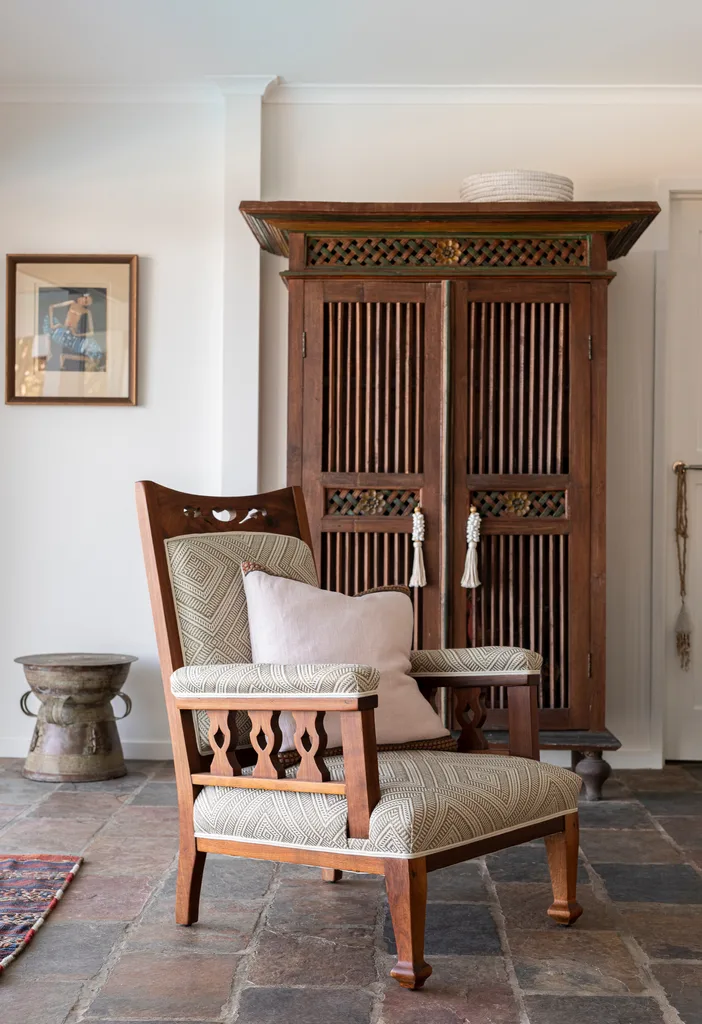
This mass-produced furniture isn’t built to last. It’s manufactured as cheaply as possible, leading to inevitable wear, tear and destruction. And even if the construction stands the test of time, the style likely won’t. Social media has contributed to trends going in and out of fashion more quickly than ever. So where does that leave the future of the antiques industry?
How did we get here?
Look around your home and ask yourself this: Are there are any pieces, big or small, which I could leave my children, or even my grandchildren, one day? Now ask yourself, why does it feel like I need to be wealthy in order to own something that could be passed down through the generations? After all, this wasn’t always the case.
Once we get to the year 2100, will any century-old pieces still exist? And if they do, would anyone even want to buy them?
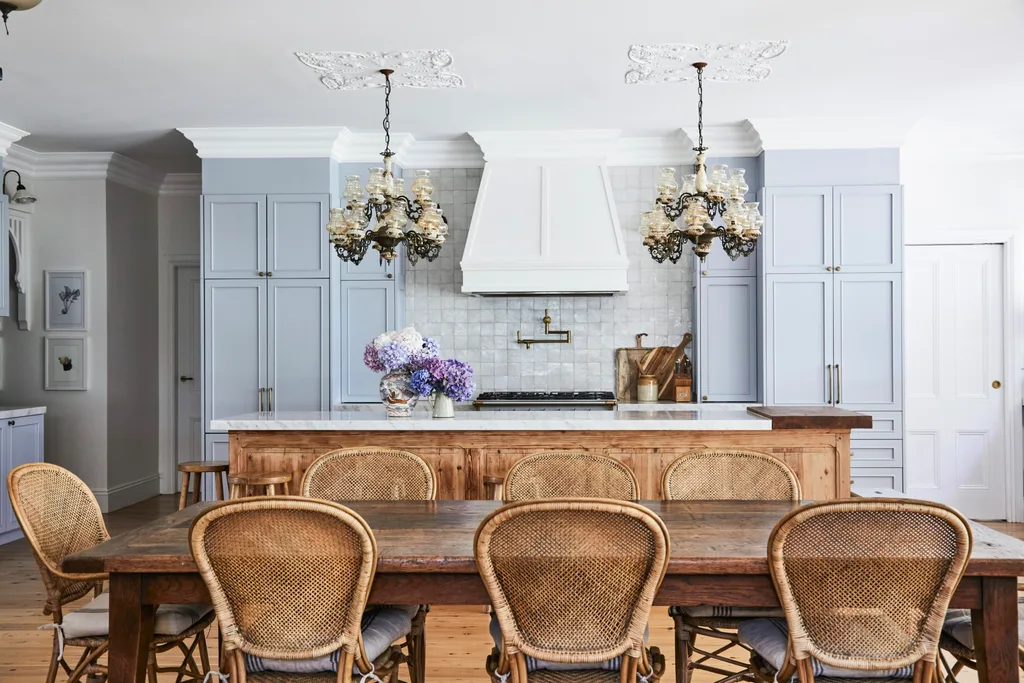
It makes sense that the fast decor industry is booming. The rising cost of living is hitting the vast majority of people hard. Unlike days of yester-year, life’s little luxuries such as entertainment and avocado toast make up an affordable percentage of the average income. As Freddie Smith explained in an instagram reel, in the 1980s luxuries were expensive but life was cheap. Now life, meaning real estate, rent and even basic groceries, is not cheap but new candlesticks and a trendy lamp certainly can be.
To get to the bottom of this issue, I spoke to antiques collector, creative consultant and interior stylist, Isabella Walker-Smith. Read on for her concerns as well as her educated optimism about the future of antiques.
How old are antiques?
“Antiques are items that are more than 100 years old,” says Isabella. As such, pieces belonging to different eras and style movements are constantly aging into official antique status. Right now, pieces from the early Art Deco era are becoming antiques.
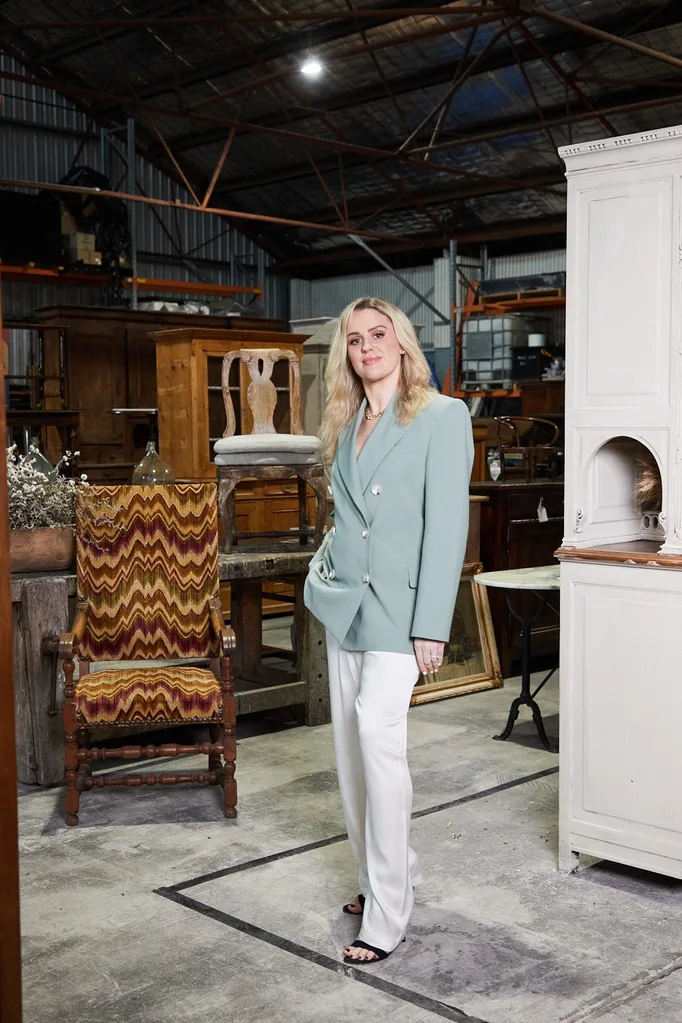
What is vintage and what is retro?
“Vintage means something that is at least 20 to 99 years old, of high quality and lasting value,” shares Isabella. Vintage could almost be seen as a waiting room that pieces are placed in to before they are old enough for antique status. “Retro, on the other hand, refers to affordable styles designed to mimic a past era, such as the 1950s-80 but aren’t actually from that time, such as new appliances with a retro look.” A popular example is Smeg appliances.
Is fast decor killing the antiques industry?
The good news is, the antiques that already exist will only continue to thrive. “Pieces from the 17th to 20th centuries – and even earlier periods, are here to stay, and will always be collectible,” explains Isabella.
However, she’s less glowing when speaking on the current fast decor landscape. “Mass-produced fast homeware lack the integrity of old reclaimed vintage items and antiques,” she says. “They are not sustainable, and don’t foster a timeless approach to design simply because they are not built to last.”
“[Mass-produced, fast decor] are a one-hit wonder, with built-in obsolescence, so they will never be part of the circular economy” – Isabella Walker-Smith
Why is older furniture often higher in quality?
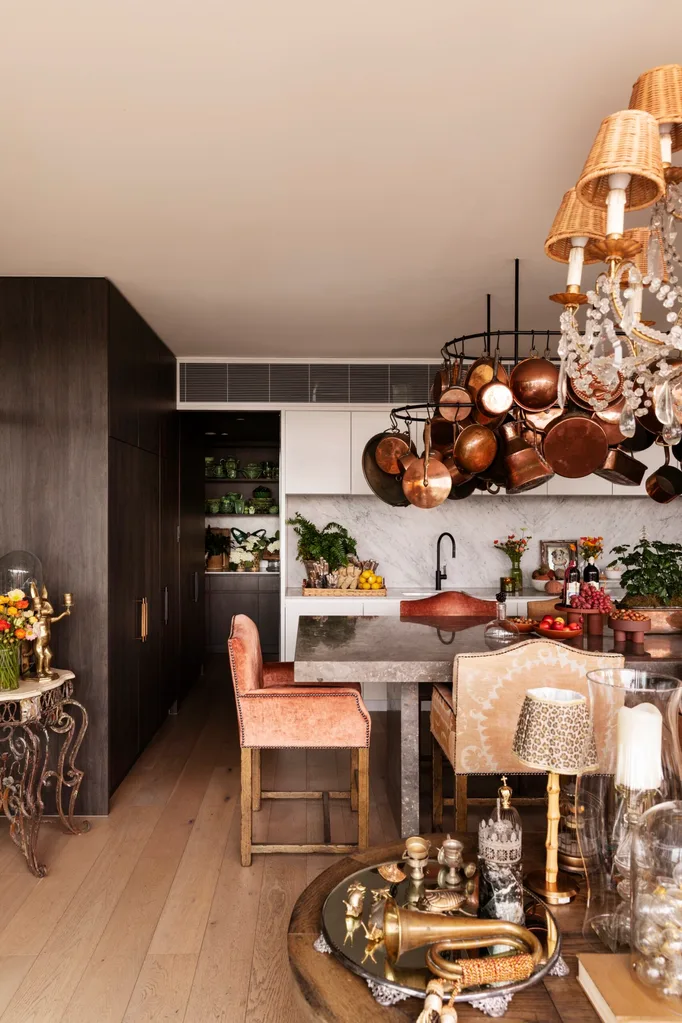
Furniture that was built centuries ago is, as Isabella puts it, “literally more solid. If you pick up an 18th-century side chair, it’s heavy.” The weight of 19th and 20th century furniture gradually became lighter but older pieces still benefit from good craftsmanship. Traditional joinery techniques, better woods and less glue are all listed by Isabella as hallmarks of high quality manufacturing. “Contemporary artisanal pieces built with a focus on craftsmanship from the 21st century are also set to become collectables in the future,” she adds, “but fast fashion pieces are not here to stay.”
Why do people buy antiques?
There are so many reasons for the enduring popularity of antiques. They can be purchased in the hopes of reselling for a profit, bought as part of a hobby collection or they can simply stand alone as a beautiful piece of furniture in your home.
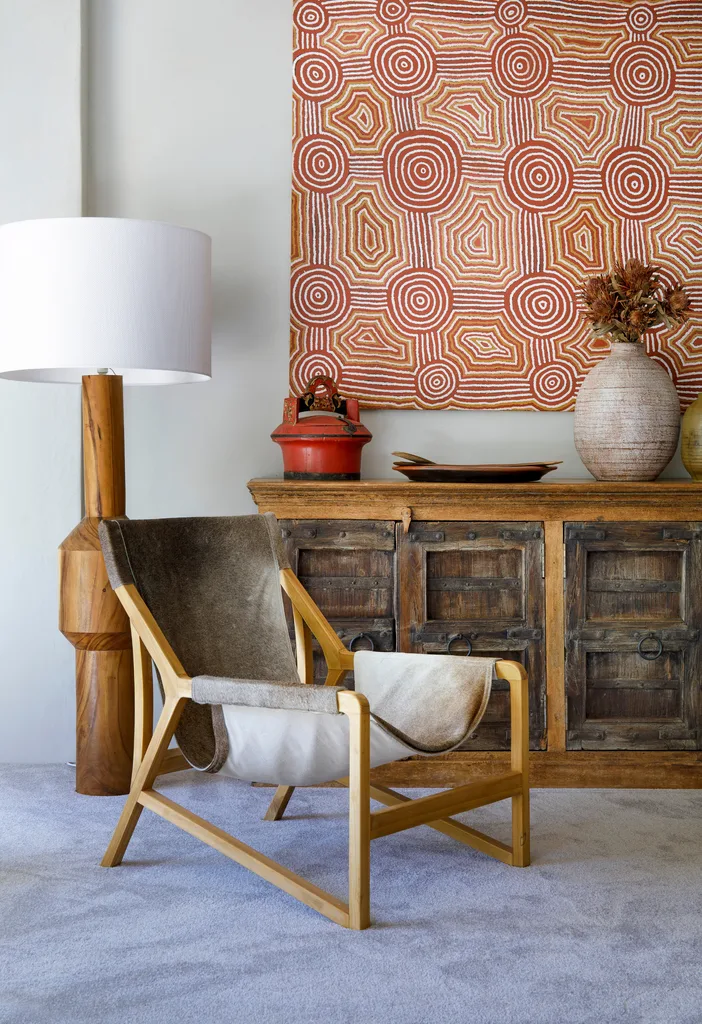
“Antiques bring instant presence, even grandeur, to any room while reflecting your interests and sense of beauty,” says Isabella. “For the same money, you will almost always find a better-made, more beautiful version of the same thing if you buy an old one versus its new equivalent. And that’s before you consider things like patina, environmental impact and the joy of using something with history.
“With more awareness around sustainability than ever, antiques are well-made, renewable, pre-owned pieces with pedigree and character” – Isabella Walker-Smith
What qualities should we look for in the furniture we buy?
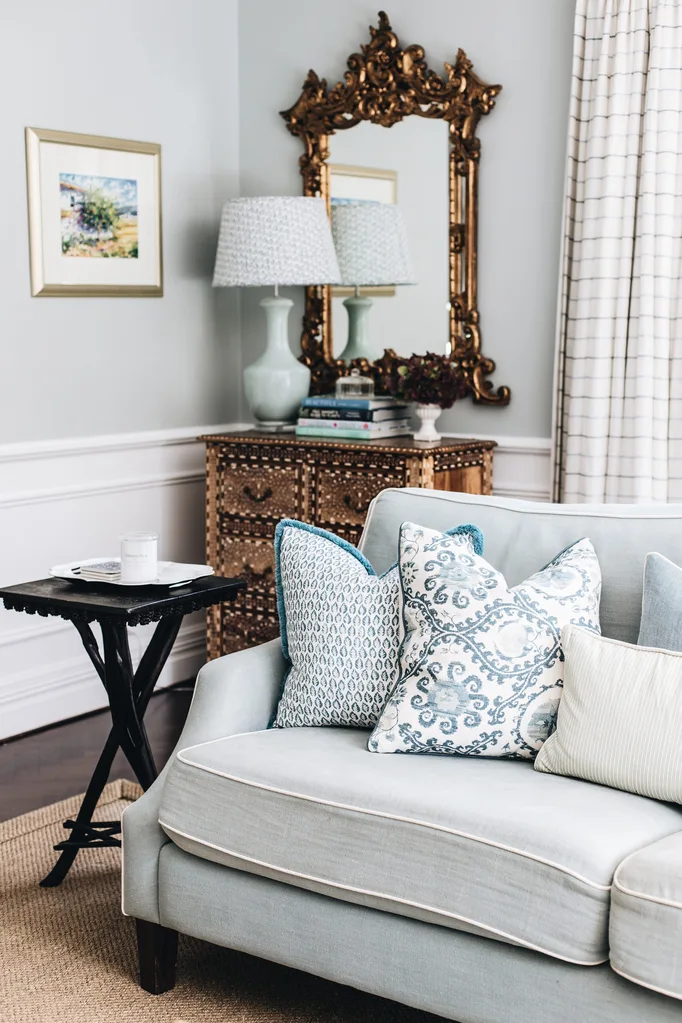
It’s easy to have a doom and gloom attitude about the state of the world but you can get off the hamster wheel of over-consumption and late-stage capitalism. First, get to know your sense of style outside of trends. What materials do you like? Are there particular design eras you’re more drawn to? Next, familiarise yourself with the signs of good craftmanship. As Isabella says, “Learn to recognise good lines, perfect proportions and great finishes.”
Finally, remember that homewares serve you. You want to find them beautiful but they also need to function in a way that suits your lifestyle. “The fundamental thing is to collect things that work with your way of life,” shares Isabella.
Where to buy antiques?
Second-hand stores in Melbourne and Sydney are plentiful. (For tips on the items you should never pass up at an op shop, click here). Gems can also be found on Facebook marketplace and Ebay so they’re worth keeping an eye on.
Isabella’s favourites:
- Vetted antique online sales by leading Australian auctioneers such as Leonard Joel
- Graham Geddes (for Melbourne residents)
- Dusty Luxe and Tamsin Johnson (for Sydneysiders)
- IWS Atelier

