 Photography: Martina Gemmola
The cooler months are often greeted with a resigned sigh, but as the days get shorter and the air bitingly crisp, our homes can become cocooning havens. To make home hibernation a joy, dial up the comfort factor with a few simple seasonal changes. We’ve looked at all the elements that bring a sense of cosiness and sensory comfort to our homes, from the tactile joy of plush fabrics to the fragrant steam rising off a hot bowl of soup. By setting up your home to appreciate these simple pleasures, autumn and winter might just become your favourite seasons.
Carpets
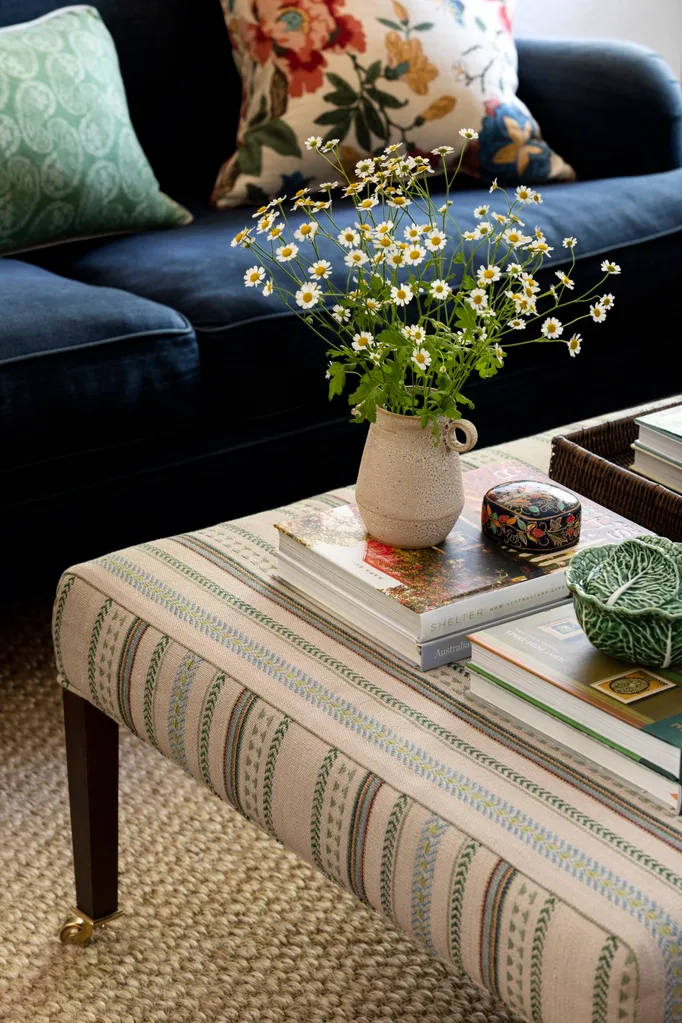
As you swing your legs out of bed on a chilly morning, do your toes recoil from the icy touch of hard floors or nestle into the fluffy embrace of carpet? If winters in your area have a proper bite, there’s no substitute for the warmth of carpet underfoot. Colour specialist in product development Lily Ng of Bremworth explains, “Wool carpet feels significantly warmer underfoot – anywhere between 7–10 times more insulating than tile or laminate.”
The range of carpets seems vast and baffling, but our glossary is here to help. Familiarise yourself with the most common carpet fibres, as well as the pros and cons of different carpet piles. From there, choosing the right carpet is all about ticking off the practicalities. “It is very much up to the individual’s taste but a few rules apply,” says Lily. “We would recommend a more durable carpet for high traffic areas and perhaps a low pile height for dining areas so chairs can be moved easily.”
A plush carpet (a very dense, soft cut pile) is perfect for kids’ rooms, feeling gentle and fluffy under little knees. Beyond that, it’s about what feels good to you. “Some loops, especially multi-level loops, will provide a massaging feel underfoot. If a look and feel of luxury is desired then a plush, especially a heavier plush, will always be your best bet,” says Lily.
Carpet glossary
Fibre is the material, such as nylon (more durable and fade-resistant) and wool (more insulating and stain-resistant).
Pile refers to the surface of the carpet, either loop (attached to the backing) or cut (stand up straight).
Rugs
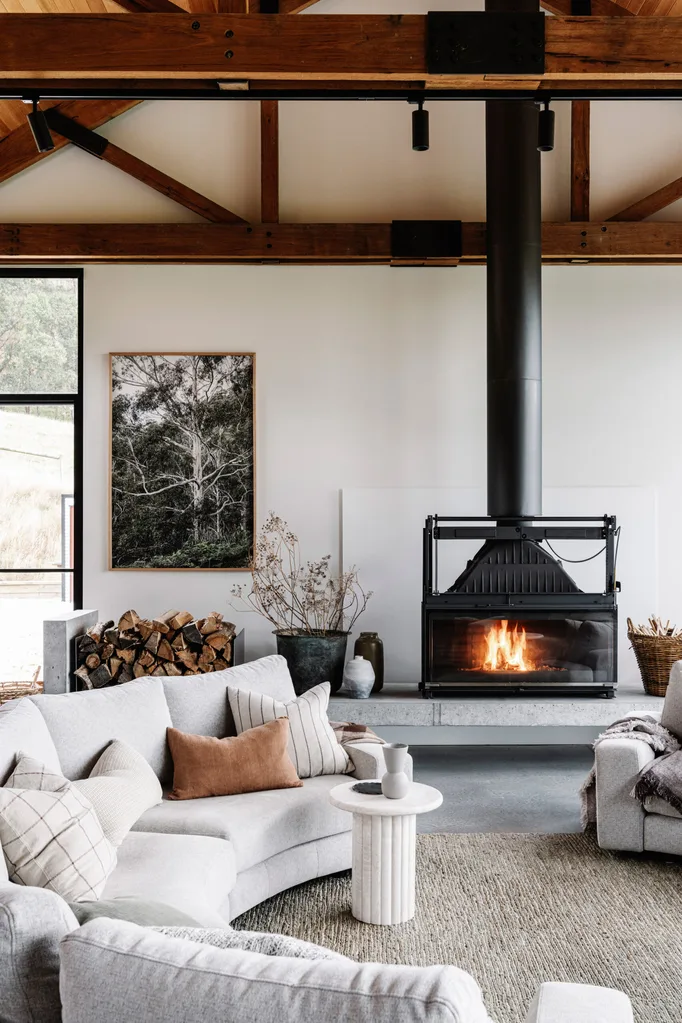
Timber has a timeless beauty, but our love of wooden flooring comes at the cost of cosiness. As Lily explains, without carpet there’s less insulation, so owners can be “left with a much colder, draftier home”. Rugs are a simple and easy fix. They soften the appeal of hard flooring, improve acoustics, and anchor furniture, creating cosy and conversational zones within open-plan spaces. They also add texture and even colour to a room, layering it with warmth and interest.
For maximum softness, tufted rugs are ideal, with a thicker pile and plush feel underfoot. They’re also often machine-made and cheaper. However, hand-knotted rugs are the premium choice for good reason
– though not as plush, they’re deliciously dense underfoot. The fine knots allow for more intricate designs, and the care involved in their construction means they can last for decades. Rugs should always be proportionate to the room, but in general, bigger is better! Allow at least 20cm of breathing space between the rug and the wall, and anchor it with furniture.
In a living room, the ideal arrangement is either with all furniture (sofa and chairs) completely on the rug, or at least pinning the rug with their front feet. If not pinned by furniture, rugs are a common slip hazard, so it pays to secure them properly. Rug tape is highly effective, sticking rugs securely to hard flooring, but can be a nightmare to remove. Rug pads are often a better bet, both keeping a rug in place and extending its life. These can be rubber (loved for its grippiness and flat profile) or felt, which gives the benefit of extra cushioning and sound absorption.
Kitchen comfort
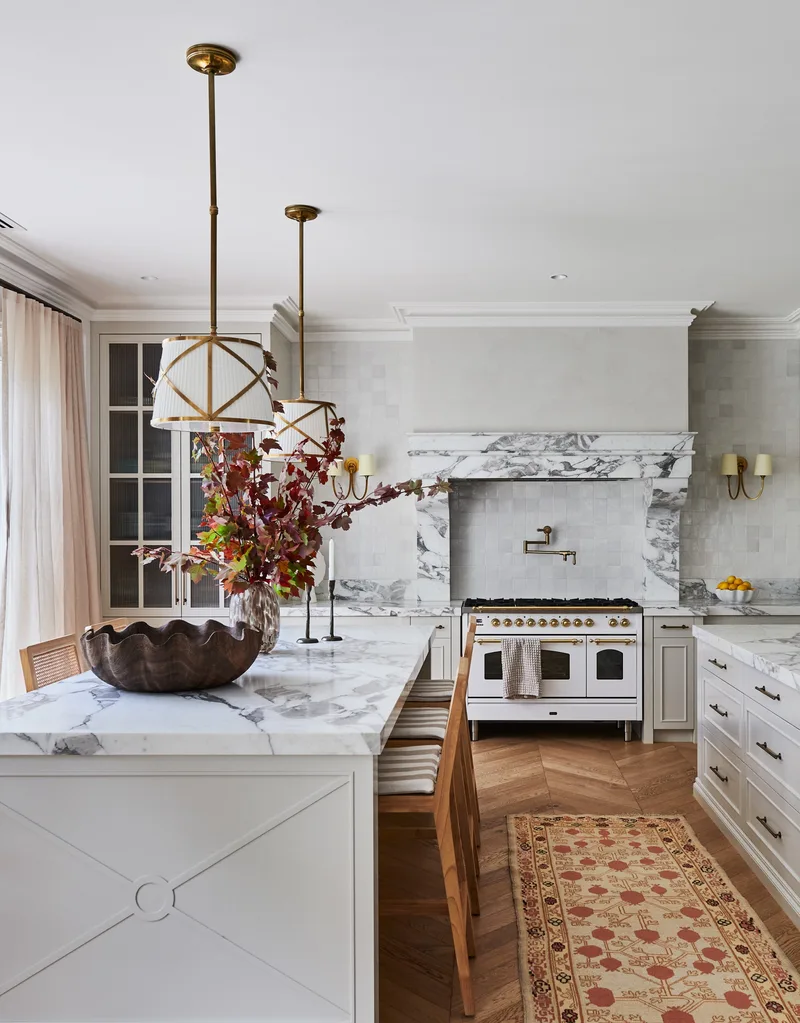
Barbecue season is over so put your pinnies on and head back inside. The colder months are a wonderful time to rediscover the joys of one-pot cooking, enveloped by delicious fragrances. “During winter, the way people shop and cook shifts noticeably,” says Winnings Appliances category expert Colin Jones. “Slow cookers and multicookers continue to be winter staples because they suit the kind of loweffort,
high-comfort meals people crave at this time of year.
Soup blenders are also a strong performer, while bread makers see renewed interest as home cooks embrace the comfort of baking.” He adds that pressure cookers keep a firm hold on our hearts, delivering dishes quickly without compromising on flavour. Modern appliances that work fast with less effort have obvious appeal.
But our hunger for nostalgia is also coming through in the kitchen, whether it’s the cosy charm of a whistling stovetop kettle or the heirloom appeal of cast-iron cookware. “There’s a noticeable return to appliances that feel familiar and comforting,” Colin says.
“Traditional slow cookers, cast-iron cookware and classic stand mixers are all seeing renewed interest. They offer a sense of nostalgia, but they’re also valued for their reliability and longevity – qualities that resonate strongly during the colder months when cooking becomes more ritualistic and home-focused.”
Upholstery
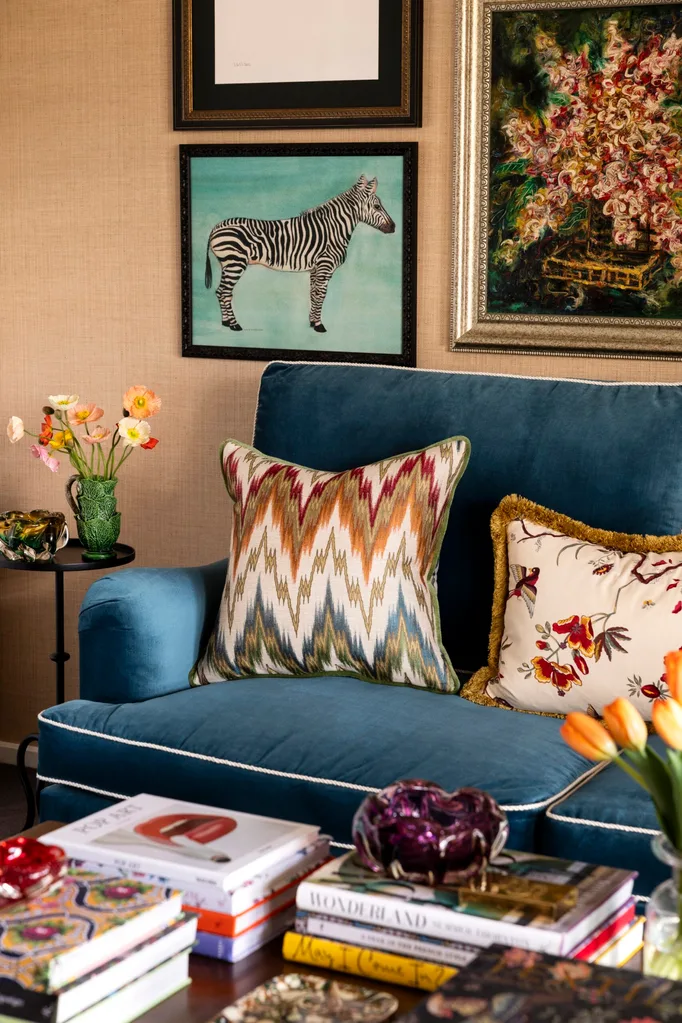
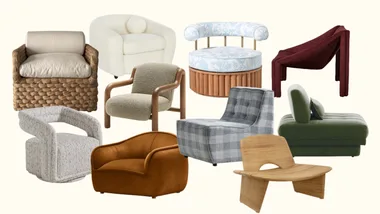
The tactility of fabric can weave the cosiest of spells. Reupholstering furniture is not only a great way to get more life out of a quality piece, but can also elevate a comfy chair into an indulgently textural delight. Choose a fabric by touch – whether fluffy or knobbly, or cool and silky.
Lucy Ovenden, content creator & publisher at James Dunlop says, “Plush textures like velvet and boucle can add richness and comfort, while natural weaves like linen feel minimalist and organic.” Equally important is colour, which sets us up to feel cocooned as we enter a room. “Colour is a powerful design element and can influence our mood. Whether you favour soft neutrals or rich warm tones, choosing colours that you naturally gravitate towards will impart a sense of calm,” says Lucy. “Light colours tend to make smaller rooms feel open and inviting, while darker shades offer richness, depth and dramatic effect.”
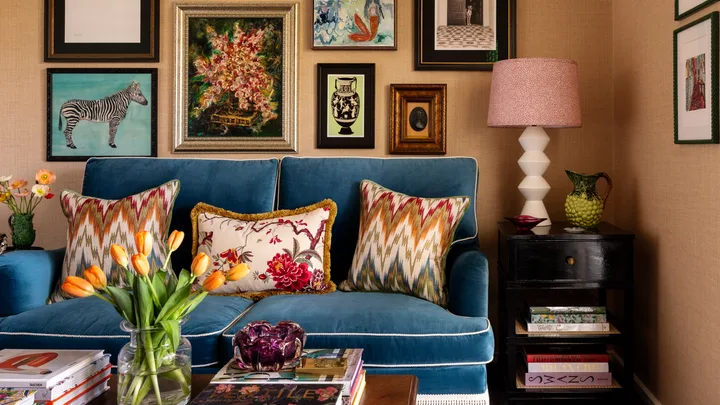
A sofa in a saturated colour adds vibrancy to a space and can be surprisingly easy to work with – denim blues, navy, rust and emerald green can almost work as neutrals, while a hotter colour (burgundy, mustard, yellow and pink) becomes an eye-catching centrepiece and adds instant warmth. Likewise, patterned fabrics can have enormous impact – stripes and plaids are incomparably cosy, while florals and chinoiserie turn furniture into a focal point.
Cushions and throws
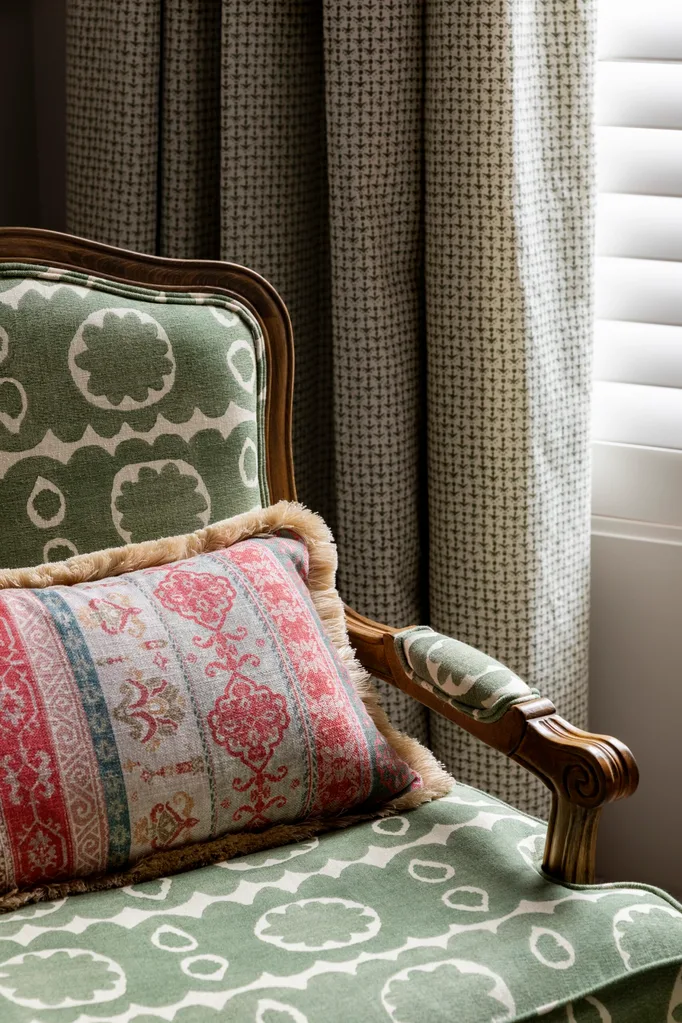
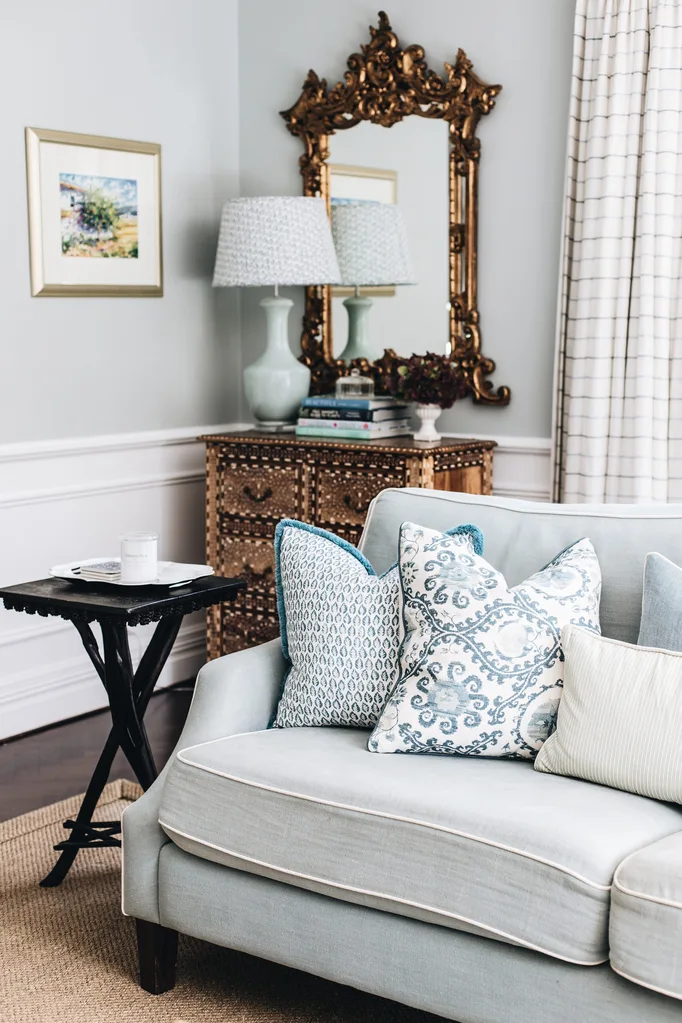
Whether you’re a pillow fluffer or chopper, we can all agree that cushions are humble heroes that add softness, texture, colour and practical support. But as the temperature drops, these accessories come into their own, turning the sofa into a deliciously inviting nest. You want to strike the right balance – enough cushions that you can’t wait to dive in, but not so many that you can’t get up again. Interior designer Sarah McPhee says, “When it comes to numbers, we generally favour odd groupings for sofas.”
She suggests three for an average-sized couch. From there, it’s about striking the right balance with colour and pattern. “We like to use a mix of large, medium and small-scale patterns to add depth while keeping the overall look cohesive,” advises Sarah.
“Colour is personal, but we always suggest choosing tones that make you feel happy. Look to existing artworks or the surrounding landscape for guidance on the palette.” This will look considered and harmonious. Not everyone can be bothered with seasonal swaps and using the same cotton or linen cushions year-round is absolutely fine.
But if you do like a seasonal refresh, Sarah suggests throws made from sumptuous velvets and cosy wools. “Classic wool throws are a simple yet effective way to add warmth and layering in winter.” Whether precision folded in thirds or casually tossed over one sofa arm, an artfully draped throw conjures cosy visions of evenings spent snuggled in front of the telly.
Curtains

Trends in window furnishings ebb and flow, but curtains are forever. Beloved for their practical power to lock in warmth, they add dimension to interiors, as well as all important privacy and light dilution. To get the most out of curtains, make sure they hang beyond the window frame, above and either side. Lucy adds, “Always add linings to provide insulation and body to your fabric. This is especially beneficial if you don’t have double glazing or are wanting to create a voluminous effect.”
Length also makes a difference; truncated curtains look awkwardly like a schoolboy who’s outgrown his trousers – curtains should always reach the floor unless there’s something (like a radiator) in the way. “Curtains which meet the floor provide greater thermal insulation than shorter styles,” says Lucy. As such, she recommends ‘puddling’ linen curtains, a style where the fabric extends 30-50 millimetres beyond the floor, creating a gathered effect at the bottom. This aids warmth as “the fibres move up and down when atmospheric conditions change” explains Lucy, “however, many structured textiles such as cotton velvet look beautiful when they ‘kiss’ the floor” instead of extending quite so far.
Lighting
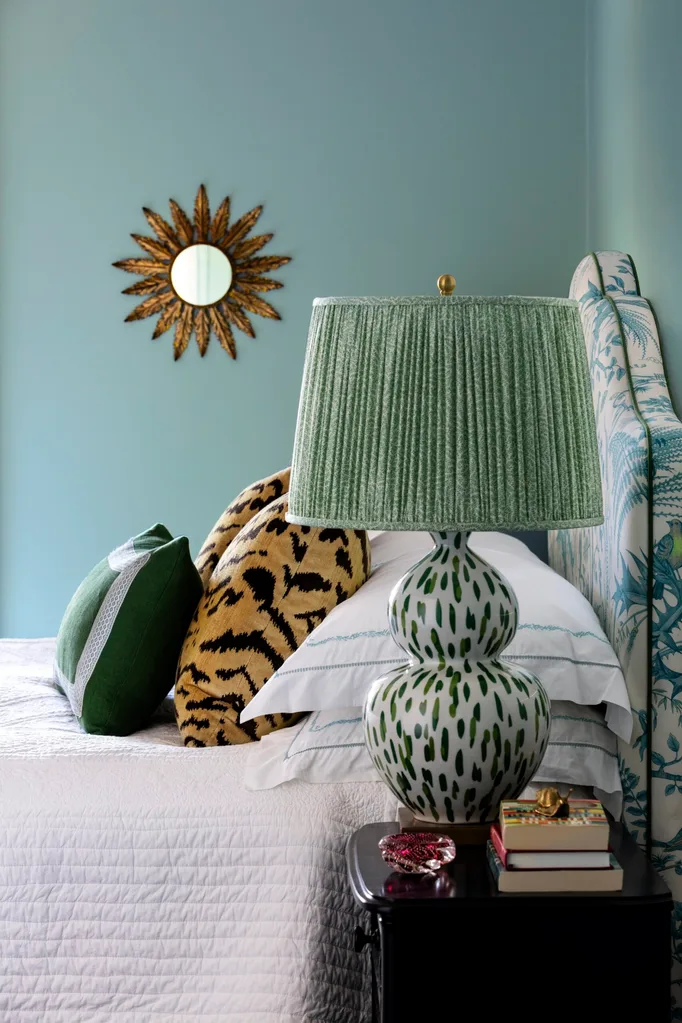
The antidote to long, dark nights is not brutal brightness, but rather a curated selection of light sources, chosen to bathe rooms in a gentle glow. The most important difference is colour temperature – measured
in Kelvins (K). Light below 3000K is considered warm, up to 5000K is neutral (typically best for bathrooms and kitchens), while measures above 5000K are akin to daylight. Sarah explains the effect this has.
“Warm white light is gentle on the eyes and helps create a calm, relaxing atmosphere. Cool white, on the other hand, feels sterile. The higher blue light content can suppress melatonin, making it difficult to sleep.” When it comes to creating ambiences, downlights are traditionally too harsh, though dimmers help enormously. Sarah loves wall sconces and picture lights for casting a soft glow.
But the real lighting MVPs are lamps. “Nothing creates a cosier ambience than lamplight, particularly in winter, when paired with the glow of a fire,” says Sarah.
You don’t need to stick to one lamp – the more the merrier. Position one on a side table next to a sofa, then place a floor lamp alongside an armchair, angled for reading. And, of course, a pair of lamps should bookend the bed. “Scale is key,” she warns. “Too often, lamps are chosen that are too small for a space. They should be tall enough to illuminate a good book comfortably, while still suiting the proportion of the room.”
Candles
“The simple flicker of a candle flame is enough to bring a sense of cosiness to any space,” says Elise Pioch Balzac, founder and creative director of Maison Balzac. Not only are candles an effective way to dial up the toastiness at home, they’re also one of the easiest and most cost-effective. Having said that, the cost of candles can vary wildly, so it’s nice to know what you’re paying for. At the budget end of the spectrum is paraffin wax, which carries scent well but burns quickly and isn’t the most eco friendly. Beeswax is eco-friendly and has a lovely, subtle honey scent; while coconut wax is more expensive again, but burns cleanly, gets a green tick, and holds scent well. More important than wax type, says Elise, is the use of high-grade oils, which result in a noticeably superior fragrance and “scent throw”.
“In terms of scent I believe the warm ones – woody (cedar, sandalwood, oud) or oriental (spices, resin, patchouli) are the best to convey an earthy and grounding feeling,” says Elise. Look to the kitchen for inspiration, too, with sweet and spicy fragrances like cinnamon, vanilla and woody herbs – or orange and cinnamon, like a pomander in candle form.
To the most out of your candles, you want an even burn, without tunnelling. “Let your candle burn for at least one hour on the first burn to allow the pool of melted wax to reach the edge of the vessel, which creates a ‘burn memory’,” says Elise. Trim the wick regularly – after every four hours of burn time – to prevent flickering and smokiness.
Bedding
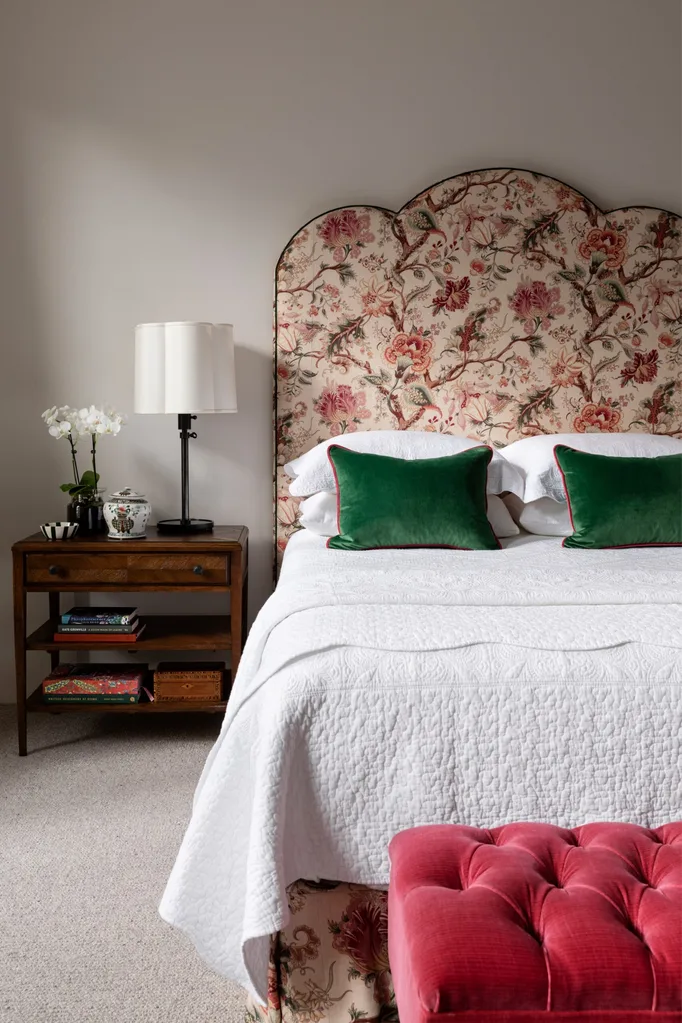
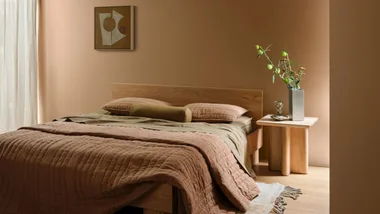
Compared to the sweaty sheets of summer, one of the highlights of the cooler months is the promise of a good night’s sleep. Start with the sheets; linen is the ultimate allrounder, cool in summer and warm in
winter, but for sigh-worthy softness, opt for sheets with a fluffier finish, like cotton jersey (which feels like an over-washed T-shirt) or the nostalgic fleeciness of flannelette.
For those snuggly Sunday mornings and evenings curled up with a good book, a padded bedhead is a must, turning your sleep space into a long-term lounging zone. “Upholstered bedheads are an essential in every bedroom we design,” says Sarah. “They provide a wonderful opportunity to introduce colour, pattern or texture, while also being incredibly comfortable to sit against when reading in bed.”
Want the cloud-soft and impossibly plush appeal often seen in HB? Here’s the inside scoop on getting the look in real life. “If you use a duvet, we always recommend sizing up (for example, a king-size duvet on a queen bed) so it drapes beautifully, creating a full look,” says Sarah. “Scale is equally important with pillows. For king beds, we suggest upgrading to super king pillows to ensure the bed looks well proportioned.”
Finally, finish with accessories – now is the time for rich, saturated colours and tactile fabrics like velvet, boucle or wool. Drape a throw or quilt across the end of the bed for extra warmth on chilly nights, and layer a few extra cushions – two or three is enough.

Related stories
Native ad body.

Native ad body.
Native ad body.