


 Photography: Tim O'Connor
Looking for bedding ideas that deliver on the promise of a peaceful slumber? As the most personal pocket of our homes, a thoughtfully composed bed with inviting layers of sheets, quilts and pillows can buffer against daily stresses and increase wellbeing.
“People are embracing ways to turn their bedrooms into cosy sanctuaries, where they feel cocooned and safe,” explains Meghan McGann, head of brand at MyHouse and House.

Fabrications across all categories are leaning towards tactile and natural bed linen that feel oh-so-good to touch. “There is a yearning for new and interesting textures,” says Christie Maartensz, head of homewares at Freedom, where vintage washes and quilting are key.
When it comes to prioritising your bedding budget, interior designer Lisa Burdus makes an excellent point. “I wouldn’t scrimp on sheets,” she says. “You are in them for eight hours every day – you want to be comfortable!” Christie agrees, noting: “There is nothing like getting into a beautifully dressed bed that is also really comfortable.”
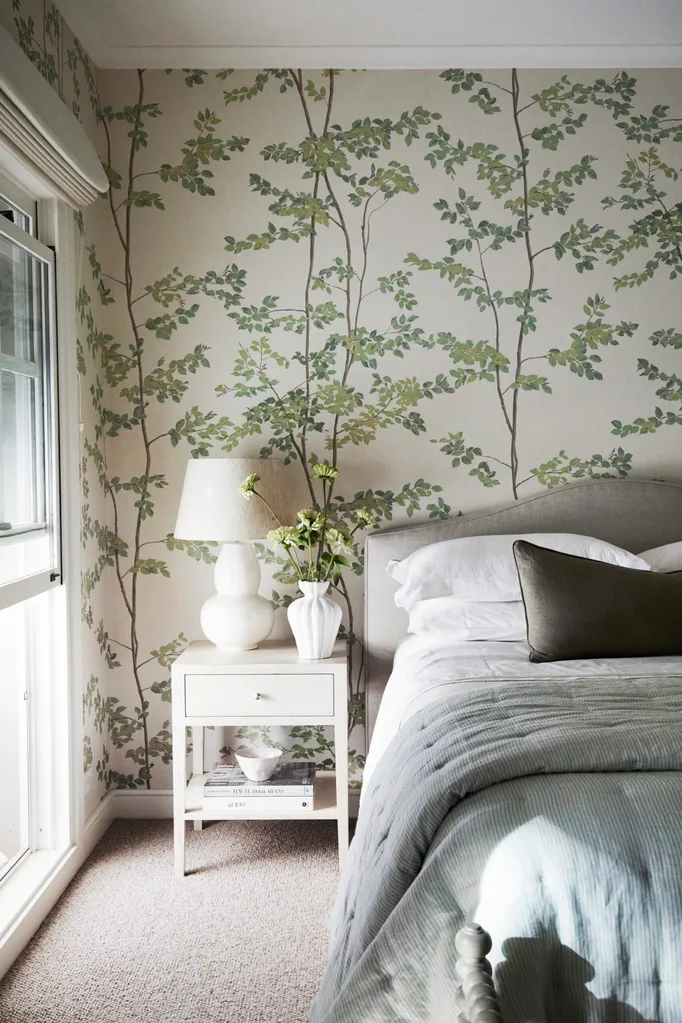
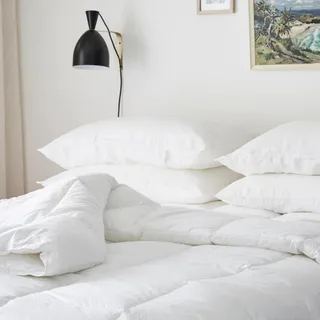
Essential bedding layers
So what layers make up a complete set of bedding? A well-made bed begins with three essential layers, plus pillows:
- Fitted sheet
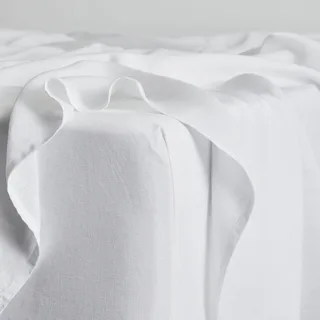
- Flat or top sheet (here’s why you should always use a flat sheet)
- Quilt or duvet (with a cover)
Optional bedding layers
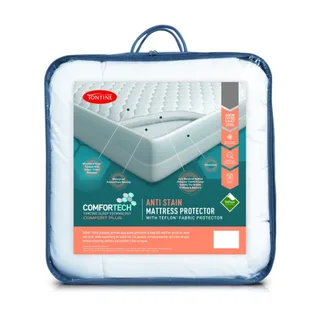
- Mattress protector
- Electric blanket
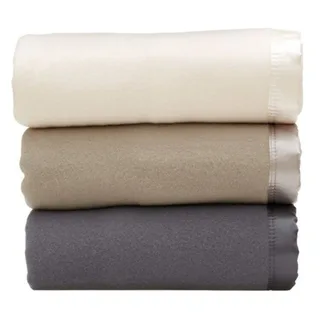
- Thermal blanket between the flat sheet and duvet (for adding warmth and weight during colder months)
- Coverlet which can either cover the entire bed, or folded in half at the end of the bed
- Throw blanket to drape over the foot of the bed
- Decorative throw cushions
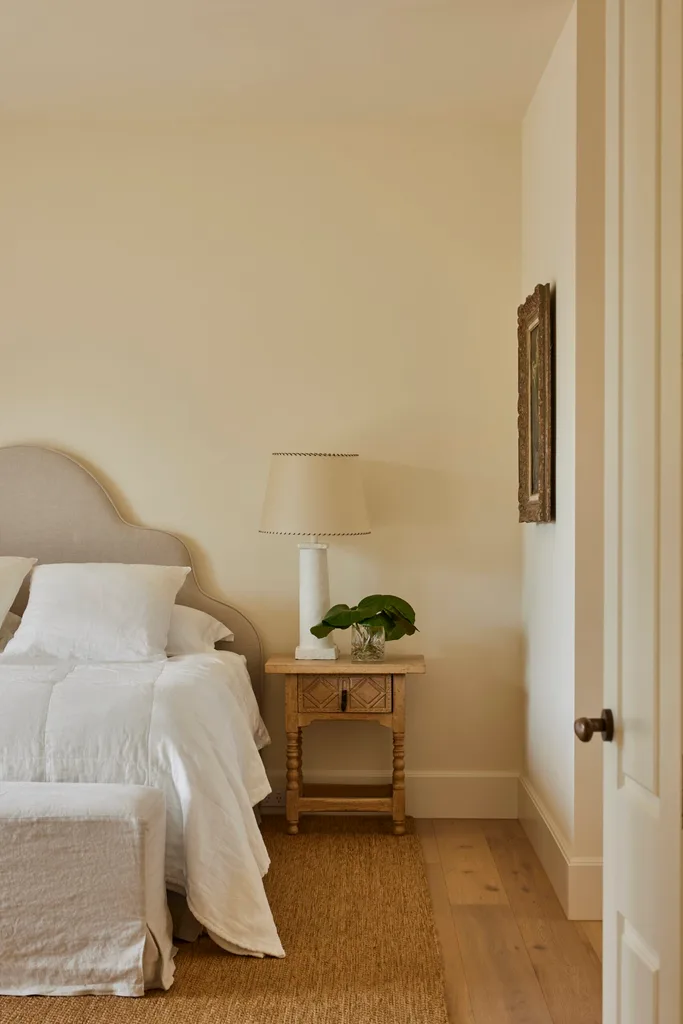
Duvets and quilt covers
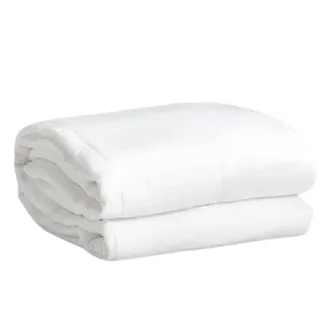
Choosing a duvet (often called a doona or quilt) that matches your sleep habits and body is crucial for comfort and restorative rest.
What type of duvet filling is best? Bamboo fill is perfect for allergy sufferers, as it’s naturally antibacterial and resistant to dust mites and mould. It’s also temperature-regulating, so great for all seasons. Luxe down and feather fills are natural insulators, with pure down considered superior to feather, which is reflected in the price. Wool is a heavier option with thermo-regulation and moisture-wicking abilities – perfect for winter. Cotton fill is easy-care, lightweight and ideal for summer snoozes, while synthetic and microfibre fills are affordable and typically machine-washable.
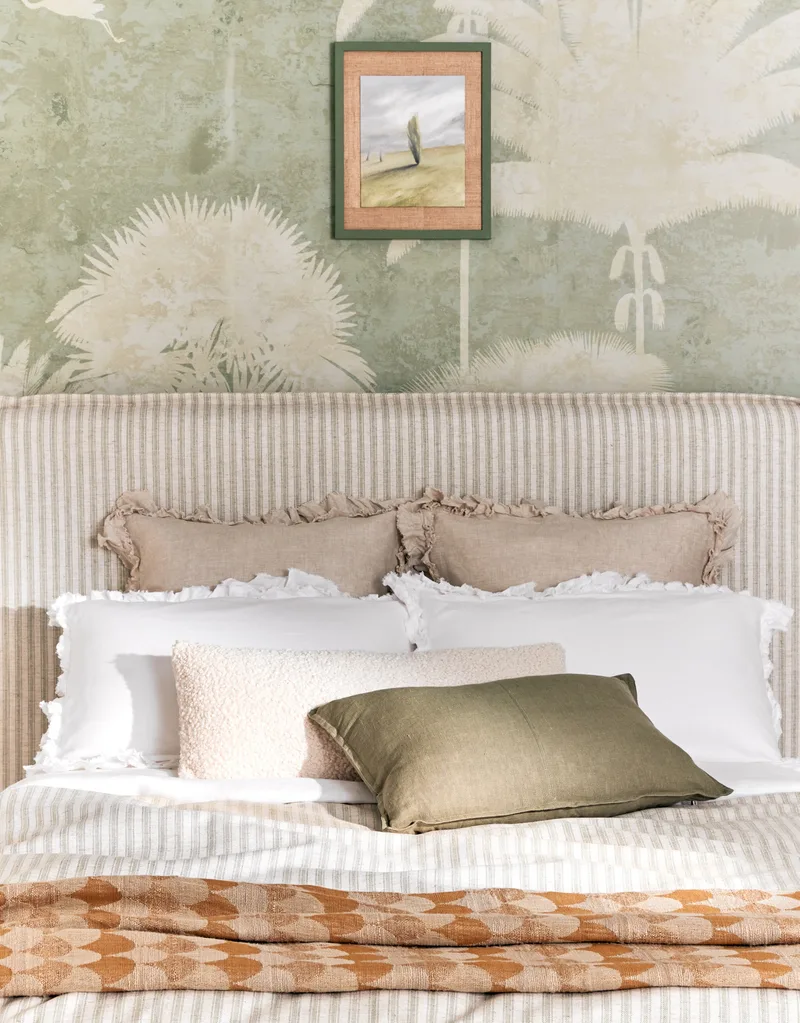
What is GSM in bedding? GSM refers to the weight of your duvet, in grams per square meter. A 150- to 250-GSM duvet is light and breathable, best in summer and for hot sleepers. A GSM of 300 to 400 is versatile, offering all-season comfort, while 450 and above keeps even cold sleepers toasty warm in winter. GSM is different to a duvet’s loft, which relates to its height, or how thick it looks on your bed – a high-loft duvet is the key to a luxuriously styled bed. Need a lighter option? Try a coverlet.
Bedding layers



What is a bed skirt?
While a valance or bed skirt is technically an optional layer, for interior designer Lisa Burdus, they are a vital component of a beautiful bedroom. “It really is one of the most underutilised things out there, but it’s like shoes completing an outfit – it’s an important anchor piece,” she says.
Decorative cushions
Meghan favours Euro cushions over smaller throw pillows. “We always like to use Euros in our styling because it gives the bed a sense of height, authority and volume,” she says.




How to layer bedding like an expert
- Ensure your quilt and pillow inserts are evenly distributed in their covers and puffed up. Upsize your quilt cover and outer bedding layers to get a generous drape. Got a queen-sized bed? Go king!
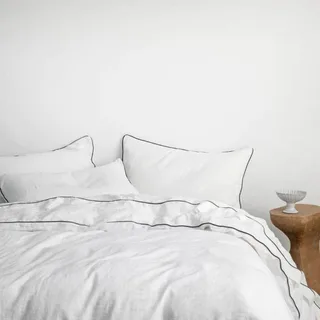
- Add a valance and then pull a fitted sheet over your mattress, smoothing down all creases. Follow this with a flat sheet, laying the print or piping detail face-down.
- Position your duvet or coverlet so there is an even overhang. Cuff this outer layer by folding the flat sheet over it at the head of the bed, for a hit of colour or pattern.
- Lay the pillows flat and stacked for a modern look, or prop them up against a tall headboard. Euro cushions placed behind the pillows add softness and height variation. A fail-safe cushion combination is two square cushions sitting upright with a smaller rectangular or bolster cushion centred in front.
- Fold a blanket or additional coverlet over the end third of the bed for a neat finish, or loosen up the look with a casually draped throw.

We’ve got the answers to all your bedding cleaning and maintenance questions.
How often to clean bedding
“Ideally, bedding should be washed weekly,” says Terri. “It keeps the sleep environment feeling fresh and is one of the simplest ways to maintain a clean, comfortable bedroom.” It also aids the longevity of your sheets by preventing the build-up of oils, skin cells and dust mites. Use a mild detergent and a gentle or delicate washing cycle with cool to warm water, adjusting the temperature according to fabric type. For example, silk, wool and bamboo sheets can suffer shrinkage and fading in warm or hot water.
Sheets made from natural fibres such as silk or linen may require special care when laundering.
How often to clean pillows and mattress protectors
For pillows, it depends on how often you’re washing the cases and how soiled the pillows are getting. Assuming you don’t go to bed with wet hair (which can cause mildew) and that you wash your pillowcases weekly, once every six months should do the trick. However, our mattress protectors do a lot of heavy lifting and need more frequent cleaning. Terri recommends washing these every four to six weeks.
How to store bedding
Good ventilation and an organised approach are essential for bedlinen storage bliss. Pop neatly folded sheet sets into their matching pillowcases before placing them into your linen cupboard. “For households with different-sized beds, it’s a good idea to dedicate different shelves to the various sizes so they are easier to find,” says Meghan.
Best bedding colours
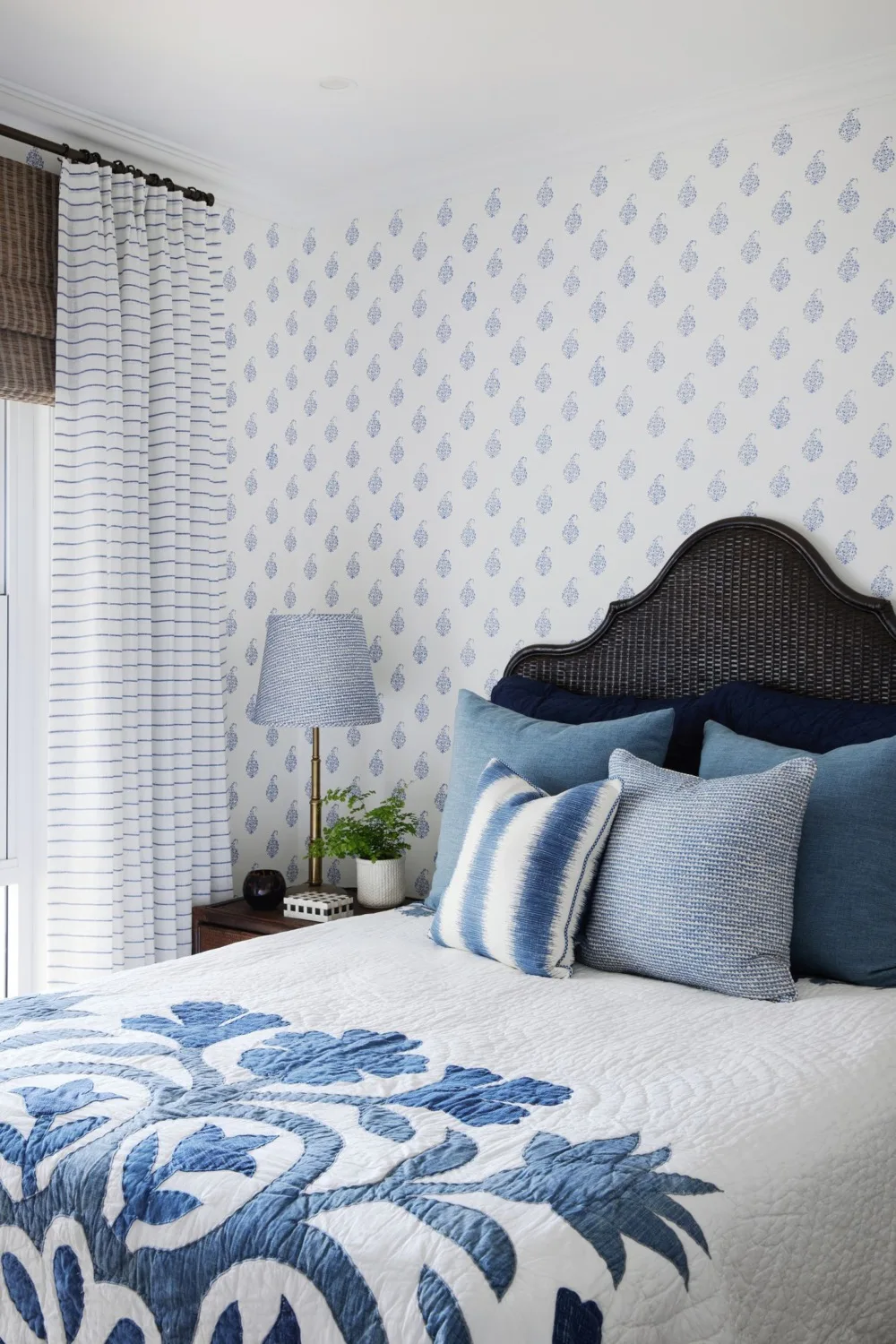
While our experts report that muted blues and greens are trending, it’s important to personalise your space with the colours you love. Draw palette inspiration from existing elements in the room, such as the art or rug, but don’t let that limit you.
“Throw in something offbeat,” says Lisa, explaining that the unexpected twist will add a punch of personality. If you stick to white sheets and duvet sets, it’s easy to experiment with colour by updating the cushions and throws.
How to style patterned bedding
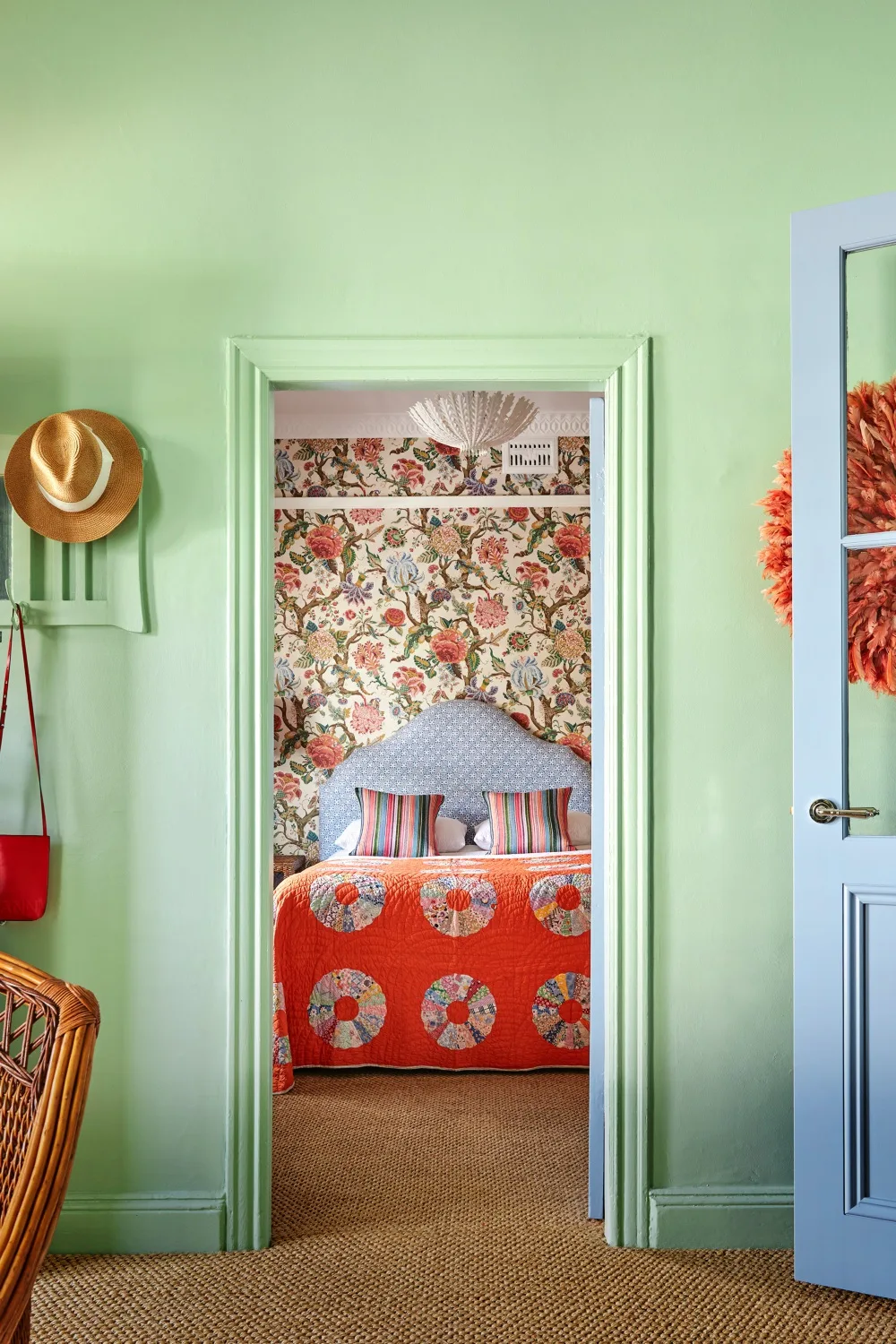
Perturbed by pattern? Interior designer Lisa can help you here. “It’s about the scale of the pattern and using patterns at different heights in the room,” she says. “It’s basically about repetition, but not necessarily matching patterns in a strict colour scheme.”
Lisa will often unify the look with patterned lampshades on the bedsides. Add in block colours to break up the prints – and if you prefer a monochromatic, pattern-free look, Christie from Freedom suggests contrasting the textures to create depth.

Be the first to read this story by subscribing to Home Beautiful magazine

