 Getty
Getty
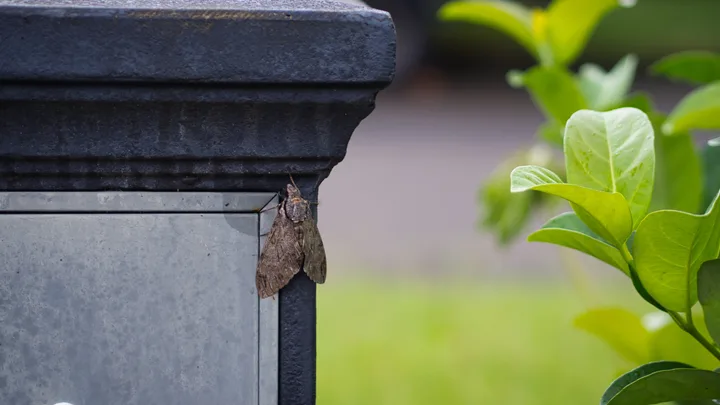
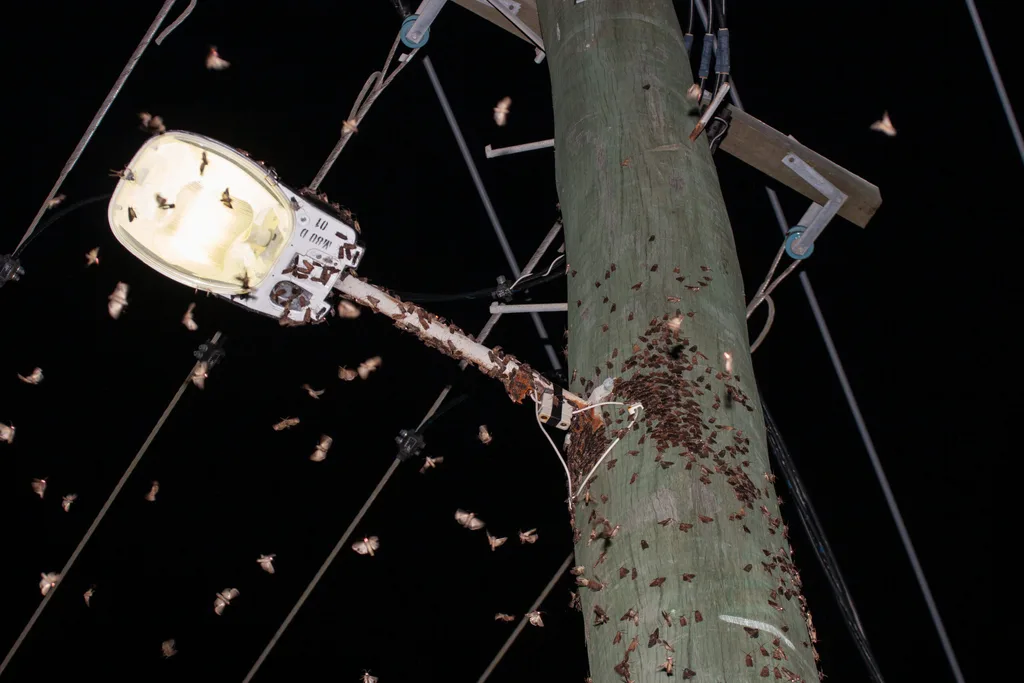
Over the past week, residents of New South Wales have experienced an influx of unwelcome and unexpected visitors. The culprits are moths. Bogong moths, to be exact. While the swarm hasn’t quite reached biblical proportions, it’s safe to say people are confused and alarmed. But there’s no need to get your antennae in a twist; we’ve answered all of your burning bogong questions.
NEED TO KNOW
- What are bogong moths?
- Where do bogong moths come from?
- Why are bogong moths suddenly all over NSW?
- Are bogong moths dangerous?
- What to do if you see a bogong moth?
What are bogong moths?
Bogong moths are a type of moth that is native to Australia. They specifically belong to the Noctuidae family, which encompasses tens of thousands of species of moths.
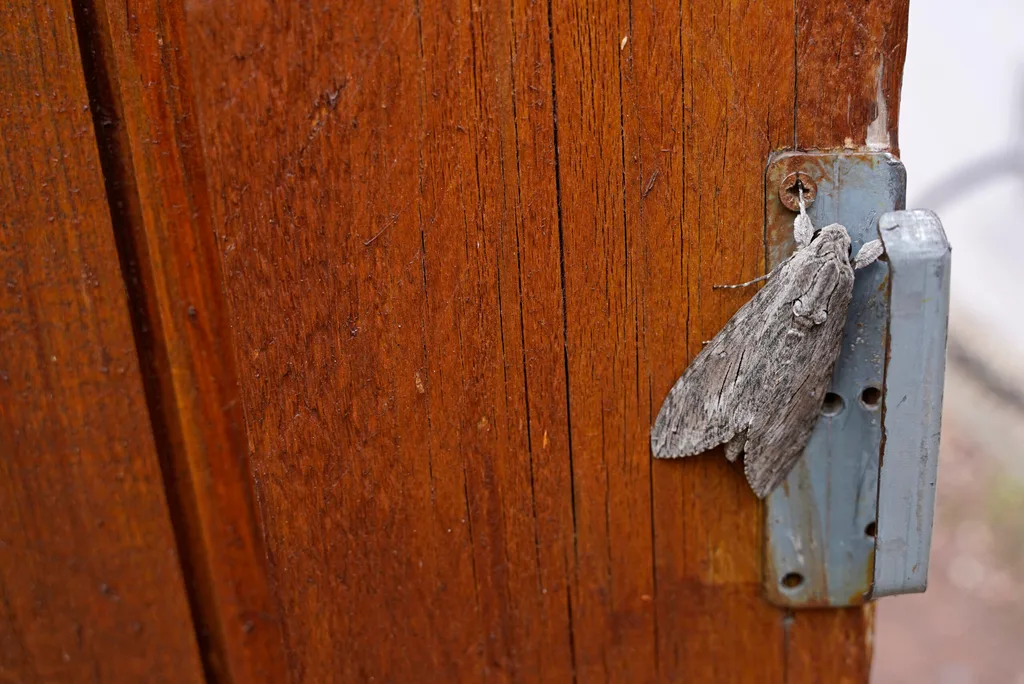
Bogong moths have a wingspan of 4-5cm and are roughly the same size as a 50 cent piece. When I started working on this article, I wrote that these insects are alarmingly big. However, this isn’t factually correct. There are species of moth, such as the giant wood moth, that have wingspans which reach up to 16cm. That is… terrifying. Still, for your average Sydney resident, and in my personal opinion, bogong moths seem pretty huge.
Where do bogong moths come from?
Bogong moths come from non-tropical regions in Australia. This includes NSW, the ACT, western Victoria, parts of South Australia and even southern Queensland. They breed in these areas and then migrate.
Why are bogong moths suddenly all over NSW?
Bogong moths are currently heading off on an alpine adventure (the rest of us should be so lucky). They are completing an annual migration to the Australian Alps and Snowy Mountains, where they will escape the summer months and rest. Here, they will also become a vital food source for other animals, including the critically endangered mountain pygmy-possum.
Are bogong moths dangerous?
We have quite the global reputation for dangerous animals here in Australia but they are thankfully completely harmless. Unlike regular moths, they’re not even harmful to clothing.
What do bongong moths eat?
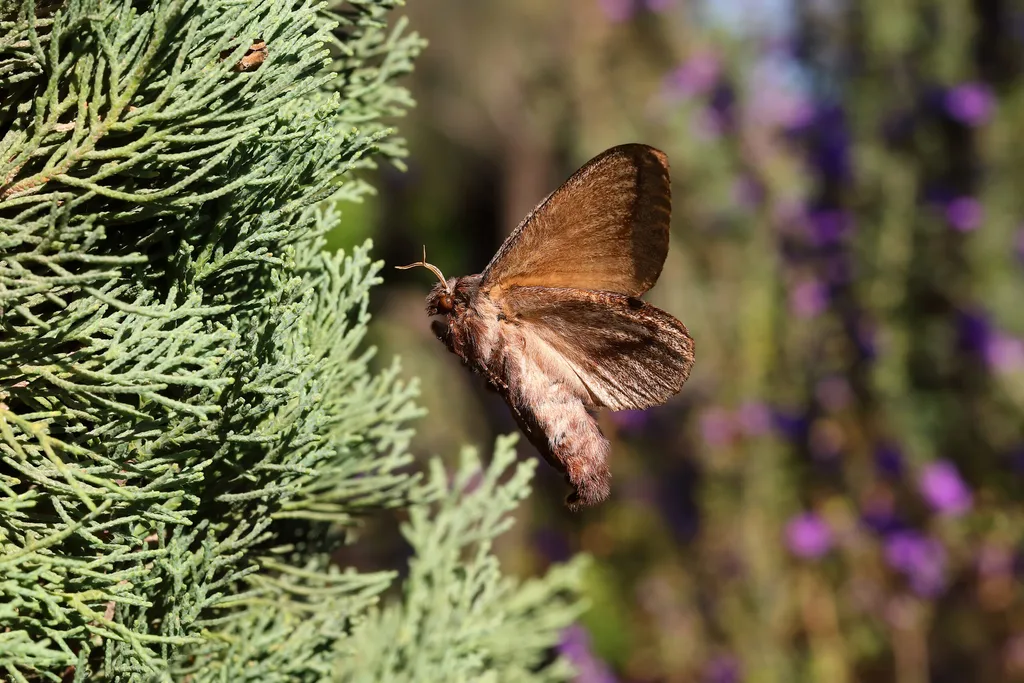
If they don’t eat clothes, then what do they eat? As caterpillars, they feed on plants at ground level. Later in life, they feed off the nectar on native plants.
Are they endangered?
Sadly, they are endangered (which is why experts are warning people not to kill them if you find one in your home or workplace).
Drought and climate change, in particular warming temperatures, have led to a decrease in the bogong moth population since the 1980s. But the most significant population drop came in 2017 when the numbers fell by as much as 99.5 per cent.
What to do if you see a bogong moth?
Please do not kill these completely harmless and endangered moths. If you don’t like insects then simply think of the mountain pygmy-possums that desperately need this food.
Instead of reaching for the bug spray or fly swatter, turn the lights off (the moths will be less confused in the dark) and guide the moth towards an open door or window.
Now if you really want an environmental gold star then you can track your sighting at the following websites. Simply upload a photo of the moth to Moth Tracker or Bogong Watch via iNaturalist.

Related stories

Native ad body.
Native ad body.



Native ad body.