Megan Morton
Design-savvy travellers today chase more than landmarks; they collect inspiration. Once upon a time we crossed oceans to escape our homes; now we fly to improve them. Interior design and travel have become so intertwined that a chic café is research, a hotel lobby is a lesson in proportion, and a well-styled Airbnb is practically a masterclass in aesthetics, culture and craft.
Design-literate wanderers are swapping landmarks for lifestyle inspo, collecting ideas from concept stores, design fairs, and makers’ markets along the way. From Tokyo’s lacquered minimalism to India’s maximalist silks, every city tells a visual story — its architecture, materials and markets revealing how people live, make and dream.
Whether you’re chasing Mexico City’s exuberance or the quiet confidence of Copenhagen, these six design destinations prove that the world’s most exciting souvenirs are ideas.
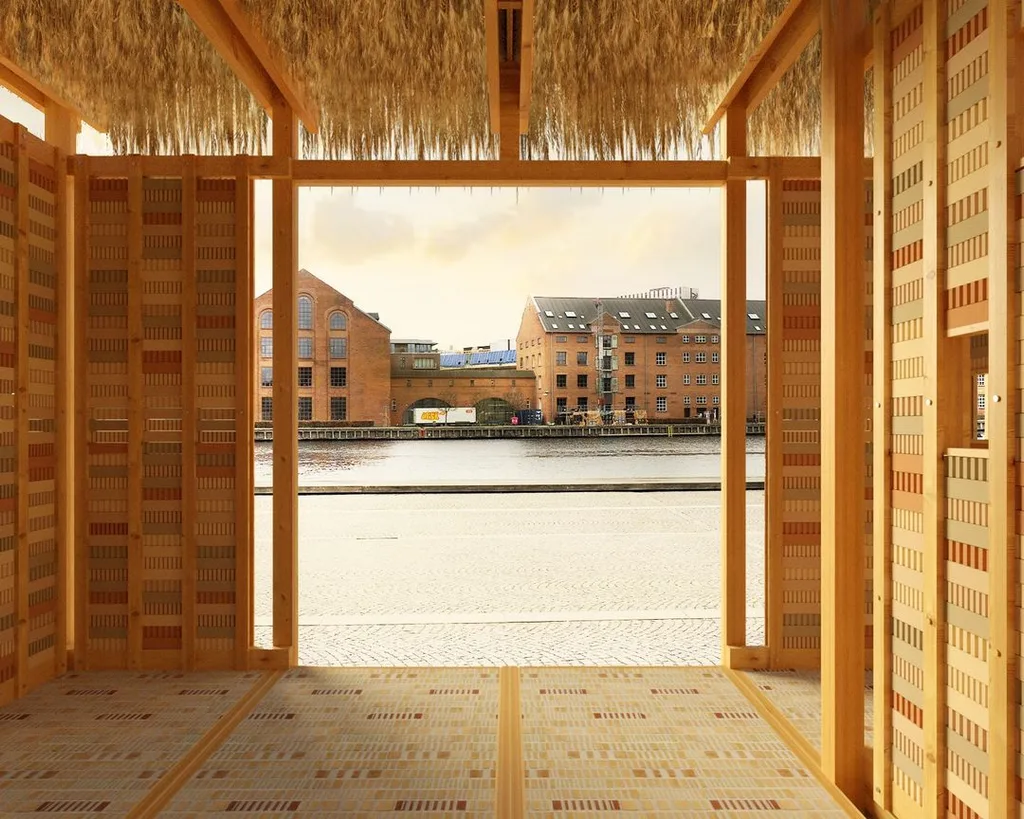
1. Copenhagen, Denmark
Copenhagen remains the global benchmark for design that feels effortless. Its interiors merge function with feeling — soft woods, sculptural lighting and neutral tones that never fall flat. Danish design isn’t just a look, it’s a lifestyle: democratic, enduring and built around calm.
The city hums with design landmarks, from Arne Jacobsen’s SAS Royal Hotel to contemporary galleries in Vesterbro. Cafés are near-perfect compositions of blond timber and candlelight, and even bike sheds seem to have been designed by an architect.
Look for:
- Modernist icons reborn at Carl Hansen & Søn, Muuto and Hay House.
- Copenhagen Architecture Festival (October), where design meets urban storytelling.
- Atelier September and other pared-back cafés that epitomise “hygge” made modern.
- Ceramics and homewares at Studio Arhoj, a cult stop for collectors.
2. Tokyo, Japan
Tokyo’s design scene is where past and future negotiate to a perfectly balanced result. Centuries-old craftsmanship coexists with neon-lit futurism, giving the city’s interiors their magnetic clarity. Whether you’re wandering the wooden lanes of Yanaka or inside a minimalist boutique hotel in Shibuya, every detail is intentional.
Japanese interiors prize restraint — light, texture, silence. Even the packaging of a pastry reveals design discipline. The city’s creative pulse runs through its concept stores, architectural icons and design cafés that double as art spaces.
Look for:
- Art, craft and cooking classes that allow a deep dive on local culture, such as Pigment Tokyo.
- Nakameguro neighbourhood’s concept stores — think vintage store J’antiques, Tokyobike Shop, or 1LDK Apartments, which draws an aesthetic comparison with Muji.
- Handcrafted ceramics in Aoyama and Daikanyama, where craft and minimalism meet.
- While in Tokyo, visit Oeda Antique Market, open every first and third Sunday.
- Seasonal palettes — muted neutrals and indigo blues — to translate into your own interiors.
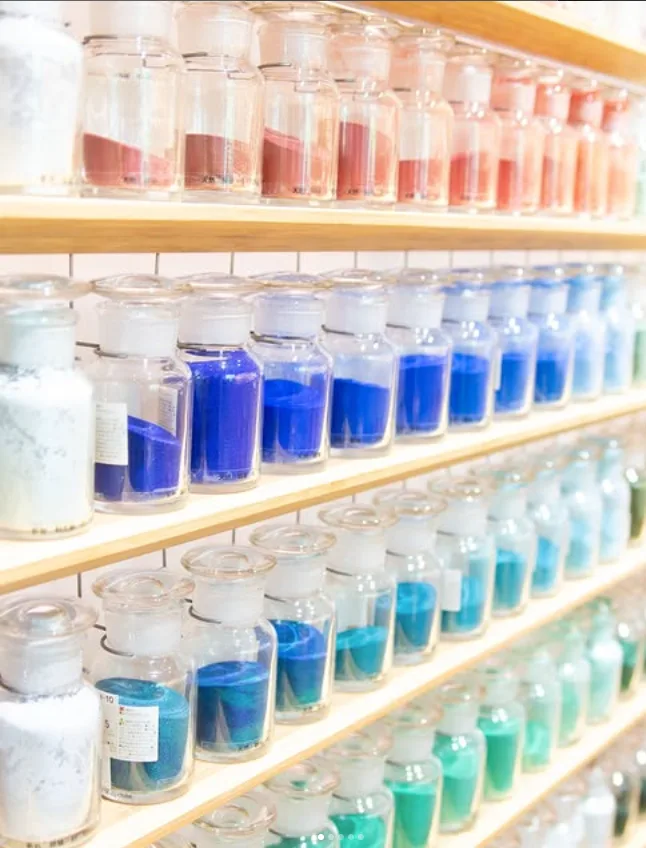
3. Mexico City, Mexico
Mexico City has become one of the world’s most talked-about design destinations — a riot of colour, material and mid-century charm. The city’s creative lineage runs from Luis Barragán’s architectural mastery to the current wave of designers fusing heritage crafts with contemporary form.
Design here is emotional. Tiles are vibrant, furniture sculptural, and every wall seems to hum in pink, ochre or terracotta. The energy feels global yet grounded — an aesthetic that’s both joyful and intellectual.
Look for:
- Casa Gilardi, Barragán’s masterwork of colour, geometry and natural light.
- La Roma and Condesa districts for boutique design stores and furniture studios.
- Mercado de Artesanías La Ciudadela, brimming with ceramics, textiles and folk art.
- Stay at Condesa DF or Casa Pani for design inspiration in motion.
4. Jaipur, India
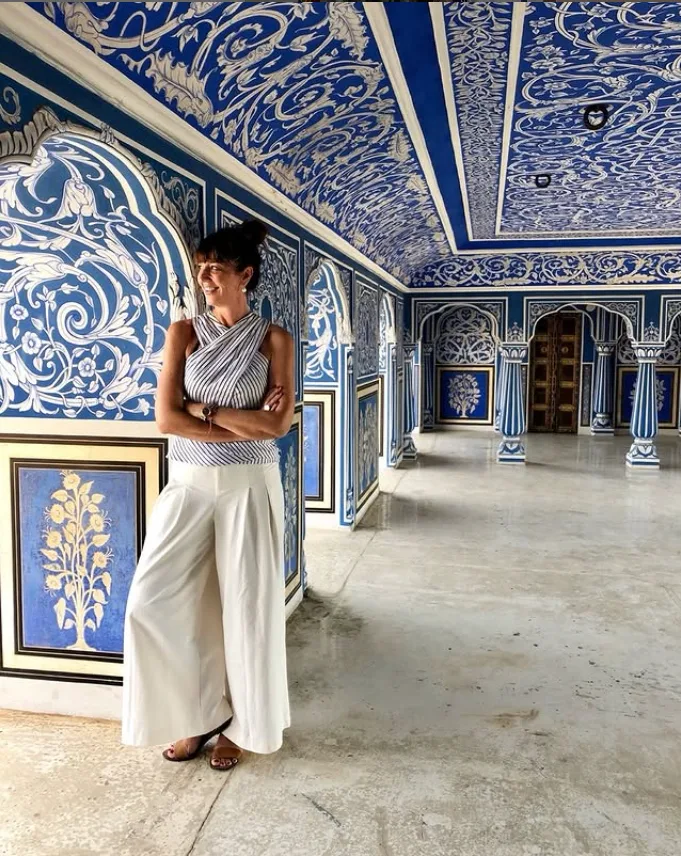
If Copenhagen whispers, Jaipur sings. Known as India’s “Pink City,” it’s where artistry meets exuberance — block-printed fabrics, handwoven silks, intricate marble inlay and colours so lush they seem lit from within. Interiors here are maximalist in the most refined way, layered with pattern, craft and story.
The city’s ateliers and markets are treasure troves: tasselled textiles, brass trays, embroidered cushions and hand-painted ceramics. Jaipur’s craft heritage dates back centuries, and many family workshops still operate much as they did in the days of the Maharajas. The School, founded by Australian stylist and entrepreneur Megan Morton, has taken over 440 people over the past 10 years to Jaipur on design and styling trips.
Look for:
- Johari Bazaar for precious and semi-precious stone jewellery and Bapu Bazaar for textiles, silks and Rajasthani crafts.
- Anokhi Museum of Hand Printing, a design lover’s essential.
- Gem Palace and Good Earth for opulent, modern Indian homewares.
- Colour palettes — dusty rose, saffron, indigo — to weave into your own decor.
5. Marrakech, Morrocco
Marrakech is sensory overload in the best possible way. Terracotta riads open onto tiled courtyards, brass lanterns cast lacework shadows, and the air smells faintly of orange blossom. Design here is tactile and ancient: zellige tiles, carved wood, woven rugs and tadelakt plaster walls that glow at sunset.
It’s also one of the world’s top destinations for interiors shopping, from souks to contemporary studios reinterpreting Moroccan craft for a modern home. The result is a style that’s both grounded and global — earth and glamour in one breath.
Look for:
- The Medina’s souks, particularly Souk Semmarine, for handwoven textiles and rugs.
- Maison de la Photographie and El Fenn, where design meets artful living.
- Artisans working in tadelakt, Morocco’s burnished lime plaster finish.
- Local design studios like LRNCE, blending traditional motifs with contemporary form.
6. Cape Town, South Africa
Cape Town’s design language is built on contrasts — African heritage meets global modernism, raw material meets refined craftsmanship. The city’s creative energy is palpable, from Woodstock’s art warehouses to coastal villas that frame Table Mountain through minimalist glass.
This is where tribal pattern, contemporary furniture and sustainable design intertwine. African design is having a global renaissance, and Cape Town sits at its heart, producing pieces that are textural, natural and proudly local. Stay at retreat Kruijd, just outside Cape Town, which inspires visitors to slow down (a luxury, to be sure).
No matter where you are in South Africa, look our for the endless woven items, from artisan baskets to elaborate floor rugs, telephone wire bowls woven in myriad colours and patterns.
Look for:
- Southern Guild Gallery for collectible South African furniture and art.
- Woodstock Exchange and Neighbourgoods Market, hubs of creative enterprise.
- Woven baskets and wall hangings from Zenzulu or Gone Rural.
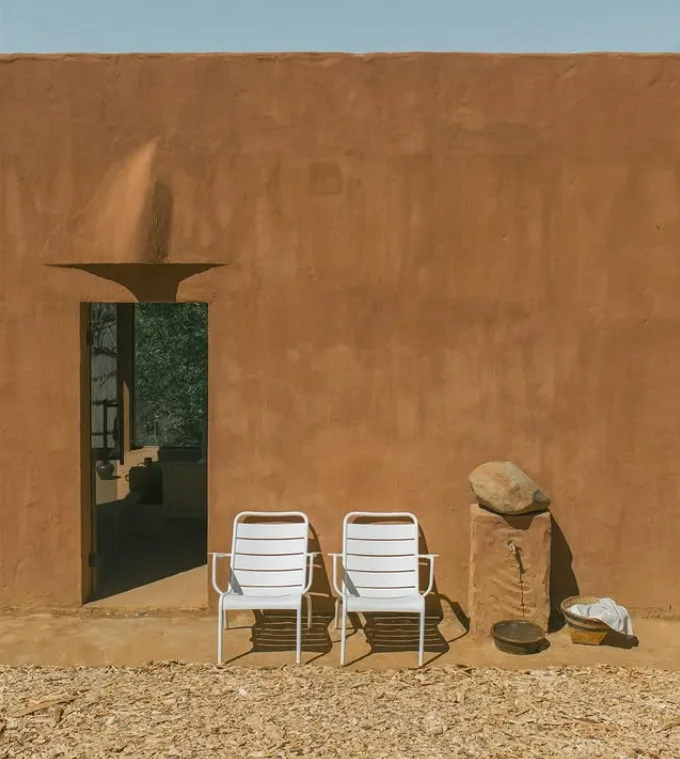
- Neutral, tactile palettes — clay, ochre, raffia, sisal — to bring the mood home.
Each of these destinations offers more than visual beauty — they reveal the values embedded in design. Whether you’re drawn to Tokyo’s precision or Jaipur’s exuberance, travel can become an education in texture, proportion and place.
Return home with stories, not souvenirs: a palette, a fabric, a philosophy. Because in 2025, decorating tells a tale of a life lived large, one forged – often imperfectly – through the adventures we’ve taken, the people we have met, and the creative inspiration we’ve had the joy of discovering.
Travel tip
Always declare your treasures as you come through customs to avoid heavy fines.


Related stories

Native ad body.
Native ad body.
Native ad body.