


 Photography: Brigid Arnott
When it comes to garden design, there are some styles that are more controversial than others. And as it turns out, those with a green thumb are a passionate bunch.
Planning your dream garden can be difficult, especially if you’re torn between styles. The argument can feel similar to the discussions about Type A and Type B personalities. A garden that’s beautiful in its structure and symmetry to some can feel like a cage to others. And the styles that are wilder and free-flowing can give some people anxiety.
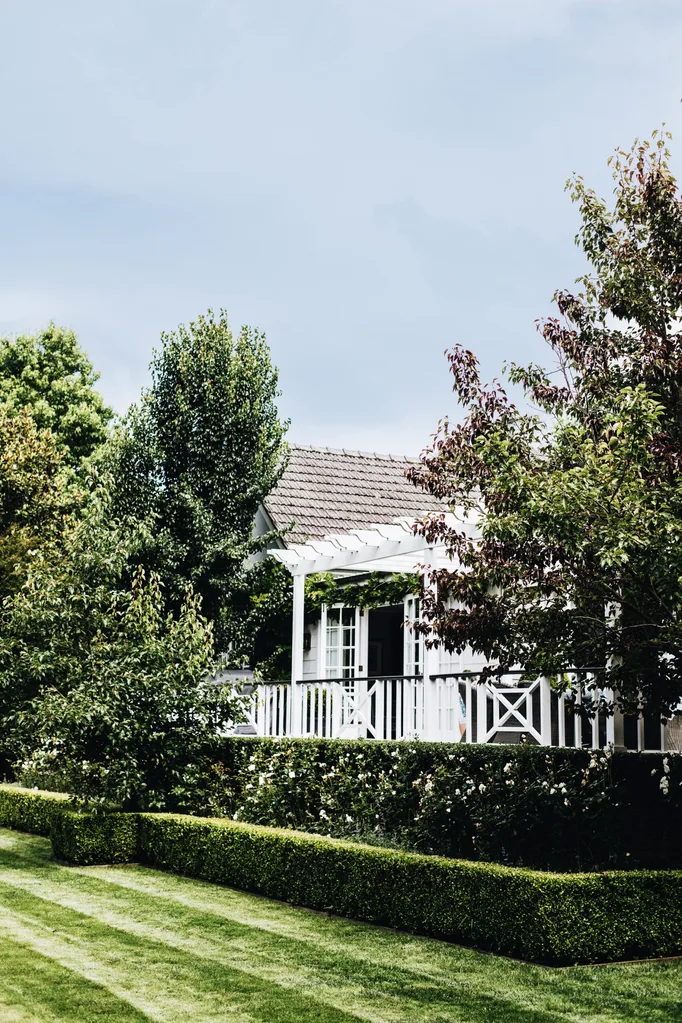
The controversial garden design style
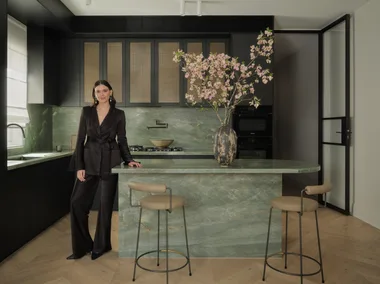
The heated garden design rivalry came to a head recently when Steph Ottavio, designer and founder of Japandi Estate, opened up about the garden in her recently renovated home. Steph, who is one half of beloved The Block duo Steph and Gian, was chatting to Home Beautiful editor Elle Lovelock on The Edit podcast.
“You walk into our gate and there’s definitely an array of plants,” Steph said. “I’m not an ordered hedge person.” That’s when Elle confessed, “Oh God, I am. I love a neat hedge.”
Listen to Steph Ottavio on The Edit podcast:
Elle went on to say that she has a hedge trimmer and maintains topiaries in the garden of her Victorian worker’s cottage. Steph was supportive and specified, “I love that for you.” But she did add, “No, it’s too structured. The garden grows where it grows.”
“The plants have to be organised but clustered. Different textures, different colours within the same palette.” – Steph Ottavio

The debate continued on social media. Fresh from celebrating the 200th episode of Selling Houses Australia, the show’s co-host and landscape expert Dennis Scott commented: “If you have a hedge, it needs to be in order.” When Elle replied, saying she couldn’t agree more, he elaborated, adding, “It’s not about structure. It’s about the aesthetics and what the plant deserves.”
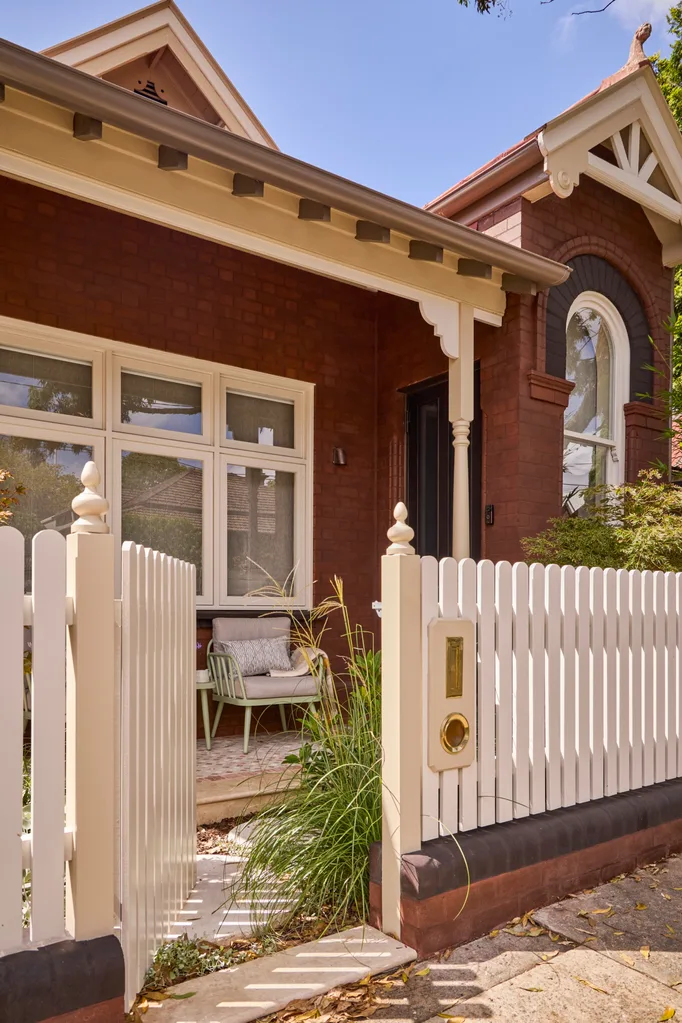
It might seem surprising that hedges can cause such division but it also makes sense. Everyone loves a manicured outdoor space but the straight lines and perfect shapes feel difficult to maintain. Then you have the free-flowing look. It’s colourful and whimsical but some find it chaotic.
Are our preconceptions about these styles of garden design wrong? Are hedges actually high maintenance and are wilder gardens messy? We spoke to the experts to find out.
The beauty of wild gardens
To get to the bottom of this two-sided controversy, we spoke to experts who prefer to live on the wild side. Think a more free-flowing, organic beauty to plantings.
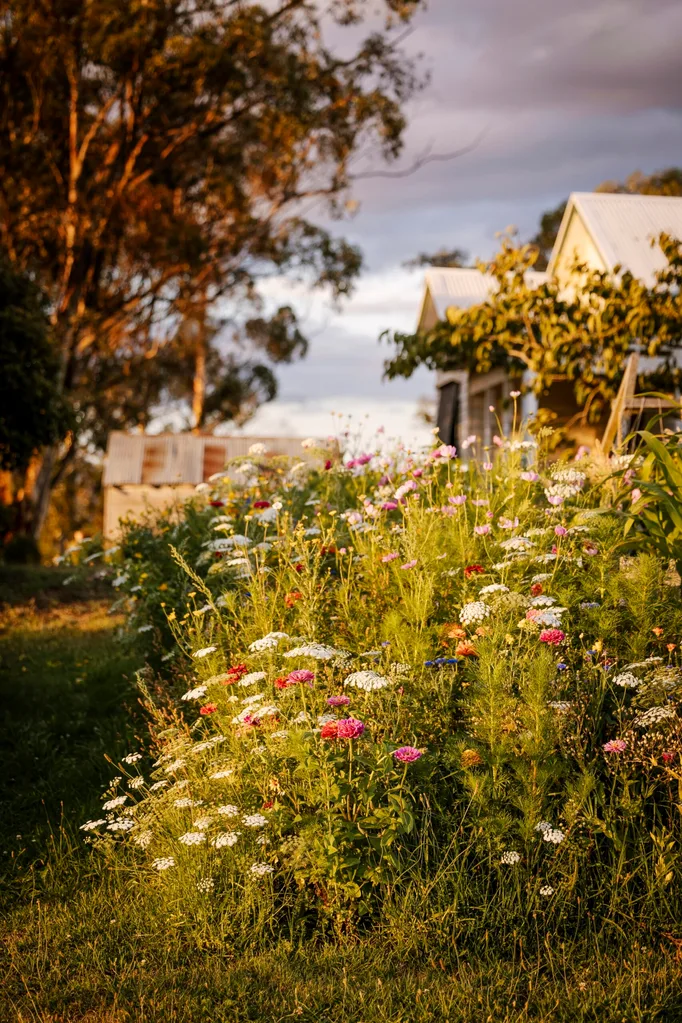
Firstly, Steph weighed in again. “A truly timeless garden embraces a softer and more organic relationship with nature,” she said. “Rather than relying on overly structured or heavily manicured forms, the approach celebrates texture, asymmetry and natural flow – creating spaces that feel calm, intentional and effortlessly lived-in.”
And it’s clear to see that this style echoes the relaxed and organic appeal of Steph’s interiors. She continued, “It reflects a design ethos centered around the beauty of imperfection: environments that feel refined without losing their natural form, authenticity and connection to the natural world.”
A landscape designer weighs in

We couldn’t discuss naturalist gardens without getting the expert opinion of Tim Pilgrim. The landscape designer is known for untamed gardens that feel wild and wonderful. Think long grasses that move elegantly, creating gentle arches in the wind and meandering paths bordered with colourful plants of different heights, textures and shapes.
While Tim loved what Steph said on the podcast, he did add that while naturalistic gardens look wild, there’s a lot of structure underpinning them. “It’s about layering, texture and colour but structure provides balance, rhythm and contrast,” he explained.

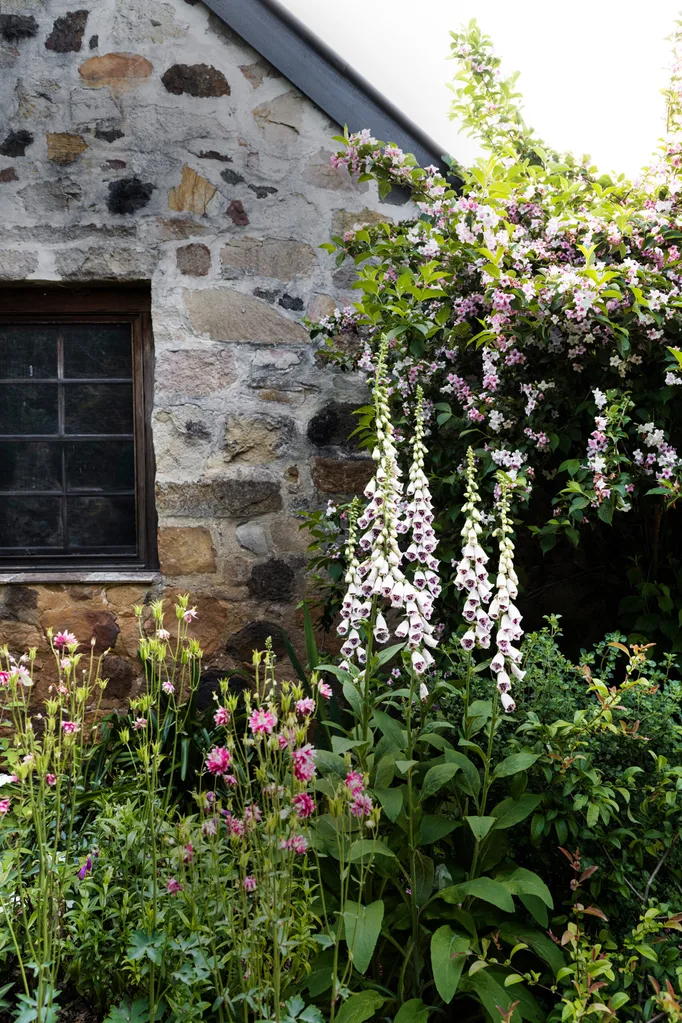
It should come as no surprise that people who love a soft, romantic garden style can wax lyrical about the beauty and benefits of it. “I love the wilder side because it feels honest and resilient,” explains Tim. “The movement of grasses and perennials let the seasons highlight elements like wind, frost, dew and the literal buzz of a garden that’s left to stand past its prime, into winter decay. It captures these elements, as well as the habitat, food and shelter they provide to the rest of the living things that use these spaces.”
“It connects us back to nature, where things aren’t perfectly manicured” – Tim Pilgrim
Writer’s note: For what it’s worth, this charming garden style has had my heart ever since I saw Miss Honey’s cottage garden in the 1996 movie adaptation of Matilda.
Why people love hedges
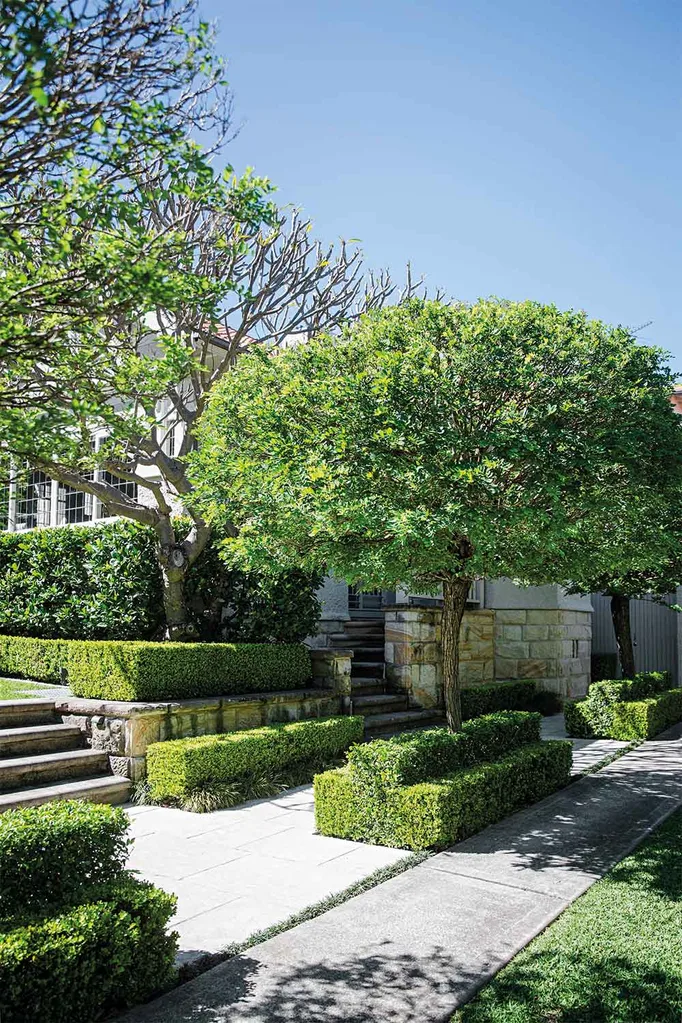
Now that we’ve looked into the wild and wonderful naturalistic gardens, it’s only fair we consider those who prefer an organised garden, filled with structured boxes and rows of neat hedges.
For Home Beautiful Editor-in-chief Elle, it’s all about control (what can we say, she’s the boss for a reason). “I like to control parts of my environment and hedges give me that opportunity,” she admits. “I can border, I can contain through different heights, different widths, and I love the precision of a hedge.” She adds she has an obsession with her small hedge trimmer.
“It’s surprisingly quick to maintain a hedge and incredibly satisfying” – Elle Lovelock
When it comes to her topiaries (of which she has eight), no leaf is allowed out of line. “If there’s a sprout here or there – I don’t think so. I’m keeping that shape,” she says. Elle also adds that she believes hedges present a beautiful, neat and natural way to contain more wild plantings.
Why hedges work perfectly in small gardens
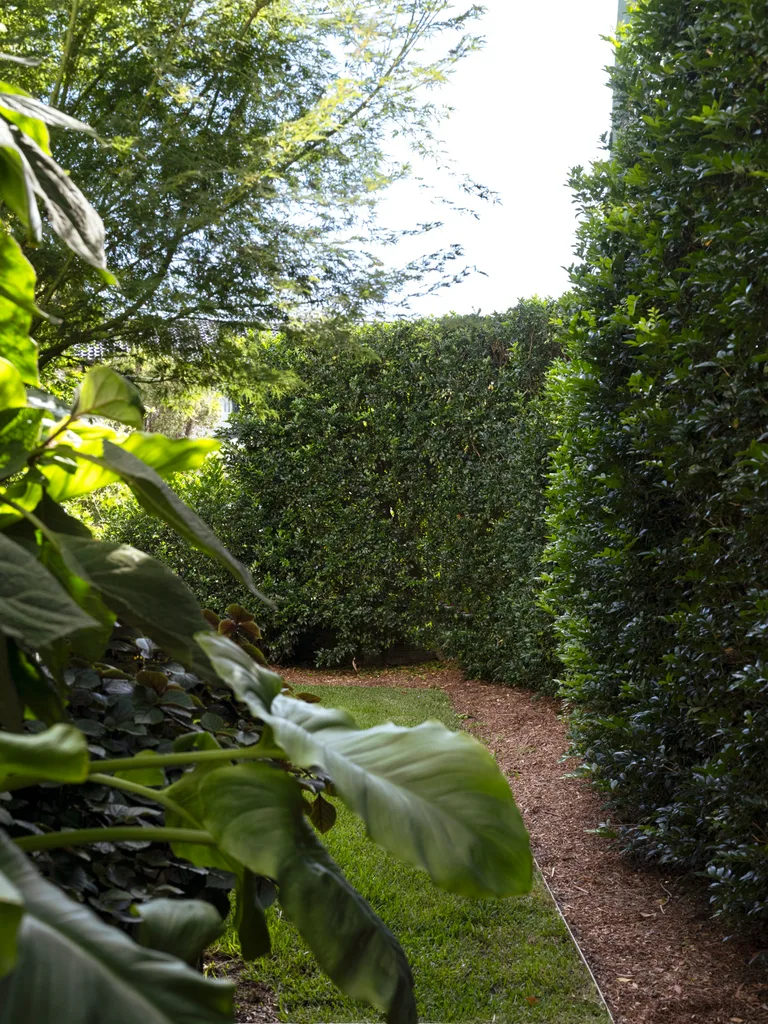
For Elle, one of the benefits of hedges and topiaries is how well they fit in her compact garden. “It’s very small, which is also why I like hedging and topiaries. You can keep them contained.”
Just like with naturalistic gardens, Elle layers her garden beds. Her outdoor space has a mix of topiaries in round and teardrop shapes as well as topiary stands (the kind that look like lollipops).

“Then mixed in between I plant seasonally,” she explains. Her hydrangeas are in bloom throughout summer; the freesias come up during winter and early spring; then the topiaries are evergreens. “They always bring shape and structure to the garden while seasonal plantings bring softness, colour and excitement. You never know what will do well and what won’t.”
Dennis Scott, who owns Lush Landscape Solutions in addition to co-hosting Selling Houses Australia, couldn’t agree more. “Just because you’ve got a hedge doesn’t mean your whole garden needs to feel as if it’s in that contemporary sort of style. You can still have a relaxed feel to your garden, but you’ve just got a bit of structure to it.”
Common hedging myths debunked
Unfortunately, this controversial planting style has a bit of a reputation problem. According to Dennis, hedges are seriously misunderstood.
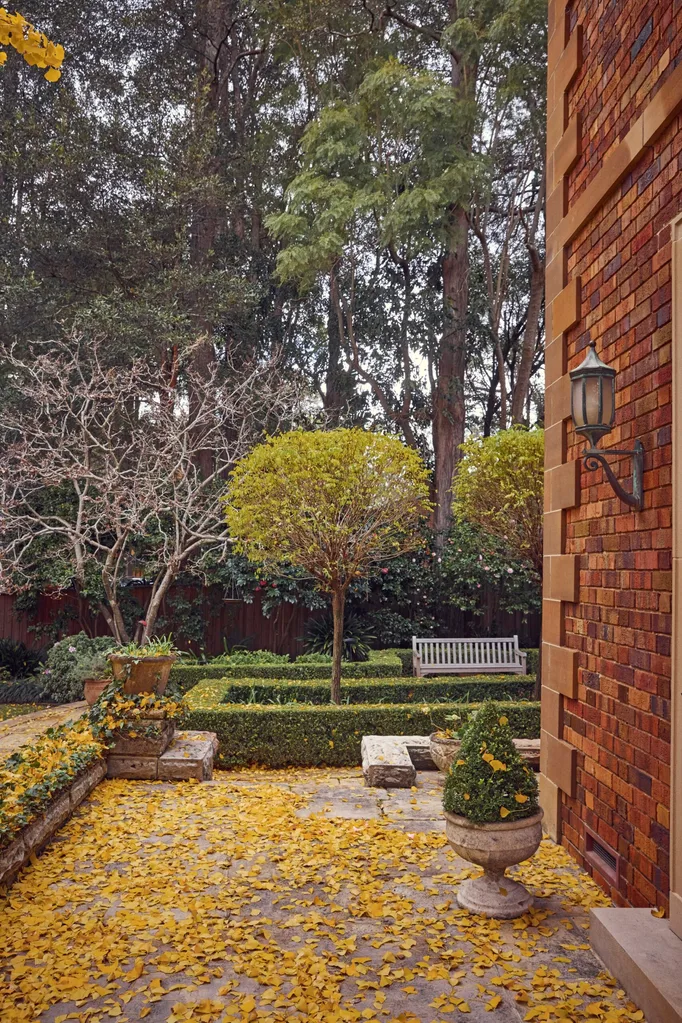
“The main thing that I think people get wrong about hedges is that they’re extremely high-maintenance,” he says. “They really are not a high-maintenance thing. Once you’ve got an established hedge, you really only have to trim it probably three, maximum four times a year.”
With this small amount of upkeep, you enjoy a range of benefits. Hedges can add beauty to the boundary of a garden path, create a sense of privacy, block noise from the street and even soften fences. That’s all before you get into the sculptural and sometimes symmetrical beauty of this garden style.
“They’re such a beautiful plant and a beautiful asset to a garden” – Dennis Scott
For beginners, Dennis recommends two simple steps. “Get yourself a good hedge trimmer – something that’s not too heavy. Battery-operated is probably the ideal way to go. When pruning a hedge, I recommend little and often, because you can always take more off. Unfortunately, you can’t put it back on if you’ve gone too far.”
Can the two garden styles co-exist?
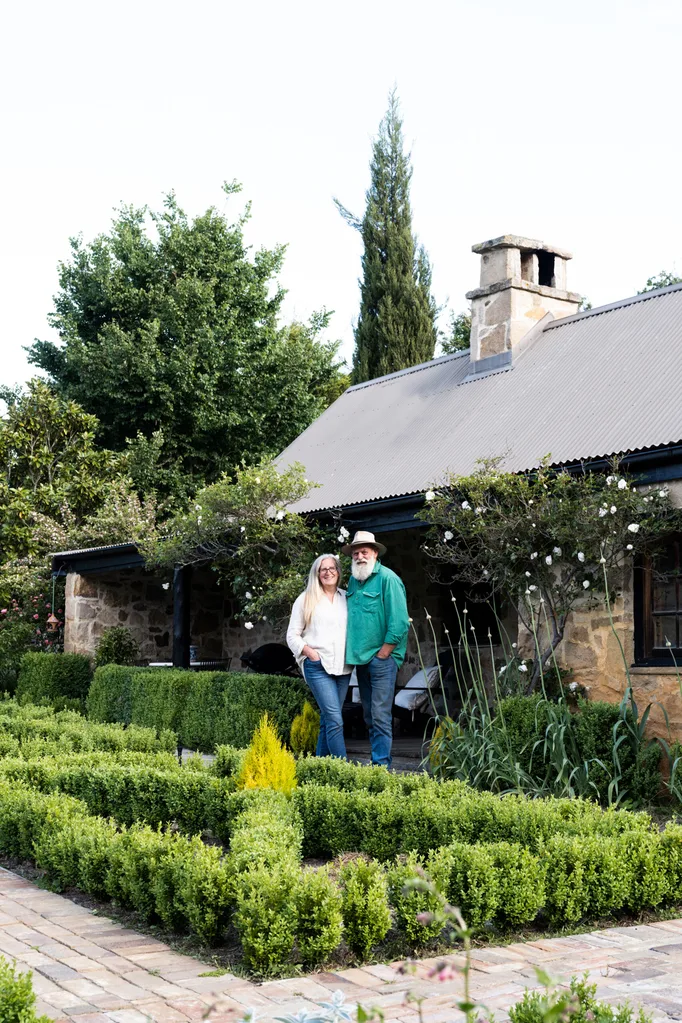
Thankfully, both Tim Pilgrim and Dennis Scott agree that hedges aren’t really in conflict with naturalistic gardens. In fact, the two can co-exist. “Structured hedging and topiary aren’t really at odds with my style, they just serve a different purpose,” admits Tim. “They provide the framework, the bone structure, that allows the softer, wilder planting to shine without looking messy.”
So how do you marry these two garden design styles? Tim outlines, “The key is clear delineation. Use the structured elements (hedges, paths, hardscaping) to define the boundaries, and then let the softer planting spill over and through those boundaries in drifts. It creates that beautiful tension between order and chaos.”
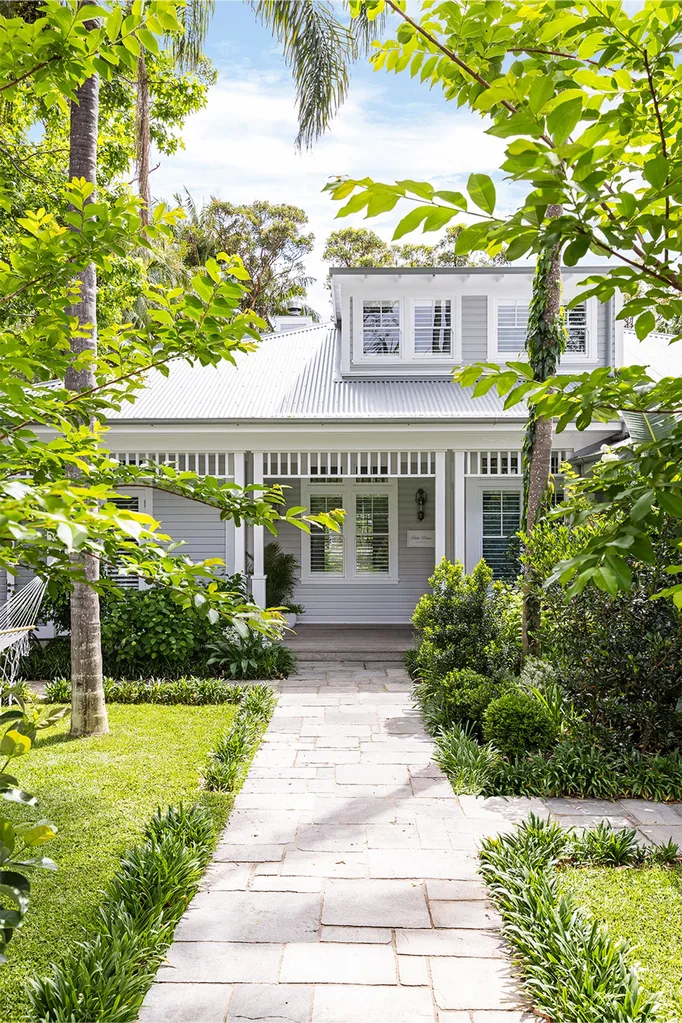
Dennis agrees. “You can have both. You can have structure, and free-flowing and organic, and I think it is a perfect blend.” But Dennis does have a word of warning. Just like he wrote on Home Beautiful‘s Instagram post, you can’t let a hedge get sloppy (especially now you know how easy it is to maintain). “In my eyes, if you’ve got a hedge, you’ve got to give it some due justice and give it a trim so that it is nice and proportional and very well-maintained.”
At the end of the day, as Dennis reminds us, “It’s your garden. Plant what you want to plant because you’re the one that has to enjoy it and you’re the one that needs to get that satisfaction of what you’ve done.”

