


 Photography: Marnie Hawson
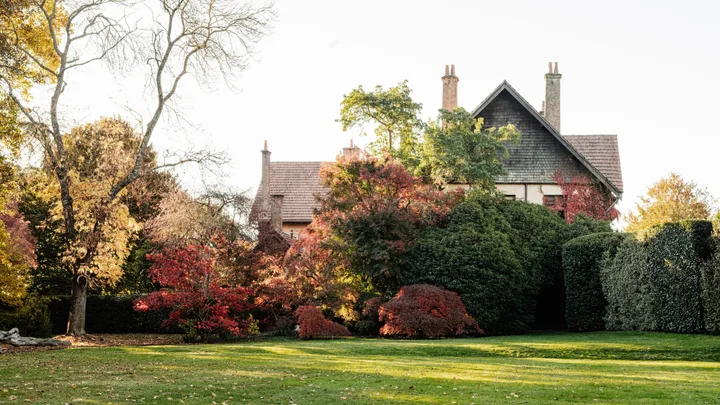
In terms of our post-colonial history and the recency of federation, Australia is a relative infant. Yet standing in Wombat Park Estate, in Daylesford, one is enveloped by a sense of the ancient. This is especially true when the garden transforms during autumn. There’s incomprehensibly tall trees like towering giants and rare, prehistoric pines as well as a leaf-carpeted forest which has a primeval tranquility.
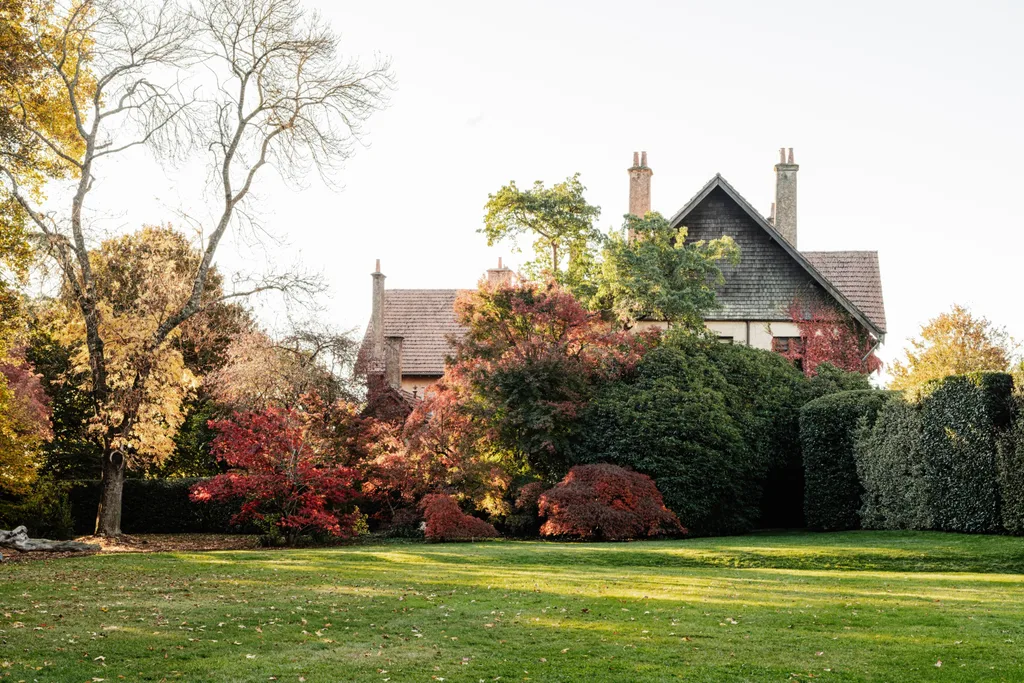
The property’s history is indeed venerable by antipodean standards, born in 1854, from the future-focused vision of grazier William Stanbridge. Almost two centuries on from that first imaginative investment of tender saplings, Wombat Park Estate has grown into a vast arboretum.
It houses trees significant for their size and age, and also singular specimens, including a rare Mexican pine nut and three Wollemi pines, botanical dinosaurs once thought to be extinct.
Meet the custodians of the heritage garden
Such a property requires custodians rather than mere owners and Theresa and Tony fit the bill.
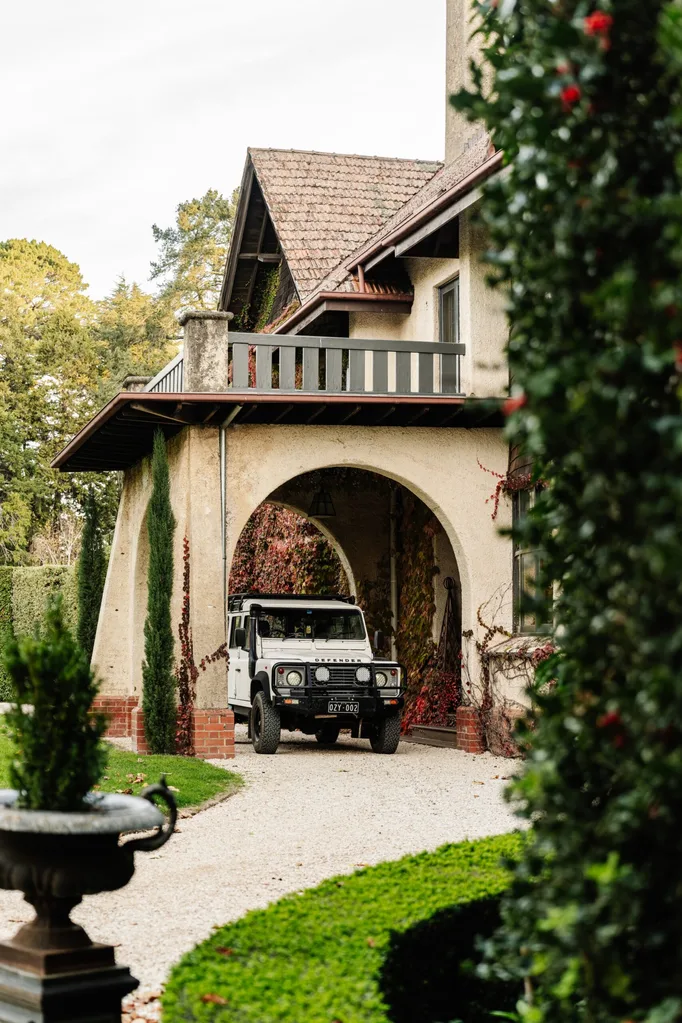
Farmers, with experience operating at scale, the couple also owns The Houses Hotel Group, which comprises accommodations throughout regional Victoria. The homestead could be glimpsed from their previous Daylesford home and Theresa says, “We fell in love with it.”
After purchasing the 101-hectare property in 2021, Theresa and Tony became only the third owners of the estate.
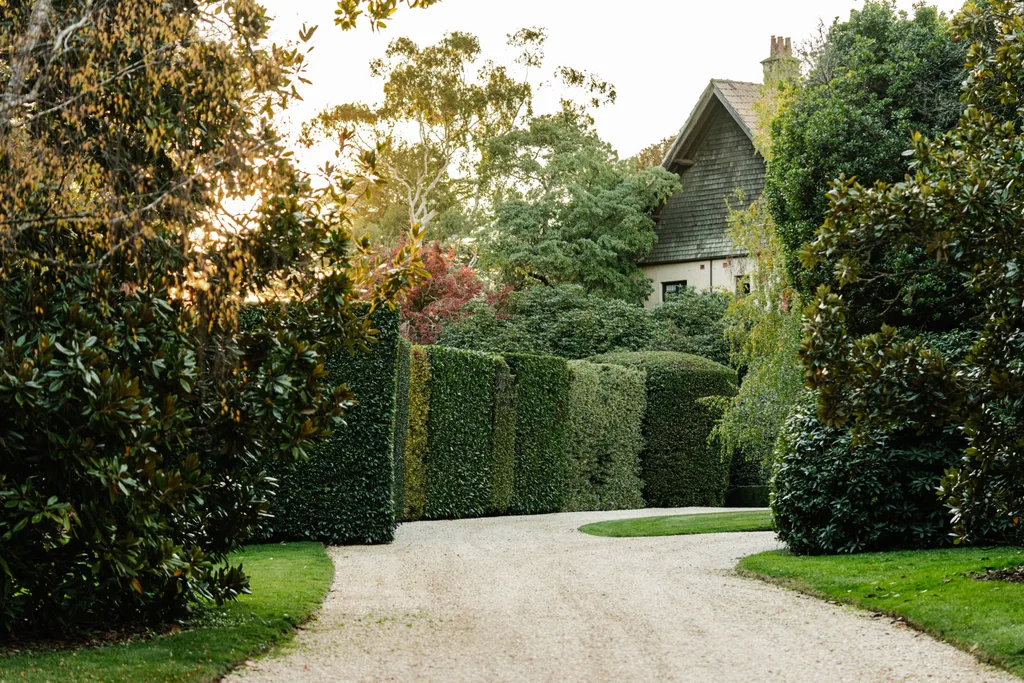
“I think we have seven or eight kilometres of hedges, including the largest tapestry hedge in Australia” – Theresa, owner
What to do when nature takes over
While it had been lovingly cared for, the passing of the previous owner resulted in minimal care for a few years. Nature had taken over, with hedges overgrown and wild blackberry snaking into the previously manicured garden. “We knew what we wanted to do, but we needed to get in and clean it up first,” says Theresa.
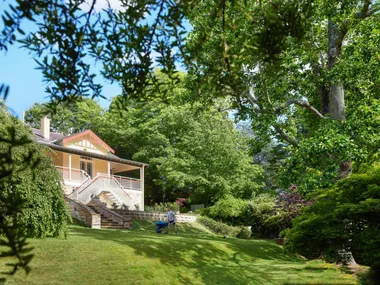
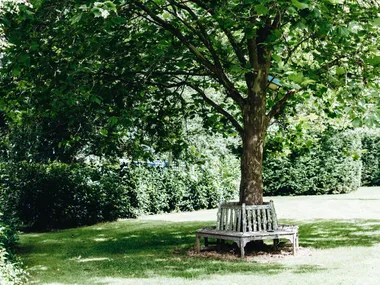
“The garden had a bit of a rough time there, but i hope we’re bringing it back to how it should be” – Theresa, owner
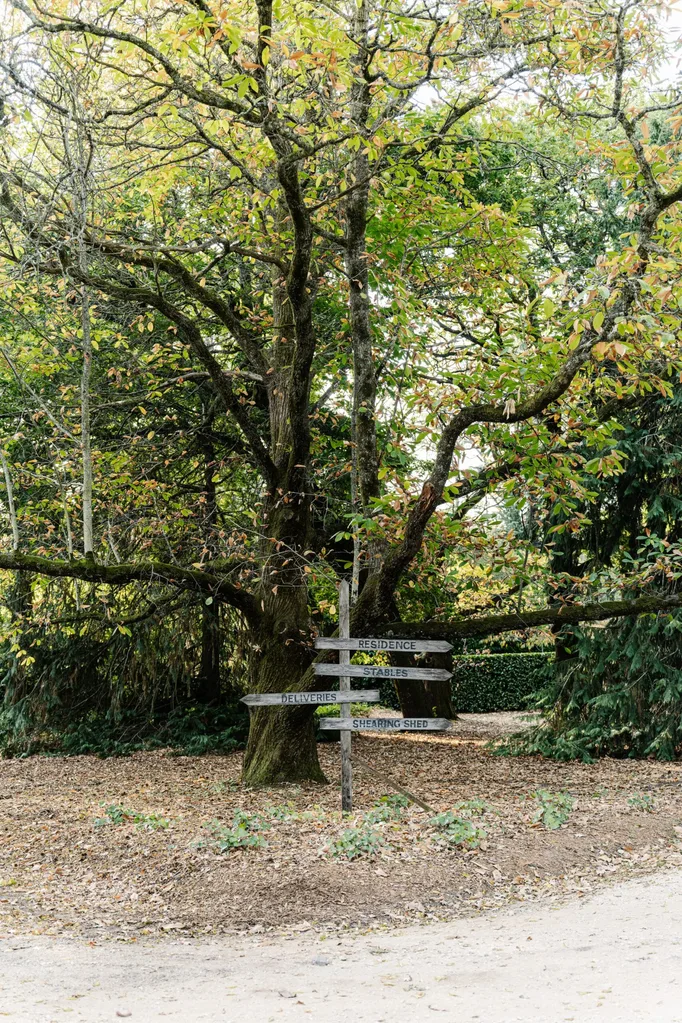
While Stanbridge’s daughter Florence Cox created the manicured ‘new’ garden of hedges and sweeping lawns, farmers Theresa and Tony added the vegetable garden and orchard, with imminent plans for a nuttery. “I think that will be our legacy. A productive food garden is what we will leave behind.”
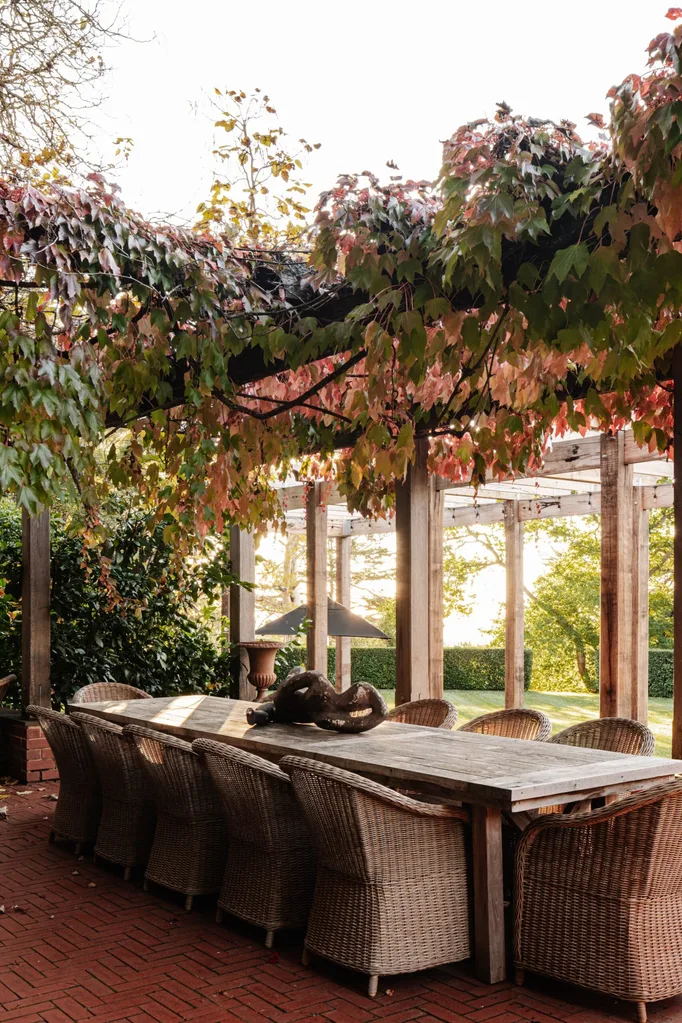
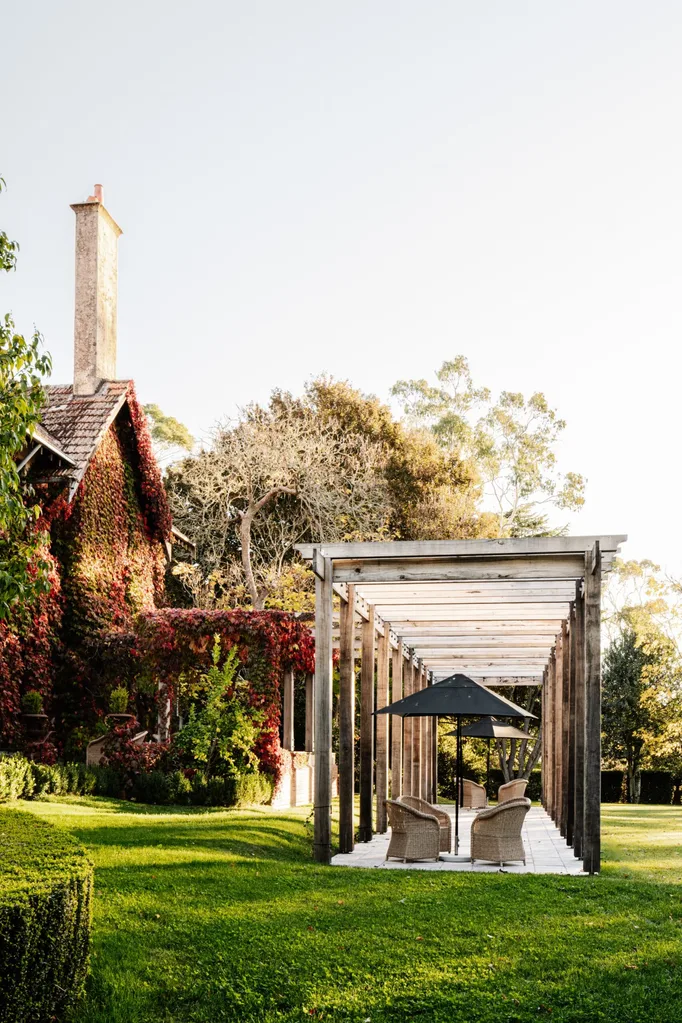
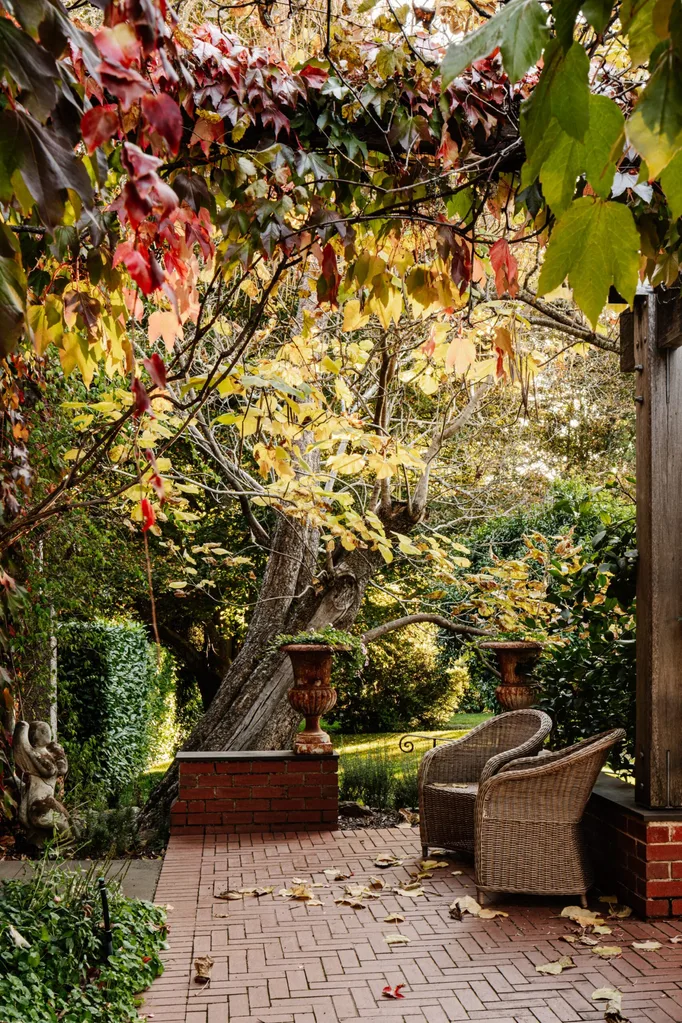
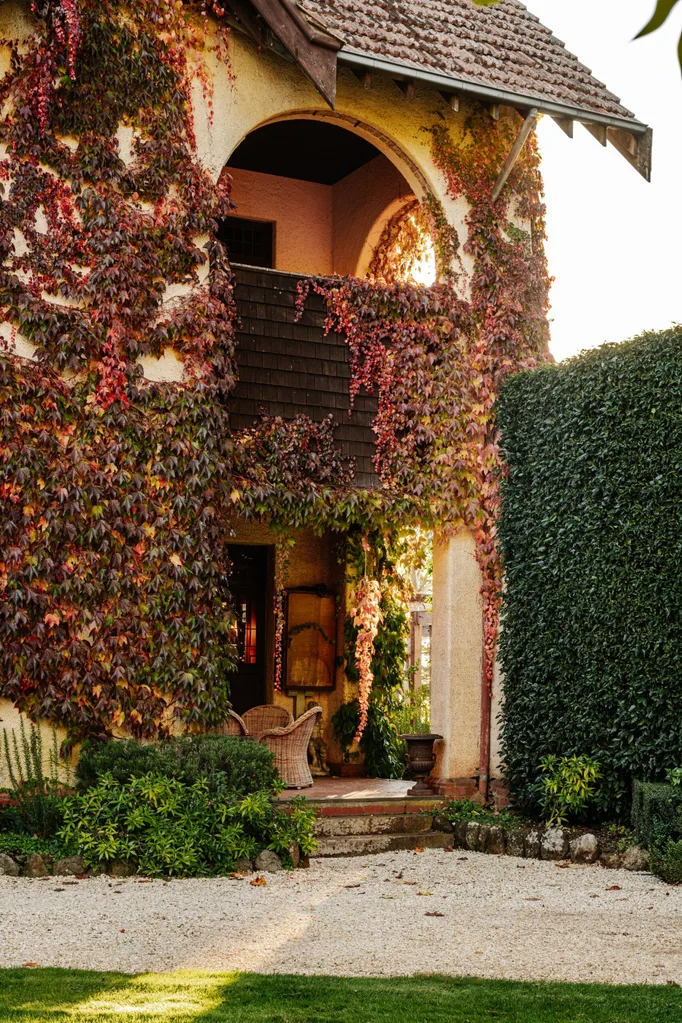
“The original arbour is covered in Boston ivy and you have these magnificent fronds coming down like a curtain. If there was a bed out here, we’d probably sleep in it. It’s my favourite place in the whole garden” – Theresa, owner
Additional projects have included a formal parterre garden and a vast arbour for large-scale gatherings. But the majority of work is preservation, a never-ending labour of love, and as much a history project as a landscaping one. Conservation is an achingly slow process, with changes measured in decades.
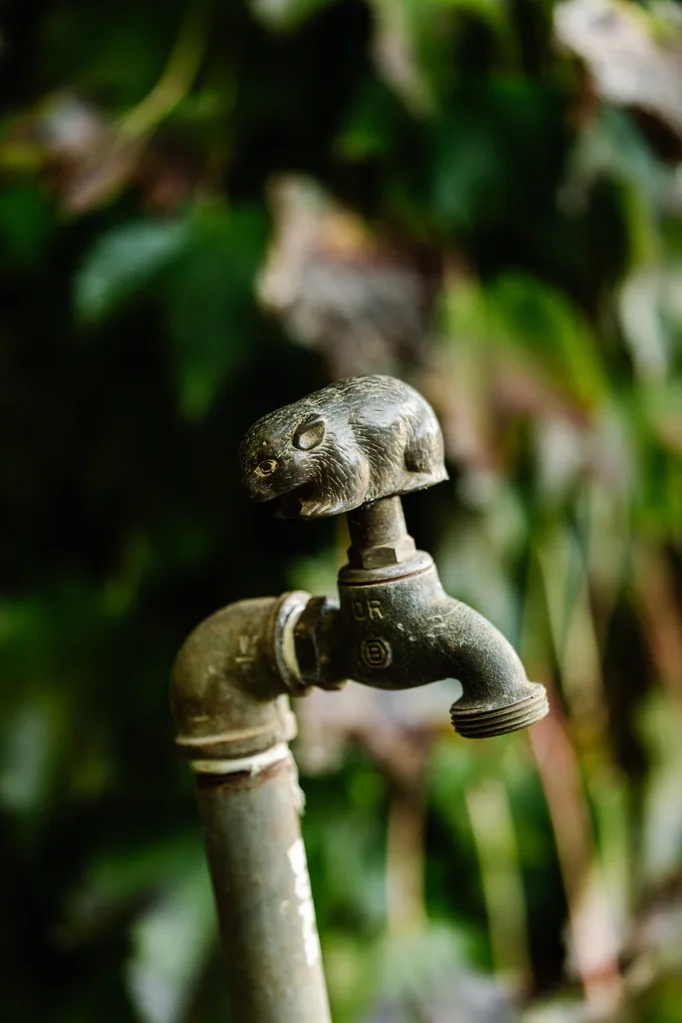
Inside the conservation work
As an example, a majestic Douglas fir was struck by lightning and is slowly dying. Theresa and Tony have already planted several replacements, which will be mature when it succumbs. Says Theresa of this preservation planting plan, “Anything that might be getting to the end of its life, we’re sourcing and replanting in the same area, so hopefully when it dies we will have another tree, 20 or 30 years old, to take its place.”
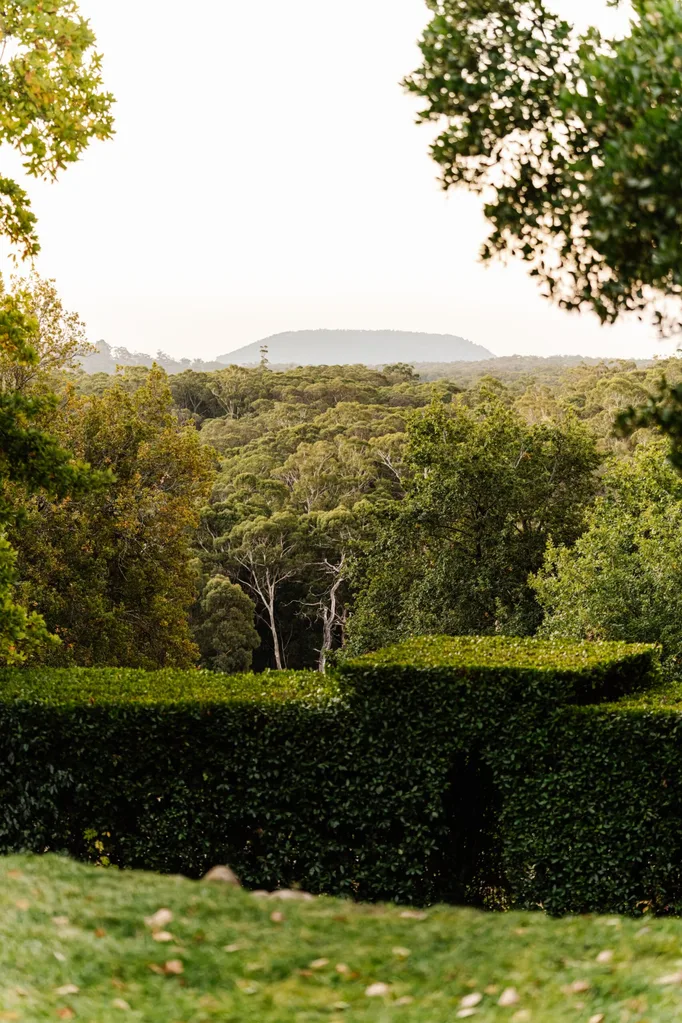
“This garden is really resilient. It comes back more beautiful” – Theresa, owner
Quiet sentinels, these trees are the understated stars of the show, especially during the luminous beauty of autumn. When the light turns golden, the Boston ivy blazes red and the deciduous trees display the full spectrum of glorious sunset hues. “The trees become the heroes,” says Theresa.
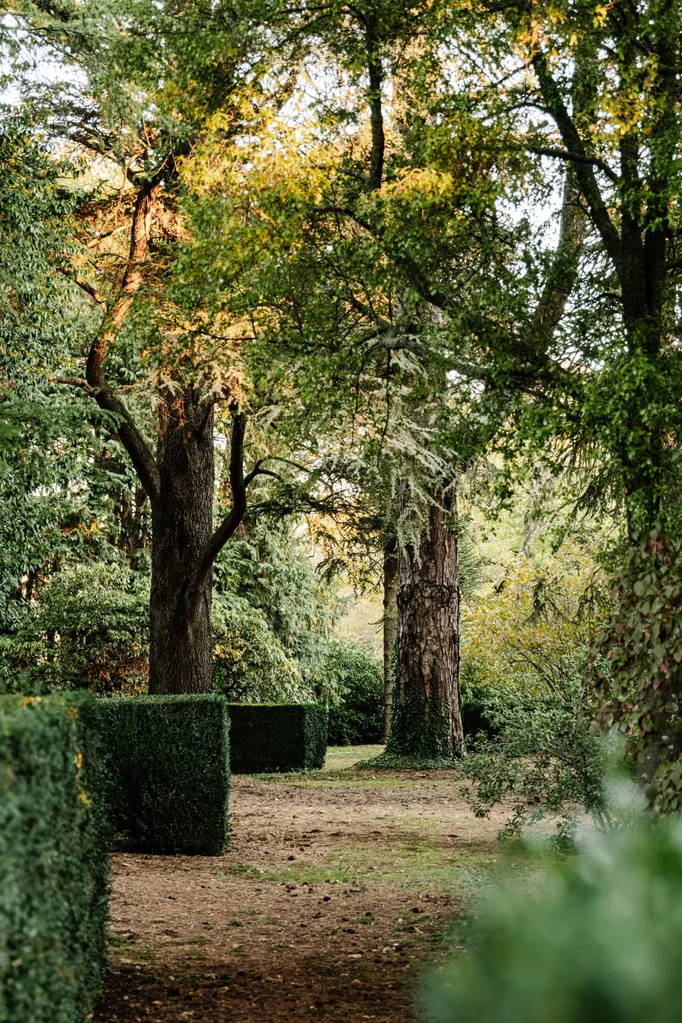
These stunning scenes and the raw emotion they evoke drive Theresa and Tony to share it with the public, through events and open days. “People need to see this extraordinary garden, and the vision and the courage it took to create it.”
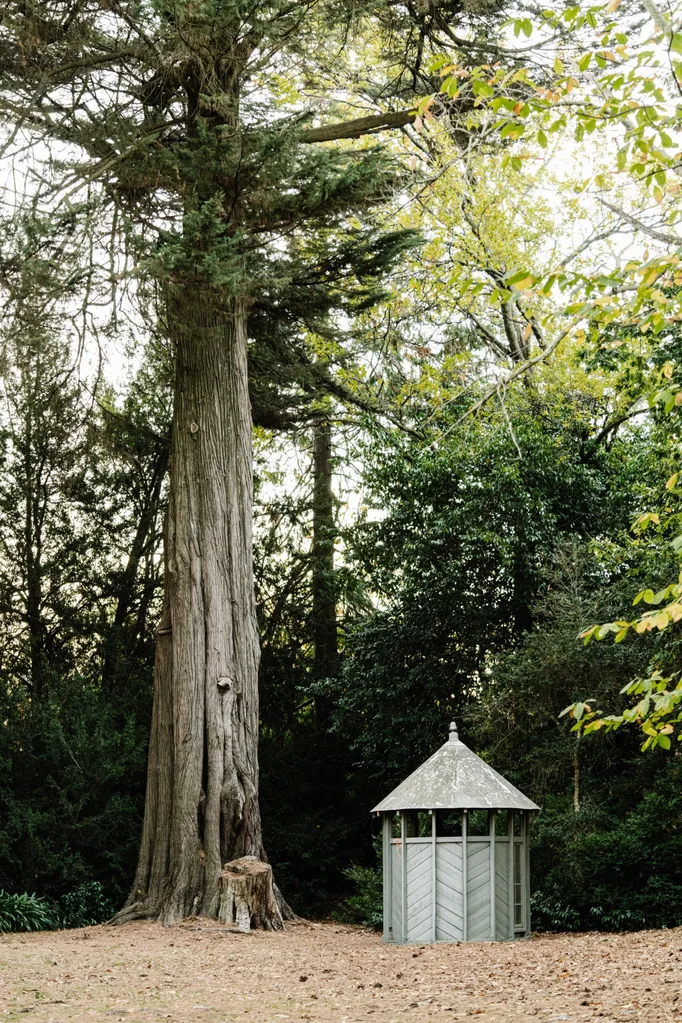
Visit the heritage garden this autumn
Wombat Park Estate opens on Saturday May 16 – Sunday May 17, 2026. To book tickets, click here.

