


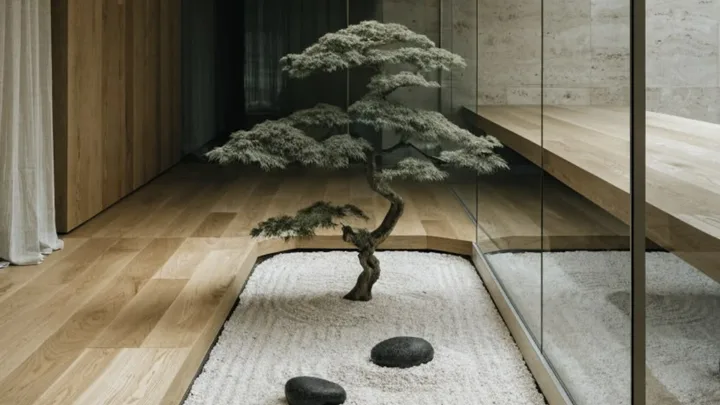
For the uninitiated, feng shui is the art of styling and laying-out your home to improve its energy — and yours. Feng shui expert Jane Langof says, at its core, feng shui for your home is about the relationship between people and space. “At a basic level, feng shui is about your relationship with your environment and your surroundings, and how the energy in your surroundings can impact you on a mental, physical and spiritual level,” she tells Home Beautiful’s The Edit podcast. But it can all go a bit wrong, as Victoria Devine told Elle Lovelock on her episode of The Edit podcast.
Feng shui was not on Devine’s cards when buying her family home, but what was even less obvious was moving in to find the previous owners had “taken all the sand” and left a pile of dirt where a serene zen garden had once been.” It didn’t stop there. “What made matters worse,” says Victoria, “was that the old owners had cut into the floorboards, so you could literally see the dirt below the house!” This became a particular problem when her cats found the unintentional ‘indoor litterbox’.
For Victoria, it served as a reminder to focus not on the current state, but the potential of a property when house hunting. “When you’re looking at property… sometimes the weirdest feature in a house can become something you really love, once you stop looking at what it is and start thinking about what it could be,” she shared.
Listen to Victoria Devine on The Edit podcast:
As a feng shui Master, Langof is in the business of assisting clients to optimise the energy flow in their home to enhance their wellbeing, from improving finances to getting a good night’s sleep. However, Langof isn’t about to sacrifice stunning interiors and stylish furnishings in her process. Below, we get the best feng shui tips from two experts, so you can optimise your home with ease.
In this article
Feng shui your entrance
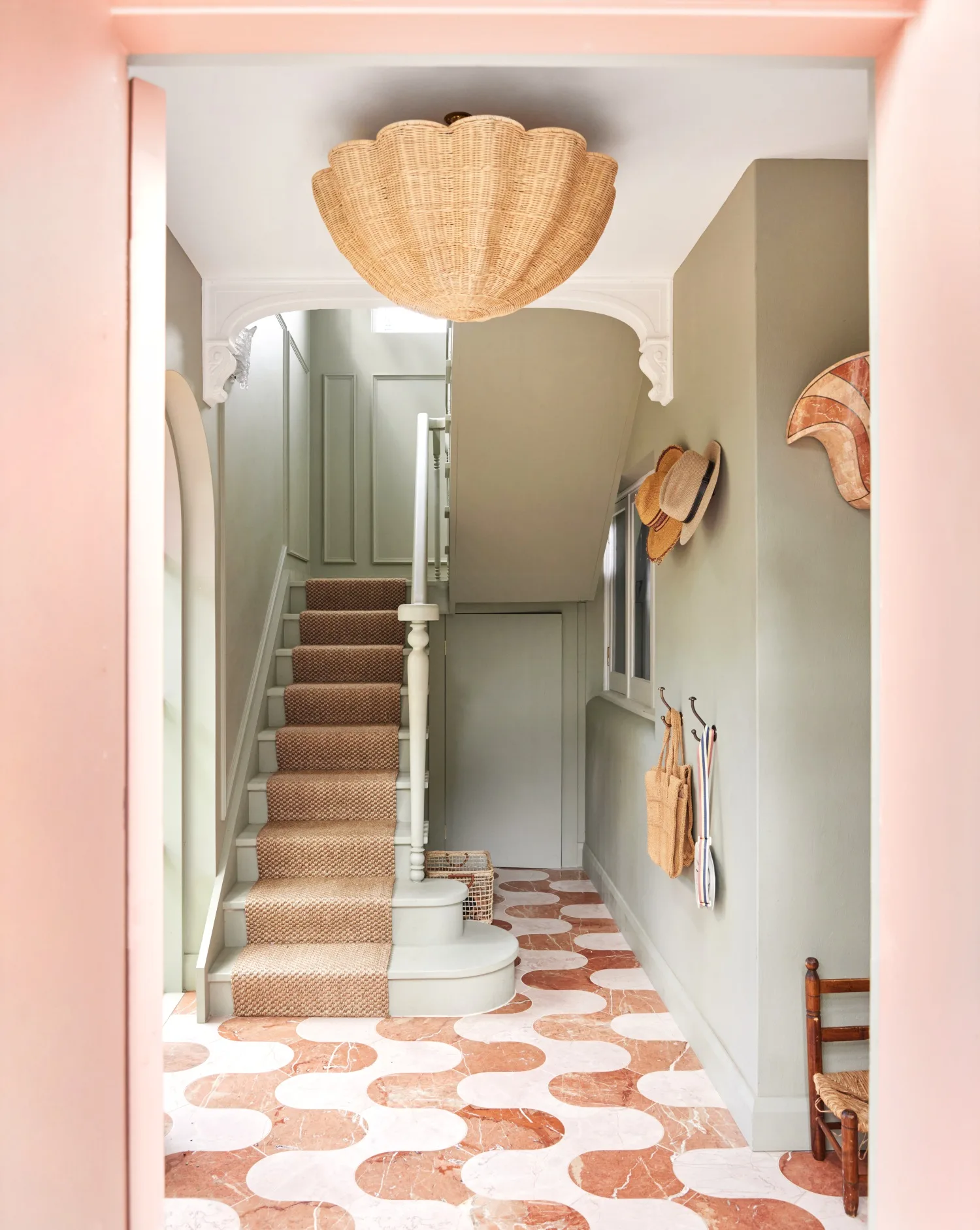
First impressions count, and in order to make a good one, the entrance to your house should look fresh and inviting. “At the entrance, you want to have a focal point,” begins Langof. “When you enter the home, you [want to] see something that helps to draw that energy in.” You can achieve this with interesting accents, artworks along the walls, or a nice rug to guide you in. There’s also one major no-no: Don’t put a mirror in front of your door. Mirrors can be a help or a hindrance in feng shui, and placing one at the entrance will bounce that welcoming energy right back out.
Listen to Jane Langof on The Edit podcast:
Alex Roth, Principle Architect and feng shui expert at Roth Architecture, adds that you need to clear a pathway for the positive energy to enter by removing clutter, both inside and out. “Adding plants will create a welcoming energy that will put you at ease, and placing something cheerful either side of the doorway can make for a great first impression,” Roth says.
Feng shui in the bedroom
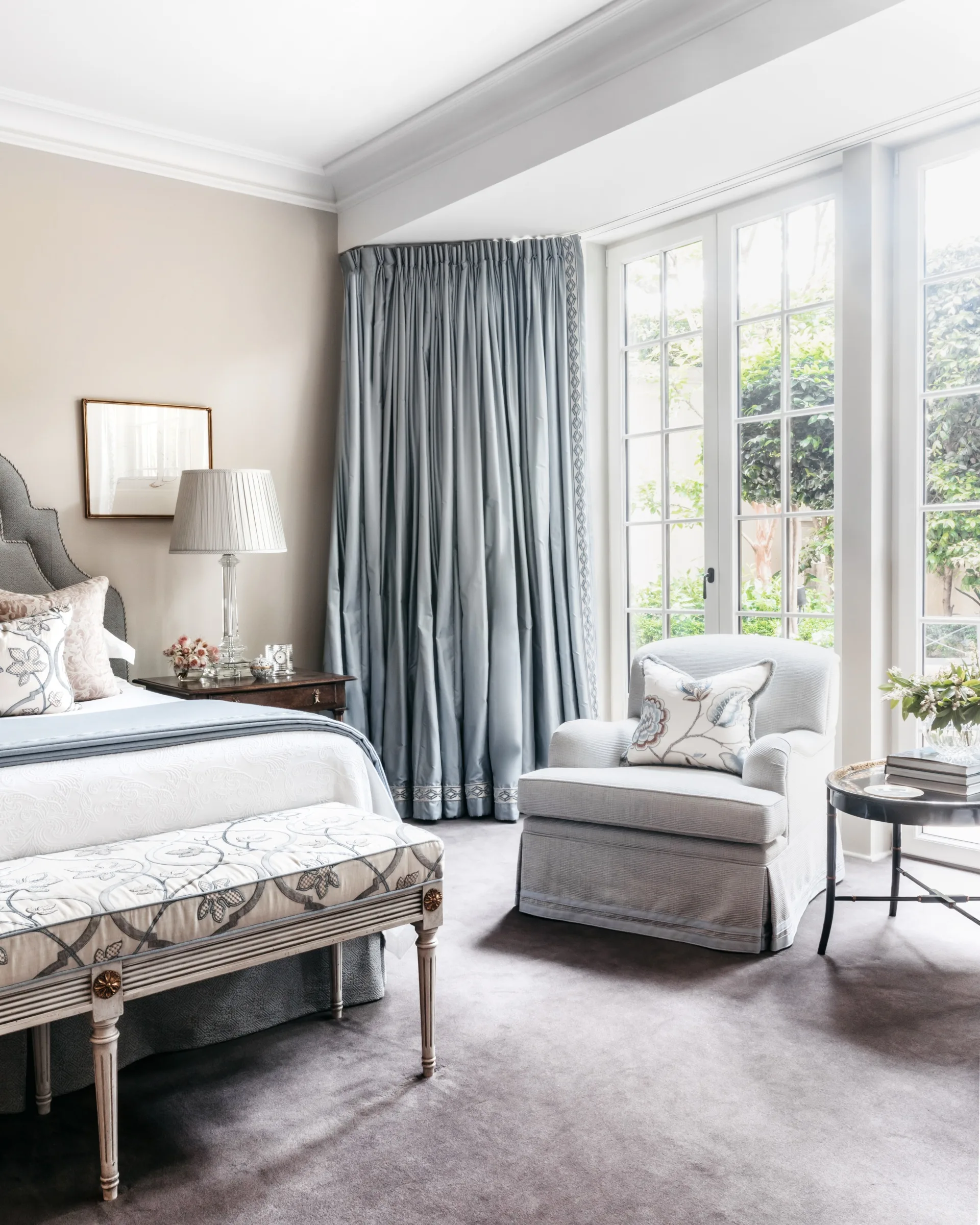
The calming energy of the bedroom needs to be contained, encourages Langof. Mood lighting is key here. This is why Langof warns against placing skylights in bedrooms, unless they can be completely closed off. “It sounds very romantic to be laying in bed and looking up at the moon and seeing the stars, but it’s actually quite disruptive [to the calming bedroom energy]. And I’ve been to people’s homes before where they’ve told me that they’re not able to sleep because of that,” she explains.
Meanwhile, the position of your bed is everything. To start, Langof says not to place your bed under a window. “It’s not ideal to have it up against window because the energy escapes,” Langof explains. “The ideal placement for the bed is up against a solid wall, without a window, in the space that’s diagonally opposite the door because that’s the area where the energy is most contained.”
However, if you’re limited on space and your bed must go beneath a window, Langof recommends employing “an upholstered bed board” or solid curtains to help contain the energy.
Feng shui tips for better sleep, from Feng Shui Master Jane Langof
- Don’t sleep with your feet facing the door: And if you must, close the door at night so the energy isn’t rushing straight in at you while you’re sleeping!
- Don’t place your bed beneath a window: If you can’t avoid this, adopt a cushioned bed head or thick curtains as a buffer.
- Keep electronics away from the bed: Place them in another room or on another side of the room, so they don’t disrupt your energy field.
- Don’t place mirrors opposite your bed: This is said to cause fights among couples.
- Avoid strong smells: These can create a strong, active energy in the room, when you want a calming presence.
Read more: Is bedroom feng shui the key to a good night’s sleep?
Another is to avoid sleeping in the “coffin position” – i.e. with your feet directly opposite the door.
“The issue with that is that the energy is rushing straight towards the bed. So we need to create some sort of buffer to stop that energy flow,” Langof begins. “What we can do is close the door while we sleep at night. That’s that’s the number one recommendation. Move the bed if you can. Or have something like a ottoman or a rug just to just to slow that energy flow down. So again the buffer and the softness.”
Roth adds that candlelight in the bedroom can help to make it calming, but beware of overly strong scents that can dominate or alter the calming energy you want to achieve. He recommends keeping the windows open, when possible, so the space is filled with fresh air.
Feng shui with lighting
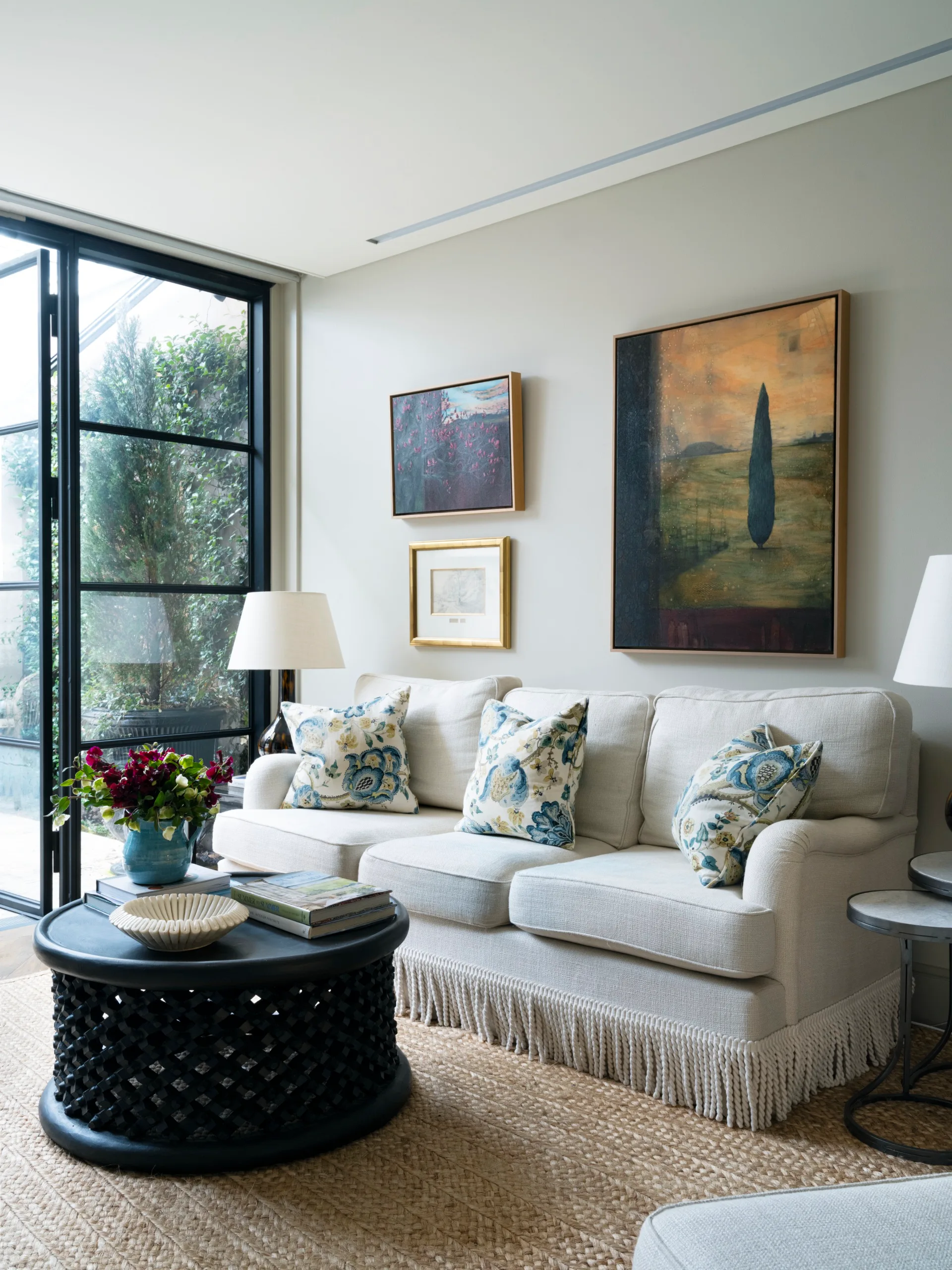
Light is essential for good feng shui, to connect you and guests with your environment. Where natural light isn’t possible in your home, make sure that main spaces have dimmers or multiple light sources such as lamps so that the light levels can be changed throughout the day or to suit the mood, Roth says. A bright welcoming light is also an enticing opening to a home, so if you can’t have natural light in the entry hall, make sure it’s well lit otherwise.

Where natural light is possible, make the most of it by clearing objects away from windows.
Feng shui in the kitchen
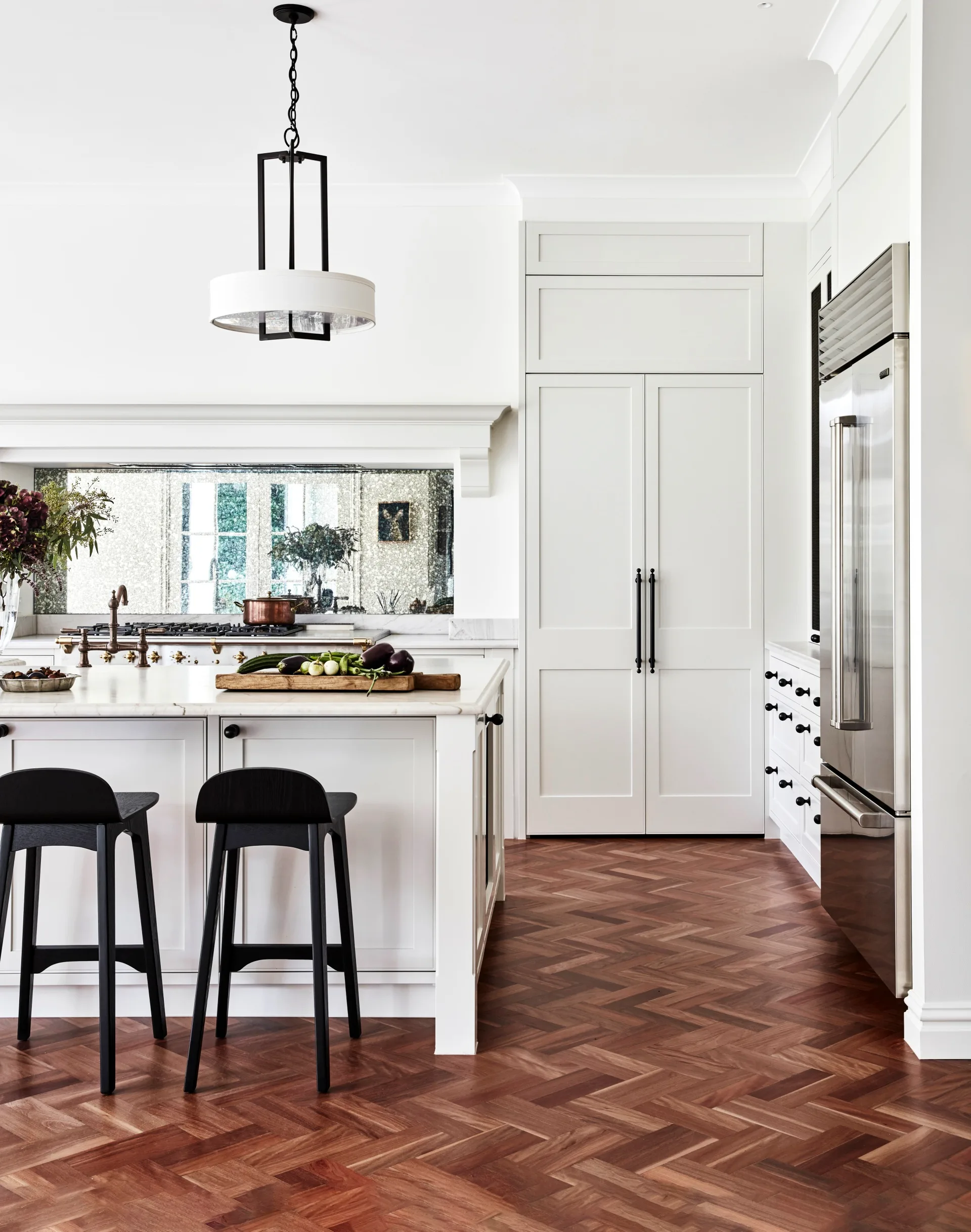
The kitchen and its connected living spaces should be bright, clean and airy, making them feel as spacious as possible. Storing away any appliances you don’t need can help create clutter-free clarity for a more inviting space, Roth insists. Fresh fruit, a vase of flowers or a pot of herbs are perfect for the kitchen to add something living and nourishing.
Remember that feng shui is a personal practice; and as a beginner, simply sticking to the basics of simplicity, clarity, and light will help create an energy flow to make a house into a homely haven, abundant with good energy.
Watch Jane Langof on The Edit podcast:

