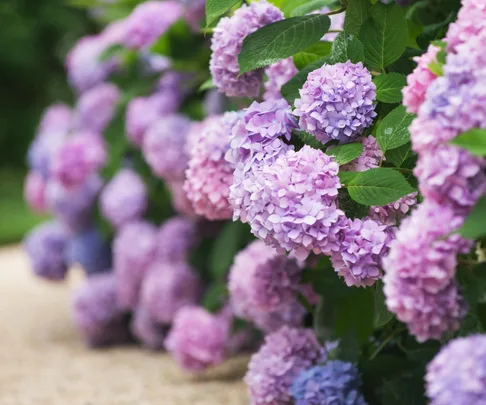
There’s a certain magic to hydrangeas, the sort that sneaks up on you when you least expect it. One moment the garden is all leaf and promise, the next it’s transformed into a painter’s palette of blushing pinks, soft blues and creamy white petals, as though someone has spilt a box of watercolours across its borders. Hydrangeas bloom with the self-assuredness of plants that know they’re beloved – sufficiently timeless to have graced our grandparents’ gardens – yet bold enough to hold their own in contemporary planting schemes.
I have always thought hydrangeas have a personality: generous, theatrical in summer, occasionally unpredictable and utterly dependable once you understand their moods. They thrive on a moderate dose of care and conversation, and in return they’ll fill your garden with billowing clouds of flowers that turn with the seasons. Place them where you can admire them from your favourite chair – hydrangeas love putting on a show for anyone who’s willing to watch.
A guide to growing Hydrangeas in Australia
Types of Hydrangeas
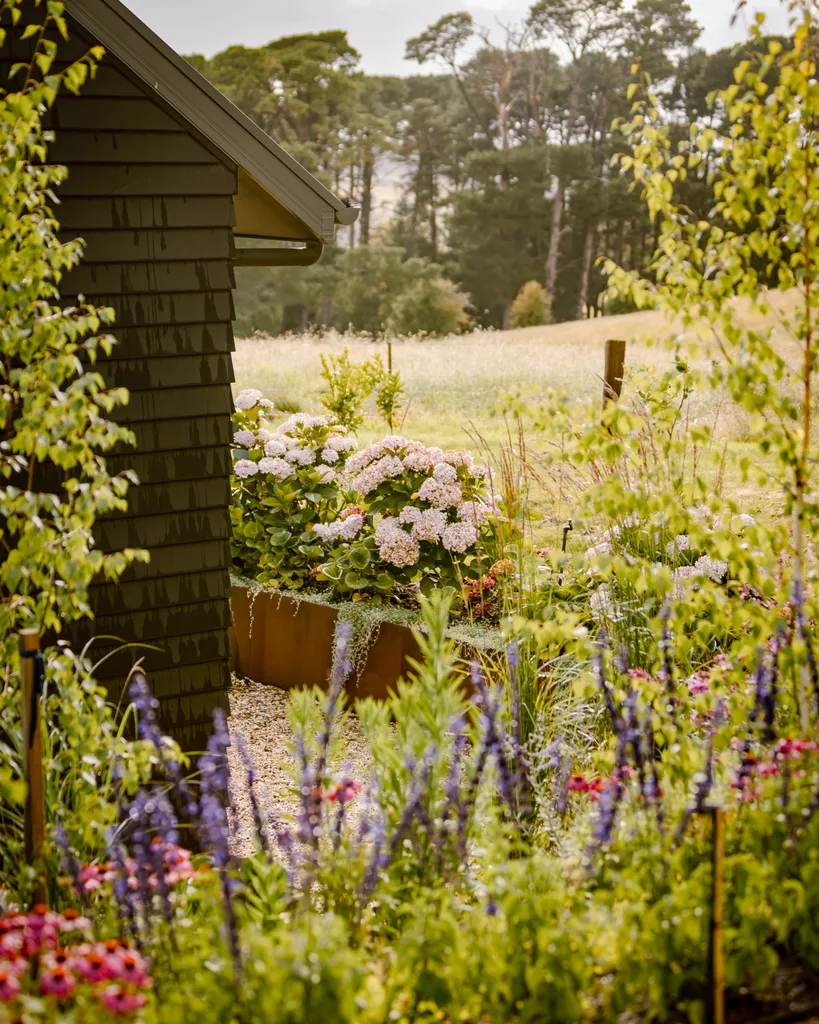
Hydrangeas come in many forms, each with its own character. Mopheads and lacecaps are the most familiar: mopheads with their blousy, spherical flower heads and lacecaps with their delicate, flat heads framed by a ring of florets.
Then you have all the architectural drama of paniculatas, with their tall, conical flower heads that age from creamy white to soft pink. Oakleaf hydrangeas bring extra personality with deeply lobed leaves that turn fiery in autumn; while smooth hydrangeas, like the legendary‘Annabelle’, reward gardeners with enormous snowball-like blooms, even in cool-climate gardens.
Best soil for hydrangeas
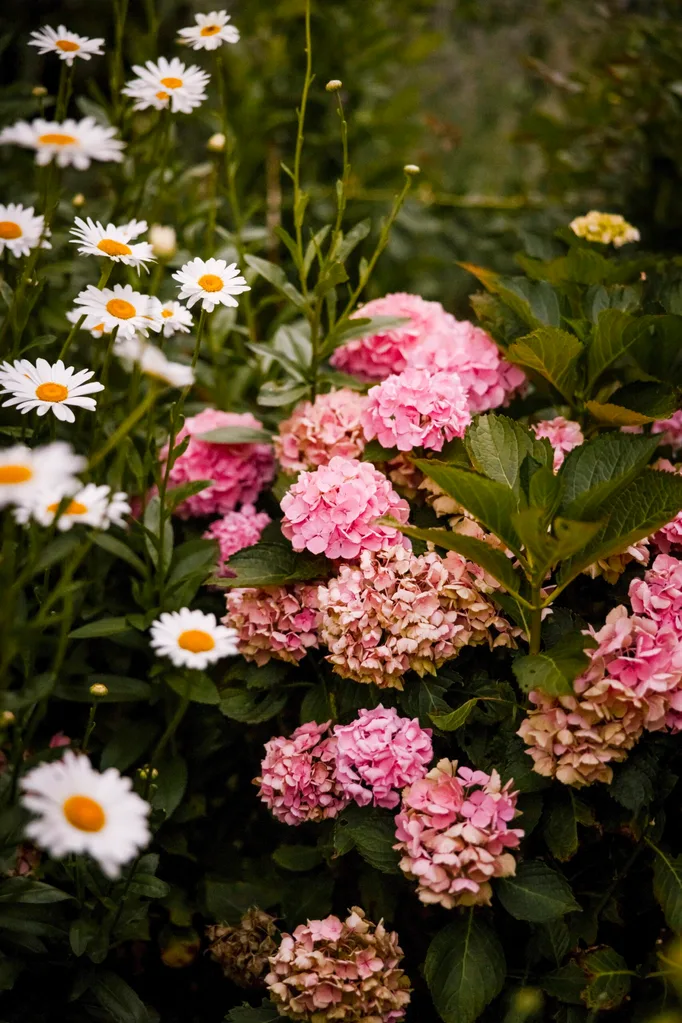
And then there’s the magic of colour. In Hydrangea macrophylla, flowers respond to your soil’s pH levels: acidic soils encourage blues and purples; alkaline soils reap pink blooms. White hydrangeas, however, remain elegantly indifferent – the neutral observers of the garden stage.
If your hydrangea insists on pink when you were hoping for blue, take a deep breath – it’s just showing off its independence. A little soil tweak with sulfur or acidic compost should nudge it in the right direction. Conversely, a touch of garden lime will help promote pink flowers.
Climate
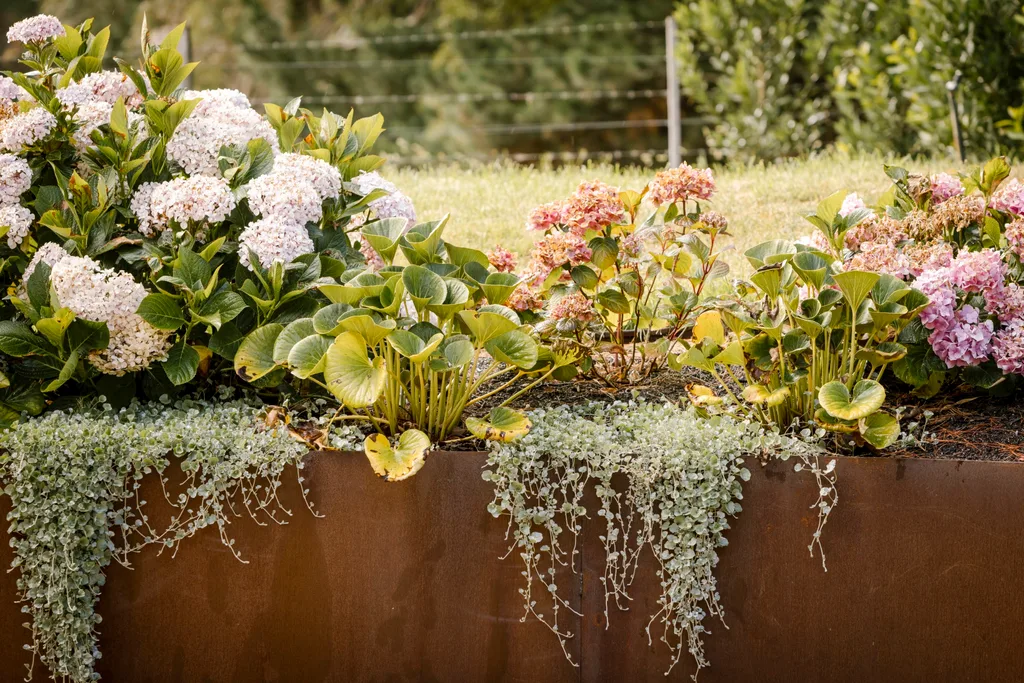
Hydrangeas are deciduous and easy to grow providing you honour their needs. Most thrive in morning sun with afternoon shade and enjoy rich, well-draining soil. Mulch around the base to keep roots cool and moist, and water regularly, especially in hot, dry weather – they like a proper afternoon tea – but don’t let them sit with soggy feet.
How to prune hydrangeas
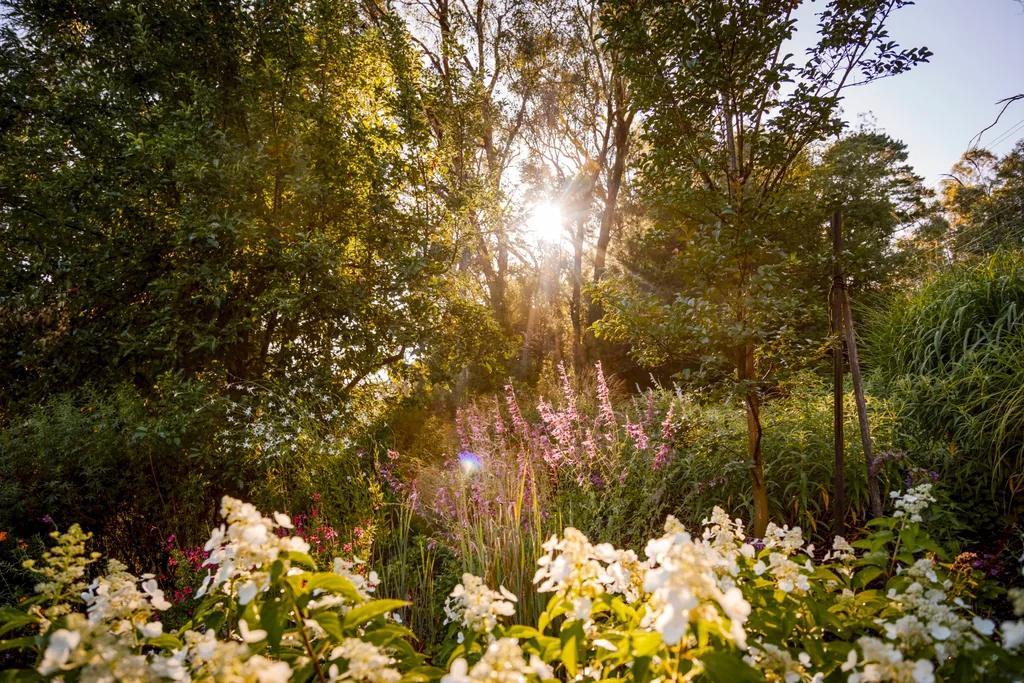
Pruning may feel daunting, but it’s simple if you know the rules: mopheads and oakleafs flower on old wood, so only lightly trim them after they bloom; paniculatas and smooth hydrangeas bloom on new wood, so prune them harder in late winter.
Cutting back mopheads can feel like farewelling your flowers, but trust me – a gentle trim right after they bloom won’t bruise their ego. Some slow-release fertiliser in spring also helps encourages generous blooms.
Hydrangeas make a garden feel alive. They suit every style, from romantic cottage plots to modern minimalism, and their flowers lend themselves to fresh bouquets and dried arrangements. Some years they’re bashful and shy, other years they sing their presence across the garden. Roll with it and they’ll reward you season after season.
In a world of ever-demanding plants, hydrangeas are delightfully forgiving – resilient and endlessly captivating. So, next time you wander past one, pause to admire it. After all, a garden without a little magic is just a patch of green.
How to revive hydrangeas that have wilted in a vase
Bring your drooping blooms back to life with this simple trick:
- Bring a pot of water to a boil.
- Trim about 1-2 cm off the stem ends with a sharp knife.
- Slice each stem end in half lengthwise by 3-4cm.
- Immediately place the prepared stems in the boiling water for 15-30 mins.
- Transfer to a vase with fresh water and watch them perk up.
- Click the post below to watch this trick in action!

Related stories

Native ad body.

Native ad body.



Native ad body.