


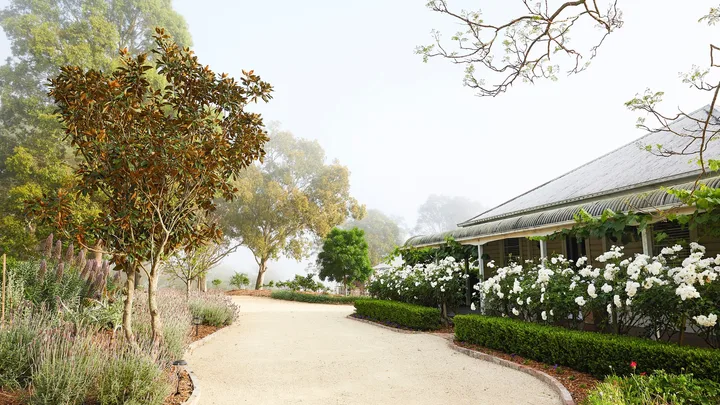
 Photography: Cath Muscat
Landscape design is a thing of living, breathing beauty. Of all the plantings rooted in design principles, almost none offer such an array of benefits as hedges. Hedging plants add privacy to inner-city and suburban dwellings, create an effective sound barrier from traffic and also add a lovely sense of shape and structure to your garden. But they suffer from a misconception: hedges appear harder to maintain than they are.
We spoke to Dennis Scott, gardening expert from Selling Houses Australia and owner of Lush Landscape Solutions, plus Ian Barker and Daniel Rawson, directors of Ian Barker Gardens, to navigate the maze of information.
What is a hedge?
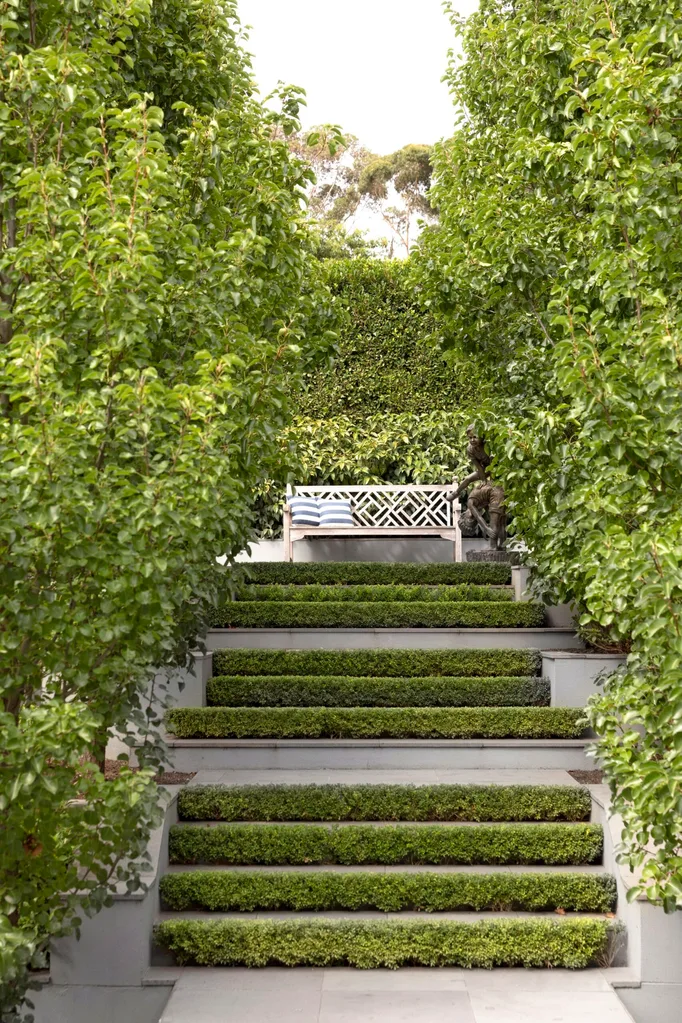
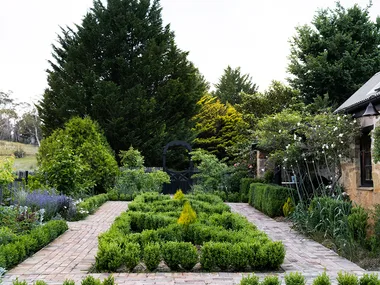
Hedges are natural barriers, borders and screens. They can be tall or kept close to the ground and can even be trimmed into many different shapes (although rectangular borders and round topiaries are the most common types of clipped hedges).
Hedges can be grown out of many different plants, known as hedging plants. The hedge itself is created when you plant these shrubs or trees close together, so that when they grow the foliage blends and creates a screen.
How to plant hedges
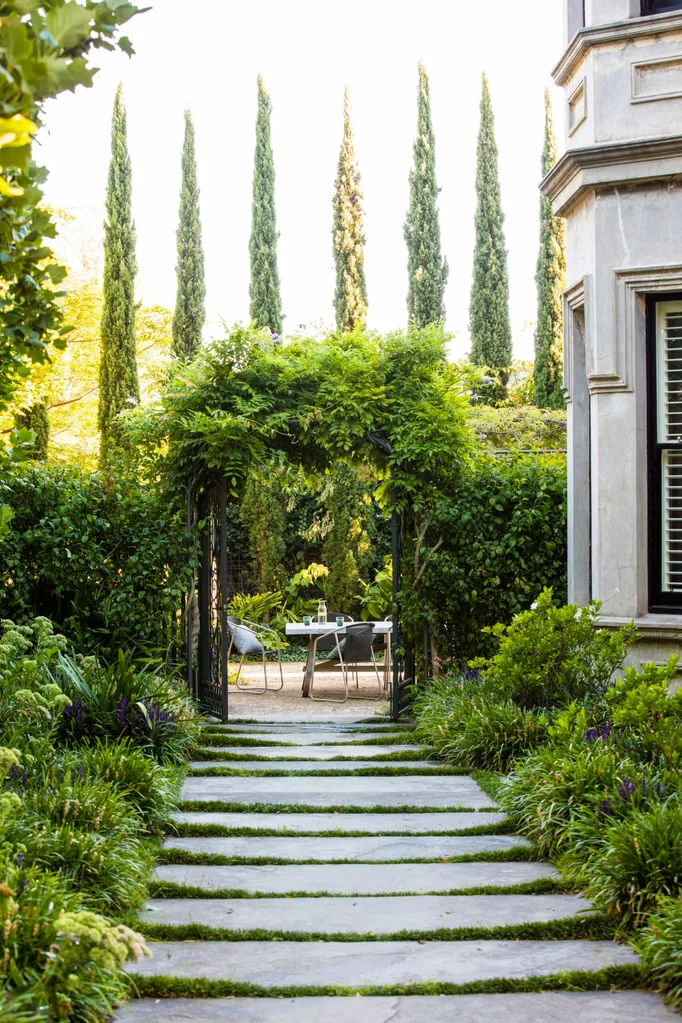
Many different species work well for hedging and as such, when it comes to planning your dream garden, the planting advice varies. “As a general rule, spacing approximately 700 millimetres to 800 millimetres apart works well,” says Ian.
Daniel adds, “the key variable is the intended height of the hedge”. The taller the plant, the more space you will likely need in between. Another variable is patience – a virtue that some of us aren’t blessed with. If you’re not willing to watch and wait, try planting closer together for a more instant effect.
What are the benefits of hedges?
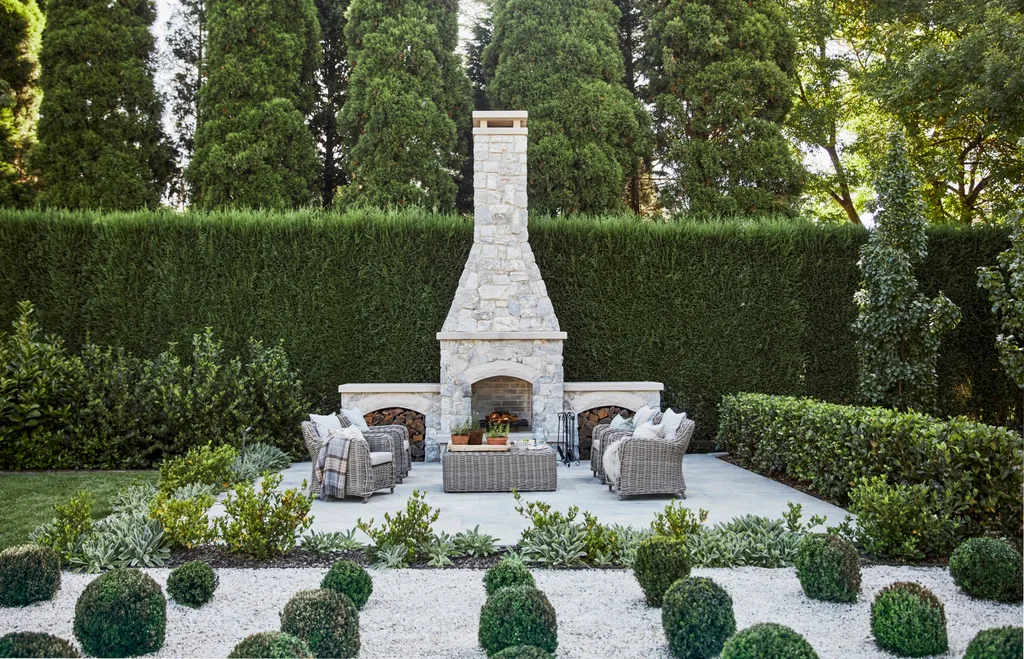
Hedges line pathways, at once softening the boundary between hardscaping and organic materials, while connecting all areas of a garden. Hedging plants also provide privacy just as dense as a brick wall (but outperform by absorbing more pollution and noise). They frame outdoor spaces and, with creative pruning, add sculptural beauty.
But the benefits of hedges go beyond privacy and a green backdrop. “Hedges are wonderful for biodiversity, acting as pollen producers for wildlife,” says Ian. They also soak up sound that would otherwise bounce off brick or stone walls. Daniel says, “We recommend combining a two-metre wall with a hedge growing three metres above it.”
How often do you need to trim hedges?
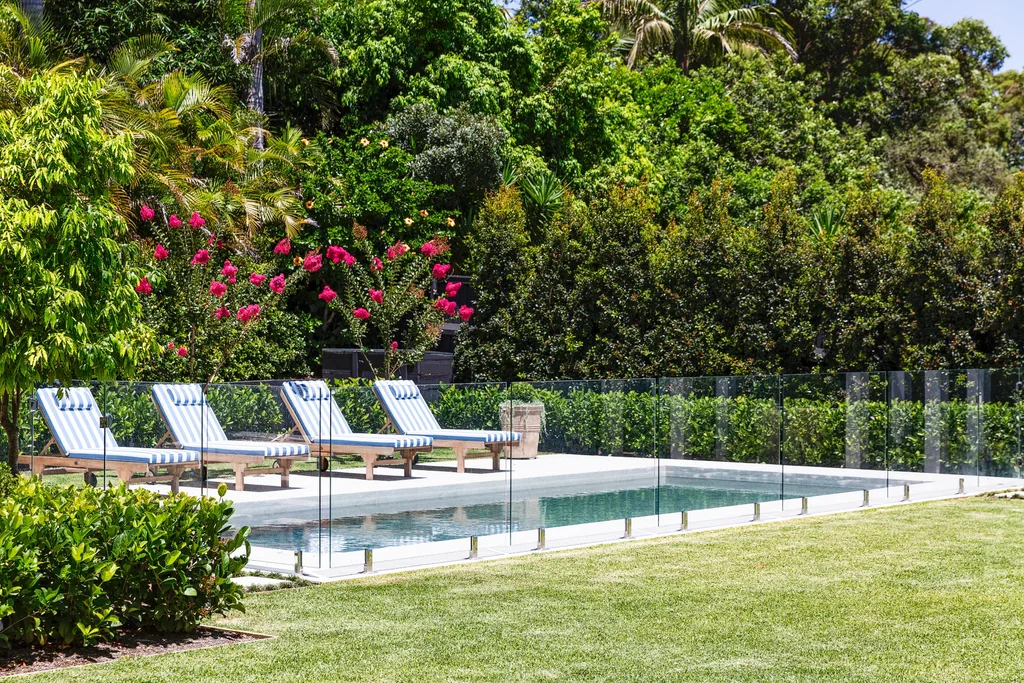
Contrary to popular opinion, presenter and landscaper Dennis says hedges are a “set and forget” planting, once established. However, heed a word of warning – if you’re growing a hedge taller than three metres, you will likely need an arborist to maintain it. Anything shorter is more DIY-friendly and, as a general rule, trimming three or four times a year should suffice for most plant species.
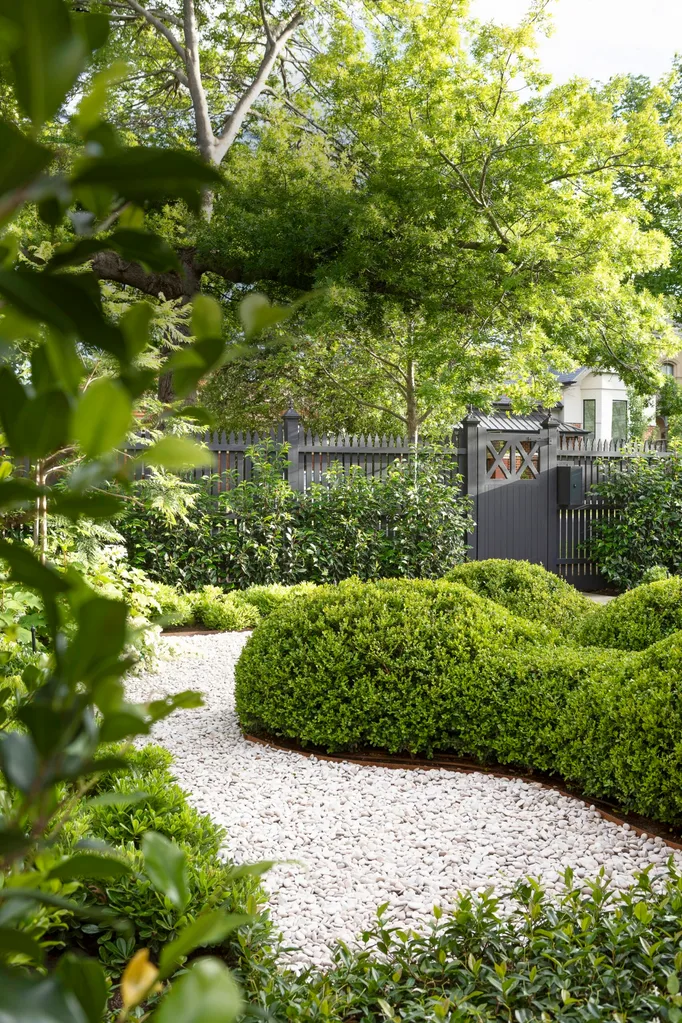
Still sounds arduous? Ian recommends Prunus lusitanica. “It has a large, beautiful leaf, produces white flowers and only needs to be trimmed once every 12 to 14 months.”
The perfect hedge maintenance routine
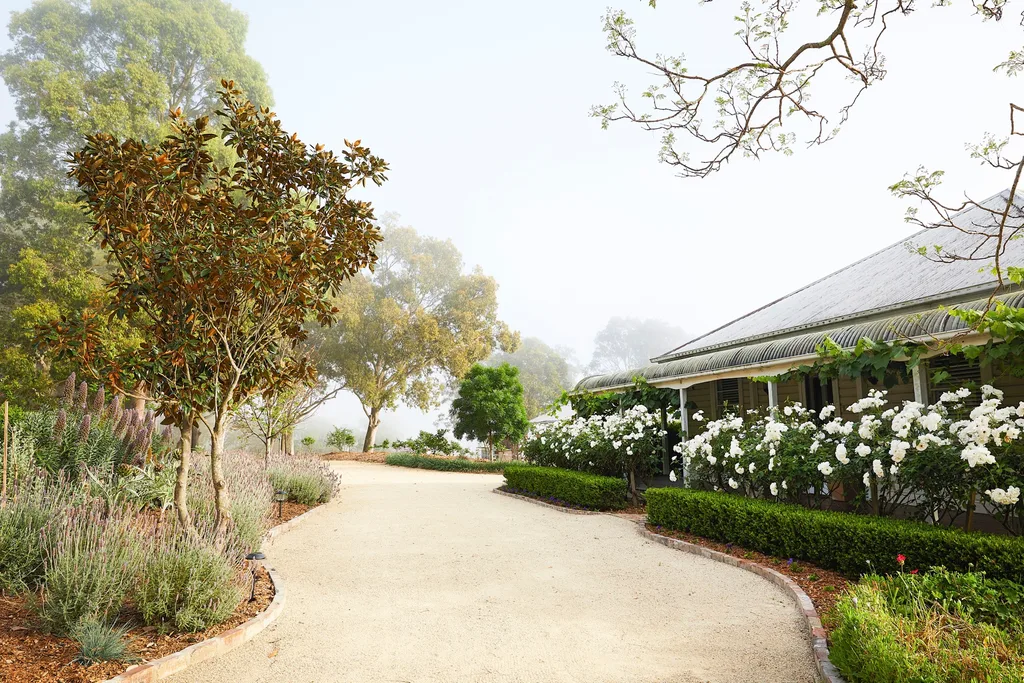
For a comprehensive routine, fertilise your hedge before trimming it, at the change of every season. “Most hedges are evergreen, but autumn is a good time to prepare your garden for winter,” says Dennis. “Prune in autumn and it’ll burst back in spring if you fed it before it went to sleep.”
What plants pair well with hedges?
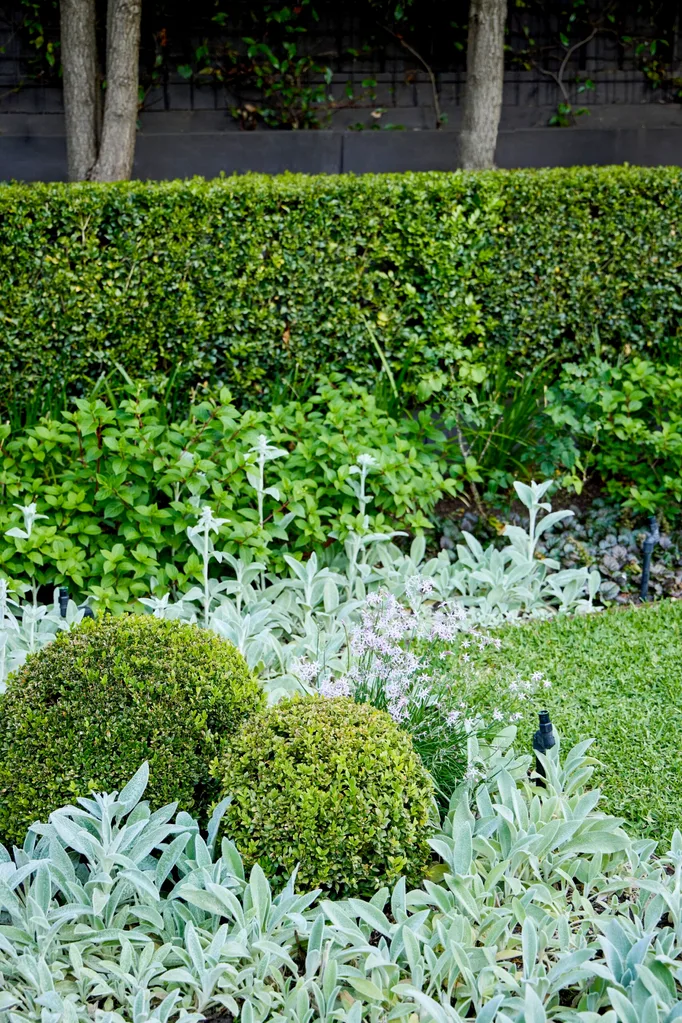
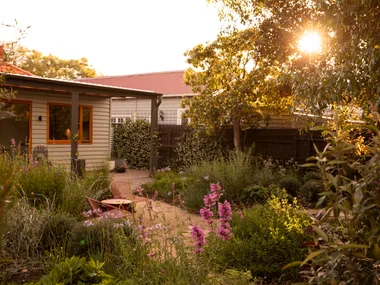
Often, when people think of hedges, they imagine highly structured, formal gardens. But every expert we spoke to believes you can enjoy this form in wilder, free-flowing gardens, too. “It’s a perfect blend,” says Dennis. “You can still have a relaxed feel, but you’ve got a bit of structure to it.” The key is layering. “The plants involved with hedges marry with almost every style of garden,” he adds.
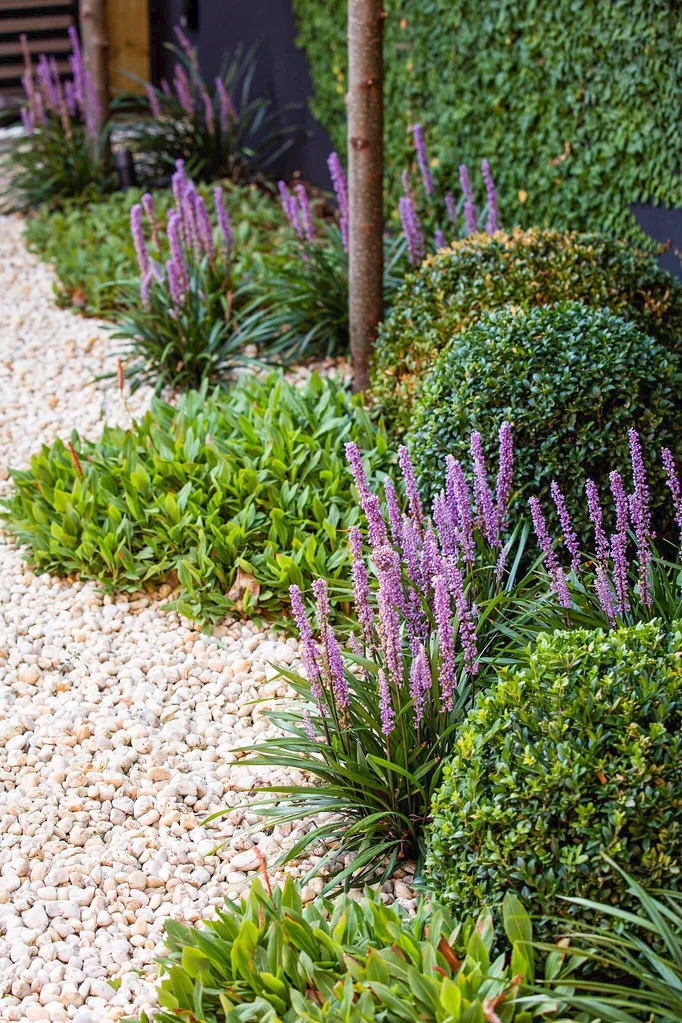
Ian and Daniel agree, and suggest creating at least three distinct levels of plantings. For hedges against a rear boundary, they like to incorporate a second layer of shrubs or intermingled plantings in front, about one metre high, then a layer of groundcover between 150 and 450 millimetres in height. “If space allows, you’d then introduce a tree to create depth,” says Ian. For verdant, year-round structure, choose evergreen hedging plants.
What is a topiary?
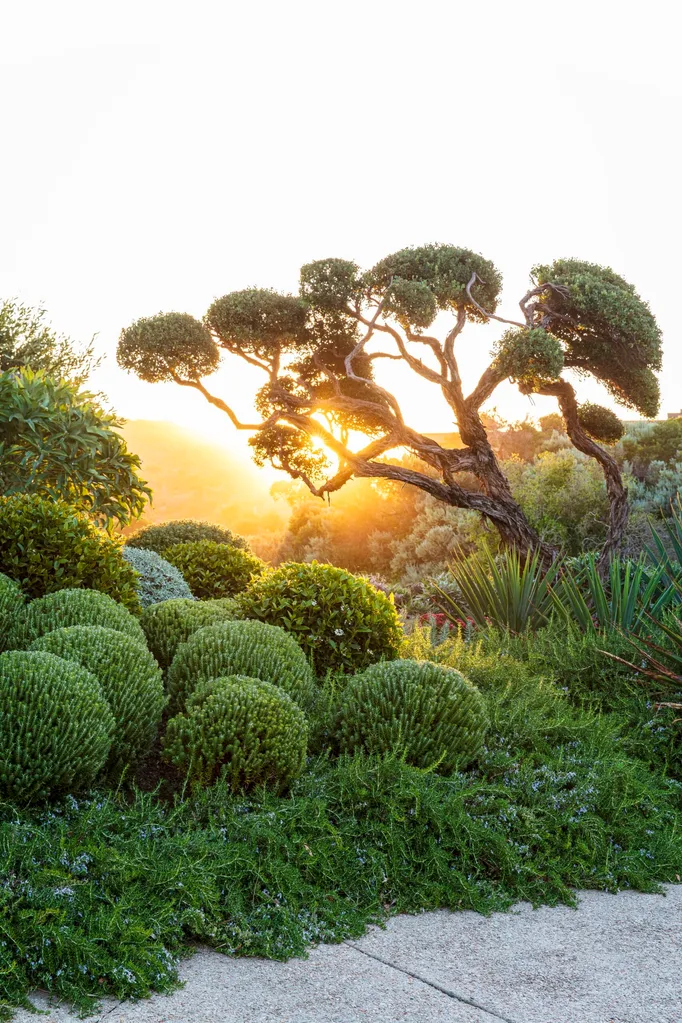
Like hedges, the term topiary refers to the plant that is grown and then maintained. However it also refers to the art of training plants to take on those decorative shapes. Topiaries can be maintained in geometric shapes or can even be trained to resemble the shape of an animal. For modern Australian gardens, topiaries tend to be round or teardrop shaped, or ‘topiary stands’ (the kind of spherical foliage set on a slim trunk, creating a lollipop look).
How to grow topiaries
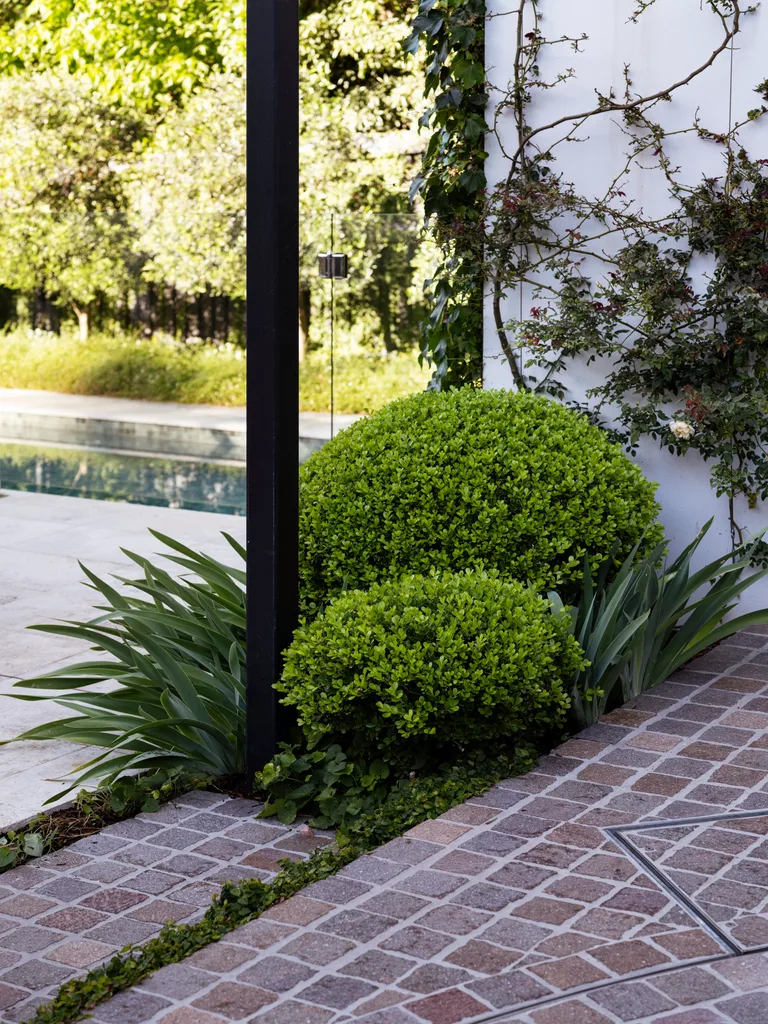
Topiaries need to be even more compact and tight-growing than hedges, so not all plants suit both. While they fall on the more formal end of the garden style spectrum, they can find a home in wilder settings. “In a naturalistic garden, you can scatter topiary pieces or box balls throughout the planting,” advises Ian. “Rather than clashing, they provide a sense of consistency and visual respite. It gives you something structured to land on throughout the seasons.”
A garden designer’s expert tip for pruning topiaries
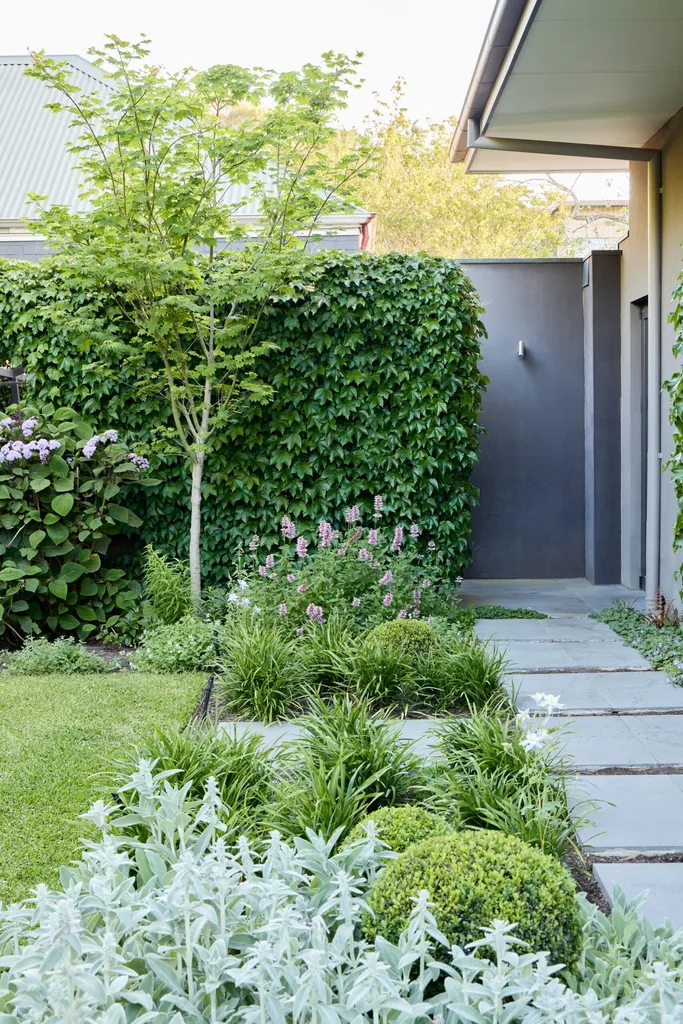
Still nervous about attempting spherical pruning? Daniel recommends holding a paper plate one metre away from your plant, using this as a visual guide for the curve you’re working with. The result? “Clean, geometric shapes and a strong architectural statement.”
What are the best hedges to plant in Australia?
| Popular hedging plants | Why it works as a hedge |
|---|---|
| Acmena smithii | Also known as lilly pilly, this native evergreen can cope with drought, heat and salt, though avoid wet regions. Its foliage is glossy and new growth is pink or red. |
| Buxus | There are 70 species of Buxus, so choose one suited to your area. Favourites are English box and Japanese box. This hardy, classic choice is ideal for low hedges and topiaries. |
| Camellia sasanqua | This evergreen has dark, glossy foliage and white, pink or red flowers. Drought- and frost-tolerant once established, it likes temperate to sub-tropical climates and acidic soil. |
| Cupressocyparis ‘Leighton Green’ | Reaching 20 metres, this conifer has dense, dark green foliage. It’s very drought-tolerant and happy in temperate and cool climates. |
| Ficus hillii ‘Flash’ | This fast-establishing native tree is hardy once it’s found its feet. Its ideal climates are warm-temperate to sub-tropical. Don’t plant it too close to structures, pools or drains. |
| Gardenia | Depending on the variety, gardenias grow up to two metres and offer fragrant blooms. They love acidic soil and frost-free climates. |
| Juniperus virginiana ‘Spartan’ | This slender conifer has pine-scented foliage and reaches about five metres tall. It enjoys temperate and arid climates and is hardy, drought- and frost-tolerant once established |
| Laurus nobilis | The beloved bay tree can be maintained as a hedge, shrub or topiary. Drought-tolerant once established, it’s happy in mild or warm-temperate Mediterranean climates. |
| Murraya paniculata | Also referred to as mock orange, Murraya has fragrant flowers and dark, glossy leaves. Drought-tolerant once established, it thrives in climates from tropical to warm-temperate. |
| Photinia ‘Red Robbin’ | This hardy, evergreen shrub has red new growth, ideal for adding colour in mid-height hedges. It suits temperate to sub-tropical climates and is frost-tolerant once established. |
| Viburnum | This fast-growing evergreen enjoys tropical to cool climates and creates dense hedging. Some varieties produce attractive flowers. |
| Westringia | Known as coastal rosemary or native rosemary, this hardy evergreen shrub has silvery green foliage. It’s drought-, heat-, cold- and salt-tolerant and lends itself well to clipped topiary spheres. |

Be the first to read this story by subscribing to Home Beautiful magazine

