


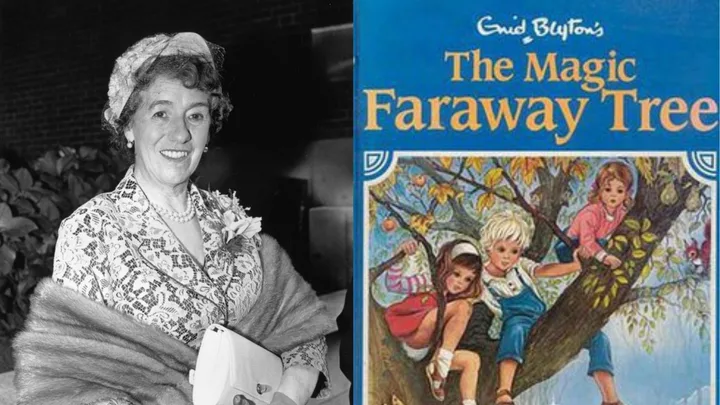
 Photography: Evening Standard/Getty Images
There’s a certain home that smells faintly of pop cakes, where ladders climb into clouds and every day promises a new world to explore. Long before Pinterest boards and renovation reveals, Enid Blyton imagined perhaps the most whimsical “dream home” of all: the ever-growing, ever-changing Magic Faraway Tree.
First introduced in her 1943 children’s book The Magic Faraway Tree, the towering tree in the Enchanted Wood was much more than your average treehouse, it was a place of pixies, spells and possibility.
The branches were inhabited with Moonface’s round, cosy quarters, Silky the fairy’s softly ordered home, a chaotic Dame Washalot and hard-of-hearing Saucepan Man and, of course, the slippery slide that spiralled through the trunk like the most joyful of architectural flourishes.
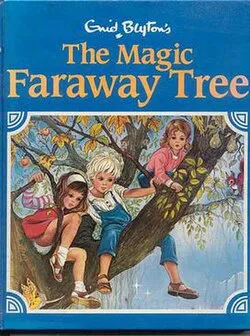
Now, with the new The Magic Faraway Tree film adaptation newly released in 2026, the world Enid Blyton created is taking hold of imaginations and making magical treehouses feel like ‘home goals’ once again.
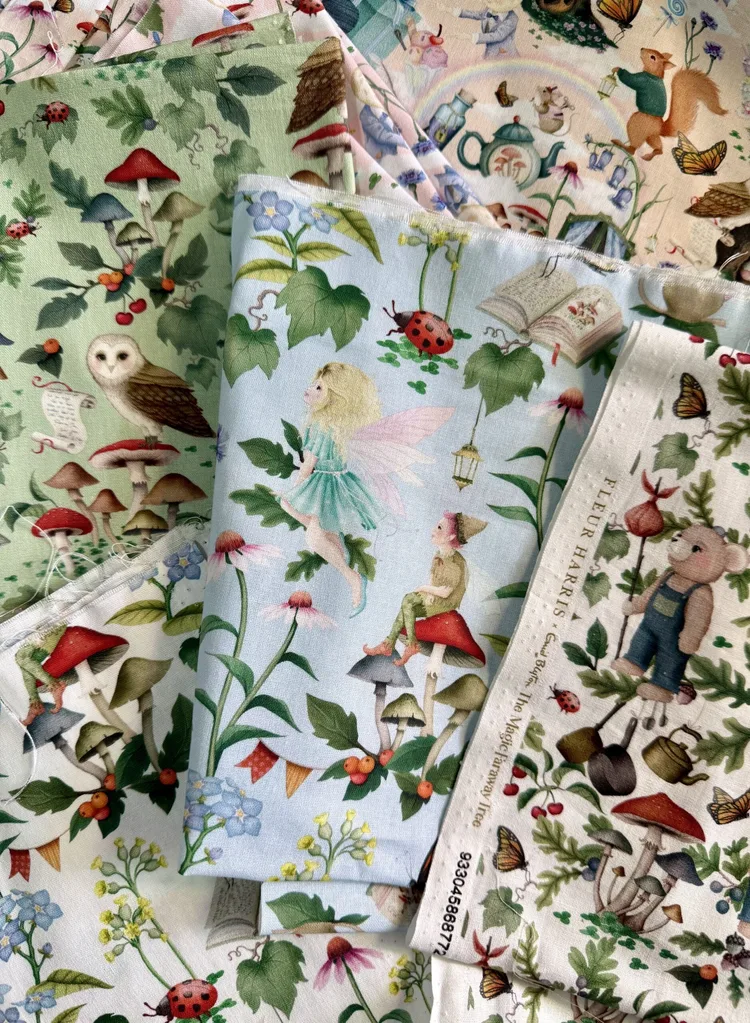
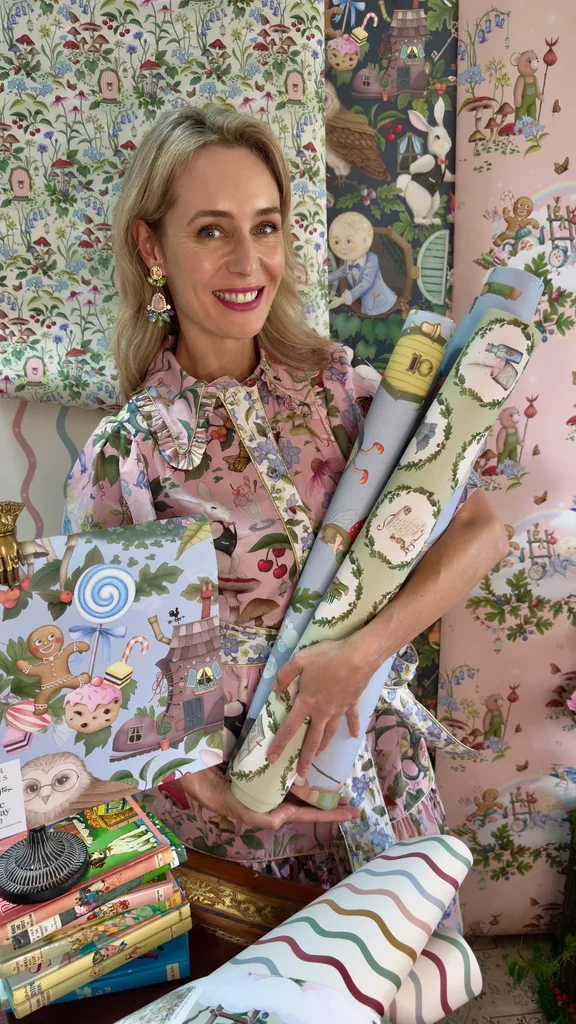
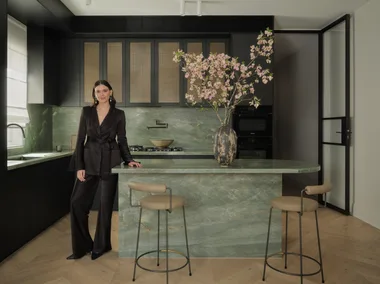
Australian artist and product designer Fleur Harris is helping usher this whimsical world into the current design space, with the release of her Magic Faraway Tree collection.
She received special approval, from the Enid Blyton Estate no less, to create a body of work inspired by the Faraway Tree stories. “These books were among my favourites as a child, so to be invited to reimagine them through my own artistic lens felt profoundly meaningful,” she says.
Part of the enduring appeal lies in the balance Enid Blyton struck between escapism and comfort. “There’s something deeply reassuring about the world Blyton built,” Fleur explains. “It’s joyful and it’s exciting, and no problem is ever too big that they can’t work together to solve.”
For the collection, Fleur has created a plethora of Magic Faraway Tree-inspired pieces, including quilting fabrics with Spotlight, wallpaper with Milton & King, children’s bedding with Adairs, potion kits with The Little Potion Co and accessories that are in the works with Erstwilder.
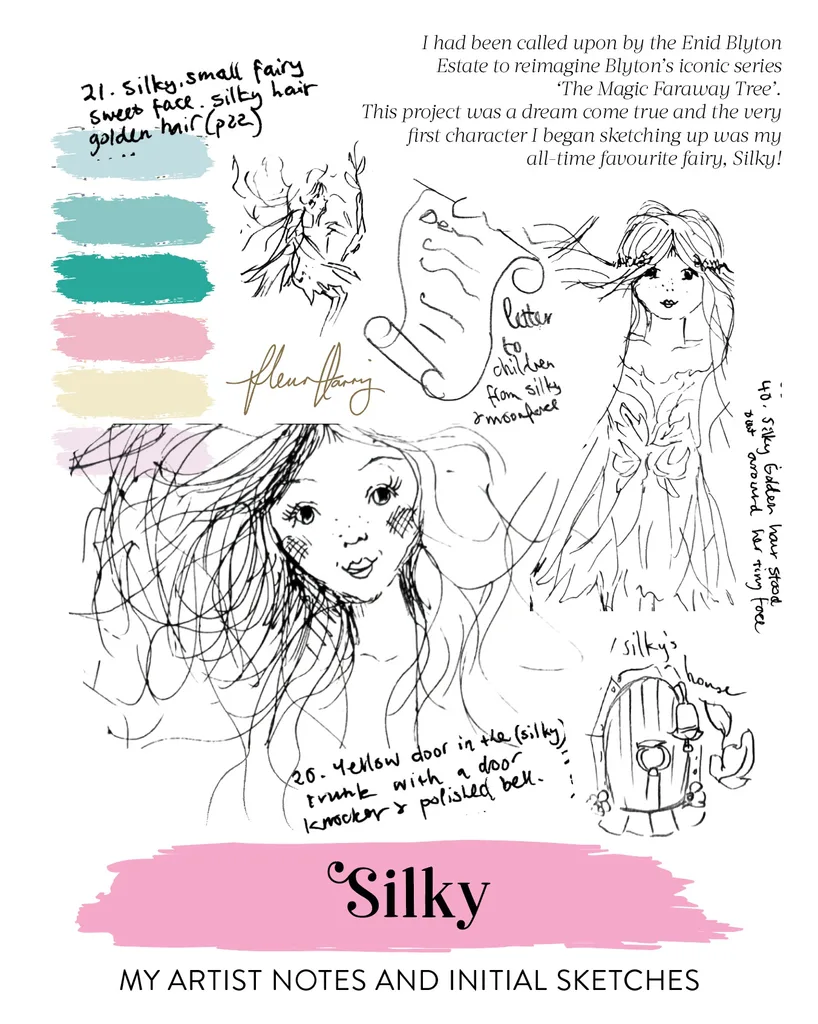
We spoke to Fleur about the classic Enid Blyton stories, why they’re still appreciated today and what was involved in reimagining the world for a new generation.

Where did Enid Blyton live – and how did she write so much?
Enid Blyton produced imagined worlds at an almost unimaginable pace. At the height of her career, she was known to write up to 10,000 words a day, sometimes finishing a book in a week. Over 45 years, that added up to more than 700 titles, from The Famous Five to The Magic Faraway Tree.
For Fleur Harris, that creative stamina is part of the fascination. “What strikes me most, the deeper I’ve gone into her world, is the sheer scale of her output and her absolute commitment to the power of imagination for children,” she says. “She wrote prolifically – many hundreds of books – and she did so with a genuine belief that stories could shape a child’s sense of wonder and possibility.”
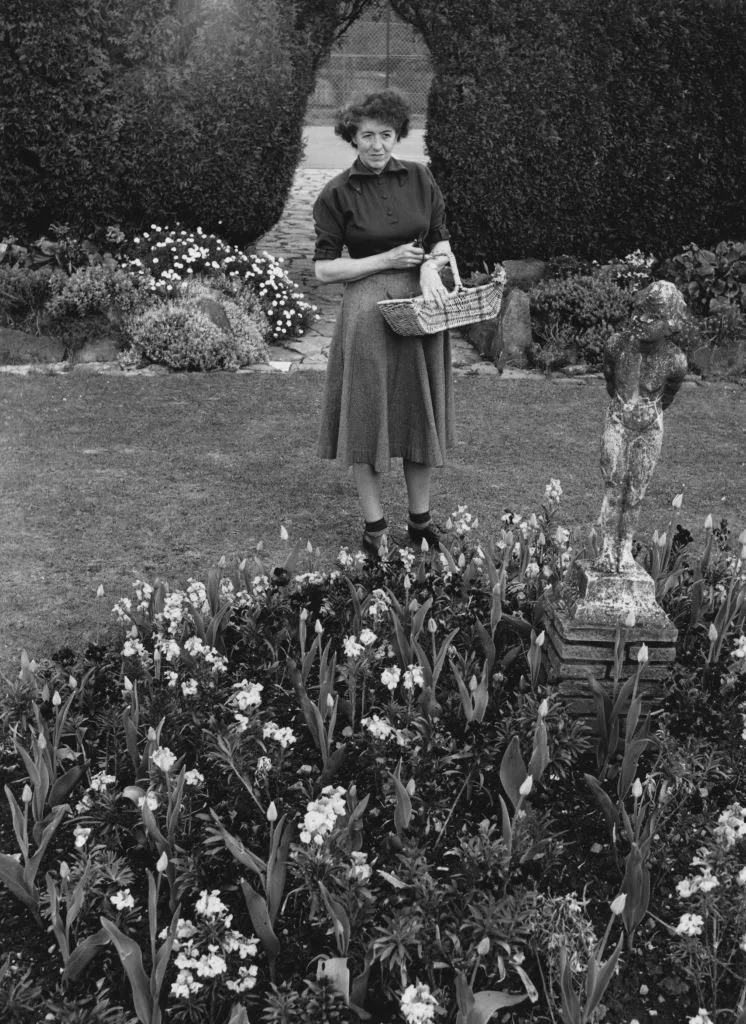
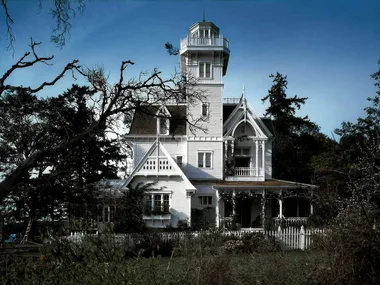
Enid Blyton’s real-life homes in the UK, however, were slightly more grounded than her stories. Her best-known residence, Green Hedges in Beaconsfield, was a solid 1920s brick house set among leafy gardens, with lawns, flower beds and mature trees. It was here she wrote much of her work, from a simple, orderly study overlooking the garden.
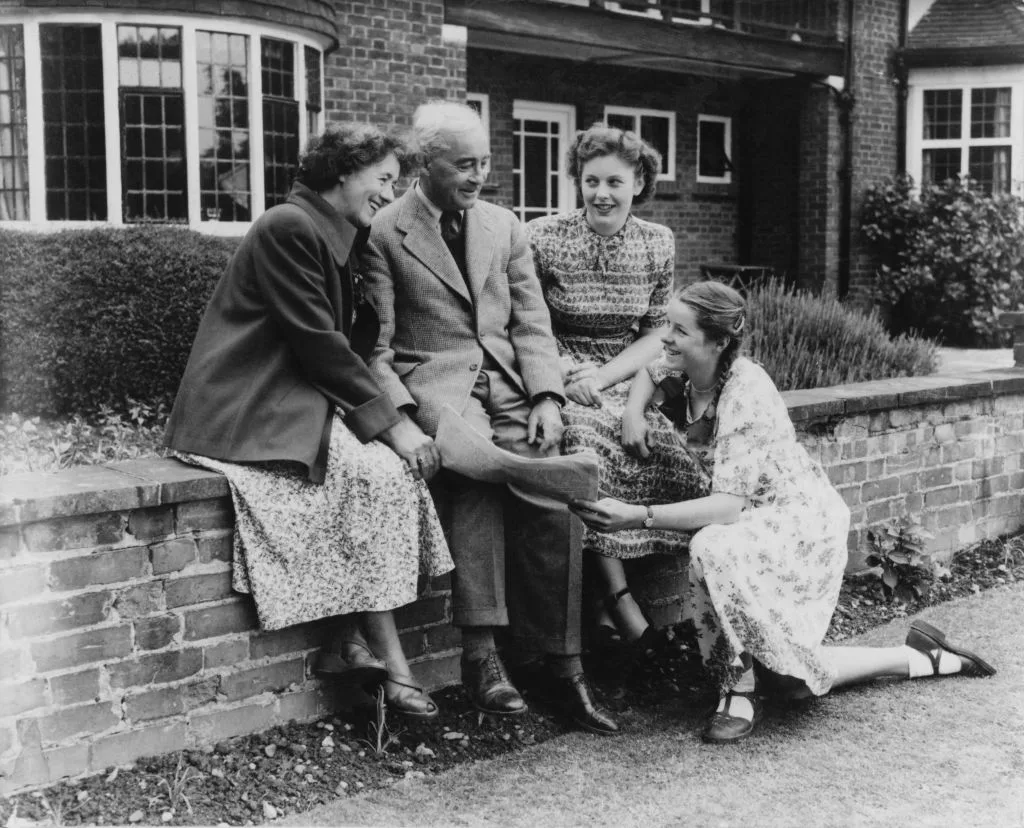
Earlier, she lived at Old Thatch in Bourne End, a charming 16th-century cottage with a thatched roof, low ceilings and exposed beams. Surrounded by countryside, woodland and rivers, it’s easy to see how this setting may have nudged her imagination towards enchanted forests and towering trees.
What is the Magic Faraway Tree about?
The Faraway Tree book series follows siblings Joe, Beth and Frannie (originally Jo, Bessie and Fanny), who discover an enormous tree with a top that reaches ever-changing magical lands – from the Land of Birthdays to the Land of Topsy-Turvy. “They were among my most treasured books! I was completely enchanted by them,” says Fleur. “What Enid Blyton created with the Faraway Tree series is so special. I believe that children adore these stories because they speak directly to something fantastical yet wholesome – the belief that magic is real and adventure is just around the corner.”
What is the order of The Magic Faraway Tree series?
Book 1: The Enchanted Wood (1939)
Book 2: The Magic Faraway Tree (1943)
Book 3: The Folk of the Faraway Tree (1946)
Book 4: Up the Faraway Tree (1951)
There’s also a new The Magic Faraway Tree book by Jacqueline Wilson, released in 2026. It’s the story of the film, inspired by Enid Blyton’s story.
Where can I watch The Magic Faraway Tree in Australia?
The Magic Faraway Tree is screening in Australian cinemas from March 27, 2026. With a new adaptation bringing the story to screen, the timing feels just right. “I think the world is genuinely hungry for wonder right now,” says Fleur.
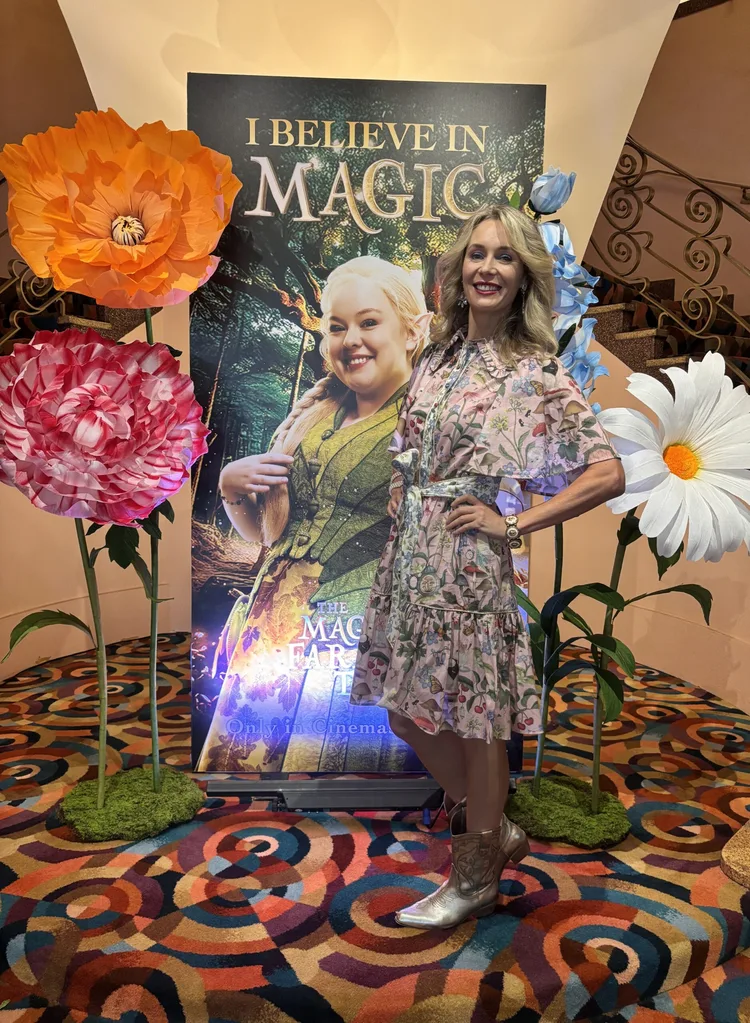
“The world is going to some very dark places in recent times, and as a result many people are seeking out joy, nostalgia and the kind of storytelling that reminds us what it feels like to truly believe in something magical,” adds Fleur.

What is Fleur Harris’ Faraway Tree collection?
Spanning collaborations from wallpaper to children’s bedding, the collection brings a little of the Enchanted Wood into our own spaces. “My signature style is highly detailed and illustrative – rich with pattern, texture, foliage, hidden creatures and intricate layering,” Fleur explains. “I wanted every piece of artwork to reward a second and third look.”
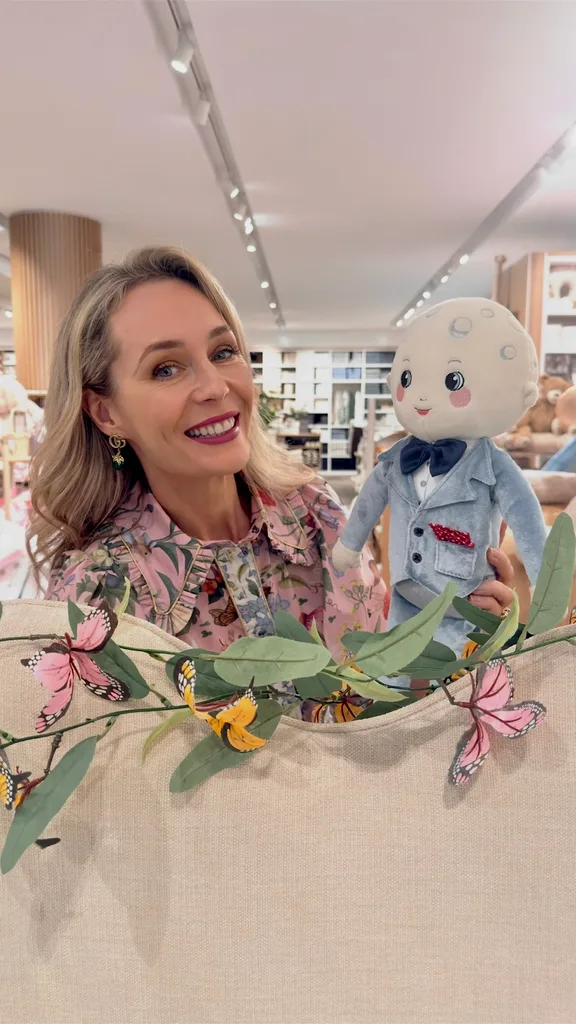
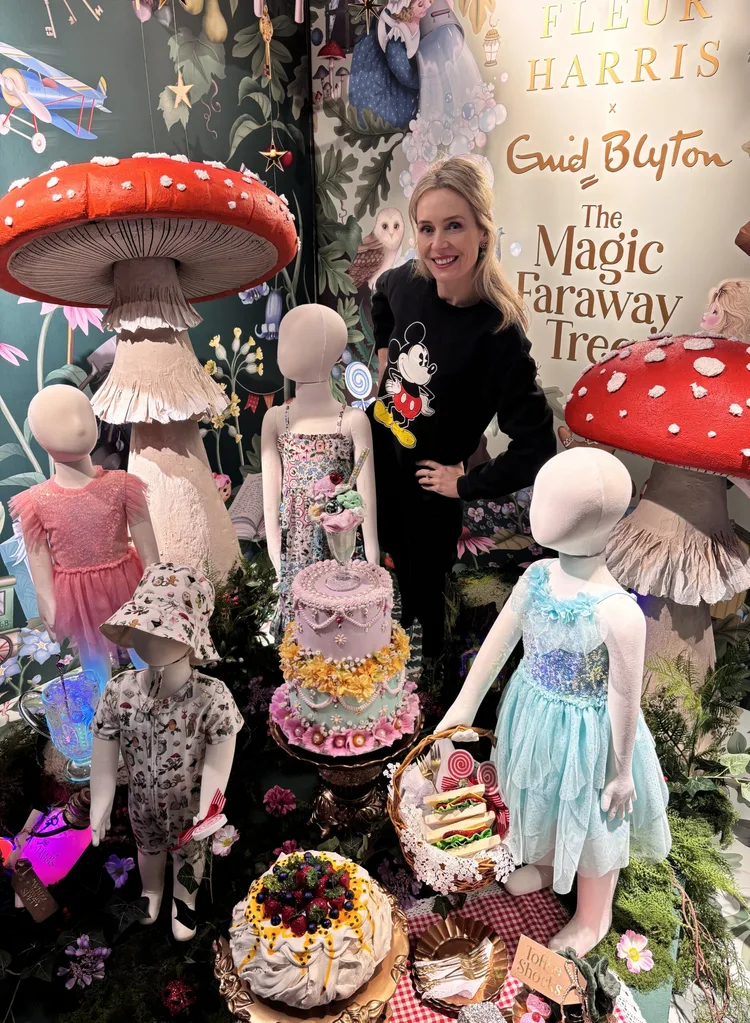
Another special project for Fleur was creating a Magic Faraway Tree window installation at David Jones in Melbourne’s CBD. “I spent two full months building props by hand,” she says.
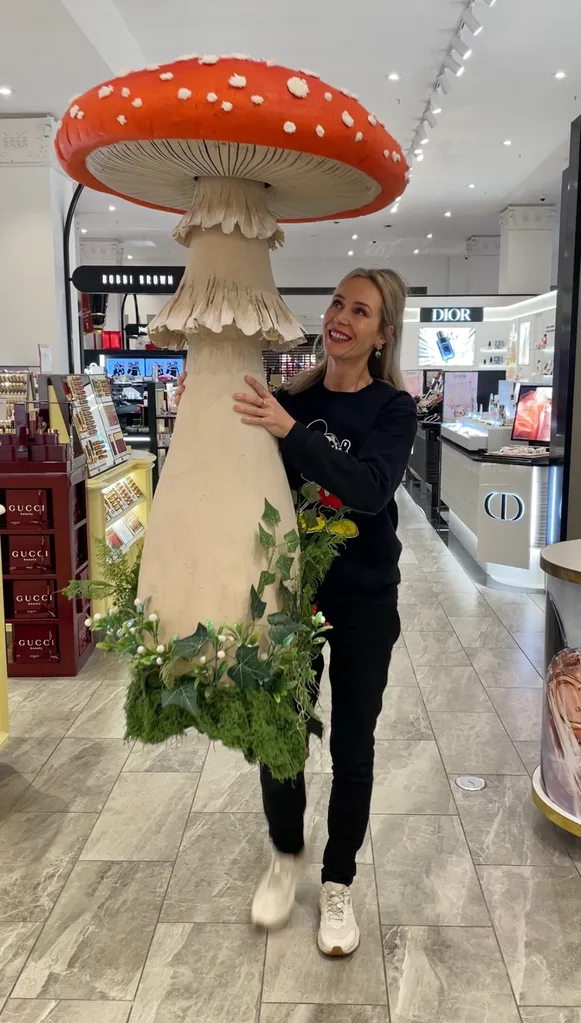
“Giant mushrooms, an oversized Faraway Tree book, an entire fake picnic with sandwiches and a pavlova and homemade lemonade, all set amongst enchanted forest elements. It was constructed largely by hand using foam and all manner of creative materials.”
Can a home still feel magical as an adult?
Spellbinding trends such as whimsical interiors and dark cottagecore are particularly popular in 2026, embracing quirky touches and a sense of magic.
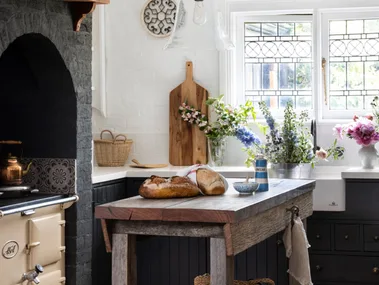
Fleur carries that philosophy into her own 1908 Edwardian home, where toadstools and other forest nods abound. “I approach my home the way I approach my artwork – with patience, passion, and an absolute refusal to settle for anything that doesn’t spark joy,” she says.
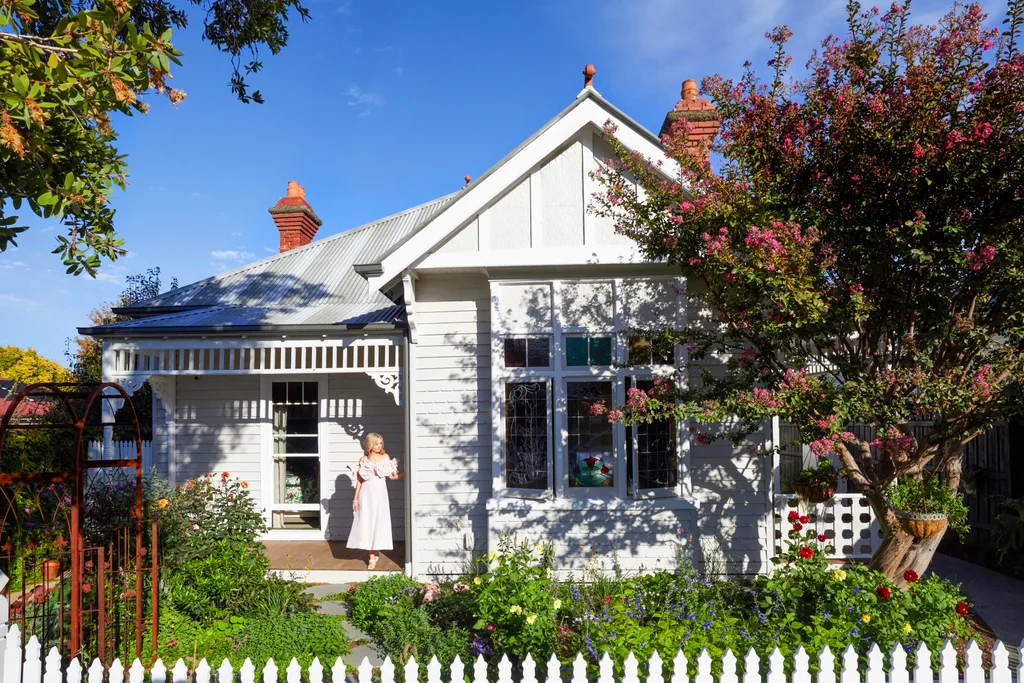
And as for whether we ever outgrow enchantment? “Absolutely not… Magic isn’t the exclusive domain of childhood. It’s a way of seeing… I think the people who hold onto that sense of wonder and curiosity are some of the most vibrant, joyful, creative people I know.”
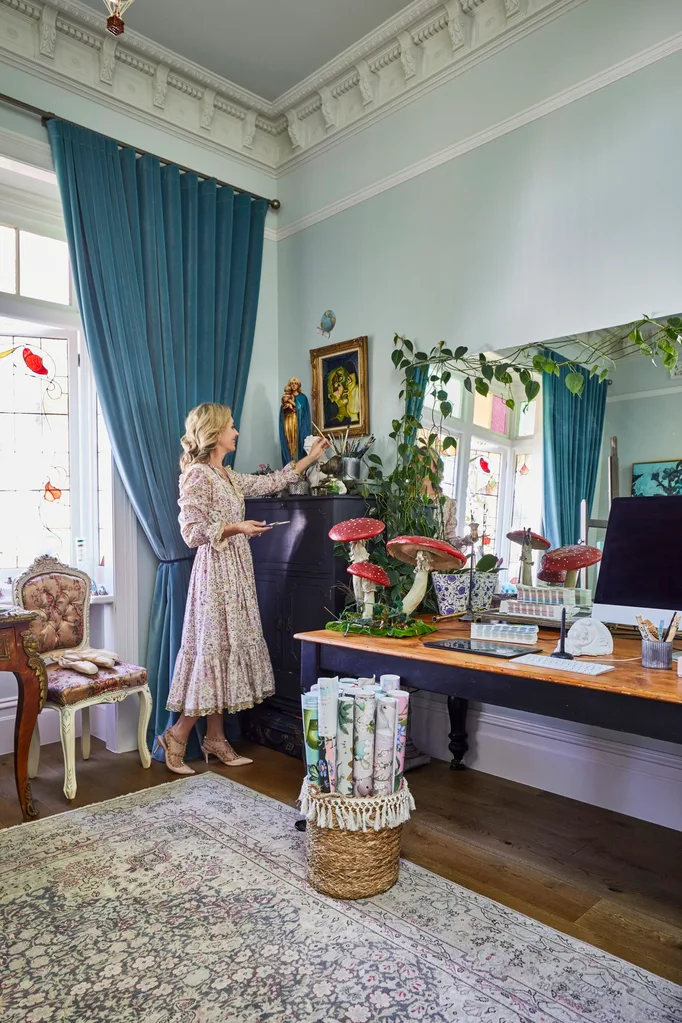
Explore the full Magic Faraway Tree world created by Fleur Harris on her website.

