


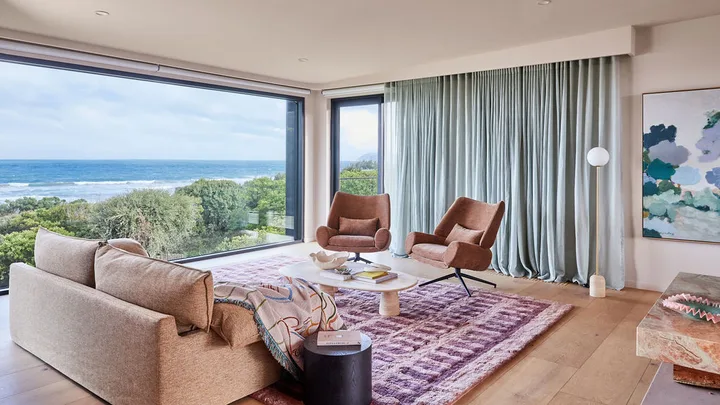
 Photography: Stephanie Rooney ; Styling: Julia Green
You may find a matching living room set oddly satisfying. Items tailor-made to go together should, in theory, look better, right? Wrong!
There’s a reason interior designers actively root against matching your living room furniture, and the reason is simple. It just may not look as good as you think.
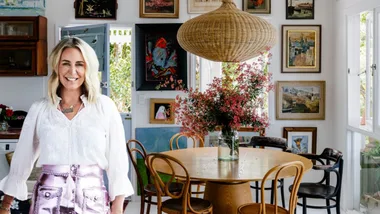
Interior stylist and resident expert on My Reno Rules, Julia Green, recently posted a video on her social media pleading people not to buy “matching sets of anything”. “I know it feels efficient and it feels very grown up. It feels like you’ve absolutely nailed your life in one transaction,” Julia began.”But what you’ve actually done is you’ve recreated a showroom, and not even a good one. When everything matches, same timber, same shape, same finish, a room falls completely flat.”
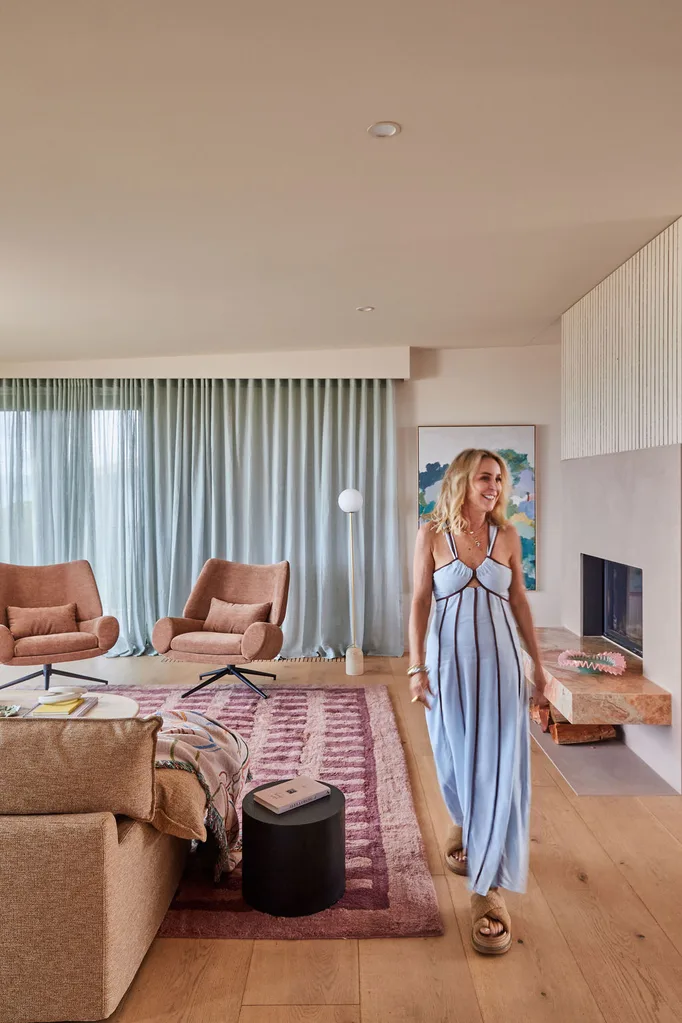
Consider our interest piqued!
Unfortunately, not all of us have Julia’s expert eye. Buying a matching living room suites can be easier, and, sometimes, even more affordable than buying items piece-by-piece. But perhaps we just need the tools to think like an interior stylist. We reached out to Julia to elaborate on why she wouldn’t go near a matching set – and what to do instead for a beautiful living room.
Does your living room furniture need to match?
Interior designers will all tell you that your living room furniture doesn’t need to match. In fact, it probably shouldn’t.
“I generally advise against buying the matching suite because it can make a home feel overly predictable and a little devoid of personality,” interior stylist Julia Green told Home Beautiful. “The most beautiful interiors rarely look as though they were purchased in one hit during a long Saturday spent wandering through a furniture warehouse with a sausage roll in hand. They feel collected, layered, and evolved over time.”
Listen to Julia Green on The Edit podcast:
Why non-matching furniture is better
A stylish room requires personality, and matching all your furniture is like copying from a catalogue. “I like tension in a room,” begins Julia. “And by tension, I mean the visual push and pull created through mixed materials, varied heights, contrasting silhouettes, and pieces that don’t all speak in exactly the same voice. That’s what gives a home energy and soul.”
It’s about creating interest through pieces that maybe ‘shouldn’t’ go together, but just do!
I like tension in a room… the visual push and pull created through mixed materials, varied heights, contrasting silhouettes, and pieces that don’t all speak in exactly the same voice.
— Julia Green, Interior Stylist
5 tips to style your living room so it feels cohesive (but not matchy-match!)
You may understand that buying matching furniture can be a little boring — but saying it doesn’t actually help you create a living room like an interior stylist. Let’s start your education:
Jump to:
1. Layer your decor
Interior design experts often speak about “layering” to create an interesting room. But what exactly does that mean?
“Layering is what transforms a room from feeling flat into something with warmth and depth,” Julia begins. “It’s the combination of texture, lighting, art, textiles, sculptural pieces, books, timber, stone, vintage finds, and objects with meaning.”
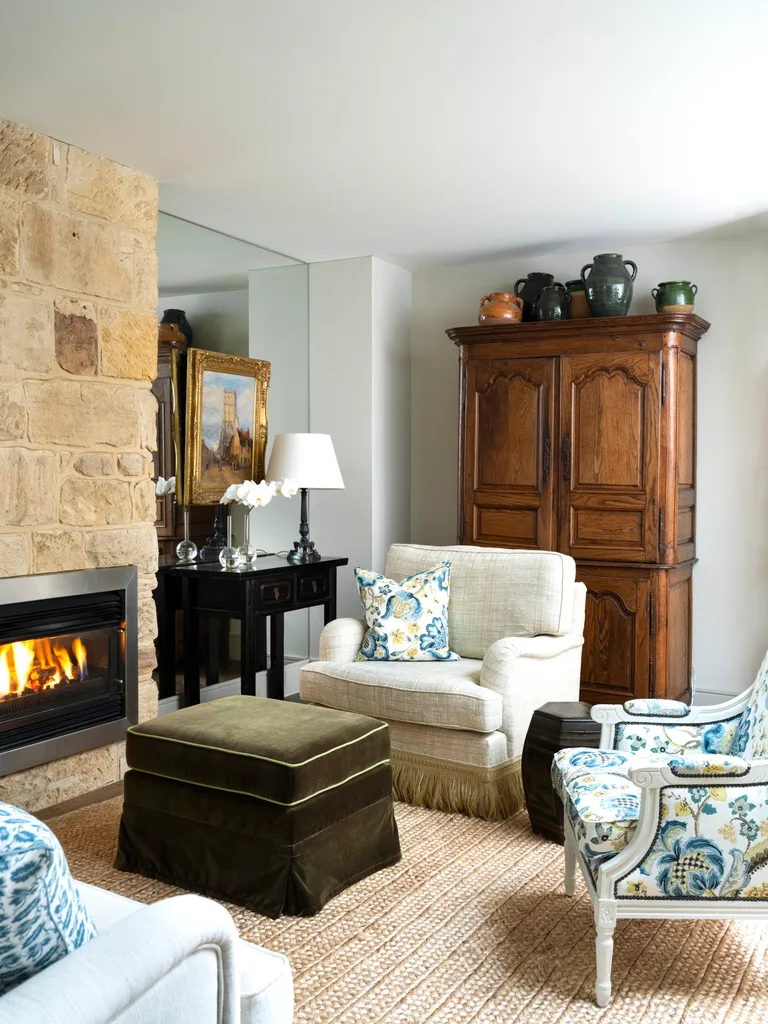
Think of it like styling an outfit: It can look completely different once you add a scarf, hat, necklace, jacket or tie. In a home, your big-ticket furniture items (sofas, dining tables etc.) often provide the foundations, then you use decor or smaller furniture items to connect or complete the ‘look’.
“Without layering, a room can feel a little emotionally unavailable,” Julia continues. “The best homes have visual rhythm to them. Your eye moves naturally around the space because there are moments of contrast, softness, scale, and surprise.”
2. Don’t match your side tables
On her social media, Julia said, “For the love of God, let your side tables be different.”
“I often prefer side tables that are different from each other, and certainly different from the coffee table or surrounding pieces. Not wildly unrelated, but varied enough to create interest,” she elaborates in our interview.
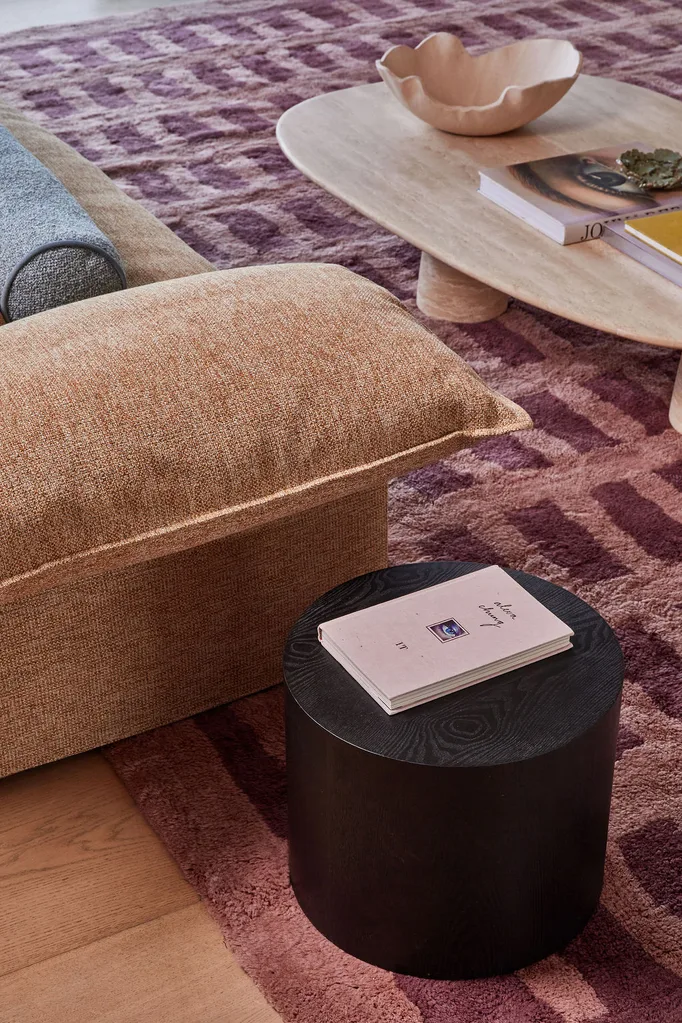
When buying these items, consider how they will complement each other, but not match.
3. Focus on a theme
When it comes to interior styling, sticking to a ‘theme’ is different to matching everything. Your armchairs can be different to your sofa. Your coffee table can be different to your console. Not all your cushion covers need to be from the same collection.
A theme might refer to a colour scheme, a design era, or even one of those catchy, Pinterest aesthetics, like ‘dark cottagecore‘ or ‘Japandi‘.
Just beware of going ‘too hard’ on your chosen theme. Strict adherence can start to look gimmicky. This is where balance comes in.
4. Aim for balance
Play with texture, colour, prints, or materials to counterbalance your key items. “I always encourage people to think about balance rather than matching,” Julia says. “The key is finding pieces that relate to one another without looking like they arrived as part of a package deal.”
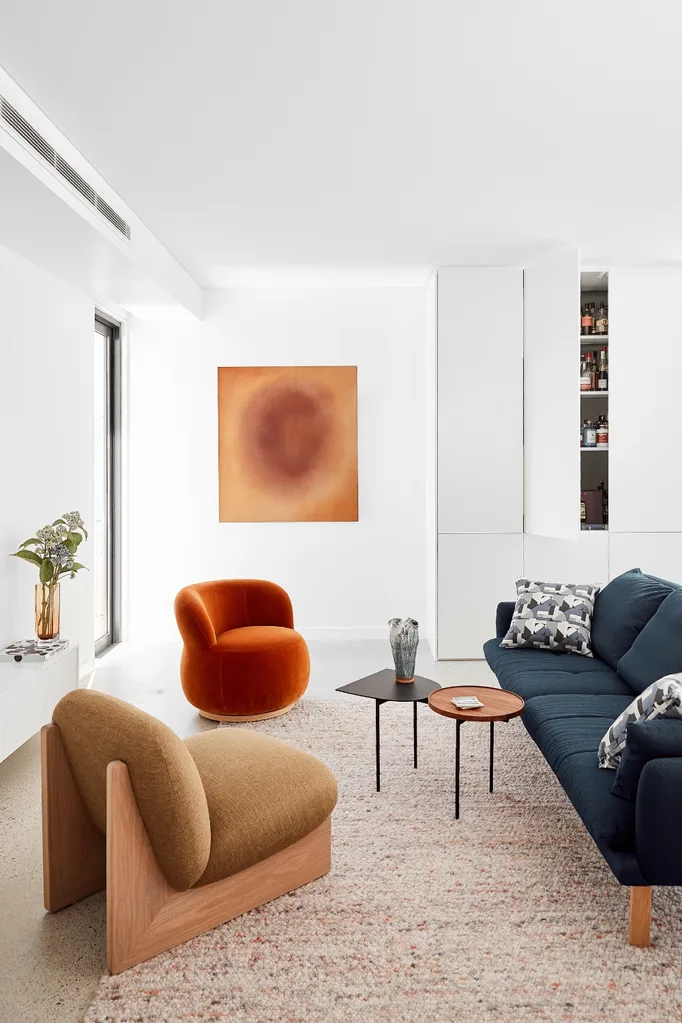
“A soft linen sofa might work beautifully beside a heavier stone coffee table, or a sculptural curved armchair might offset a more tailored piece,” Julia explains. “Contrast is what keeps the eye engaged. If everything is the same shape, finish, and tone, the room can lose depth very quickly.”
5. Make bold choices
“Avoid playing it too safe, Julia encourages. “Vary your shapes, heights, finishes, and lighting. Include pieces with history or humour or sentiment. Bring in oversized art, interesting lamps, collected objects, and natural materials that age beautifully over time.”
Shying away from self expression is a missed opportunity in home styling. Allow yourself to play and embrace your difference instead of sticking to trends you were told to follow.
When matching living room furniture can work
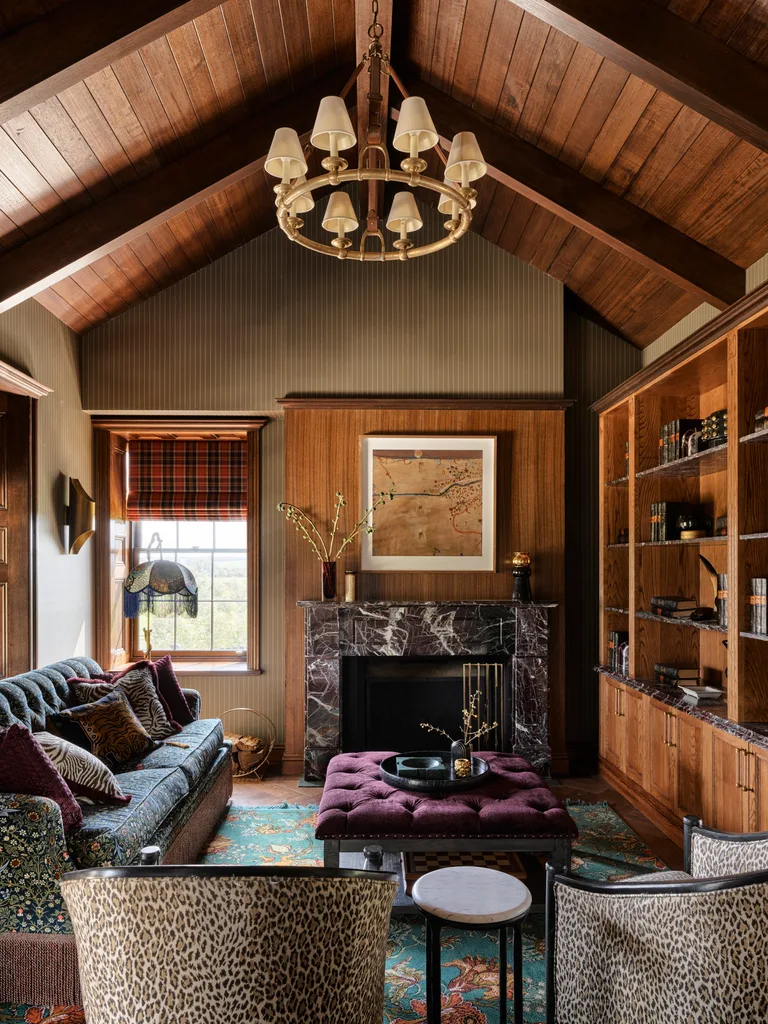
When executed with care, matching furniture can help create a sense of tranquility in the space. “When symmetry is intentional and the architecture supports it, matching furniture can work beautifully and create a wonderful sense of calm and order,” Julia Green explains. “Some people genuinely love that aesthetic.”
However, if you’re going to match your furniture, you will still need to layer your decor to create interest. If you find yourself modelling your entire living room after a showroom suite, stop! Consider how you can curate your space with some of your own personality, instead.
Curated homes reflect the people living in them. Their travels, experiences, taste, memories, and personality,” Julia reminds. “The most beautiful interiors feel layered over time rather than decorated in one sweep.”
Watch Julia Green on The Edit podcast:

