At the start of the 20th century, traditionally ornate architectural styles started to swing dramatically in the opposite direction. Moving away from an aesthetic that prized flowery embellishments and extravagant decoration, residential architects and designers started to prefer clean, geometric lines and as little adornment as possible. These new, modern styles prioritised functionality and simplicity over traditional ideas of beauty.
“Form follows function” became the architectural battle cry of the era. Movements like the Bauhaus promoted the idea that design should serve everyday life, seamlessly integrating both art and technology. Open floor plans, flat roofs, and the use of steel, glass, and concrete became defining features of homes.
Both distinction from and fusing with nature became the focus for architects, led by Frank Lloyd Wright, who pioneered organic architecture with iconic designs like his Fallingwater house. Swiss-French architect Le Corbusier introduced new ideas for high density housing and the concept of “machine for living in”, revolutionising layouts and the purpose of housing. German-American architect Ludwig Mies van der Rohe also came along to further refine modernism and minimalism with his eternally popular catchphrase “less is more”.
If you consider yourself a fan of modernism, minimalism or any of the premier home styles of the 20th century, allow us to offer this list for you to peruse (and add to your Pinterest board).
Ludwig Mies van der Rohe
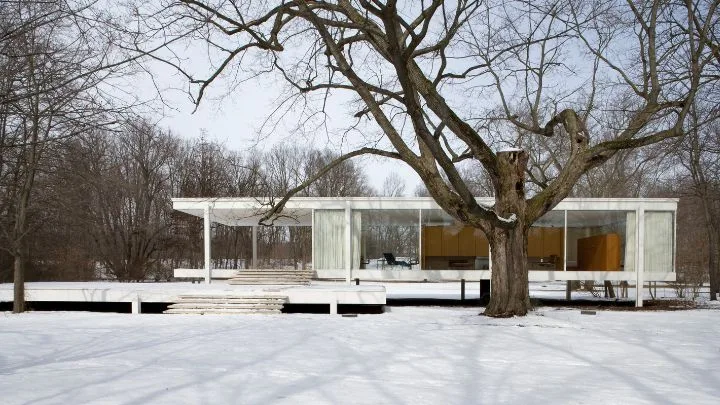
A leading figure in modernist architecture, Mies van der Rohe was known for his minimalist, “less is more” approach. As the last director of the Bauhaus school, he popularised the use of steel and glass in buildings. His iconic designs include the Barcelona Pavilion (1929), Farnsworth House (1951) and the Seagram Building (1958) in New York.
However, while many know his name, few realise he often worked in tandem with a designer Lilly Reich, who co-designed several famous Mies van der Rohe projects, including the Barcelona Chair and the Barcelona Pavilion. (More on her below!)
Mies van der Rohe’s influence persists today, with Australian interior designer Greg Natale saying his brand of minimalism aligns with the architectural great. “My type of minimalism is more like a Mies van der Rohe minimalism,” he said on Home Beautiful‘s The Edit podcast. “If you don’t know who Mies van der Rohe is, he really is the godfather of modernism, but his materials were rich. He used travertine and marble and chrome – they were rich.”
Lilly Reich
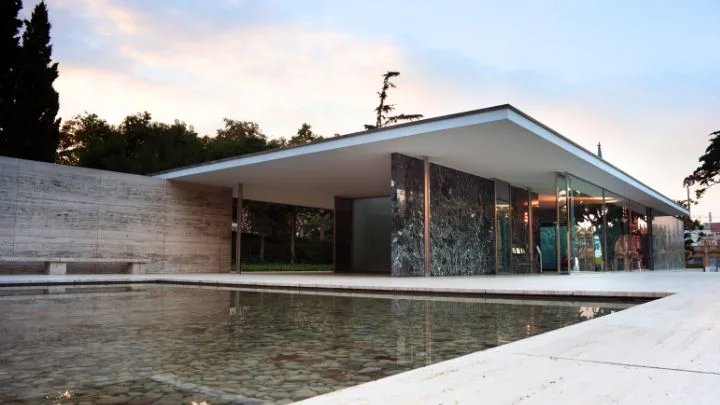
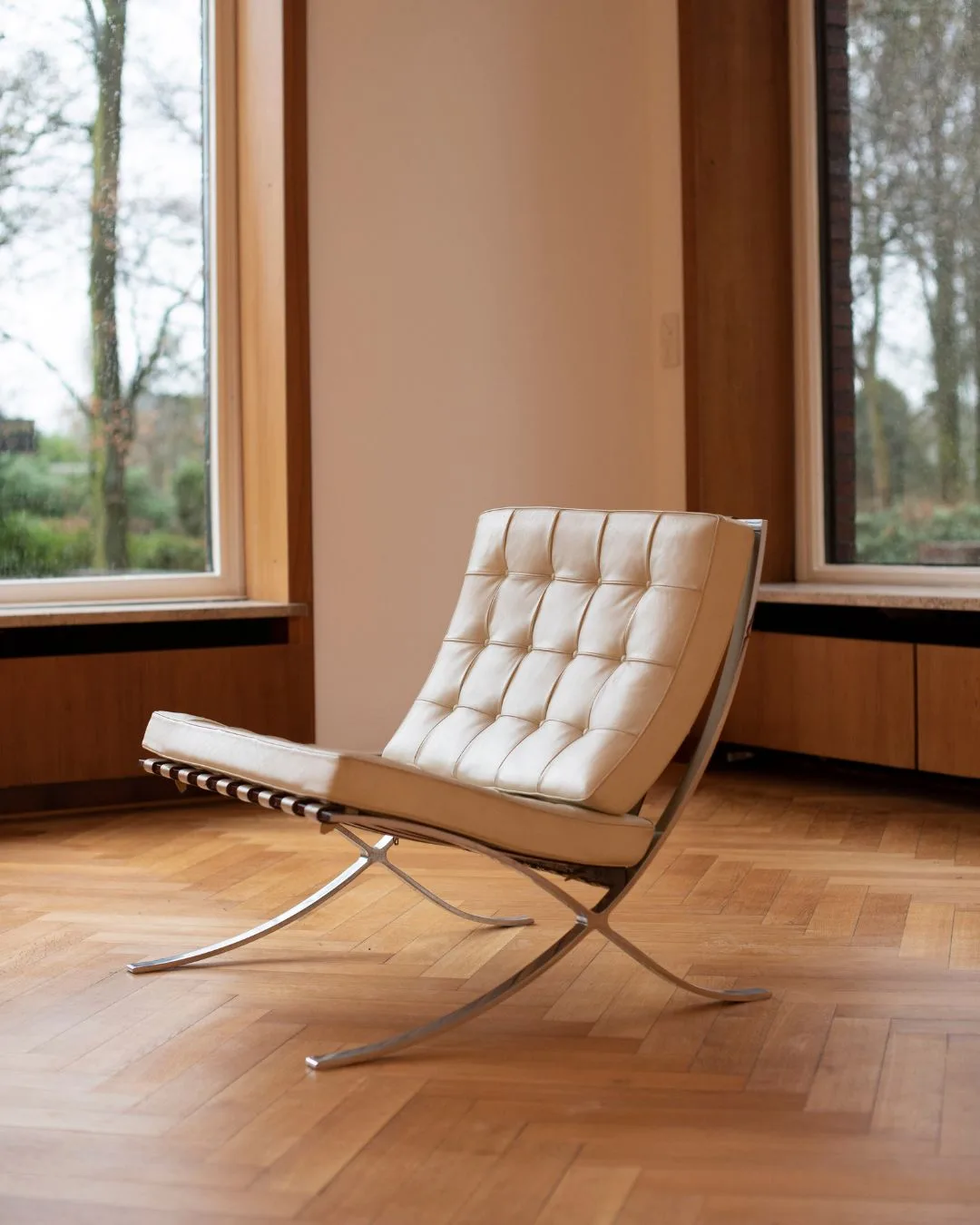
Lilly Reich worked in collaboration with Mies van der Rohe between 1925 to 1938. While Reich is often left out of receiving credit for their designs, she was equally responsible for their most famous works, including the Barcelona Chair and the Barcelona Pavilion. After Mies van der Rohe’s immigration to America, Reich continued to work on her studio and protected Mies’ works during WWII. She died of cancer in 1947.
Le Corbusier
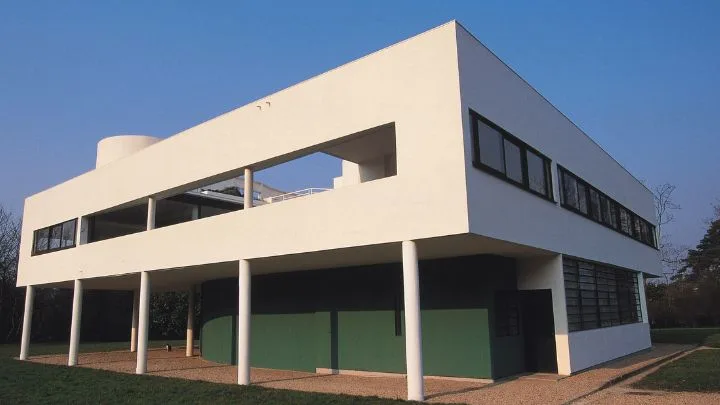
Le Corbusier’s background as an urban planner influenced his approach to architecture, which prioritised functionality and efficiency. He was a leader of the International Style (1920s – 1970s), which is instantly recognisable for its sharp lines and angles, and white facades. Le Corbusier championed architecture and design as a means of social transformation.
His Villa Savoye (1931) shows off his ‘Five Points of Architecture’ plan, while the Unite d’Habitation (1952) in marseille was key to brutalism and modular, high-density design. The idealisation of function over beauty continues today, as does Le Corbusier’s influence on colour via his 63 shades developed as part of his Architectural Polychromy palette, deployed to evoke certain moods and feelings.
Frank Lloyd Wright
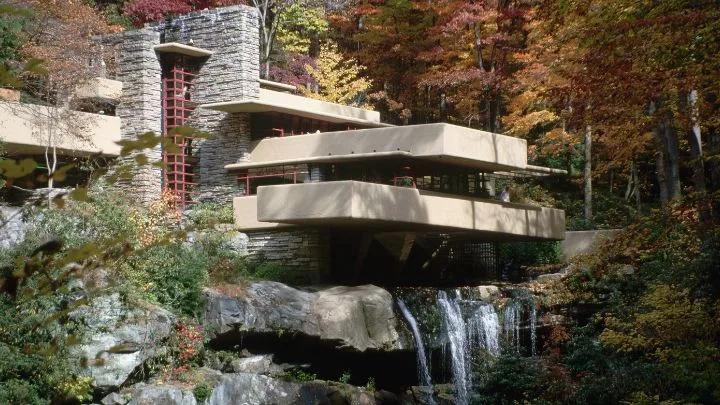
Frank Lloyd Wright continues to be one of the most recognisable modern architects thanks to his creation of the Guggenheim museum in New York (1959). However, his impact is arguably even greater in the world of residential architecture, thanks to his pioneering Prairie School and Usonian homes. Throughout the 1930s to 1950s, Wright designed at least 60 mid-century, single-storey Usonian homes with environmental ideals, affordability and utility in mind. The homes were crafted for passive temperature and light control, with an open floor plan to allow for air flow and natural light, with a built-in fireplace at the heart of the space. Utilising native building materials, and designed in an L-shape to accommodate a garden, these Usonian houses carried forth Wright’s organic architecture principles, which champion harmony between built structures and nature. The homes’ iconic flat roofs were said to be a “companion to the horizon”, working in visual harmony, but were also designed for solar control and cost efficiency thanks to large awnings providing additional shade and cooling.
Wright’s Organic Architecture style can be seen most prominently in his Fallingwater design (1935), which was built around a waterfall.
Today, several Wright principals continue to dominate residential architecture — particularly open-plan floor spaces and designing for passive temperature control. He also mentored a number of prominent architects, including Walter Burley Griffin, who designed Canberra.
Charles and Ray Eames
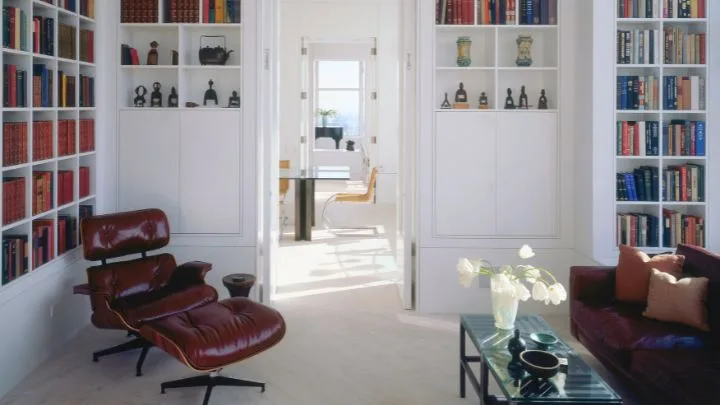
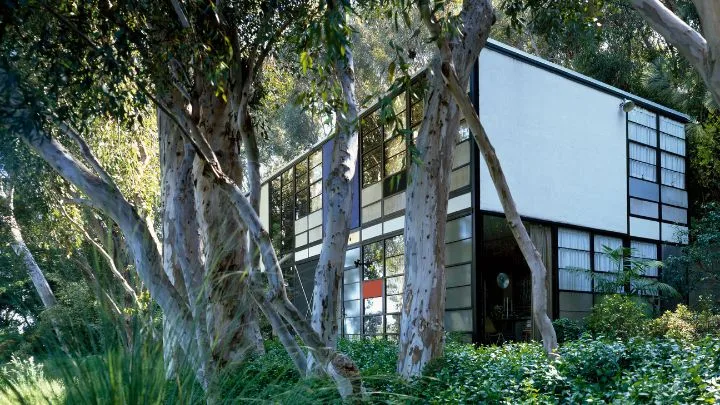
Furniture design would not be the same without this husband-and-wife duo. Charles and Ray Eames were focused on providing accessible, well-designed furniture, catering specifically to peoples’ functional needs. While today, Eames designs are famous for their aesthetic distinction, the original products were conceived out of a devotion to practicality, serviceability and care. The Eames’ most enduring design is the Eames Lounge Chair (1956), an ergonomic armchair and ottoman constructed of moulded plywood and aluminium, with leather-upholstered cushions. The duo also utilised plastic and metal wire to craft further chair ranges, including their moulded shell chairs.
Charles and Ray Eames also contributed several architectural works, notably the Eames House (1949), where they lived and worked, plus a range of other unique homes, including that of director Billy Wilder.
Harry Seidler
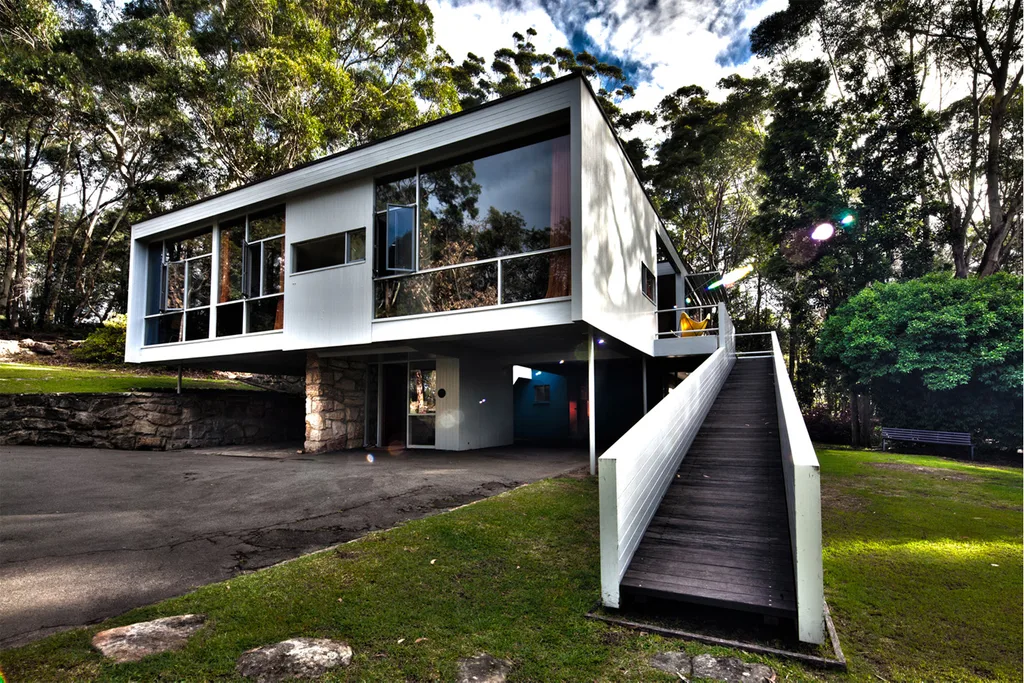
Austrian-born Harry Seidler became one of Australia’s most influential architects, designing a range of public spaces and structures — such as Australia Square and the MLC Centre — that would come to define Sydney. However, it can be argued that Seidler design is at its most impactful in the residential space. One could point to the Horizon tower in Darlinghurst: an icon of the Sydney skyline, famed for its scalloped façade and celebrity tenants, including Baz Luhrmann, Jacki Weaver, and interior designer Greg Natale. However, we have a soft spot for Rose Seidler House (1950), the mid-century modern home Harry built for his parents, Rose and Max Seidler.
Paul Rudolph
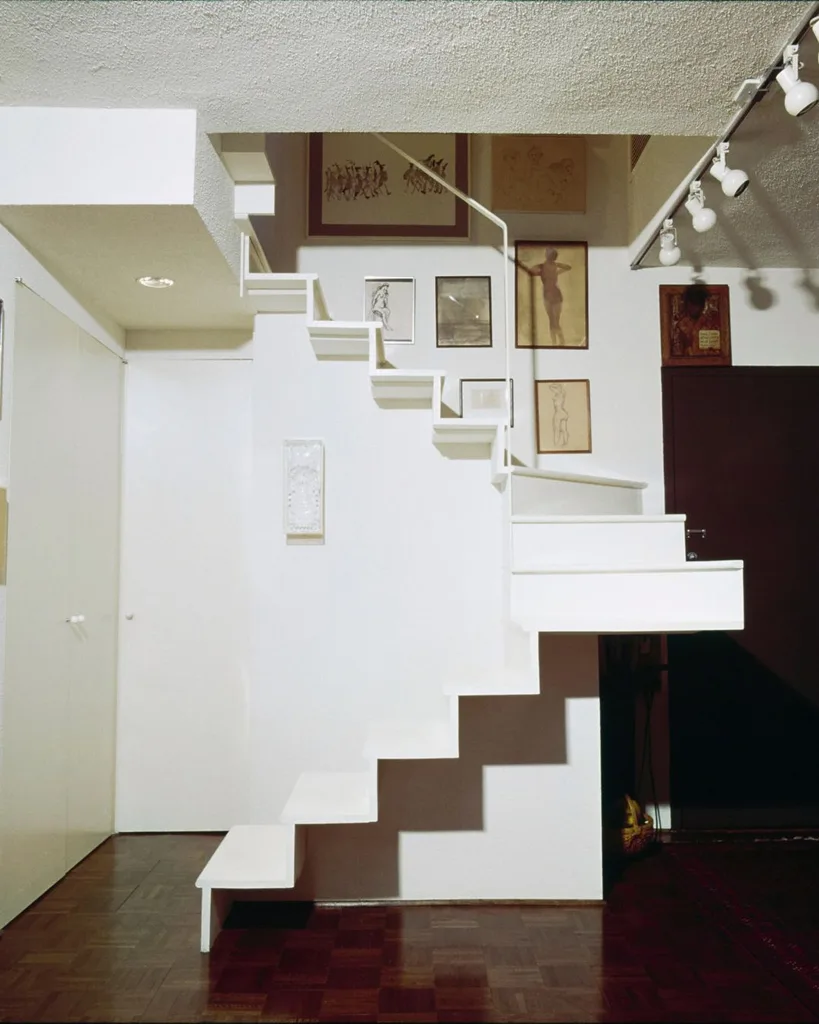
Famous for his brutalist designs, American architect Paul Rudolph emerged as a major name in mid-20th century architecture. While he is behind a number of public structures in the US, including the Yale Art and Architecture Building (1963) and Boston Government Service Centre (1962), you can also find his unique residential designs scattered across the nation. As far as private housing, Rudolph famously designed the Halston House in Manhattan, home to fashion designer Halston, and the Umbrella House in Florida (1953).
Richard Neutra
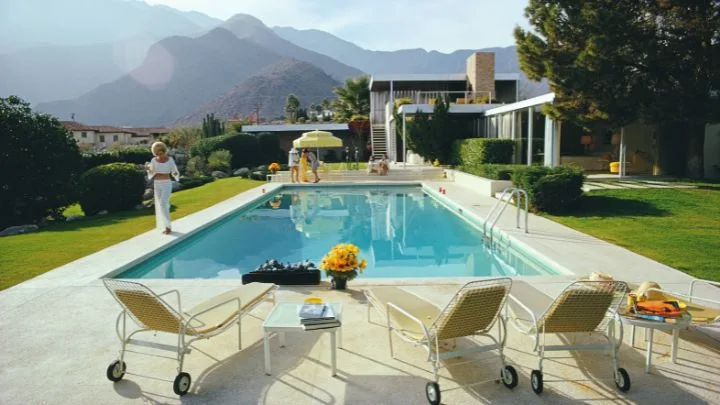
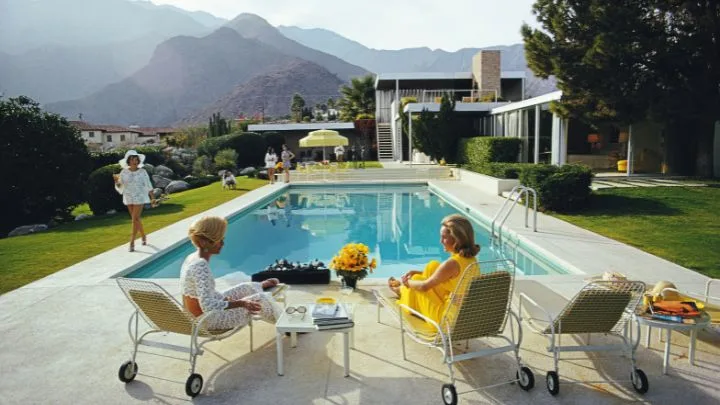
If you picture a home in 1960s Los Angeles, you’re most likely thinking of a Richard Neutra. Neutra’s Kaufmann Desert House (1947) in Palm Springs, immortalised by photographer Slim Aarons, came to define the the vibrant and glamorous poolside aesthetic synonymous with 1950s and ’60s California. Neutra’s design epitomised the popular mid-century modern style, inspired by Frank Lloyd Wright and his principles of organic architecture, taking full advantage of the natural elements of Southern California. Neutra was also reportedly the first American architect to create a completely steel-framed residence.
Eileen Gray
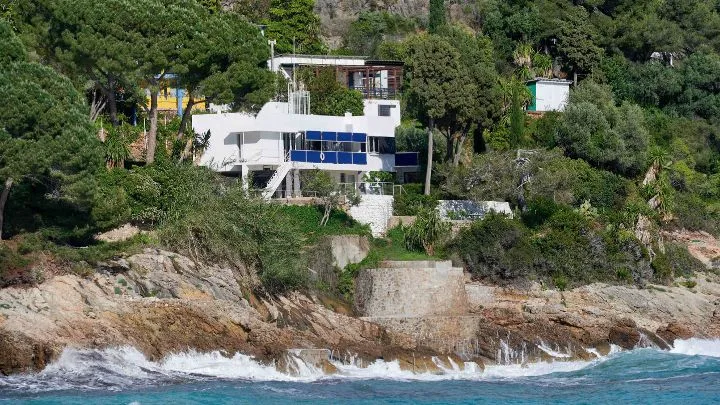
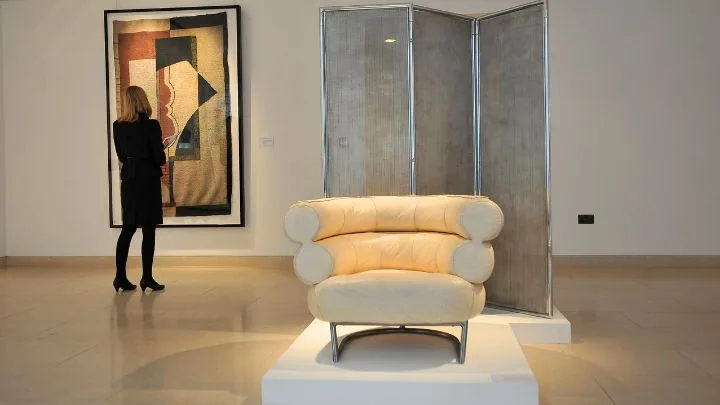
Despite never reaching the same fame as her male contemporaries, history has revised Eileen Gray as one of the most influential modernist designers and architects. Among her most famous architectural works is the E-1027 villa in Roquebrune-Cap-Marin on the French Côte d’Azur. Designed in collaboration with Romanian architect Jean Badivici, the white house on stilts is built to harness the best of the French Riviera climate and views.
Gray’s furniture designs, including the E-1027 side table and the Bibendum Chair, also instantly recognisable today.
Tadao Ando
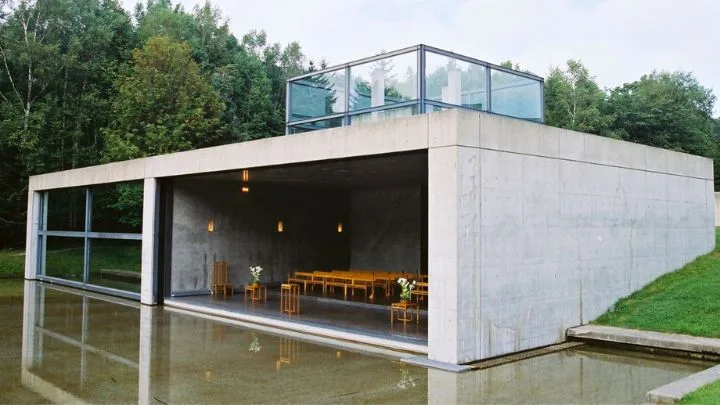
A self-taught architect from Japan, Tadao Ando is famous for blending Japanese and Western modernism, and for his prolific use of concrete. His striking concrete designs can be seen across the world, with the Church of Light in Osaka (1989), Church on the Water in Hokkaido (1988) among the most notable examples from the 20th century. Ando’s use of concrete has been praised as masterful with the architect marrying both nature and simplicity, and somehow creating softness and harmony with this hard, often stark, material. Ando has worked consistently from the 1970s to now.
Alvar Aalto
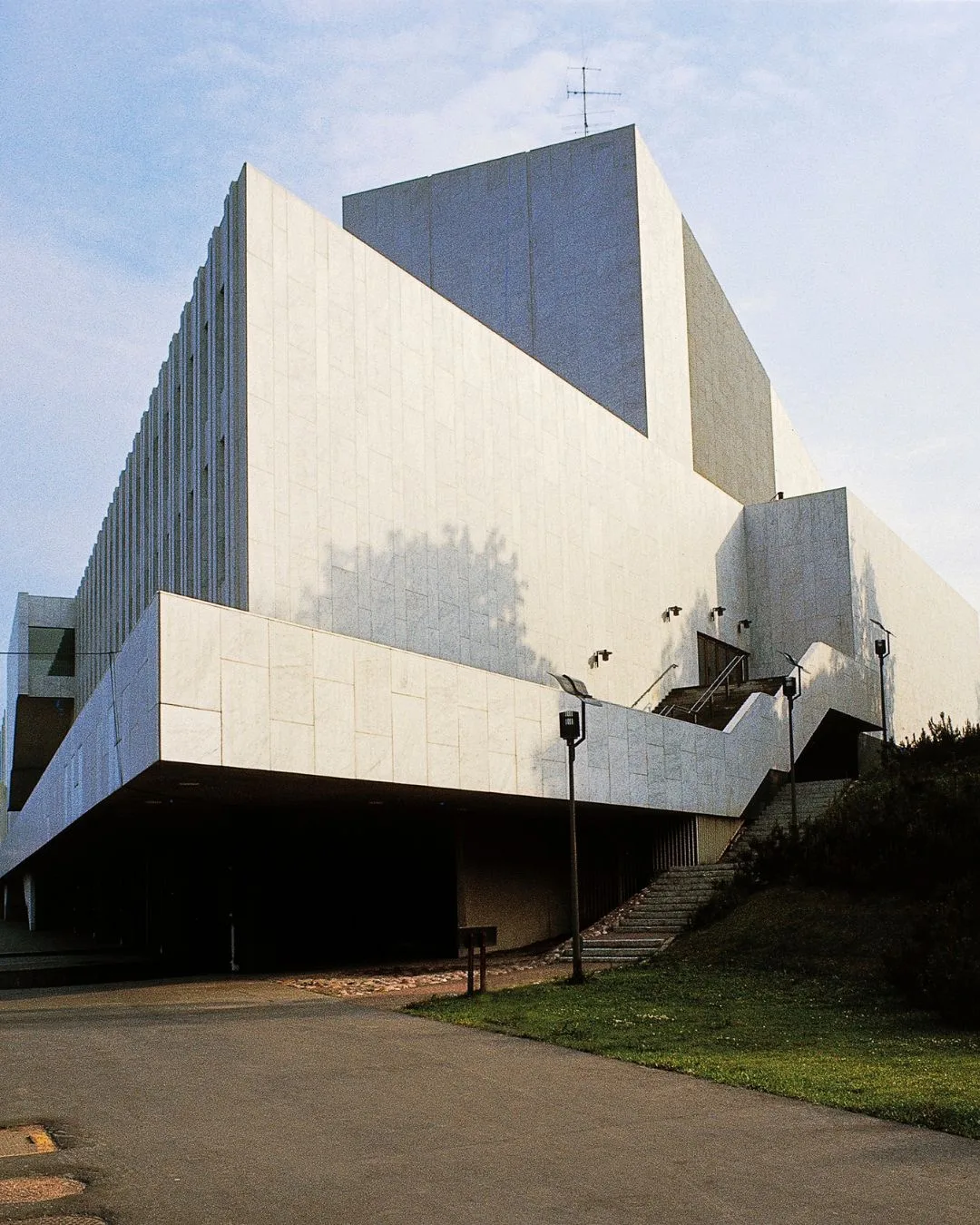
The Finnish architect and designer, Alvar Aalto, was also associated with the Organic Modernism school of architecture, designing several abstract-looking buildings in his native Finland. His organic forms continued into furniture design, including the Paimio Chair (1932) and the Aalto Vase (1936) — a wavy vase that continues to be replicated and mass produced today.
Geoffrey Bawa
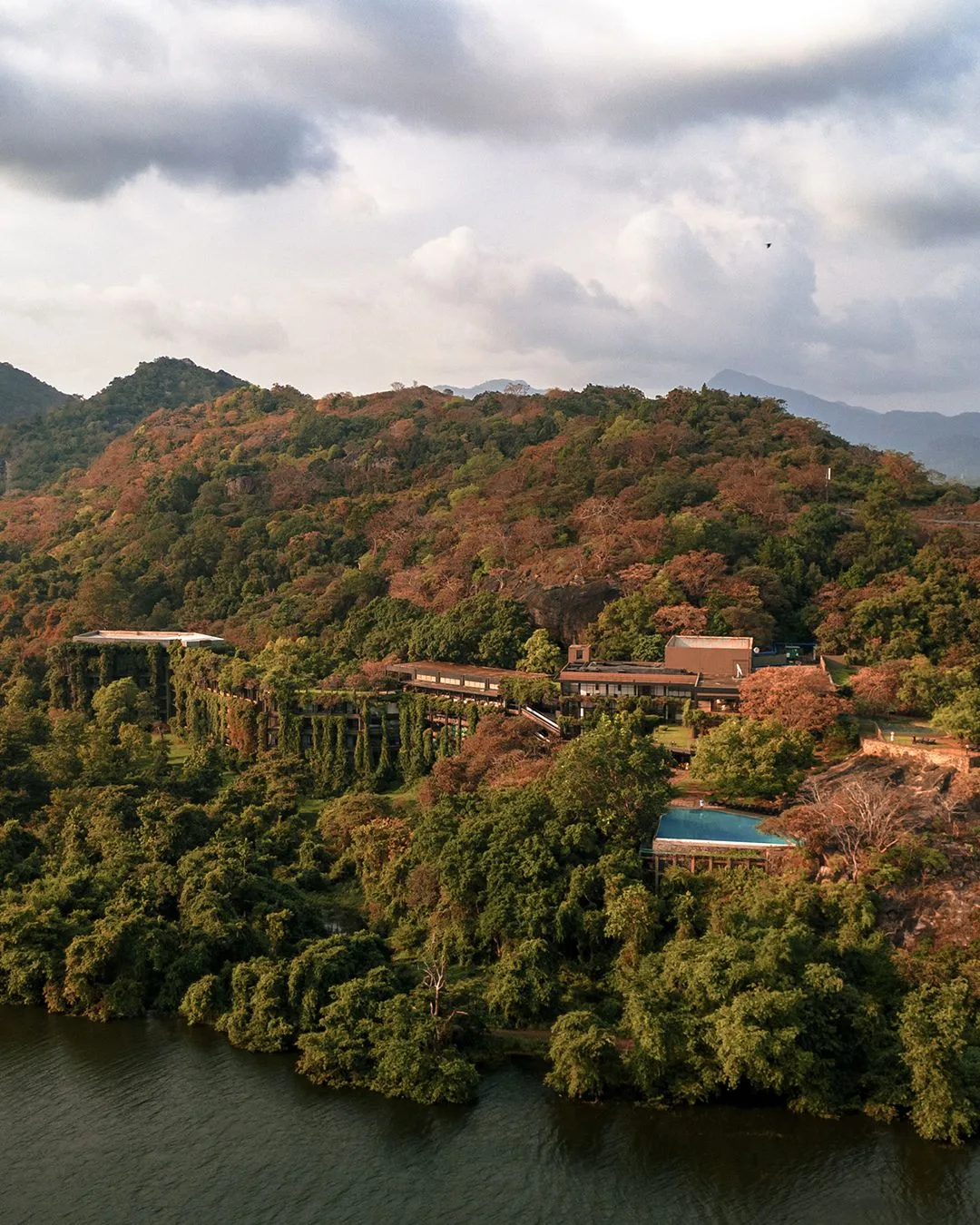
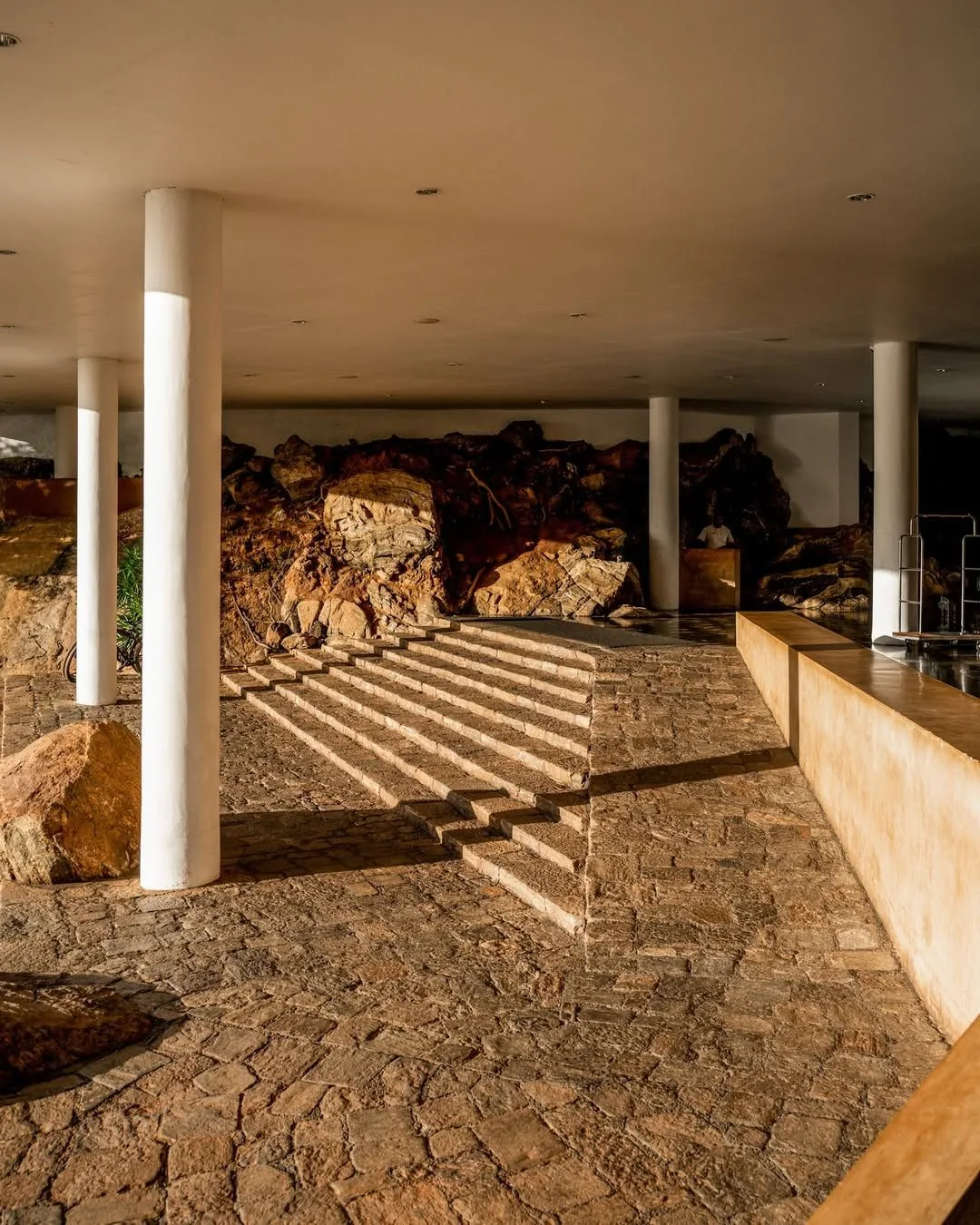
Modernism is often associated with western architecture. However, there are dozens of architects across Asia who championed the style on another continent. One such architect is Geoffrey Bawa, considered the father of Tropical Modernism. Bawa’s work maintained some of the principles of organic modernism, primarily by working around the elements. Given Bawa was based in Sri Lanka, he worked with different landscapes and climate conditions than western modernists. His most famous work include his own Lunuganga Estate (1948), Bawa’s country house-turned-hotel, and the Heritance Kandalama hotel (1991), which is built discreetly into a rock face overlooking the sprawling Kandalama reservoir and surrounding national parks.

Related stories
Native ad body.

Native ad body.


Native ad body.