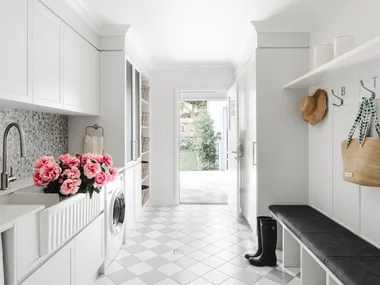
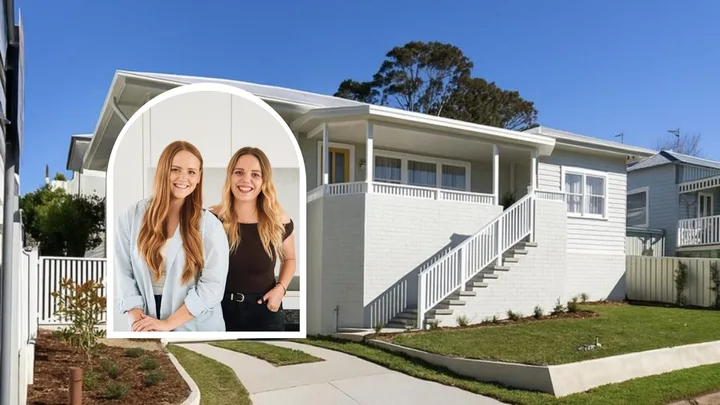
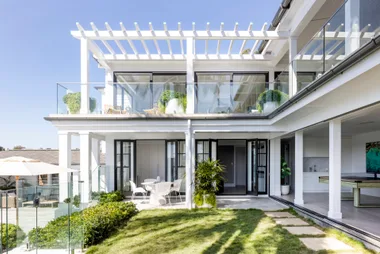
 Image: RealEstate.com.au / Supplied by Maddy and Charlotte Harry
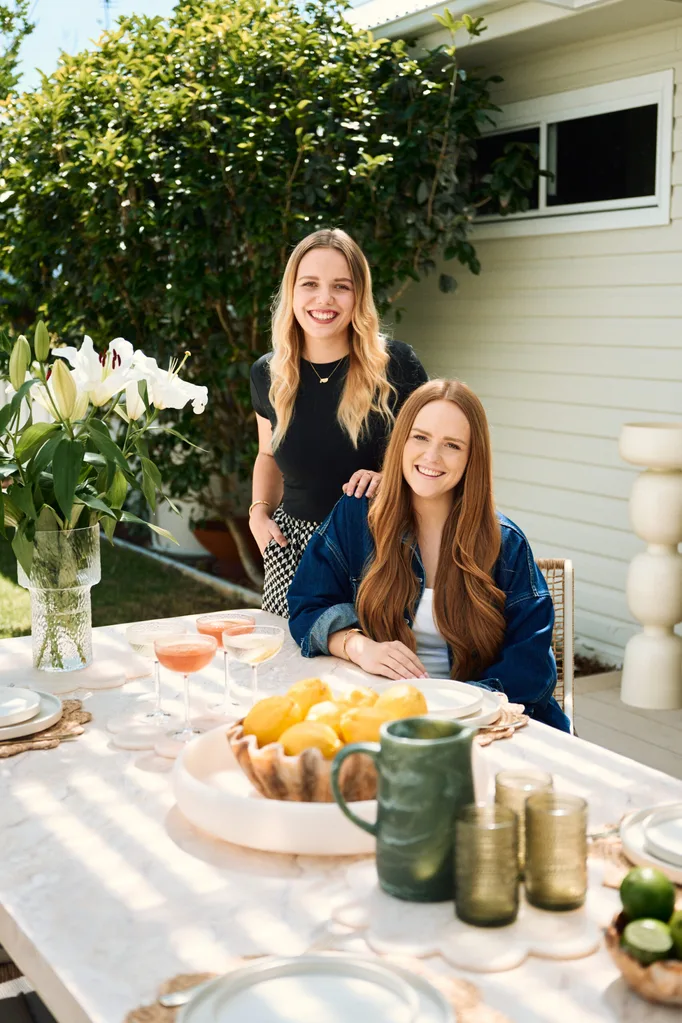
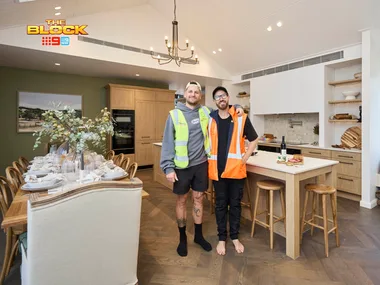
If anyone knows how to flip a house for profit, it’s sisters Maddy and Charlotte Harry. When they joined The Block as a replacement team a few weeks into the 2024 season, everyone underestimated them. Aged just 22 and 24 at the time, they were the youngest duo to ever compete on the series, but much to everyone’s surprise, they knew their stuff. Not only that, the experienced house flippers went on to win the 20th season. Since them, they’ve completed successful renovations that have proven lucrative, so it’s safe to say they know their stuff.
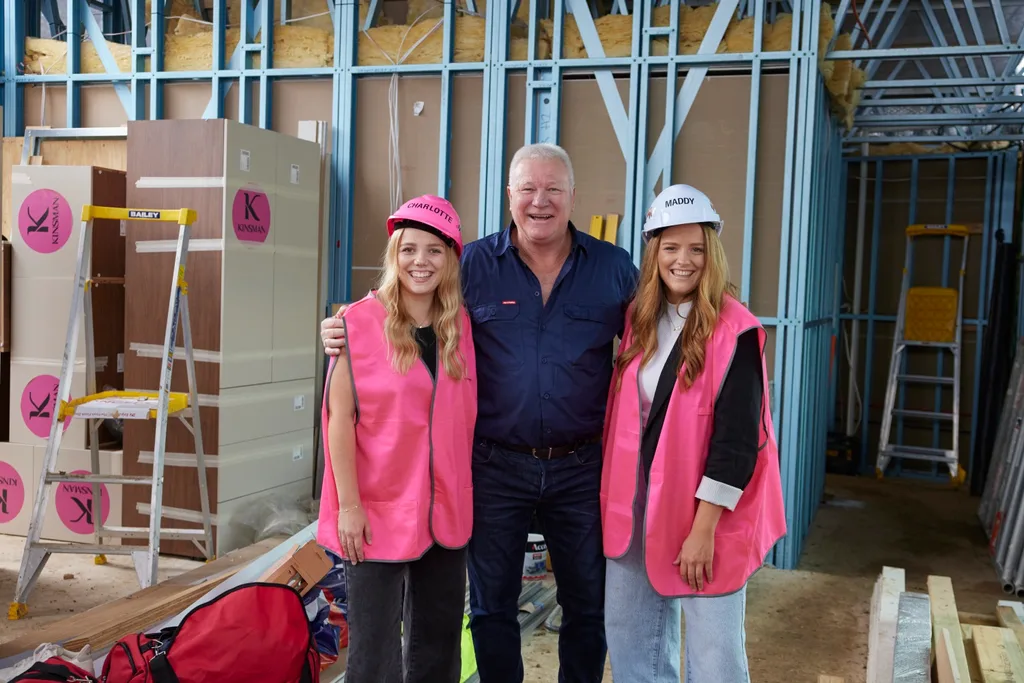
They walked away victorious and have only gone from strength to strength, recently completing a house flip for a substantial profit in Newcastle, NSW, in 13 weeks. They purchased the house for $809k and sold it for $1.27 million just five-and-a-half months later – scoring them $150k as a result.
BUDGET BREAKDOWN
Purchase price: $809,000
Renovating cost: $260,000
Additional costs: $51,000 (stamp duty, holding cost, council fees, rego fees, PEXA fees, legal fees)
Total cost: $311,000
Profit: $1.27m – $809k – $311k = $150k
Tour Maddy and Charlotte’s Newcastle house flip for profit
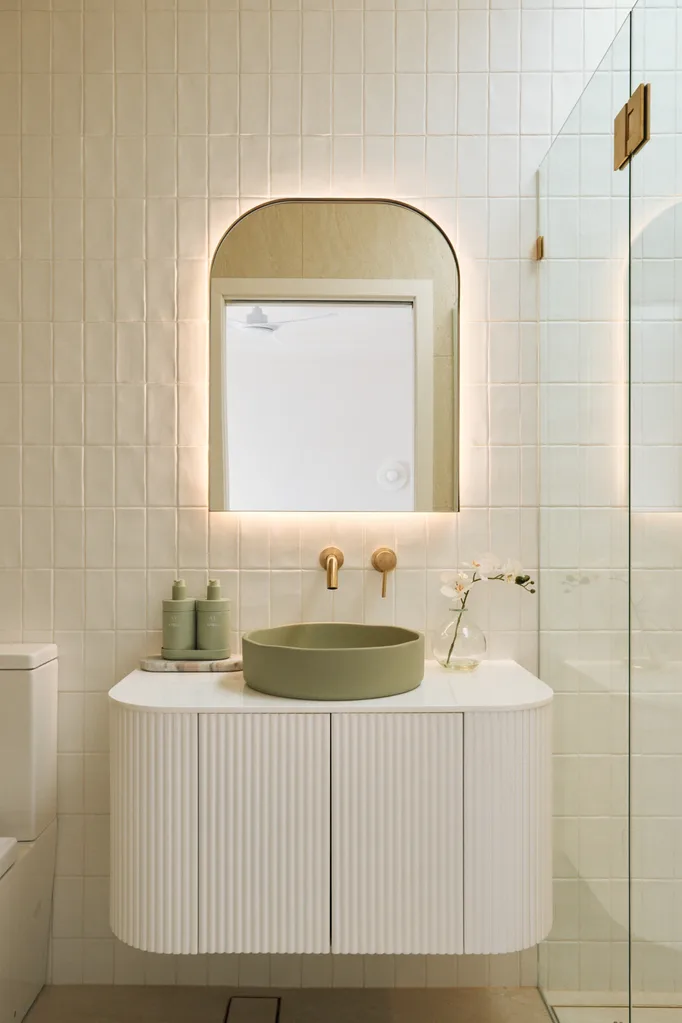
The house started out “dinghy and dark” with “different coloured rooms” but Maddy and Charlotte weren’t daunted by the task. Now, they say it has “homey vibes” and the changes made a vast difference to the buyer appeal.


It wasn’t all smooth sailing though, especially as they gave themselves the ambitious goal of completing it in 13 weeks to echo their time on The Block. “It was chaotic and we didn’t sleep,” they revealed in their YouTube series. And no, they don’t recommend trying this at home.


There were a few hiccups, such as the garden flooding, which contributed to the budget being exceeded by $40k. But in the end they still made a great profit, with $150k.
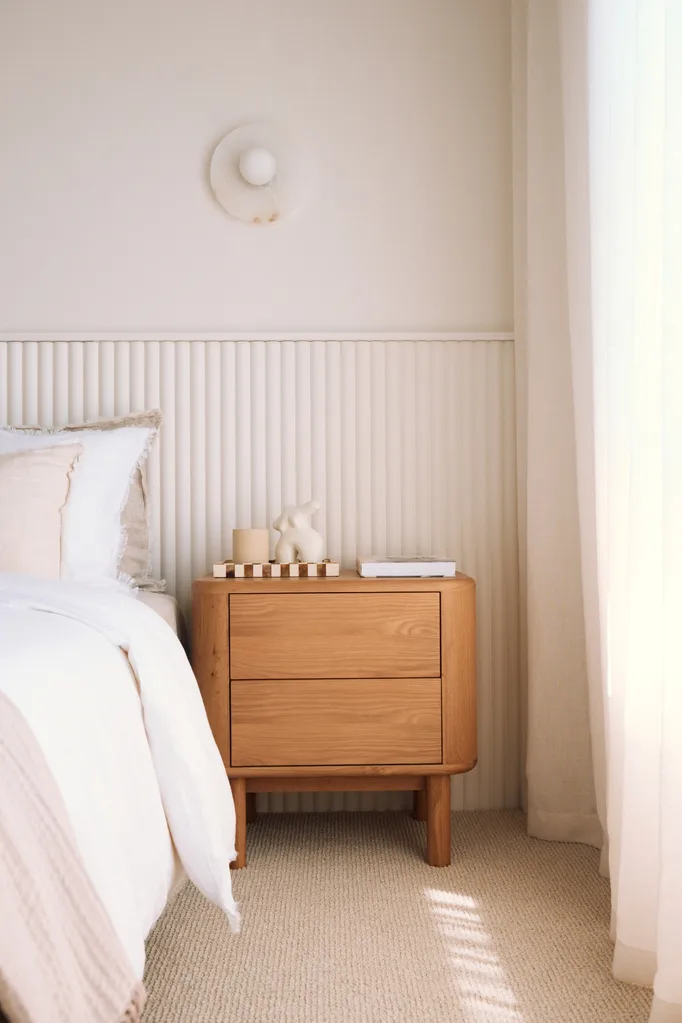
They were also thrilled to know that the home they’d put so much work into now belongs to a young family who will appreciate the lovely light spaces and leafy backyard.
10 tips to flip a house for profit
We spoke to the professional house-flipping sisters who shared all of their expert insights.
1. Find a bargain
The mantra ‘Buy the worst house on the best street’ is sound advice according to Maddy and Charlotte, who recommend aiming for suburbs that are up-and-coming with growth potential. “Buying well is everything,” says Maddy. “A good location at the right price sets you up from the start.”
2. Run the numbers
Crunch the numbers to ensure there’s potential for profitability before buying a property to flip. “We always start by properly assessing the property and listing out everything that needs to be done, whether that’s a new roof, structural fixes, or cosmetic updates,” explains Maddy.
From there, they estimate costs. “We get multiple quotes and look at comparable sales in the area,” says Maddy. “We’ve actually run the numbers on properties we loved, only to realise once we factored in reno costs, taxes and holding costs, we would be losing money before we even began, which is definitely not the goal.”
3. Know how much you want to make
“As a baseline, we aim for around a 10 per cent return on the capital we’ve invested, just to account for where else that money could have gone, like shares or other investments,” explains Maddy. “On top of that, we hope to make something similar to a slightly above average salary for the time we’ve invested. For example, if we spend six months on a project, we would ideally like to walk away with around half a year’s salary.”
4. Have a realistic timeline
Their Newcastle house flip was completed in 13 weeks but the sisters say that was a push and unrealistic for most people. “In a perfect world you could renovate in around three months,” says Maddy. “But realistically, most people are juggling work, life and everything in between. Because of that, we’d say around six months is a much more realistic timeframe for a flip. But every project is so different.”
5. Don’t overcapitalise
“One of the biggest mistakes is overcapitalising – spending more than the market is willing to pay you back,” says Maddy. “When flipping, you have to focus on what actually adds value. In some homes, higher-end finishes will absolutely pay off, but in others, like a small three-bedroom cottage in a suburb with a lower price ceiling, it probably won’t.”
6. Play it safe to appeal to more buyers
This is not the time to get experimental or go for a bold, edgy design. “Who are you designing for in that location? Is it a growing family, a professional couple, or downsizers? That really shapes your decisions,” says Maddy. “We’re always thinking about appealing to the widest possible market, which is why we lean towards more neutral palettes and finishes.”
7. Focus on the most sellable spaces
Kitchens and bathrooms: “Buyers focus on those spaces because they are expensive and inconvenient to redo themselves.”
Outdoor areas like decks: “Everyone loves that indoor-outdoor lifestyle. It helps buyers picture themselves living there.”
Street appeal: “First impressions matter so much. You want buyers to feel something when they walk up or even see the property online.”
8. Do your due diligence
“Take the time to understand the market you’re buying into, talk to local agents, chat to trades, and learn as much as you can about renovating in your area,” says Maddy. “Spend the money on things like building and pest reports so you know exactly what you’re getting into. You don’t want to uncover major structural issues that blow your budget.”
9. Set a budget (and a buffer)
“Things will go over, they always do, so it’s better to be conservative with your numbers from the start,” says Maddy.
10. Keep your emotions out of it
“Try to take the emotion out of it,” says Maddy “You might not love every decision, but that is okay. It’s not your forever home, it’s a stepping stone.”
Keep up with Maddy and Charlotte’s house flipping journey on Instagram.

Related stories
Native ad body.
Native ad body.



Native ad body.