


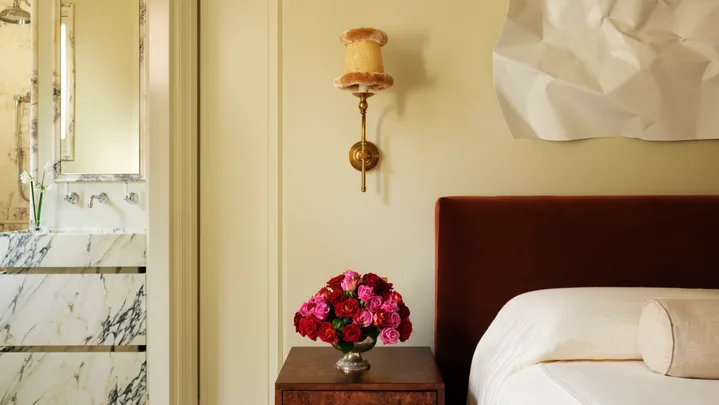
 Photographer: Dave Wheeler
Wall sconce lighting has seen a resurgence in 2026 as homeowners flock towards more strategic and romantic touches in their homes. Both practical and aesthetically pleasing, wall sconces are a decorative treat, as well as a functional way to control the dispersion of light in a room. They even have celebrity fans.
“I love wall sconces,” declared media legend Deborah Hutton when she stopped by The Edit podcast. “It’s that American thing that they do so well. The American sense of lighting is really beautiful. In restaurants and old homes, there’s wall sconces everywhere. We don’t do them enough here.”
Listen to Deborah Hutton on The Edit podcast:
Deb is currently building on the NSW South Coast, where her plantation-style home will benefit from strategically placed wall lighting. “There’s hardly an overhead [light]. It’s all wall sconces and lamps,” she divulged of her lighting strategy. “I think spending half of my life in front of lighting [as a model and media figure], you get to understand that you never want to stand or sit under a light that’s above your head.”
She makes an excellent point. Wall sconces are able to beautifully diffuse or focus light where you need it. Below, we dissect the benefits of this new designer-favourite lighting choice.
The benefits of wall lighting
Wall sconces offer an additional layer of lighting, that can help you better control how your space is lit. Depending on their placement and bulb wattage, a wall light can add focused task lighting or subtle ambient lighting where needed.
“Wall sconces create atmosphere by introducing softer, more considered layers of light throughout the space and home,” explains MCM House‘s Head of Product, Anthony Mistos. Interior designer Brett Mickan added: “They’re ideal for adding task lighting without flooding the entire area with light.”
Wall sconces add depth, highlight architectural features and artworks, and contribute to a warmer, more intimate environment. They also free up surface space compared to table lamps.
— Anthony Mistos, Head of Product at MCM House
However, a wall sconce offers much more beyond their functional purpose. “They add depth, highlight architectural features and artworks, and contribute to a warmer, more intimate environment. They also free up surface space compared to table lamps, making them ideal for both decorative and practical applications,” Mistos continues.
The moral of the story: A range of wall light benefits can be unlocked, depending on the type of bulb, sconce and position you choose. In a bathroom, a wall light can help illuminate your face in the mirror. In a kitchen, lights over your benchtops can assist when slicing and dicing. Meanwhile, a well-placed wall lamp is the ultimate reading companion.
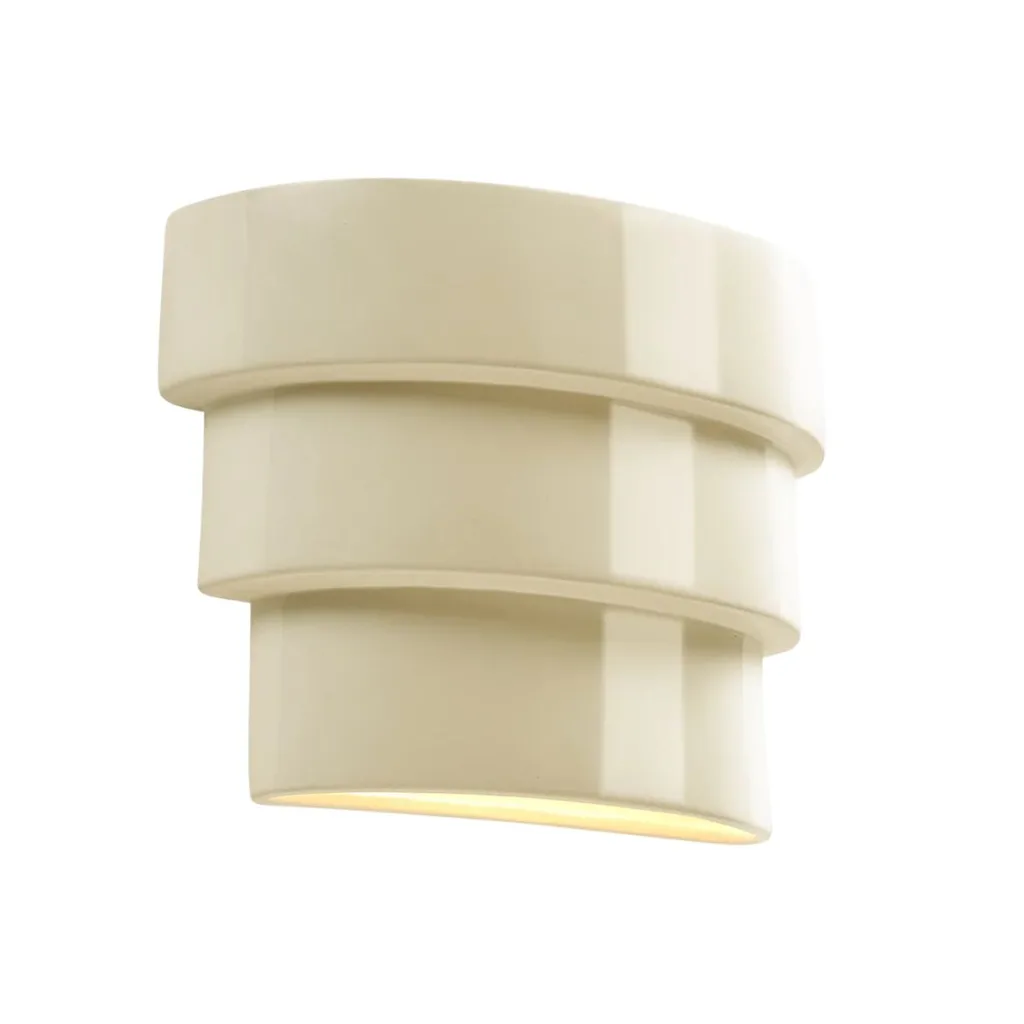
Sorbet Spire Wall Sconce
$495, MCM House
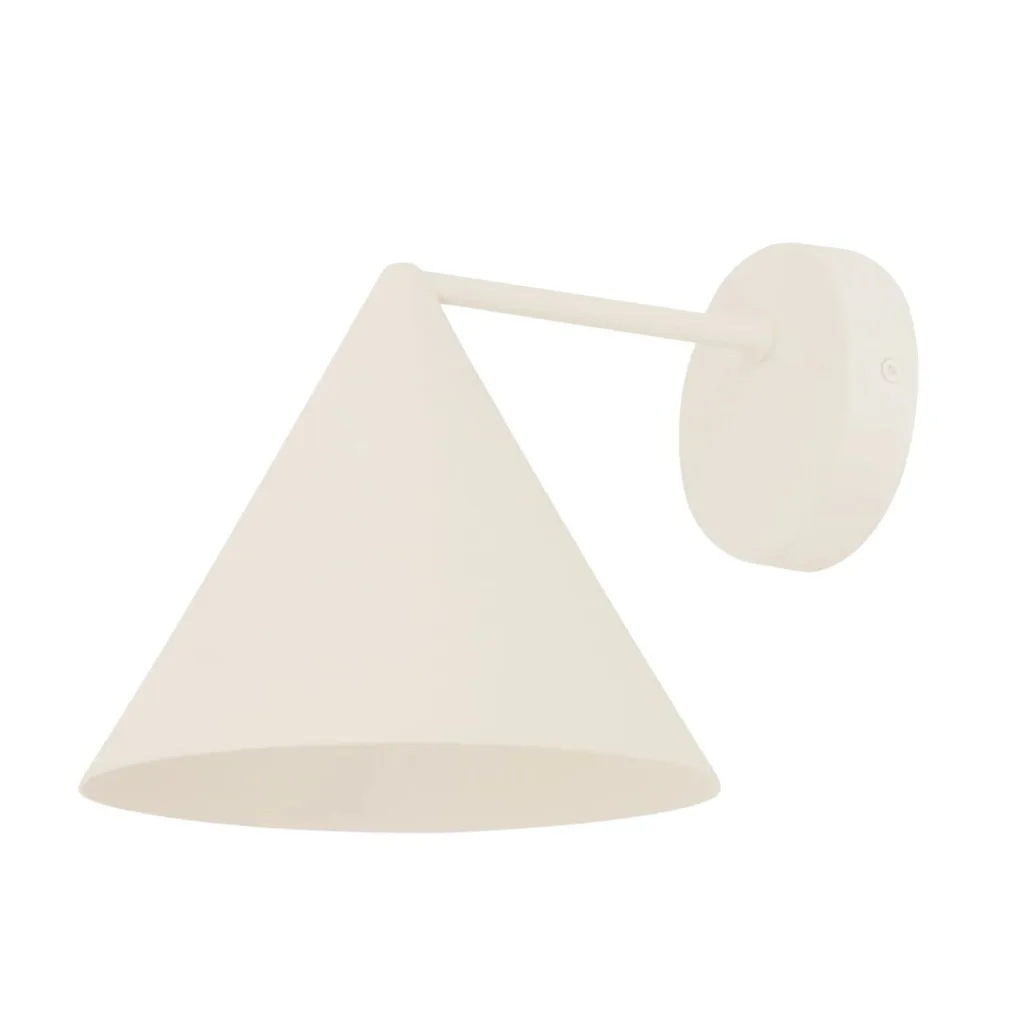
Everest 1 Light Wall Bracket in Textured Chalk$189 $129, Beacon Lighting
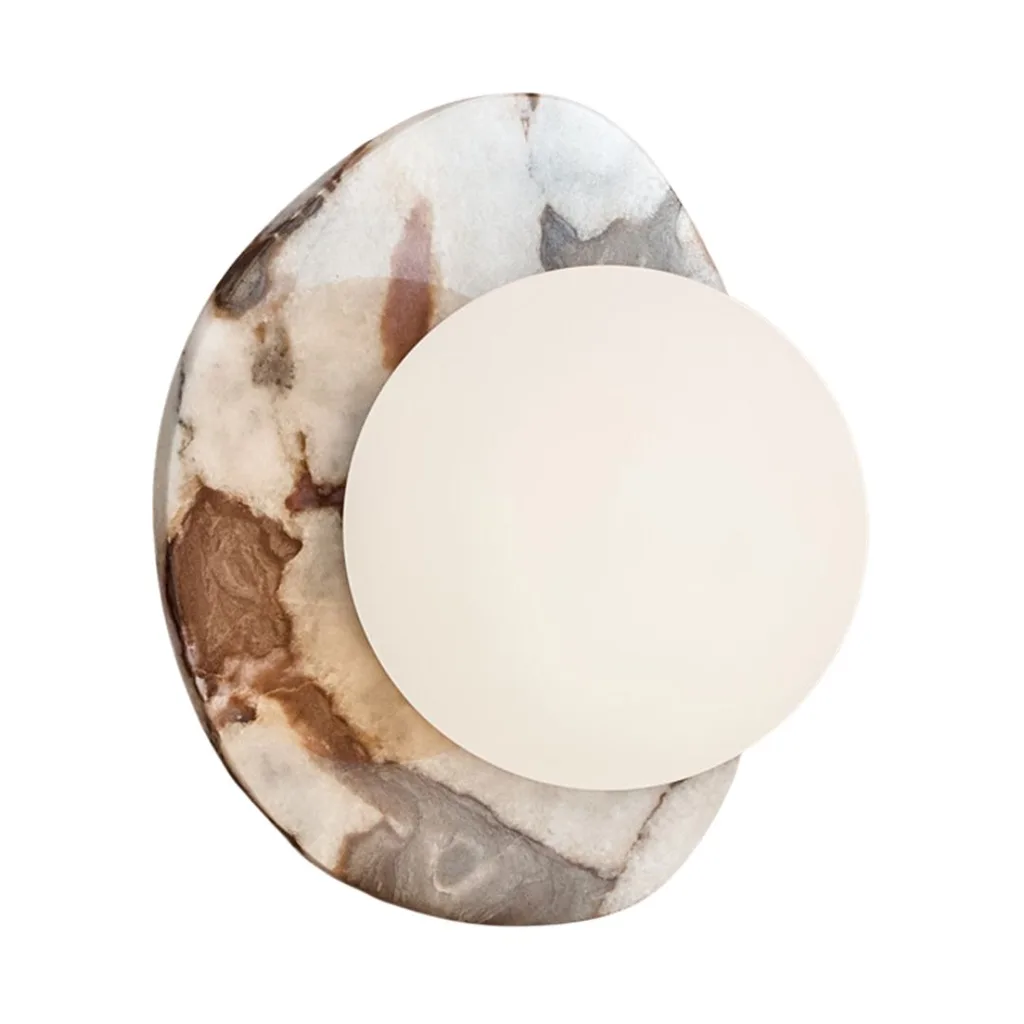
Terra Calacatta Viola Marble Wall Sconce$139 $129, Temple & Webster
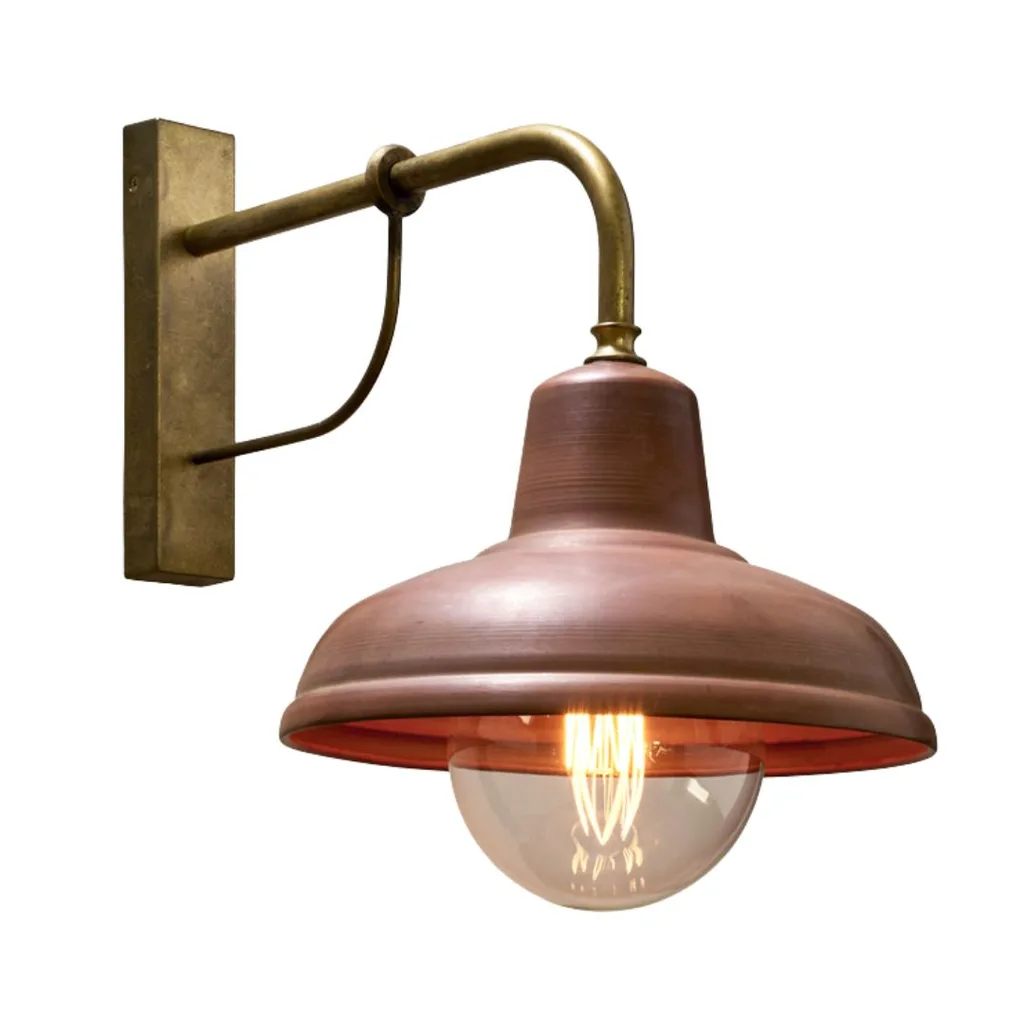
Deksel Wall Light by Illuma Lighting$519 $493, Freedom
Where to place wall sconce lights
There is a general rule that you should place the wall sconce at approximately eye level, or around 165cm from the floor. However, correct placement of a wall sconce will vary based on the height of your ceilings, or the place it is located. For instance, if placing a wall sconce above your kitchen benchtop, you’ll need to use your own visual judgement and measurements to find a position that works.
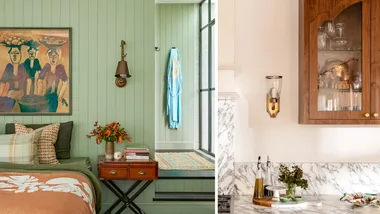
As for which room, Anthony Mistos of MCM House suggests: “They work beautifully beside a bed in place of bedside lamps, in hallways to create a sense of rhythm and ambience, framing mirrors in bathrooms, or as feature lighting in living and dining spaces.”
As for where they work in each room, allow us to offer some inspiration.
Jump to:
Kitchens
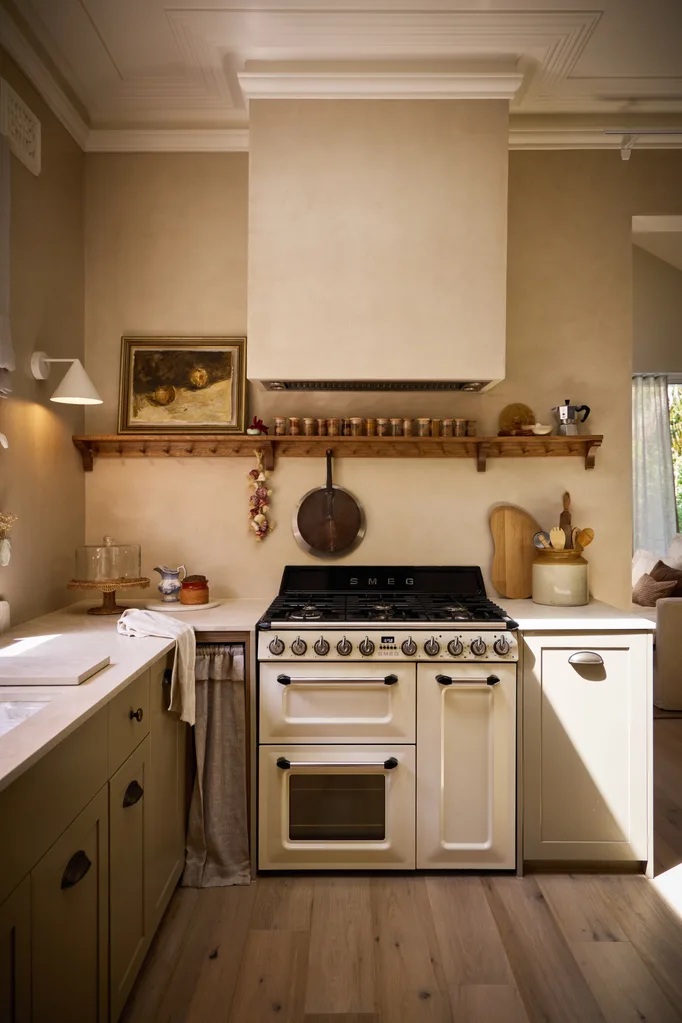
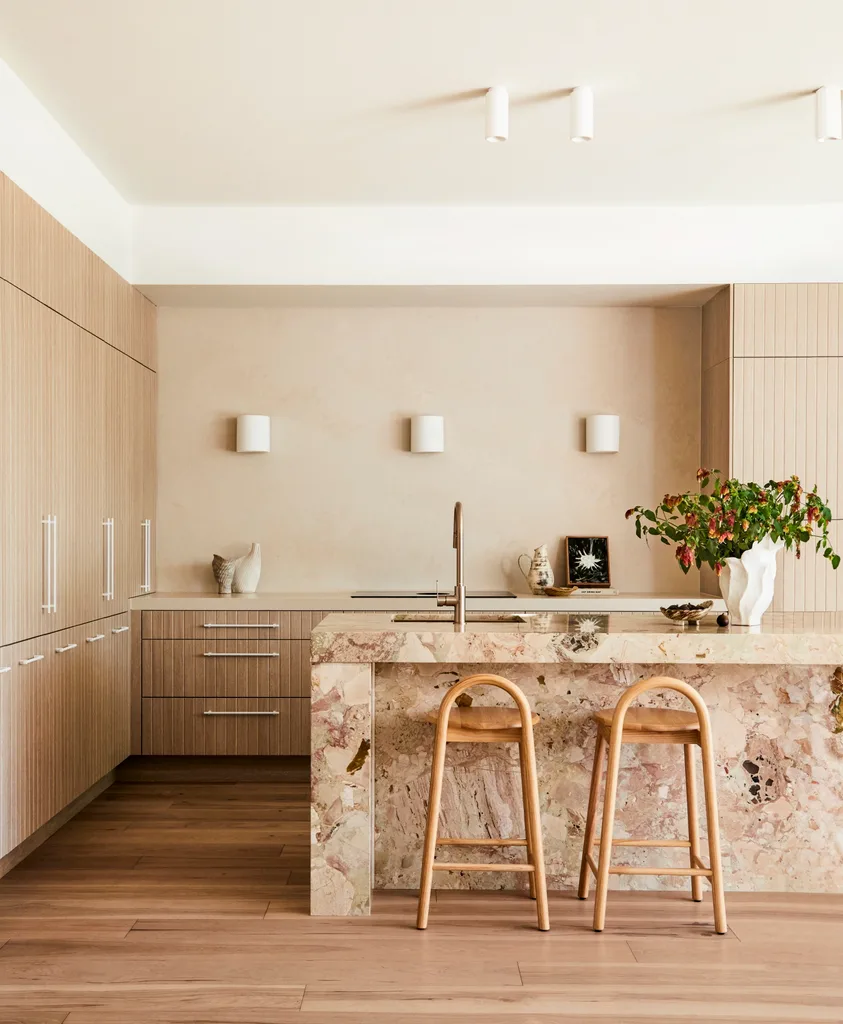
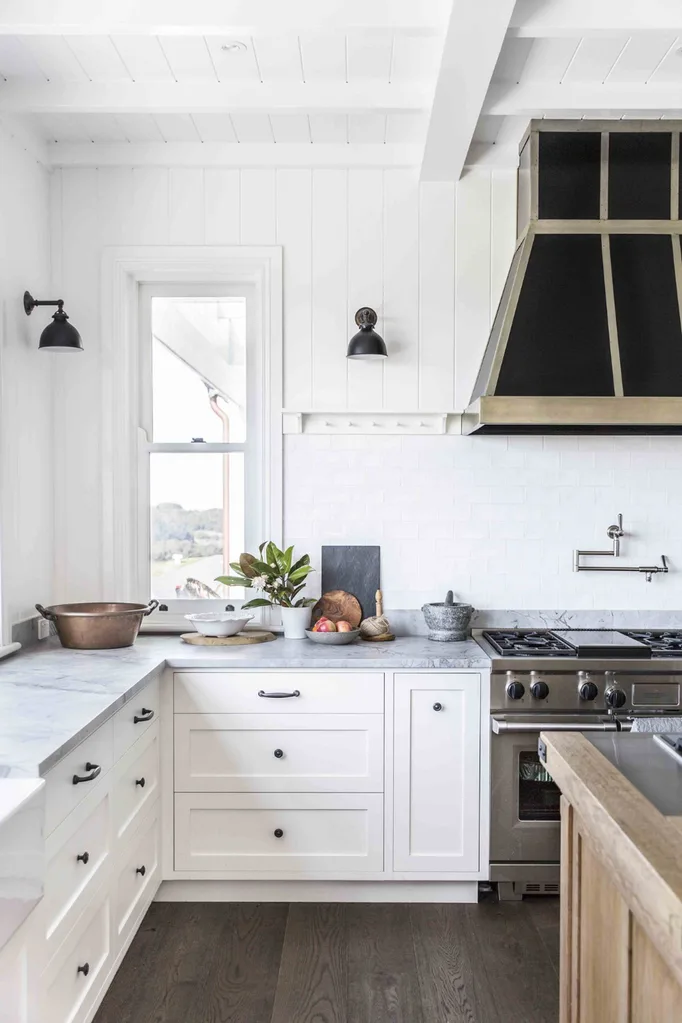
In kitchens, you can place wall sconces above benches or tucked into overshadowed nooks for additional task lighting. “There’s a current trend where people are putting wall light accents next to rangehoods or in a little nook,” architectural lighting designer at Beacon Design Studio, Mandi Kontos, told Home Beautiful.
Just remember, when it comes to placing lighting in high-traffic, cooking areas, opt for materials – like metal or glass – that can be easily cleaned.
Dining rooms
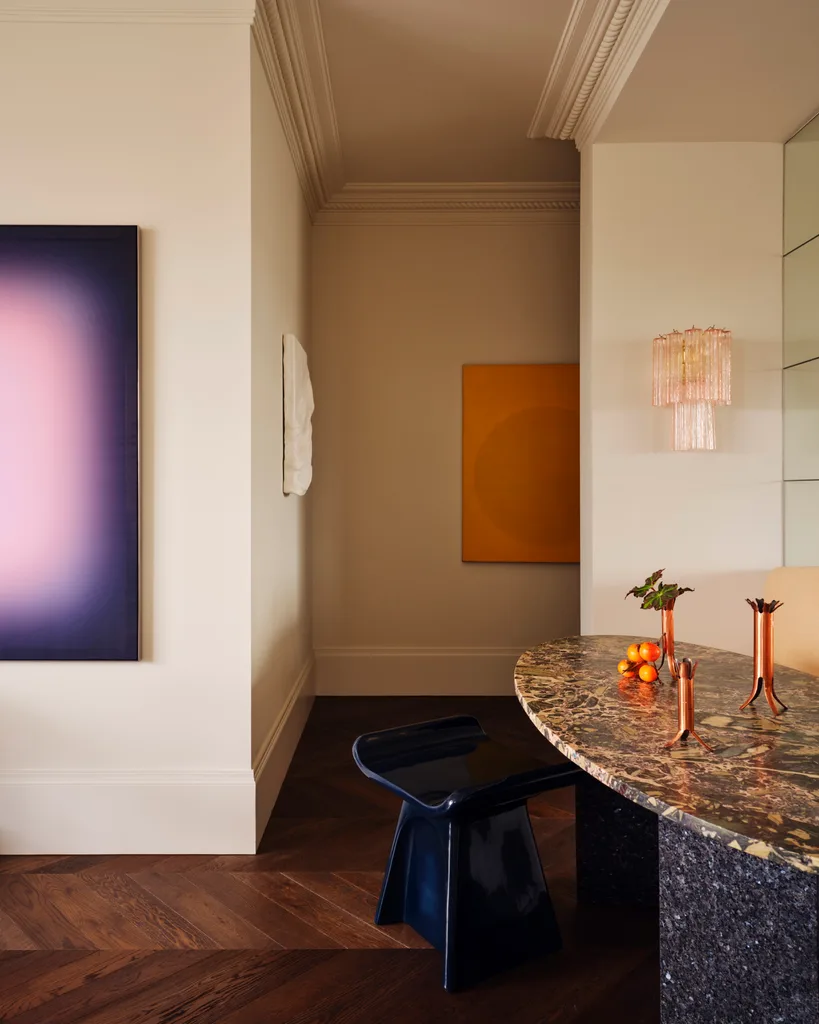
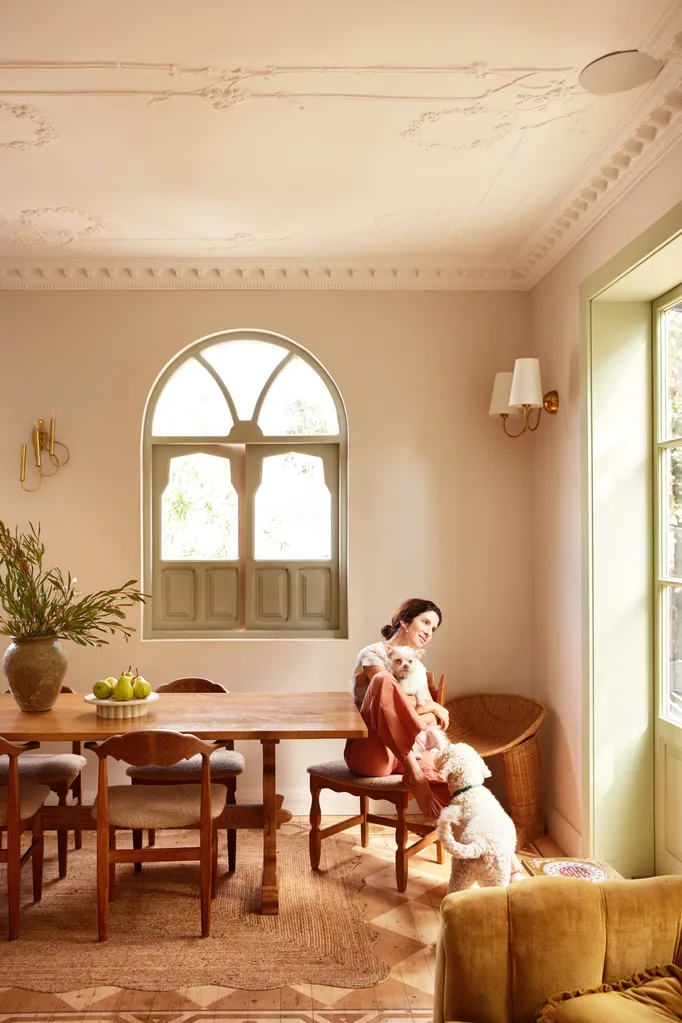
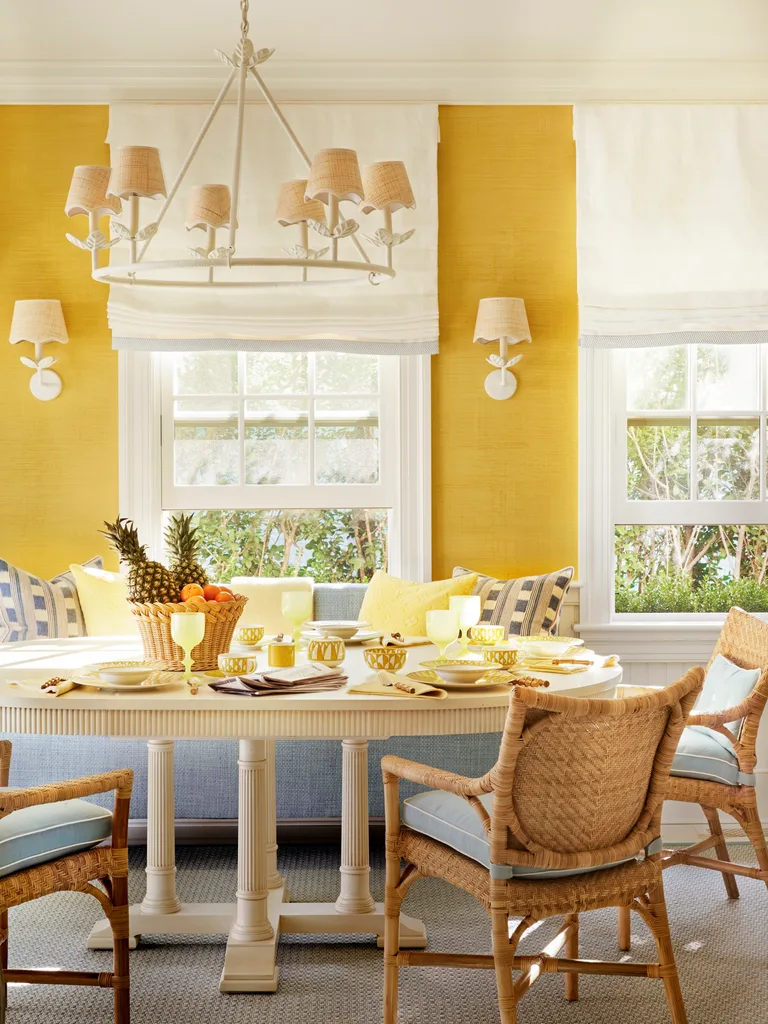
Wall sconce lighting can be decorative, whether on or off. It’s perfect for dining areas where wall lighting improves the ambience of a space, versus unfortunate overhead lights.
Bedrooms
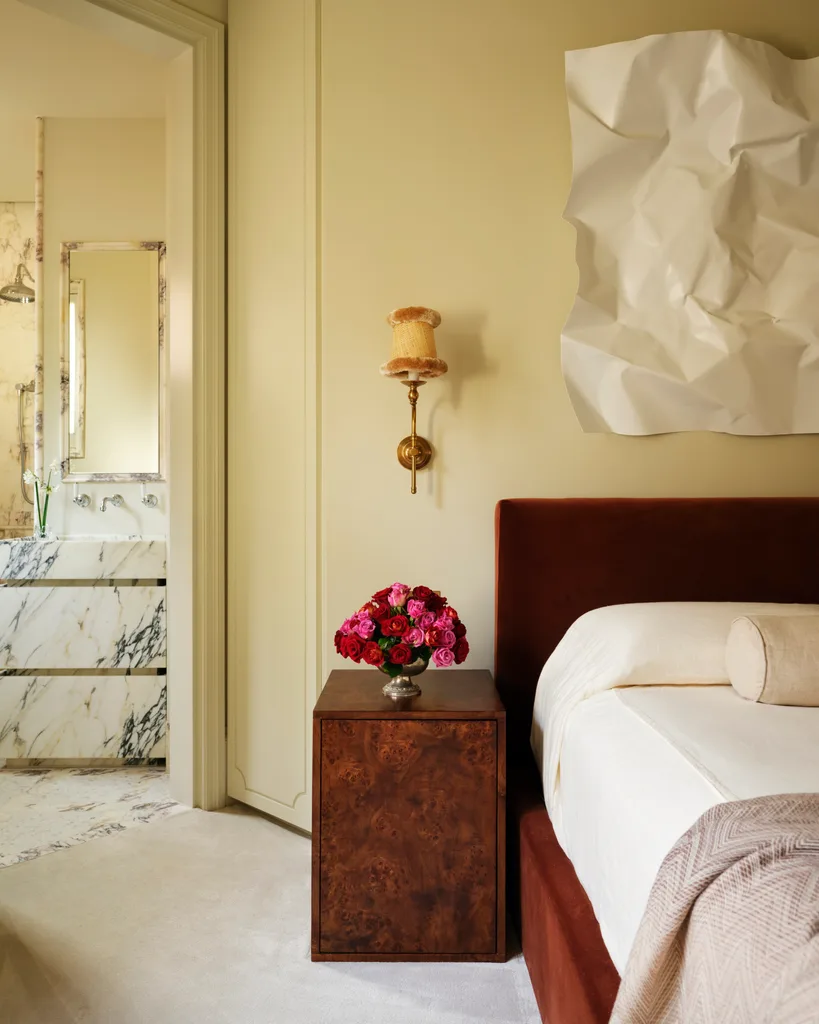
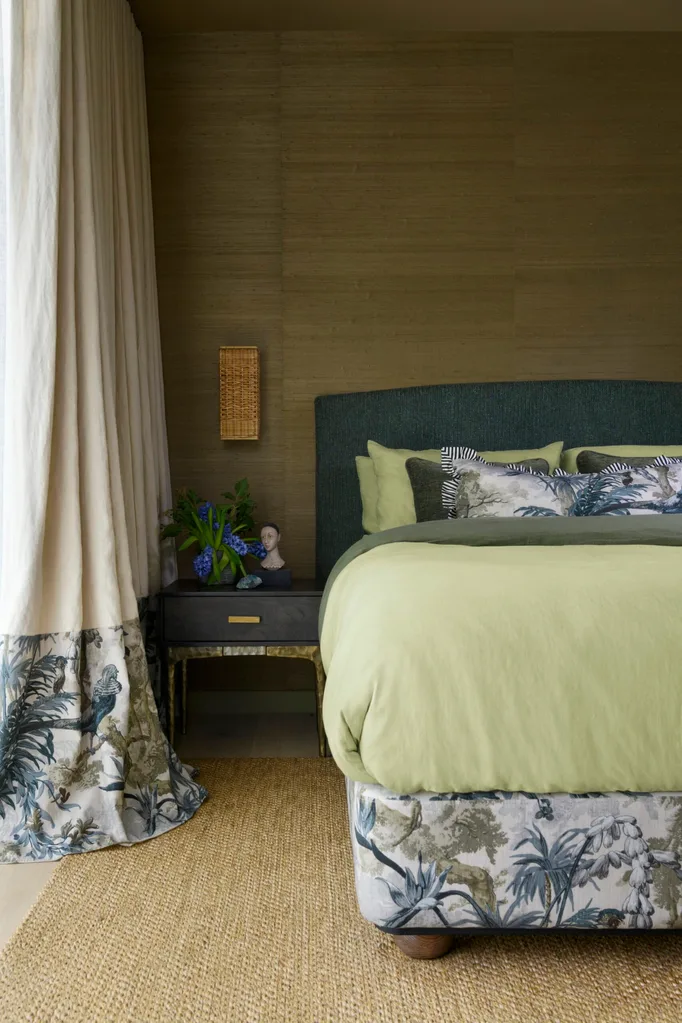
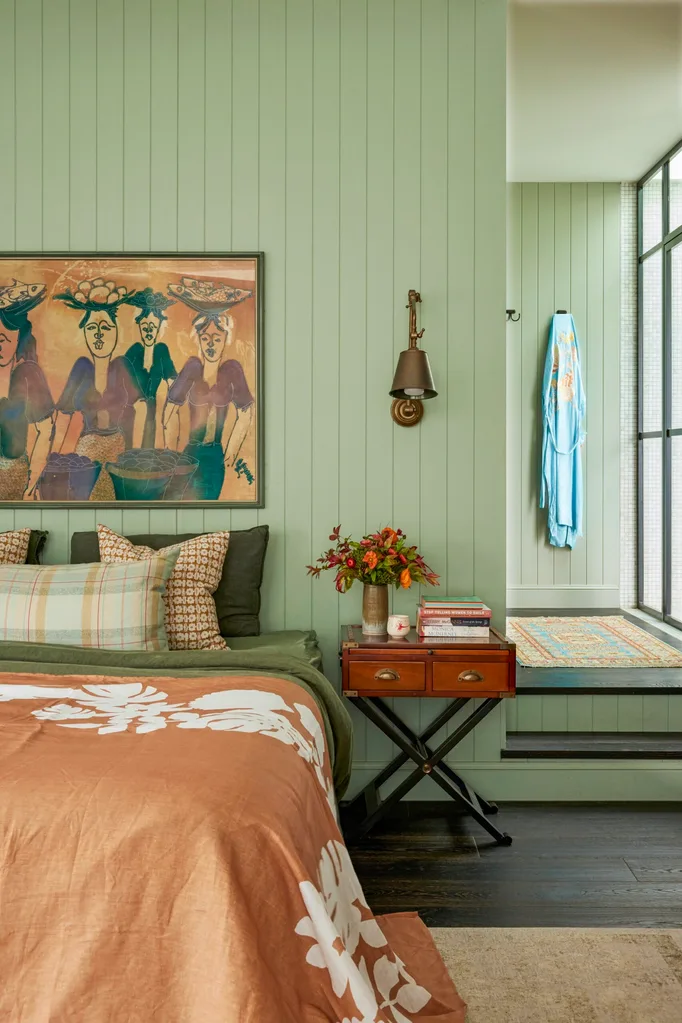
In a bedroom, wall lights are a natural fit for your bedsides, where one might traditionally place a small table lamp. For a hotel feel, add a switch or perhaps try a plug-in wall sconce so you can turn your light on-and-off without getting out of bed.
Bathrooms
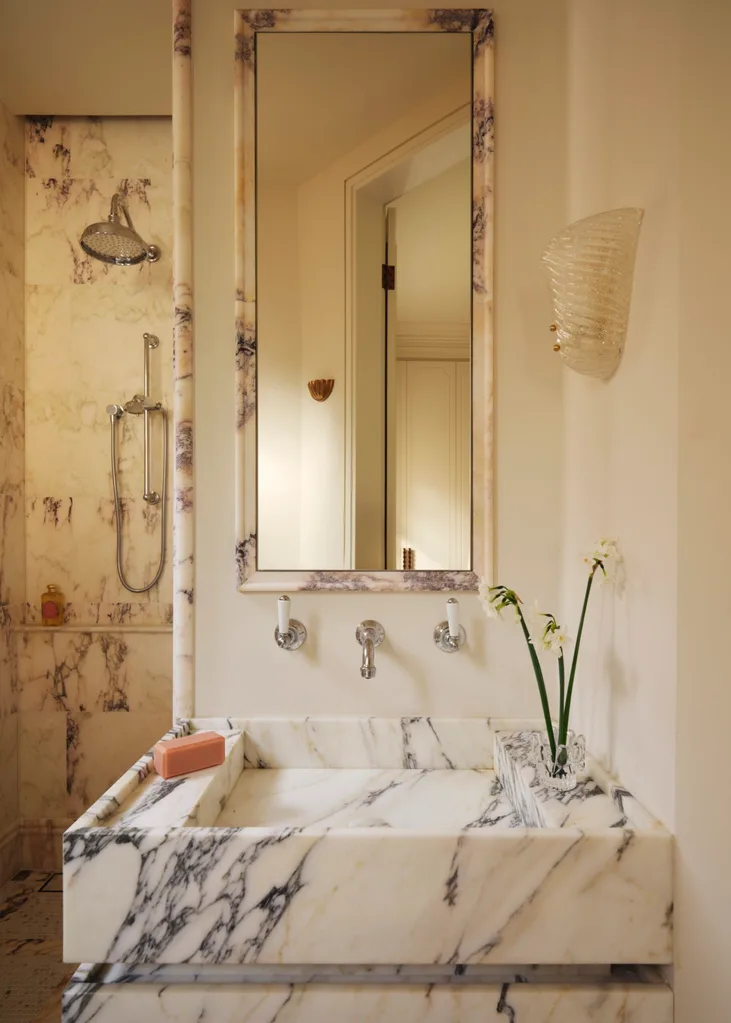
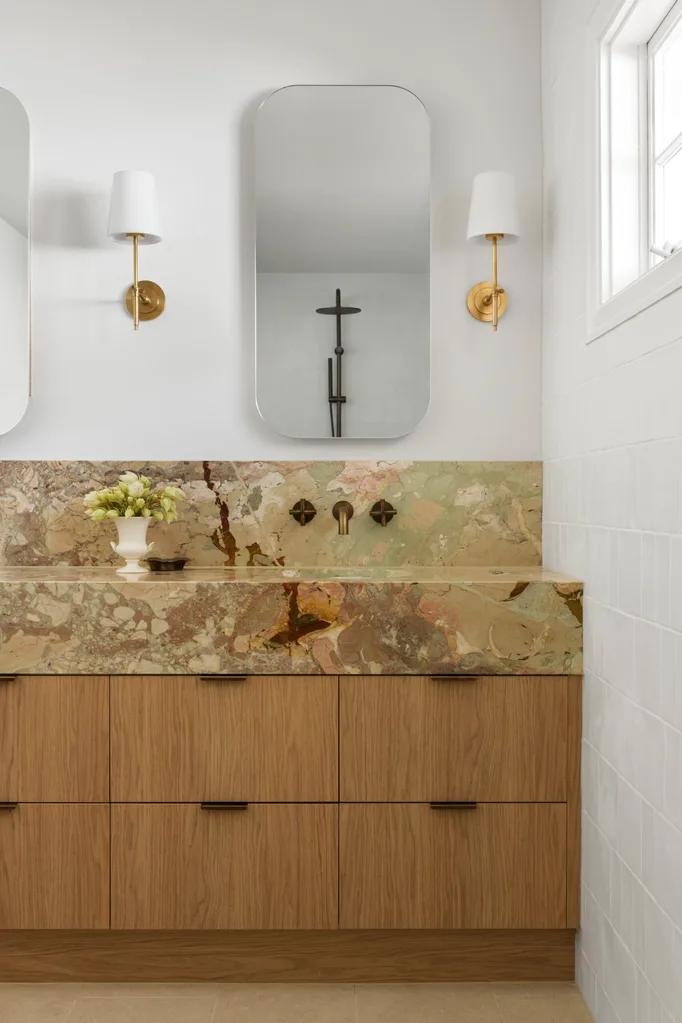
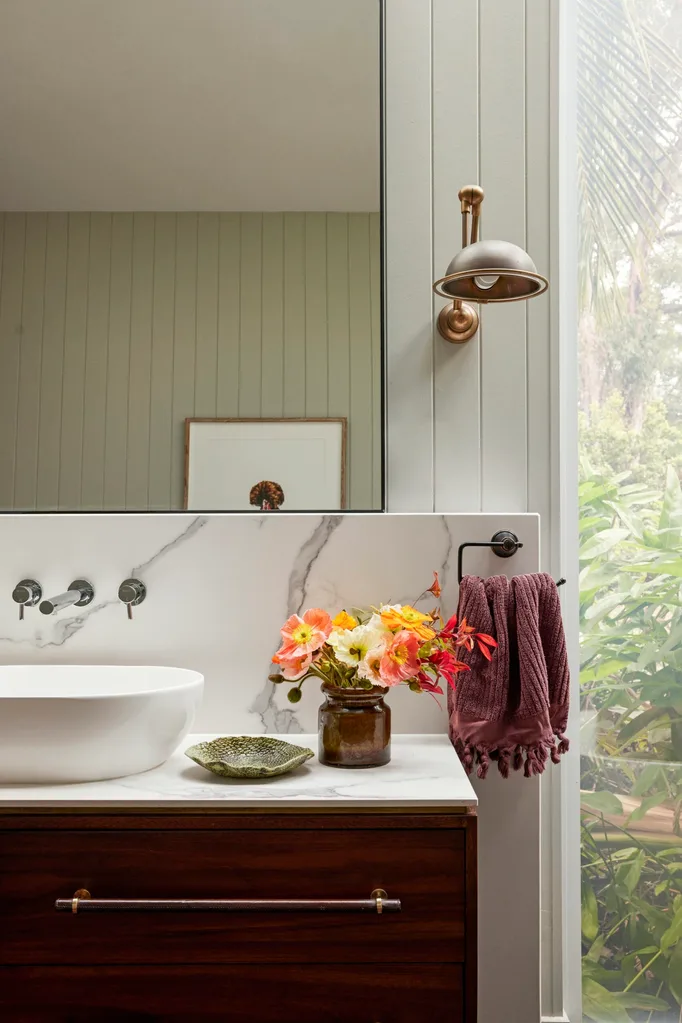
Meanwhile, in bathrooms wall sconces are ideally placed either side of your mirror. “Always add sconces either side of you vanity mirror,” Jane Holmes, director of Hark Interiors, tells Home Beautiful. “Opaque glass is favourite for a soft glow to illuminate your face.”
Mandi Kontos from South Melbourne Beacon Design Studio goes one further, explaining: “When lighting is placed either side of the mirror at face level it’s more even, whereas using a downlight above the mirror is harsh and allows shadowing, which makes it harder to apply make-up or shave.” Convinced? Us too.
Living rooms
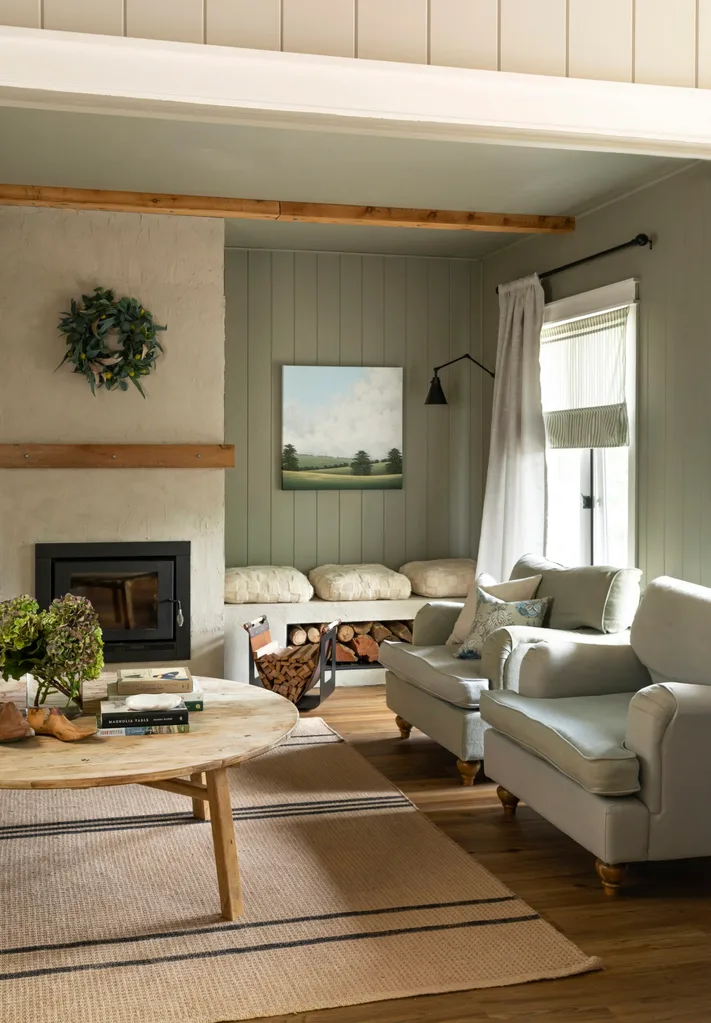
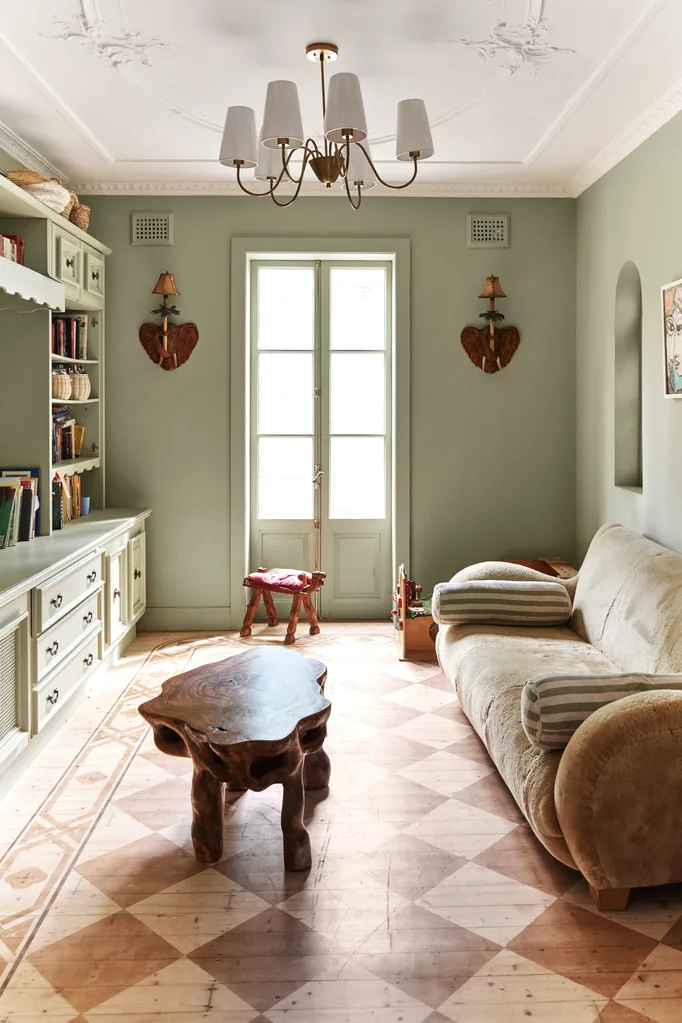
In a living room, lighting is frequently more about ambience than function. This makes a wall light the perfect decorative additon.
Butler’s pantries
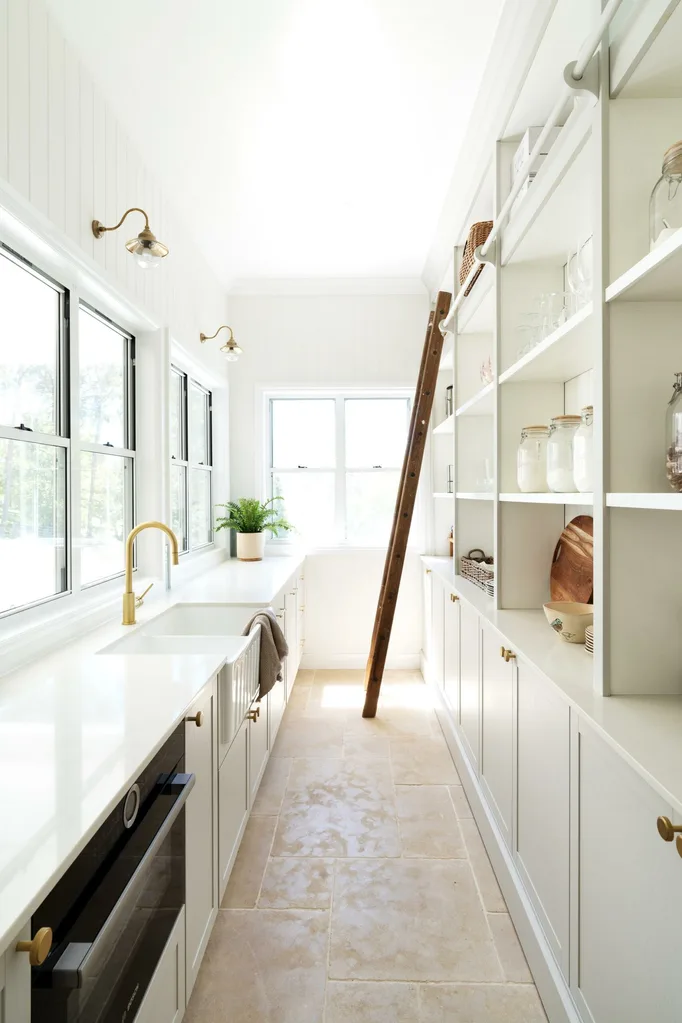
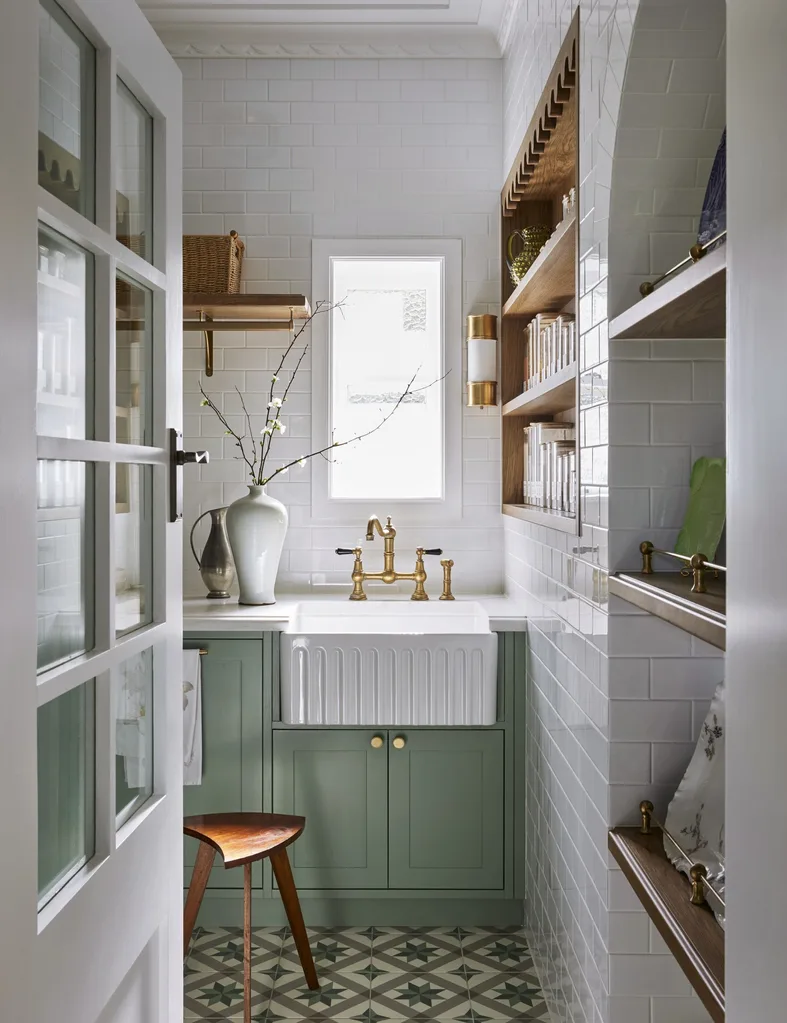
If you have a butler’s pantry, or even a walk-in pantry, wall sconce lighting can be the perfect choice for a small space. Whether high above benchtops or tucked-in under shelves, a wall light will add a decorative and strategic touch.
Reading and study nooks
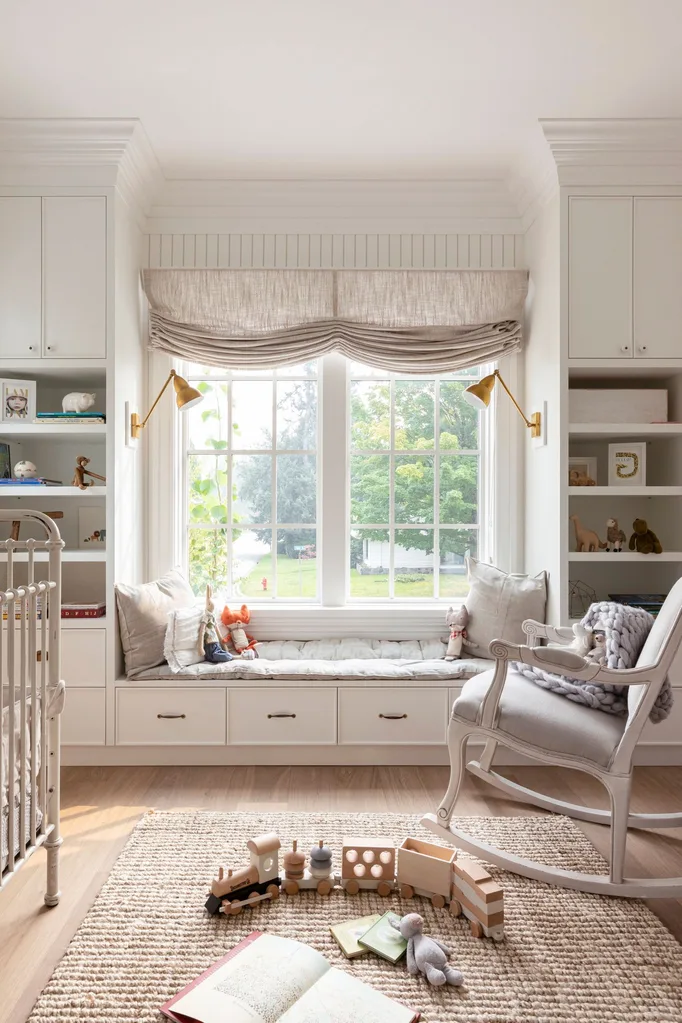
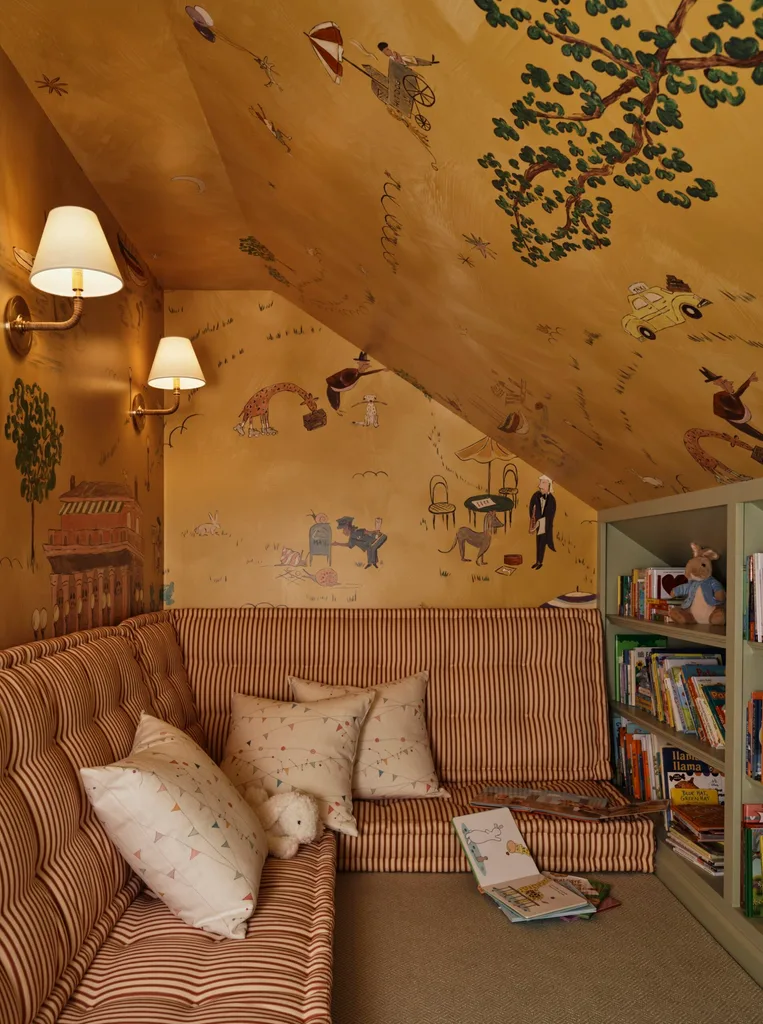
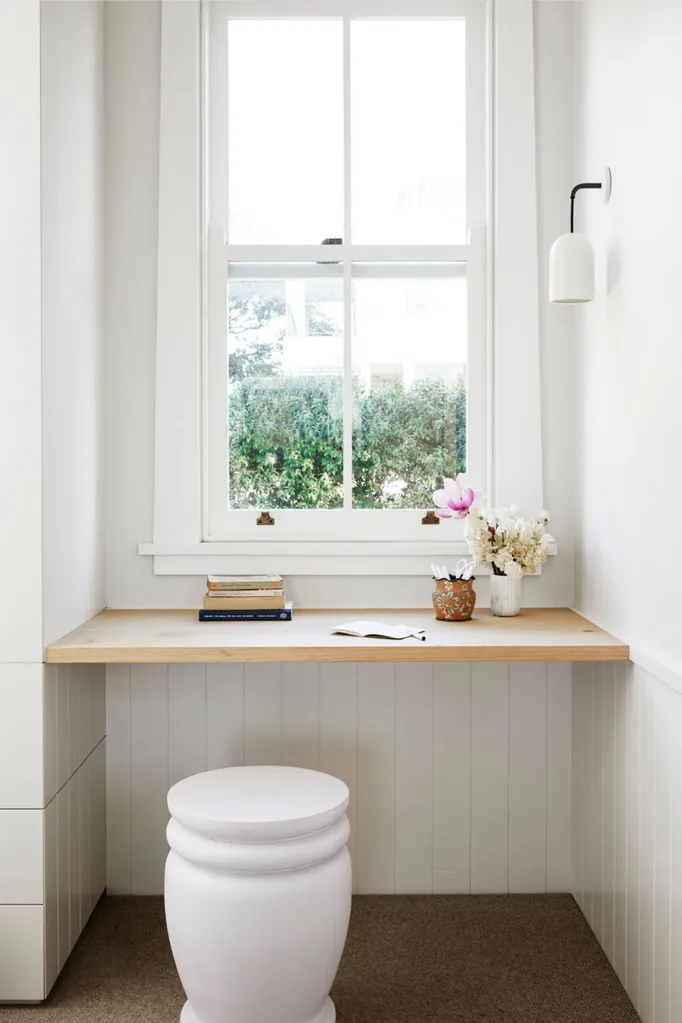
If you have a wall seat you’d love to snuggle into at night with a good book, a wall light is your answer. Similarly, if your work-from-home setup is more like a study nook, a wall lamp can be a perfect visual aid – and a visual delight!
Entryways and hallways
If you abide by the principles of feng shui, a bright light at your entryway is vital for inviting good energy into your home. Encourage the eye (and the energy!) to move into and through your home via strategically placed lighting and artworks.
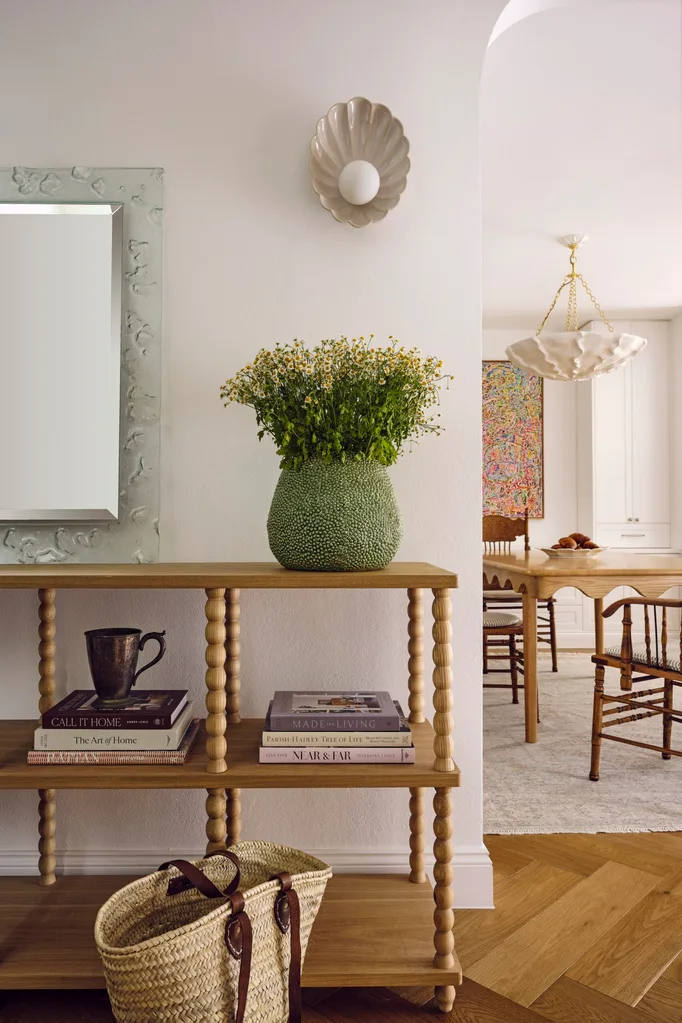

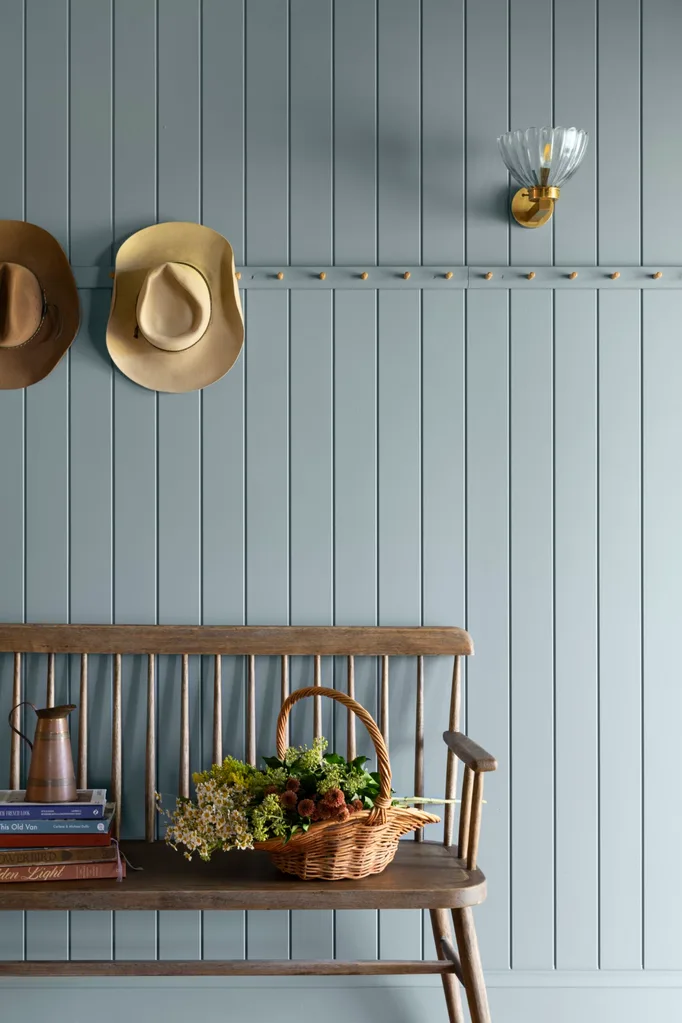
As you can see, there really is no wrong place to put a wall sconce. While the best time to add wall lighting is during a renovation, so you don’t have to retroactively dig into your walls, there’s also the option for battery operated or plug-in wall lamps to make the job easier.
What are some currently popular styles of wall sconces?
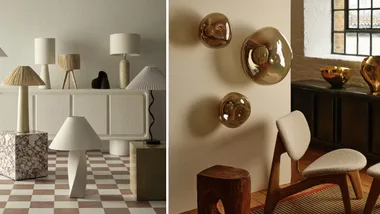
If you’re interested in lighting trends, Anthony Mistos, Head of Product at MCM House, suggests 2026 is about sculptural wall lighting that “feels like functional art.”
“Interesting and unique finishes, such as textured ceramic and textured resin, with a further exploration in to more stones and metallic finishes,” he tells Home Beautiful of his top picks. “Simple architectural forms with concealed or diffused light are also becoming more increasingly popular, timeless pieces that complement rather than dominated an interior. “
From MCM House, he points to the Vertex Wall Sconce, which offers “a sculptural silhouette to create ambience while acting as a feature piece within the room.”
Is it difficult to retrofit wall sconce lighting to an existing home?
It’s best to add wall sconces during a build or renovation, so you can hard wire them into your home without having to bust into your walls. However, they can absolutely be retrofitted into existing homes with the help of a qualified electrician (and maybe a handyman with some plaster and a paint brush).
Mistos reminds there are also now rechargeable or plug-in wall lights that can be installed without permanent wiring. “This is a great solution for renters or anyone wanting to experience the look and ambience of wall lighting before committing to electrical work.”

