


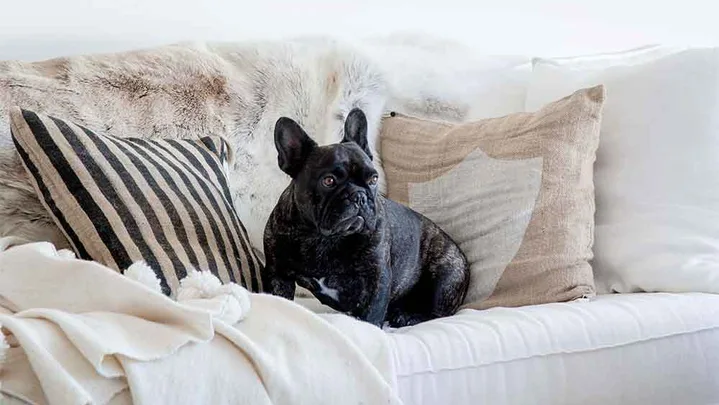
 Photography: Chris Warnes
As a cat owner, I’ve become used to my cat ruining the aesthetic in my home, whether that be by clawing the sofa or gnawing on a bedhead (yes, really!). While I was renting, my answer to that was to have second-hand furniture and decor. I’d bought her scratching posts and pet beds, but they were all given a sniff and then promptly ignored.
After years of renting and putting up with second-hand, I became resigned to my furniture being destroyed by my cat. Fast-forward to last year, when I bought my own property (hooray!) and suddenly wanted to buy nice new things for my new pad to make it a home – not a higgledy-piggledy collection of mismatching second-hand stuff. But is it possible — or even wise — to buy new when you have a destructive cat as I do?
I went in search of help to answer the question: is it really possible to have a pet-proof and gorgeous home with beautiful finishes and furniture? After many a night spent scrolling for solutions, it was time to bring in the experts. The good news? Creating a home that’s both chic and pet-proof is absolutely possible.
In this article
- Creating pet zones in the home with a pet bed
- Pet-friendly rugs and fabrics
- The best flooring for homes with pets
- Pet-safe indoor plants
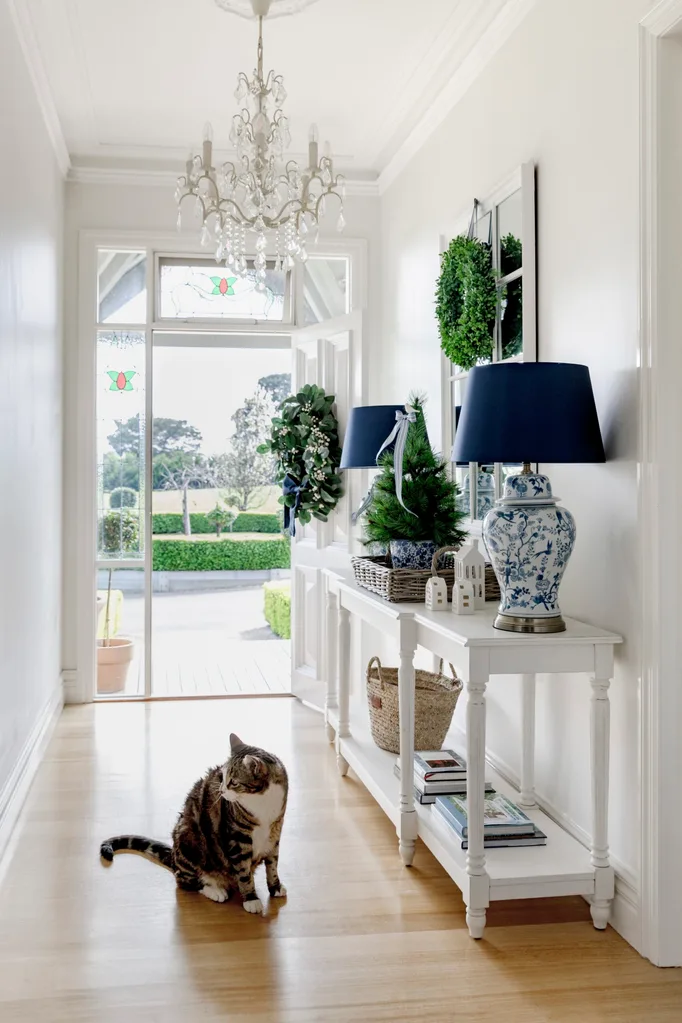
5 ways to create a pet-proof home with style
1. Where to put a pet bed in the house (and get them to use it!)
Provide your pet with its own zone in your home, like a chic cat bed or dog bed. So, what attributes should you look for in a pet bed? “Dogs especially need to be able to stretch out when they sleep and dream. So a bed shape that doesn’t fence them in and restrict their movement is a big thing,” says vet and TV presenter Dr Chris Brown, who recommends his SpineAlign Dream Bed. “It uses an innovative design and Australian-made memory foam to adjust to their unique shape and size and let their head, spine and joints rest in a neutral, supported position so it’s beneficial for their joint, brain and immune health.”
“I know that most pet beds get hidden away because they’re ugly and don’t blend in with the home interior,” says Chris, who has designed his range of pet beds with this in mind. “Thankfully, no-one puts this baby in the corner!”
Keep it in the open
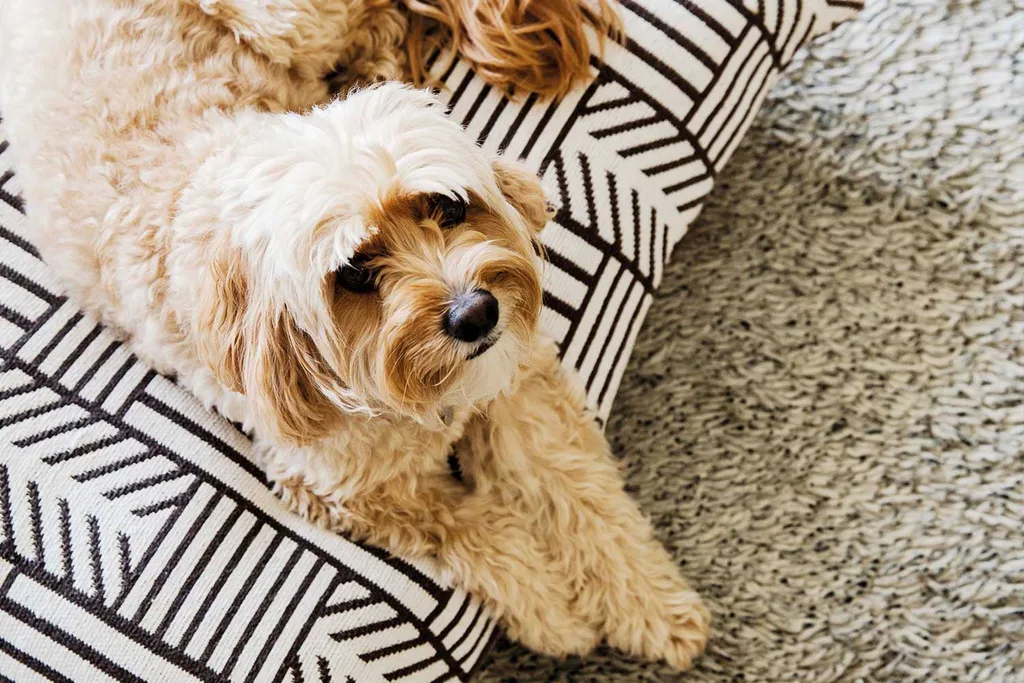
Not putting the bed in a corner is key if you want your pet to use their bed. Cats in particular can be very fussy, so I asked the experts how you can get your cat to actually use their bed. “Funnily enough, sometimes the best thing you can do is take it away for a while,” says Matt Greacen, co-founder and managing director at Catkea.com.au. “Cats go off things, even favourite toys, and a little absence makes the heart grow fonder. Beyond that, it’s usually about location. If they’re ignoring a bed, move it; they may simply not love the spot you’ve chosen. Cats feel safest up high, so try it on a chair, a side table or a low shelf rather than the floor.”
Try a treat
“Pop a treat or a little catnip inside to create a positive first association, but never force them in. That’s the fastest way to put them off for good,” says Matt. “And change what’s in it with the seasons: a snug blanket that’s lovely in winter can be far too warm come summer.” Cats especially enjoy sunbaking, so place the bed in a spot that receives sunshine if possible. “The lure of the sofa is as much about the height it gives them and the positioning in the centre of the room as anything,” says Chris. “So don’t hide the bed away in a corner or another room. Bring their bed into the lounge room where they can still feel like the centre of attention.” For more chic ideas, check out our round-up of stylish pet brands.
Include pet-friendly spaces in your floor plan
If you’re renovating, incorporate your pet’s needs into your plan – for example, set up a built-in bunker under the stairs for snoozing in. Instead of a cat scratching post, consider some alternatives on the market, such as a wall-mounted cat scratching frame. “Pets do come with a lot of ‘extras’, so I always design with storage in mind,” says interior designer Terri Shannon, director at Bloom Interior Design & Decoration. “Baskets for toys, a dedicated spot for leads, and even built-in feeding areas help everything feel considered. Choosing pieces that align with the overall palette makes a big difference too, it all feels intentional rather than cluttered.”
“I think the best homes are designed with everyone in mind, including pets,” says Terri. Matt agrees. “The trick is to stop thinking of ‘cat stuff’ as a compromise. Choose pieces in natural materials and tones that already suit your interior, so a scratching post or perch reads as a considered object rather than an eyesore,” he says. “Give a cat genuine real estate of its own and, more often than not, it’ll leave your good furniture alone.”
“At the end of day, pet-friendly design isn’t a separate category – it’s just thoughtful, well-resolved design.”
Terri Shannon, interior designer
2. Use machine-washable rugs
Accidents happen when pets are around and having machine-washable rugs makes it low-stress and no-fuss when they do. “I’m a big fan of machine-washable rugs, especially in living spaces,” says Terri. So, are all machine-washable rugs created equal? How do you pick the best ones for a home with pets? “I look for flatweaves or low-pile options with some pattern or tonal variation – they’re far more forgiving. A good non-slip backing is essential too, especially with dogs running around.” Outdoor rugs are also a good option as they are often easy to clean and are very hardwearing to deal with the elements.
3. Select pet-friendly fabrics
“I always choose performance fabrics where possible,” says Terri. “Leather is also a favourite – it’s easy to clean and actually gets better with age. I tend to avoid delicate fabrics like silk or anything too loosely woven, as they don’t hold up well over time.” Other examples of hardy fabrics include microfibre or canvas. Another top tip is to make sure your sofa has removeable, washable covers so you can easily and quickly remove them for cleaning. And, try to match your upholstery to the colour of your pet’s fur so that any fur that is shed is camouflaged in between cleaning.
What are performance fabrics?
“Performance fabrics are upholstery fabrics engineered to handle the demands of everyday living,” says Sebastian Nash, head of textile design at King Living. “They are built for durability, stain resistance, ease of cleaning, abrasion resistance, and colourfastness. At King Living, technical performance is balanced with comfort and aesthetics: every fabric is selected for softness and texture as well as practicality.”
“For me, it’s about being intentional, choosing materials that age beautifully, finishes that don’t show every mark and integrating their needs in a way that feels seamless rather than added on.”
Terri Shannon, interior designer
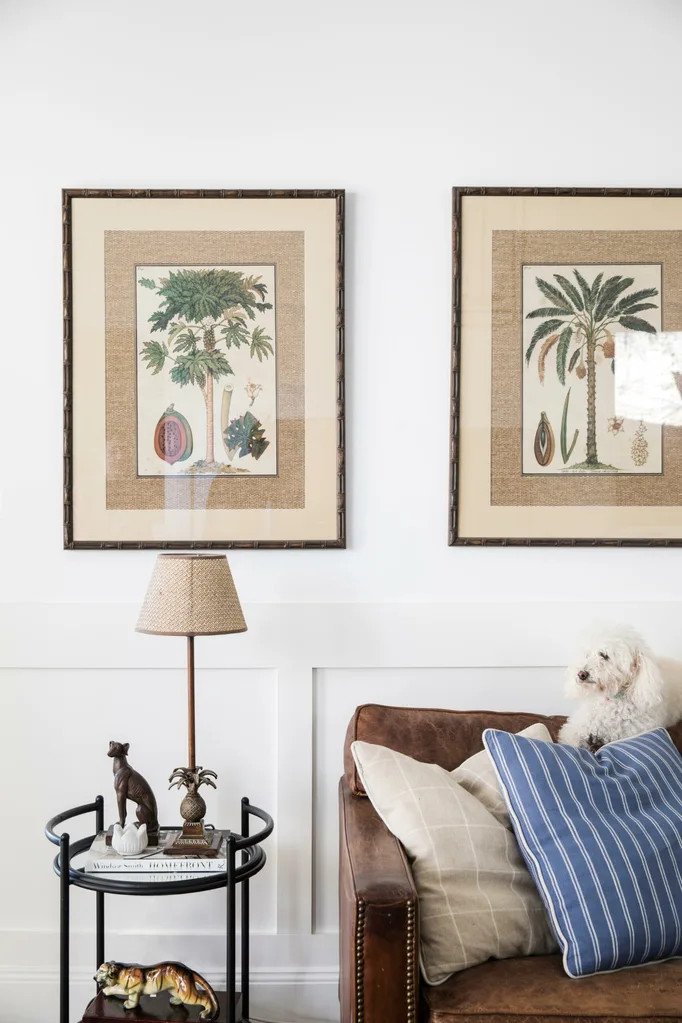
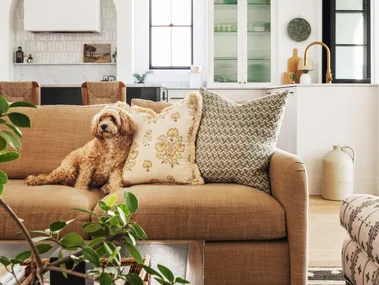
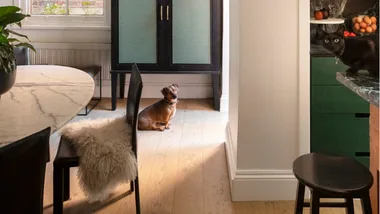
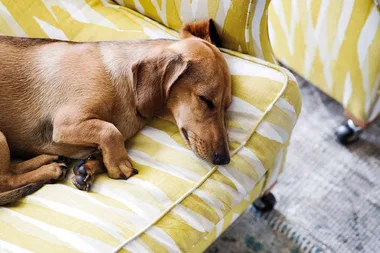
The best fabrics to choose can depend on whether you have a dog or a cat, explains Sebastian. “For dog owners, performance velvets and tightly woven chenilles are the strongest choice: durable, easy to clean, and less likely to trap pet hair. The tight weave and low pile also reduce snagging from claws.” Cats can be a whole different ball game, as I can attest. “Cats are generally harder on upholstery due to clawing behaviour, so the same principle applies: tight, dense weaves outperform open or textured ones,” says Sebastian. “For cat owners, the ability to replace individual sofa covers is often one of the most valuable long-term features of King Living furniture.” Replacing covers is typically significantly more cost-effective and sustainable than replacing the full sofa, explains Sebastian. “As a general guide, replacement covers start from approximately one third of the cost of a new sofa purchase,” he says. You can also spray your couch with protective fabric spray formulated for upholstery so you are on the front foot.
Are these fabrics pet-proof?
As a general guide, these are the fabrics that the experts recommend for cats and dogs. However, you know your pet best and there can be exceptions to the rules. For example, some leathers can withstand certain cats depending on personality and behaviour.
| Fabric | Cats? | Dogs? |
|---|---|---|
| Silk | No | No |
| Canvas | Yes | Yes |
| Leather | No | Yes |
| Microfibre | Yes | Yes |
| Velvet | Yes | Yes |
| Chenille | No | Yes |
“On walls, I usually go for a washable, low-VOC paint. In areas where the dogs are constantly moving through, an eggshell or satin finish is much more practical than a flat matte”
Terri Shannon, interior designer
4. Choose flooring with care
“When it comes to flooring, I always look for a balance between durability and warmth,” says Terri. “I tend to lean towards engineered timber, porcelain tiles, or even polished concrete depending on the space. One thing I always avoid is high-gloss finishes – they show everything, from paw prints to scratches.” Terri adds that she recommends selecting harder timber with a matte or satin finish. “It hides wear much better,” she says. “Rugs in high-traffic areas make a huge difference, too.” But what if you prefer the cosy softness of carpet? “I always recommend low-pile and tightly woven styles. They’re much easier to maintain and feel more tailored,” says Terri.
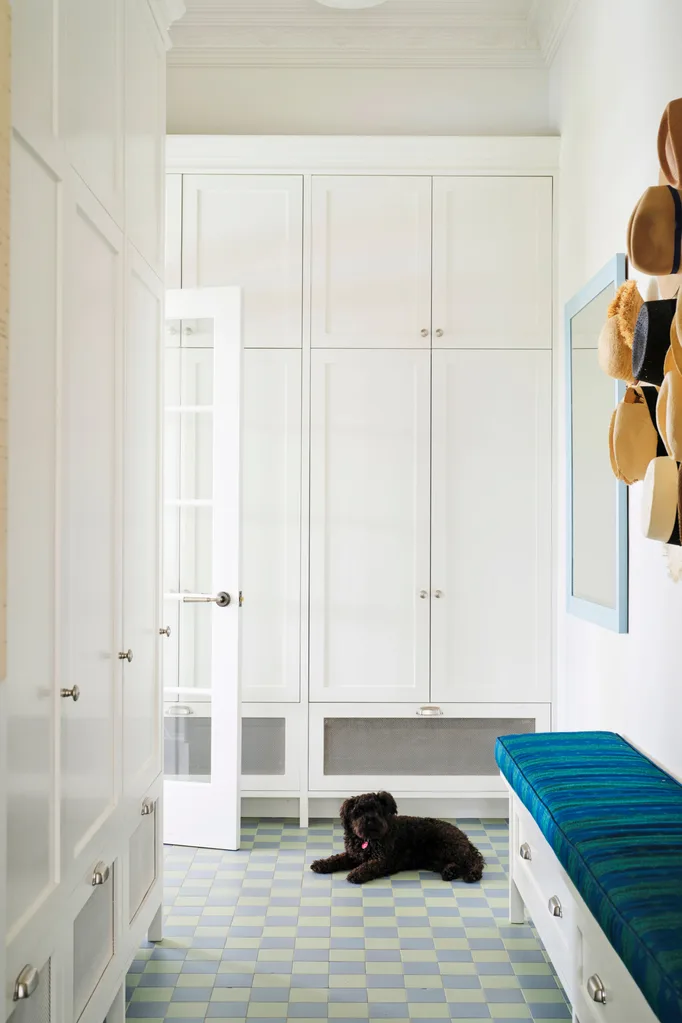
Having a tiled mudroom, like in this home by Anna Spiro Design, is the perfect solution for keeping muddy paws from getting inside the main part of the home. (Photography: Dave Wheeler / Styling: Corina Koch)
5. Opt for pet-safe plants
“I love having greenery indoors, but I’m mindful about what I bring in,” says Terri. “I stick to pet-safe plants like areca palms, calatheas and most ferns. I also think a lot about placement; elevating plants or using hanging planters keeps them both safe and visually balanced.” Beware that some plants are actually toxic to pets. “To start with, know that Aussie native plants are safe,” says Chris. “For every other type, be especially careful around lilies – they’re highly toxic to cats. For dogs, look out for Brunsfelsia (Yesterday, Today and Tomorrow), cycads, oleander and bulbs. But strangely enough, lawn and park grasses are probably the most common irritation for dogs, leading to skin irritations and foot licking.” Another tip, when it comes to cats is to give them their own pot of cat grass. “It usually saves your greenery and keeps everyone happy,” says Matt. To find out more details about which plants are dangerous, go to this site.
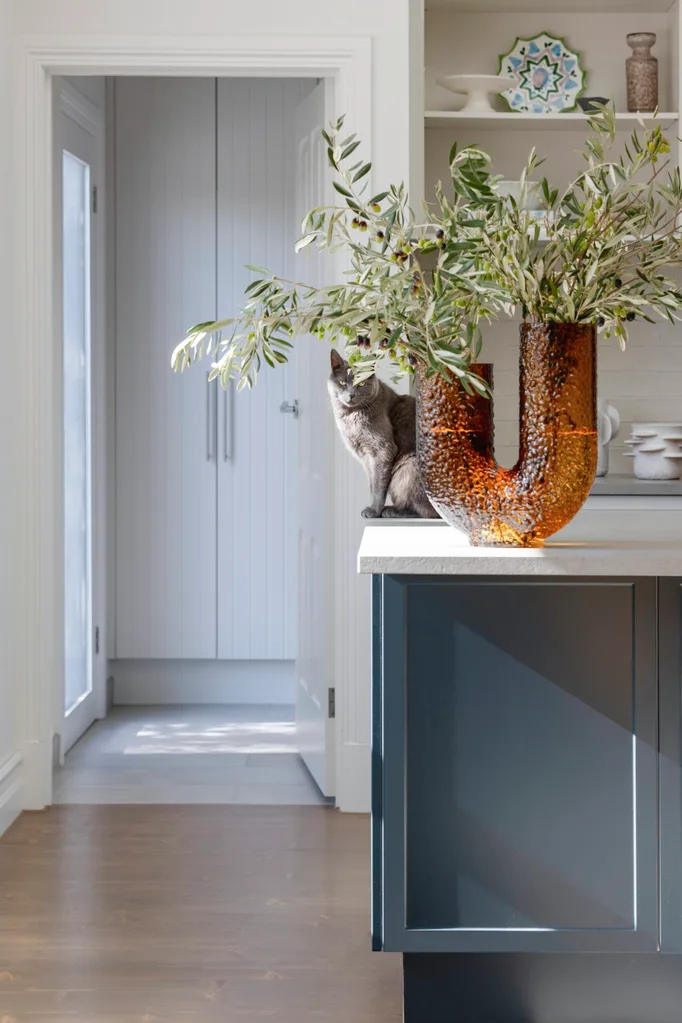
So, how am I going with my mission to have a gorgeous pet-proof home? Well, I’ve finally convinced my cat to adopt a pet bed. Protecting the sofa from clawing is still a challenge but I’m off to buy a washable rug. Wish me luck!
Shop pet essentials
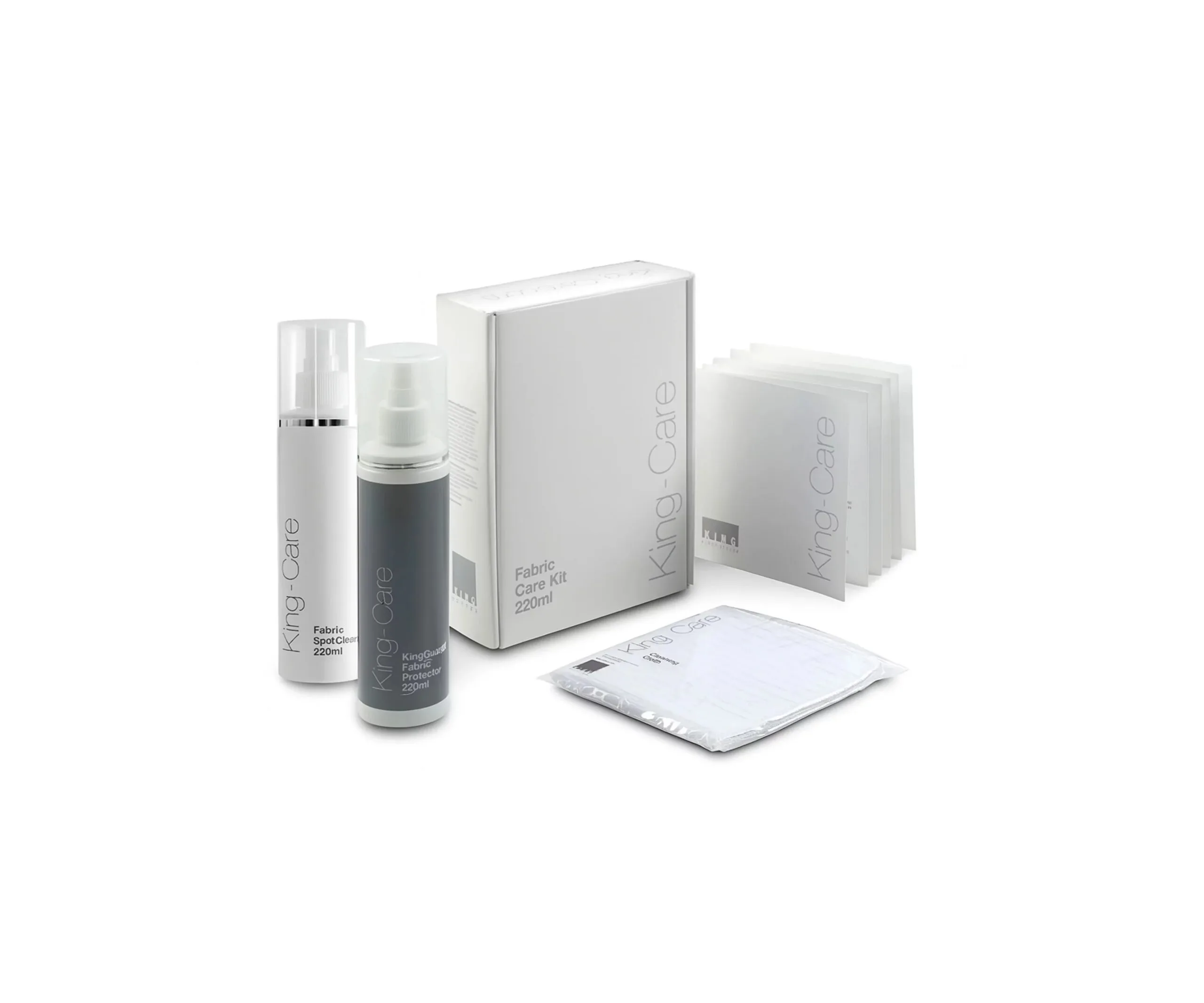
Fabric care kit
$69, King Living
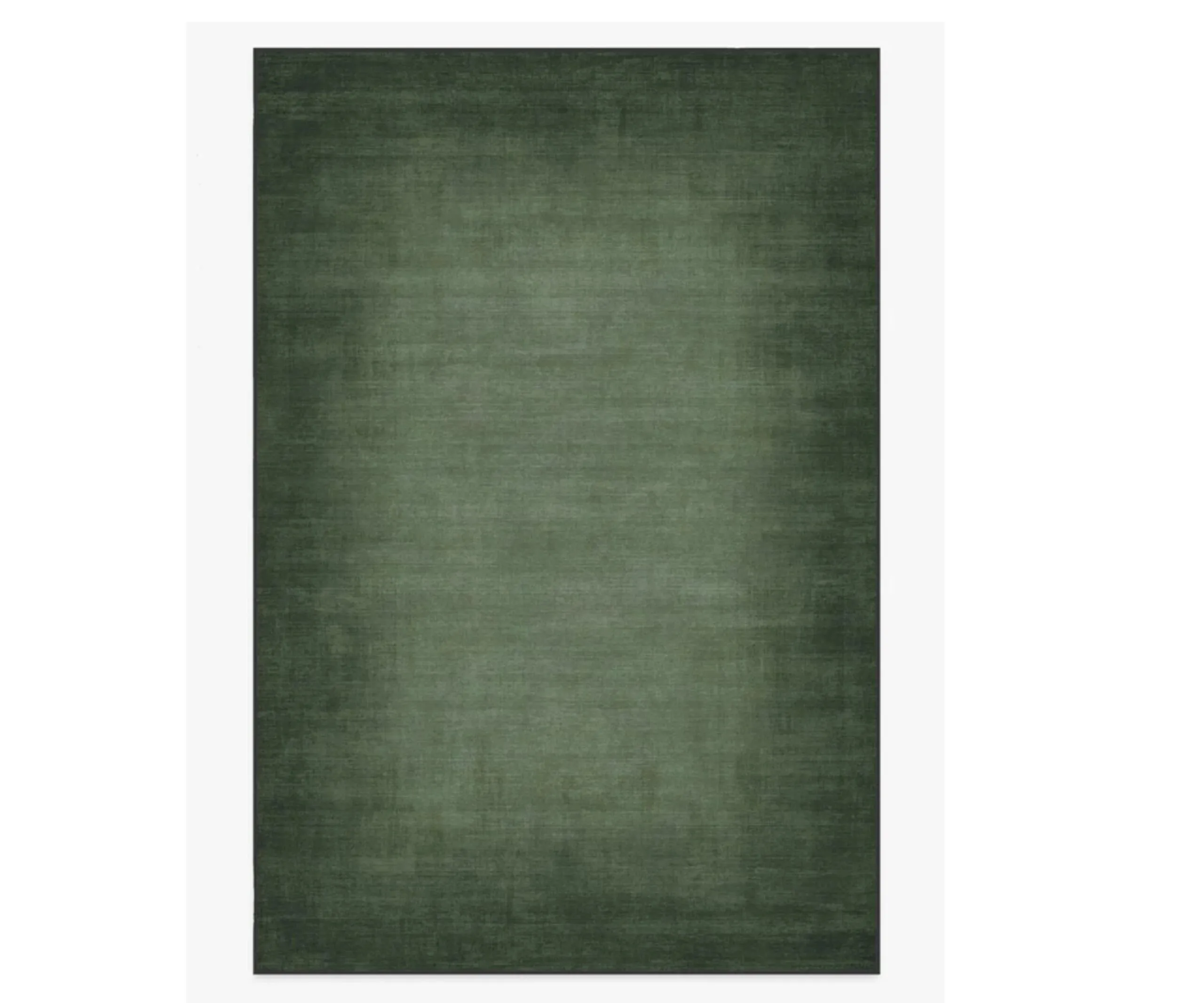
‘Aura Ombre’ washable rug,
$829, Ruggable
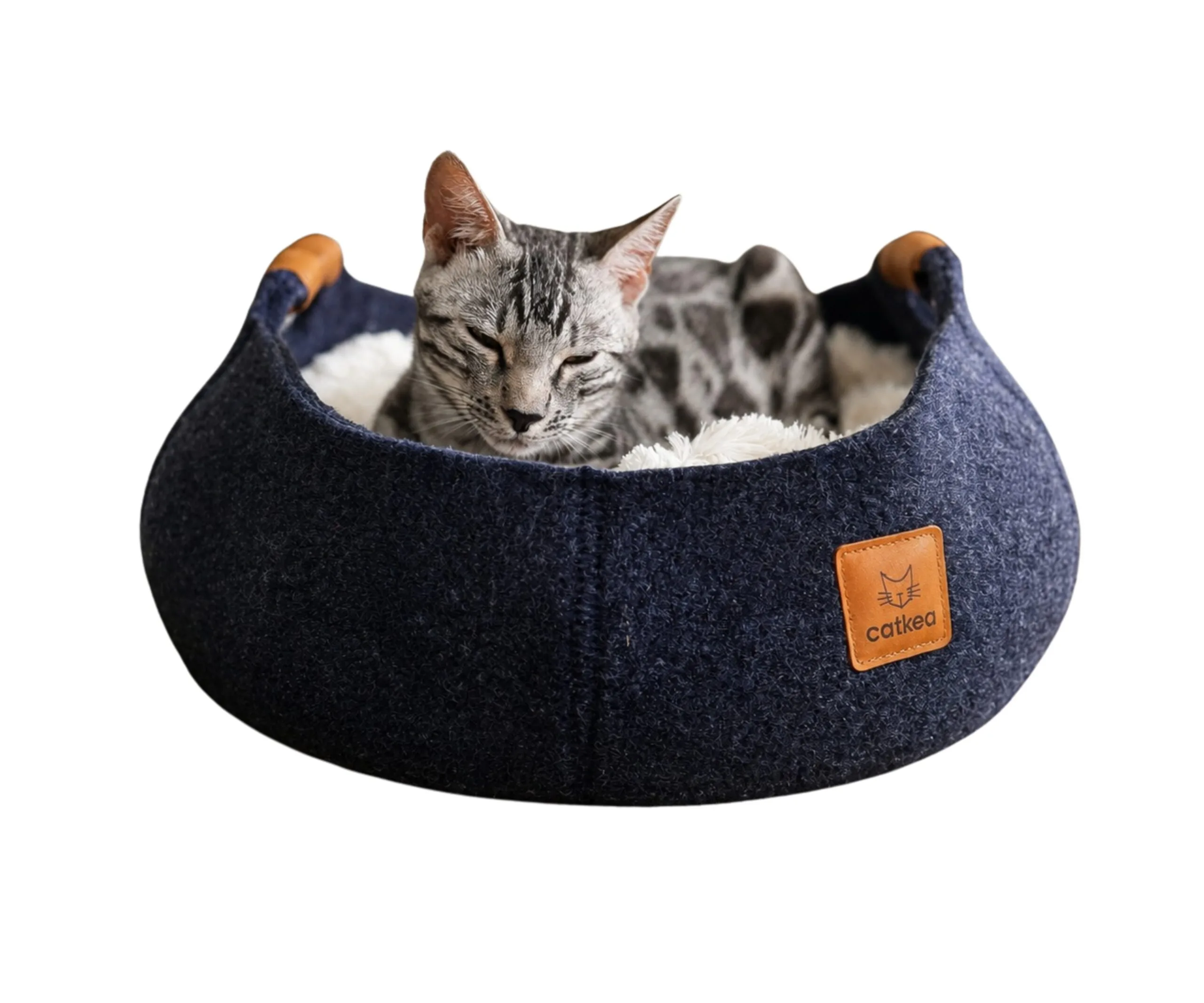
‘Cosy Cat Bed’,
$139, Catkea
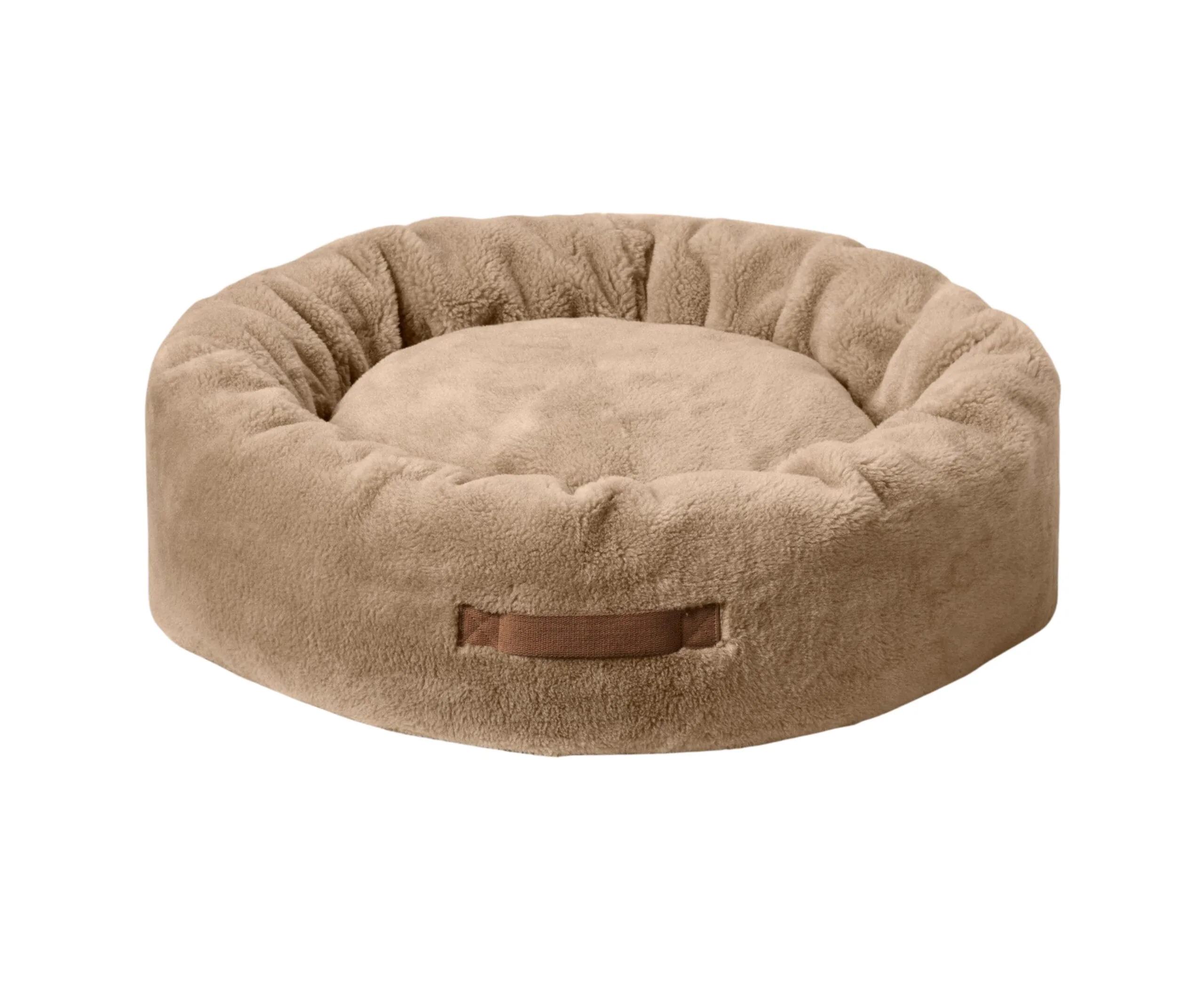
‘Sleep Calm Oasis’,
$259.99, Minijumbuk
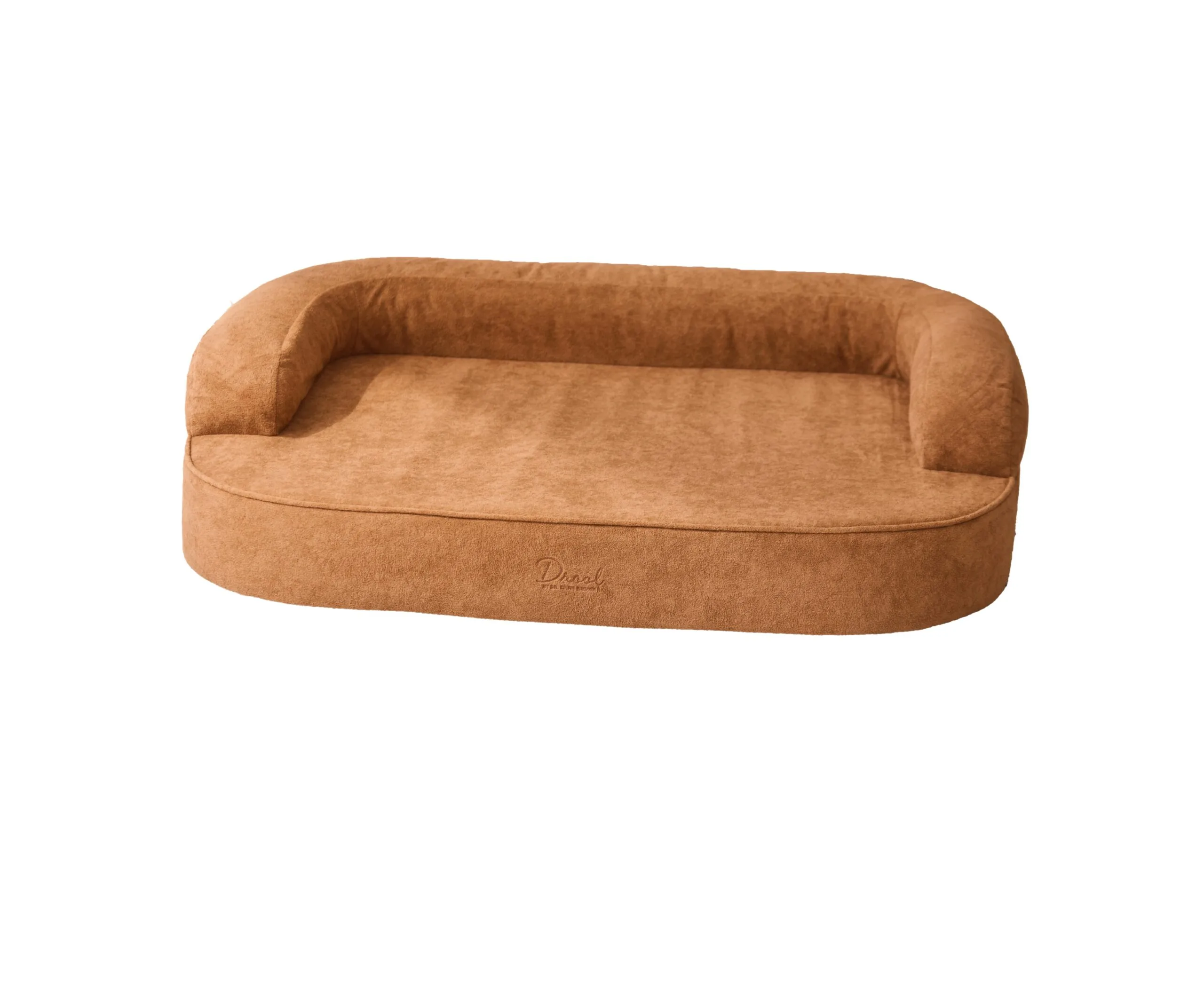
‘SpineAlign Dream Bed’, from $289.99,
Drool by Dr Chris Brown
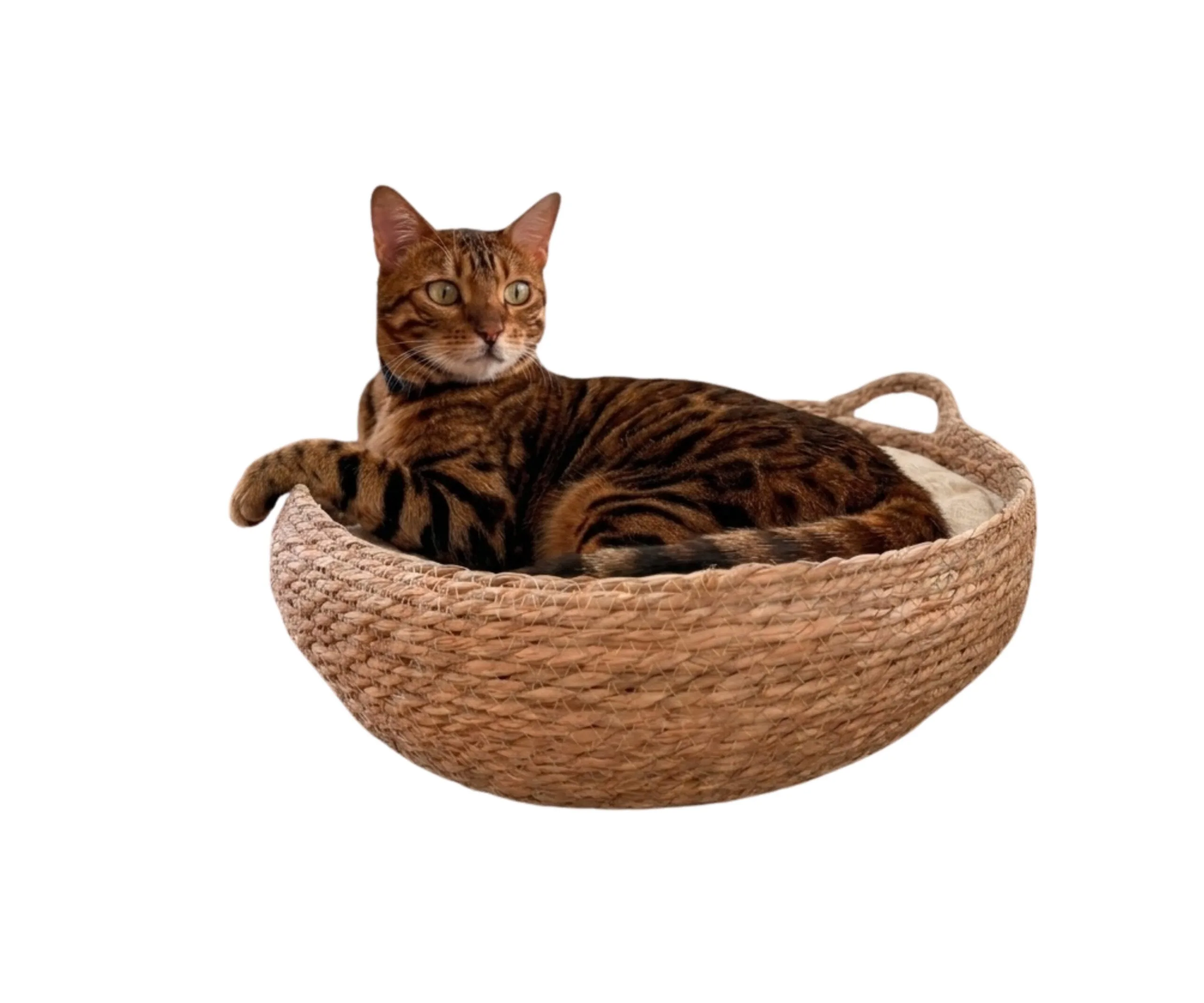
Handmade rattan cat bed,
$64, Catkea

