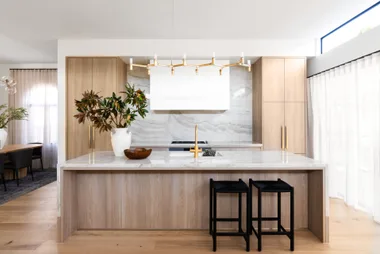
 Photography: Ryan Linnegar/ Styling: Holly Irvine
The kitchen remains the beating heart of the Australian home, but the way we design and use it has shifted markedly in the last decade or so. In 2026, homeowners are moving beyond pure aesthetics to prioritise how a kitchen actually performs.
Nowhere is that clearer than in the appliances doing the heavy lifting. Induction cooktops have gone from niche to near-default in new builds and renovations alike, prized for their speed, precise heat control and sleek, low-profile glass surface that disappears into a benchtop when not in use. They’re also considerably safer and easier to wipe clean than gas, with no open flame and no risk of a hot element left glowing after the pan comes off.
Steam ovens have become the premium cooking upgrade of the moment, delivering succulent roasts, better-proofed bread and reheated leftovers that taste freshly made, thanks to superior moisture control. Some of the newest models even pair with AI-assisted apps that recommend cook times and temperatures straight from your phone.
Layer these smarter appliances over the enduring design fundamentals, and you have everything you need for a kitchen that looks as good as it performs, with thoughtful zoning, colour, texture and great storage.
Read on for our hot tips on the latest looks to bring your kitchen up to date.
1. Nib wall in a kitchen
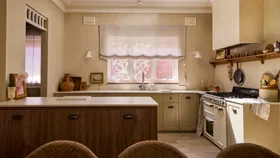
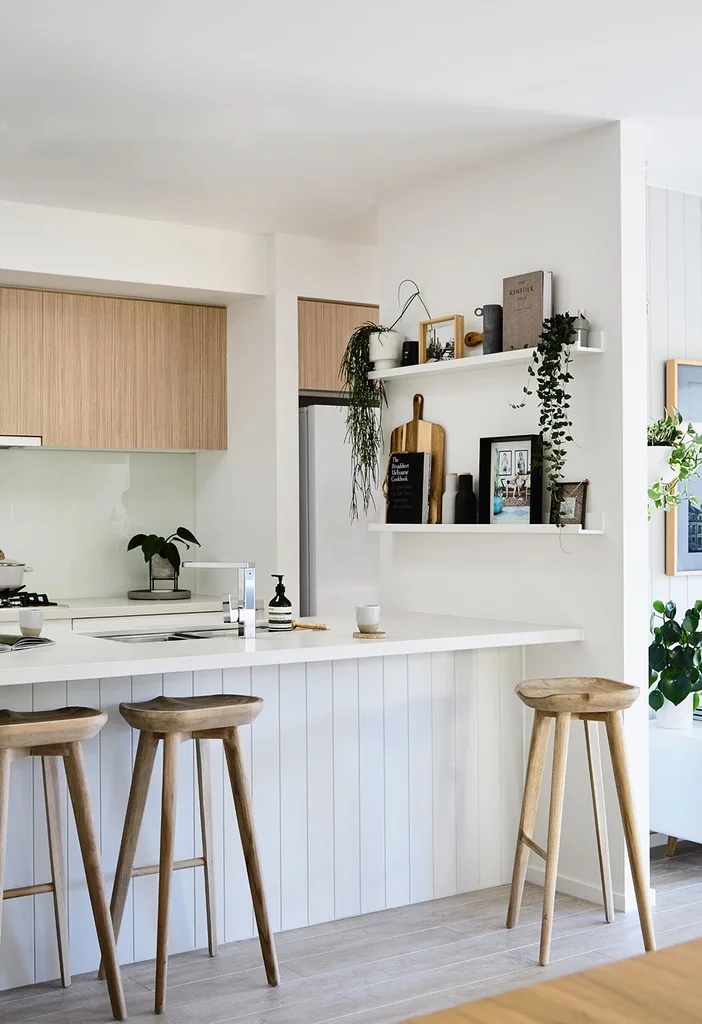
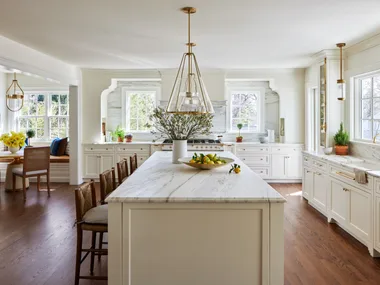
A nib wall remains one of the smartest ways to solve the layout puzzles that come with an open-plan kitchen. Building codes around appliance clearances (particularly cooktops and ovens) vary from state to state, and a nib wall lets you meet them without boxing the room in. It’s also become a favourite trick for zoning a butler’s pantry off the main kitchen – dividing the “mess” from the “mingle” area while keeping sightlines and airflow open.
2. Break up colour blocks
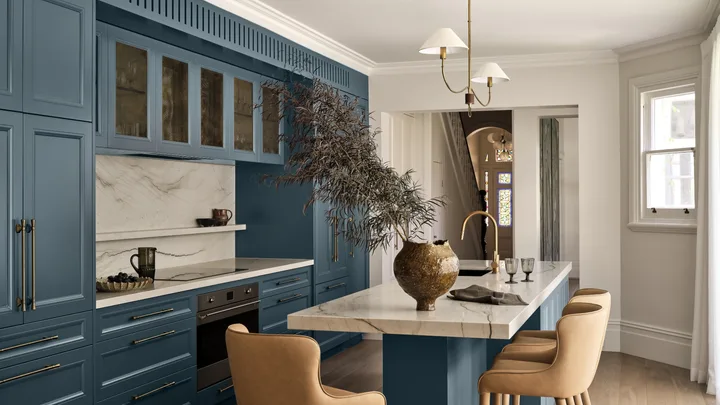
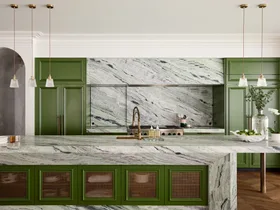
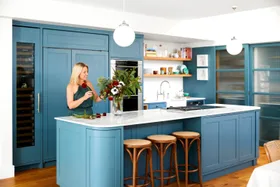
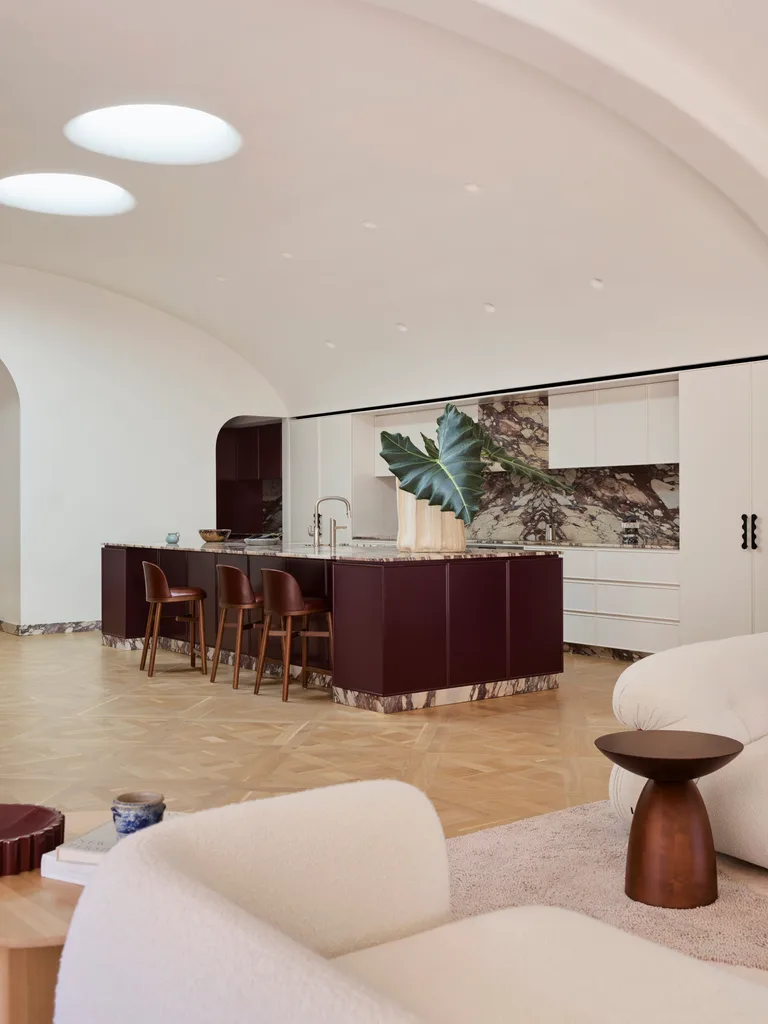
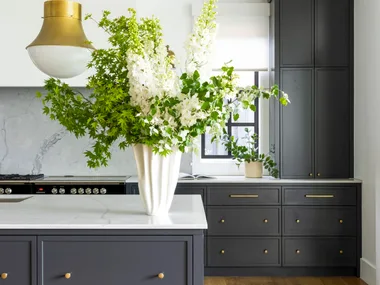
Colour confidence is well and truly back in the kitchen, but the rules haven’t changed over time: break up bold blocks of colour with white, timber or texture so the effect reads as considered rather than overwhelming. Consider your flooring as a colour block its own right, and choose cabinetry tones that complement rather than compete with it. A deep, saturated cabinetry colour – think burgundy, forest green or ink blue – makes a far stronger statement when it’s offset with a lighter benchtop, splashback or overhead cupboard, rather than applied uniformly floor to ceiling.
Contrast is what stops a colourful kitchen tipping into “too much”.
3. Upgrade your cooking appliances
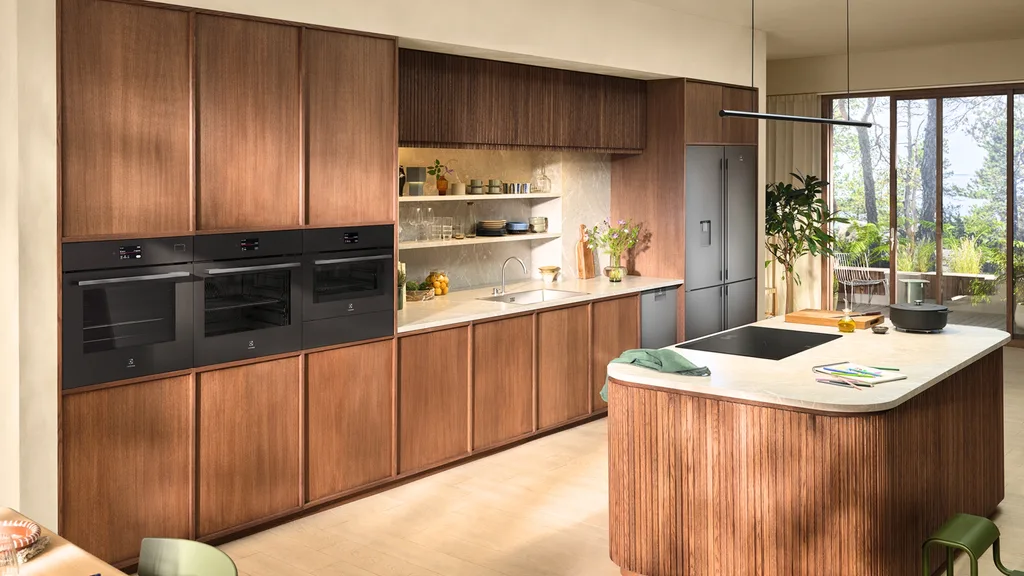
The single biggest shift in kitchen design in the last decade isn’t a finish or a colour – it’s what’s happening behind the cooktop glass. Induction has overtaken gas as the appliance of choice for renovators chasing speed, safety and a seamless, low-profile benchtop, while steam ovens have moved from luxury add-on to genuine everyday workhorse, prized for locking in moisture that a conventional oven simply can’t match. From induction cooktops to steam ovens, the Electrolux cooking range delivers precise heat and moisture control for perfectly even pancakes and juicy, crispy roasts every time. Show now at Designer Appliances.
4. Balance displays with odd & even
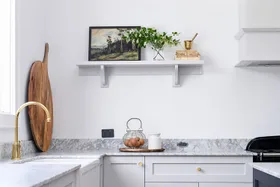
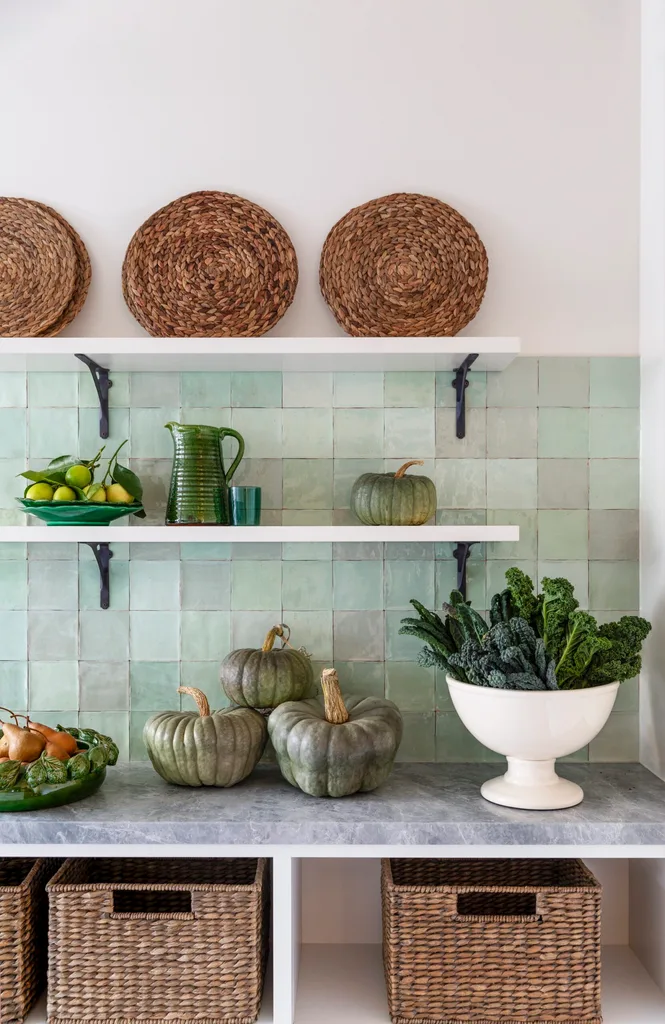
Displaying decorative items in multiples of three is a good rule of thumb when designing your layout. Where this is not possible, try to throw to another grouping within the room to create balance. Particularly in open shelving, a mixture of textures works well – try for something natural displayed next to mass-produced decor and change displays often to keep the look fresh and your beloved items clean.
5. Take your splashback to the top
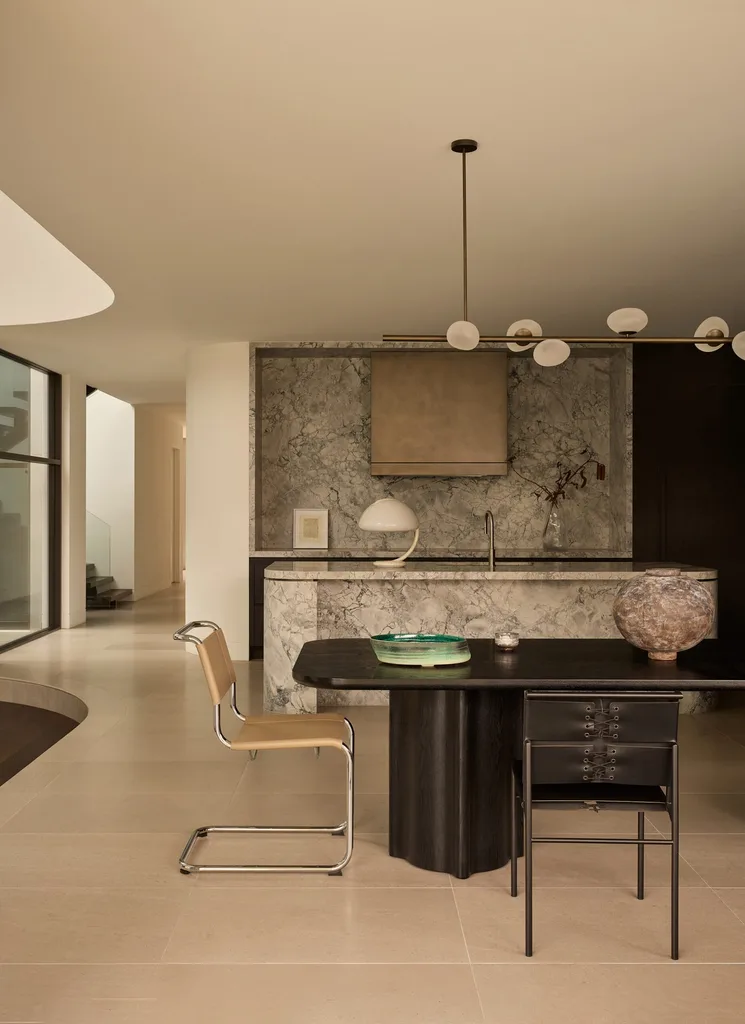
Taking your splashback all the way to the ceiling makes a stronger design statement and turns details in stone or tiles into a feature. Matching a statement stone to your benchtop or kitchen island grouting adds texture, interest, and a little extra punch, and a coordinated lighting plan can shed a glow in all the right areas.

Related stories
Native ad body.
Native ad body.
Native ad body.