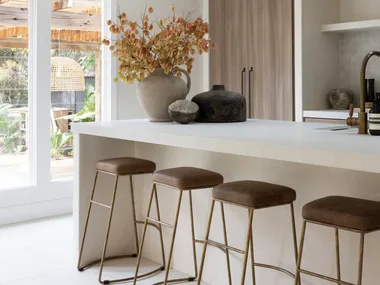
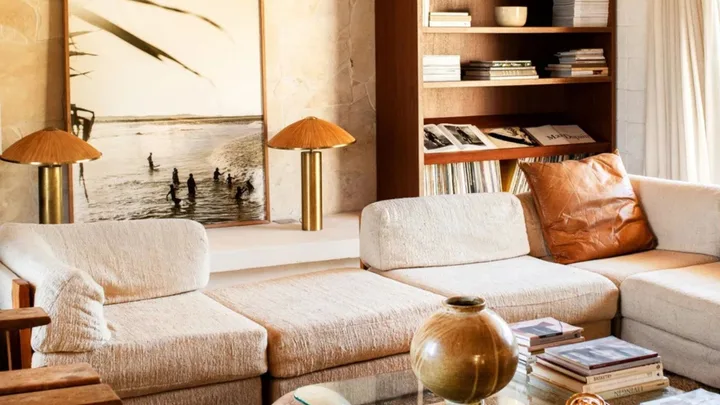
 Photography: Kara Rosenlund
The desperate struggle to wrench our time and attention spans back from the grip of social media and other digital technologies has people turning back to ‘analog’ lifestyles. Parents have started giving their kids landlines instead of mobile phones, young people are reclaiming their free time with ‘analog bags‘ full of Sudoku books and crochet tools, and the dumb phone and digital camera have never been cooler.
Rather than being rooted in some sort of nostalgia for a previous time, the trend seems to convey the innate human need for tangibility in our lives. When our family photographs are stored in a virtual cloud, entertainment is controlled through digital subscription services, and our social interactions are increasingly involving an online platform, we can feel a sense of detachment from the things that make up the fabric of our lives.
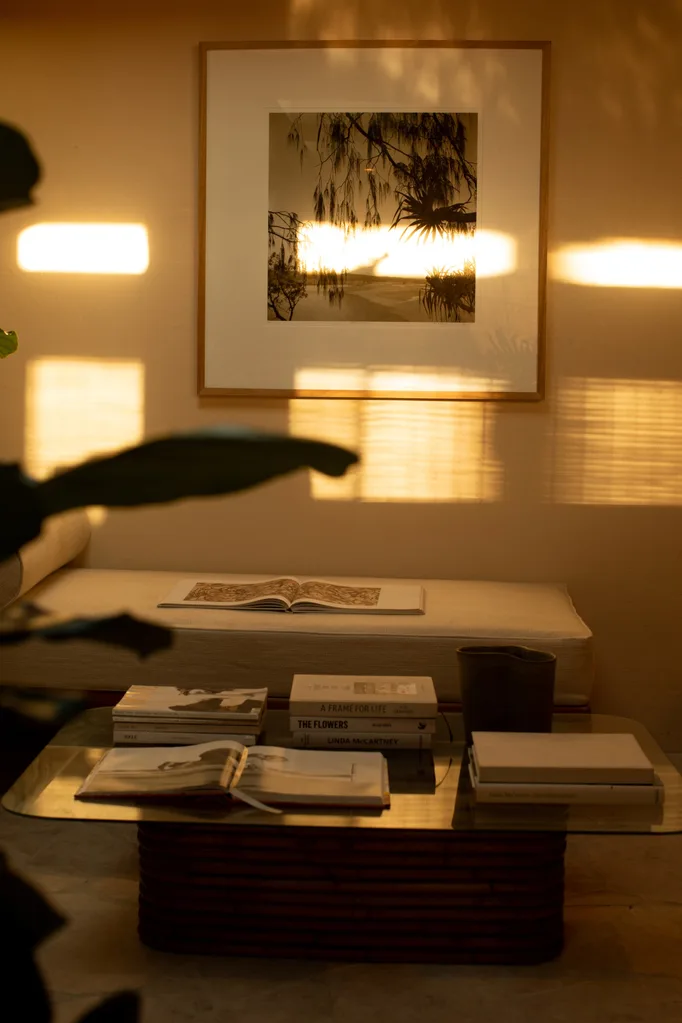
Unlike work, where screen use is generally unavoidable, your home can be a retreat from the online world. Designing spaces to support offline activities and embracing older, slower forms of technology can help reduce the addictive pull of the online world and return you to the real one.
Creating intentionally analog spaces
Interior designer Hans Lorei first brought up the concept of analog spaces back in 2024, when he described them as an antidote to digital overwhelm.
The main purpose of these spaces is to support offline activities. Whether it’s a living space that helps you host games nights, a reading nook that makes curling up with a physical book or magazine more appealing, or a craft table dedicated to creative hobbies like painting, drawing or scrapbooking, it’s all about intentionally carving out a space where you can engage with the offline activities that you enjoy.
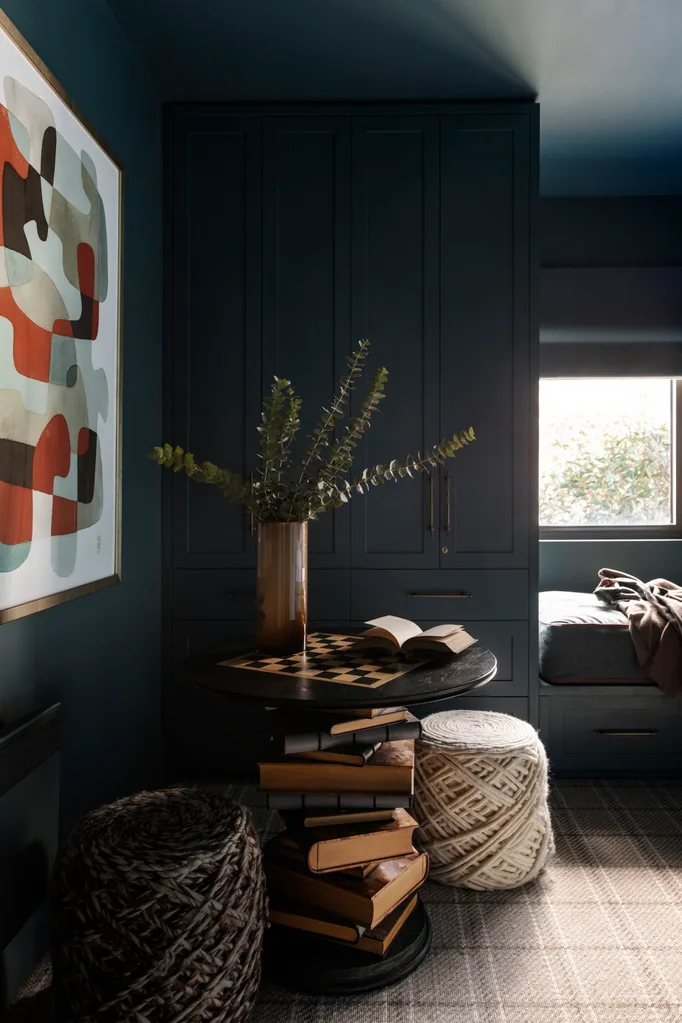
When it comes to designing an analog space, you should think about the type of activity you want to support. For conversational spaces that could also support reading and listening to music, Hans believes that low seats and soft lighting can help create a comforting ‘sense of enclosure’ in an analog space.
However, if doomscrolling on the couch is your main battle, then perhaps a table with comfortable chairs will help you find the motivation to complete a puzzle, create photo albums or work on your art.
Bringing back the computer room
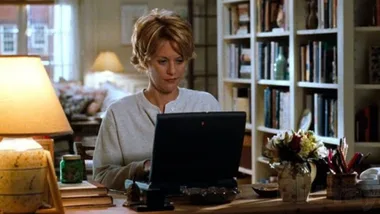
Anyone who grew up in the 90s and early 2000s will remember the computer room – a dedicated space in the home for using the computer. While modern laptops, phones and tablets mean we can access the internet anywhere and anytime, they also mean that we struggle to get away from it.
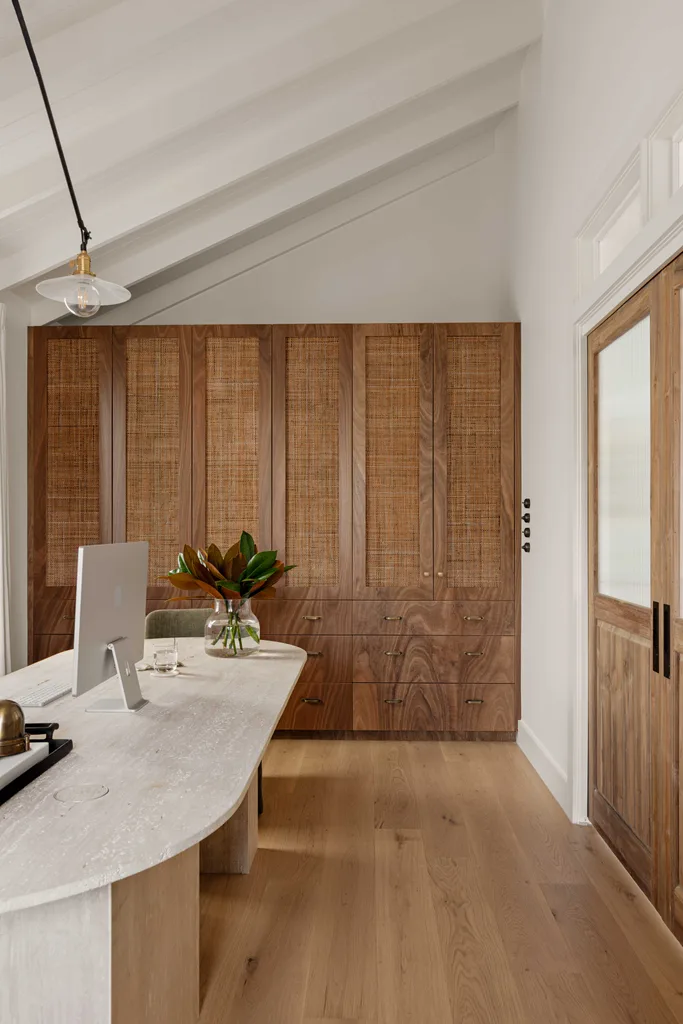
A digital space might sound like the antithesis of an analog home, but I would argue that these spaces are just as important as analog ones for creating boundaries with digital technology. In an article for Apartment Therapy, Brittany Anas shared that creating a computer room cut her screen time by 80%. By creating a dedicated space for your computer, laptop, or smartphone, your usage is likely to be more intentional and less likely to creep into other areas of your life.
Swapping your laptop for a family-style desktop computer will also make this easier. Whether it’s located in a separate room or a more visible family zone that’s safer for children, the key is that it can’t be moved to the couch, bedroom or anywhere else you believe should be ‘screen-free.’
Embracing analog technology
Attempting to spend less time on a smart device is usually followed by the shocking realisation about how much of our lives are actually dependent upon them. From checking the time and setting alarms to typing our to-do lists into apps and saving recipes to cook later, our devices are designed to make us feel like we can’t live without them.
Yet, analog technology reminds us that we can. Replacing your phone alarm with an analog alarm or clock radio is an easy way to prevent your phone screen from being the first thing you see in the morning. Likewise, a paper planner and good old-fashioned kitchen calendar are just as worthy organisational tools as a Google Calendar or Notion board.
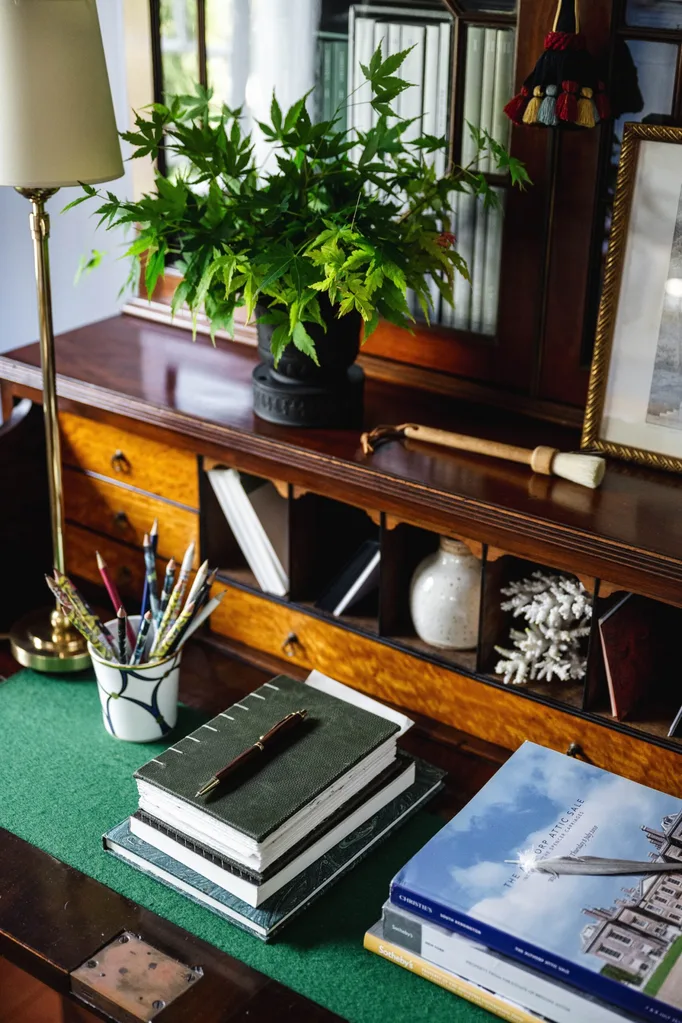
If you’re burnt out on being beholden to streaming services, then you might join those returning to physical media and using DVD, CD, record and cassette players for their favourite films and albums. Tip: head to the op shop or local library.
Analog homes aren’t about giving up digital technology but simply about using it more intentionally and letting our space be a retreat from the noise of the online world.

Related stories

Native ad body.
Native ad body.

Native ad body.