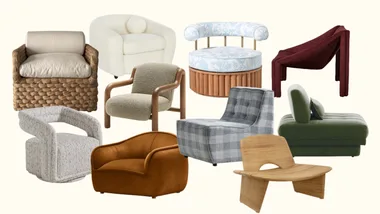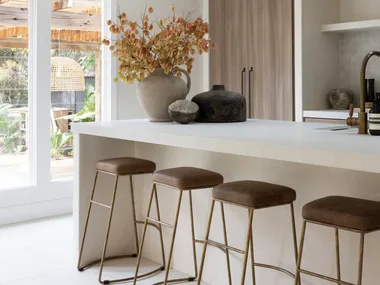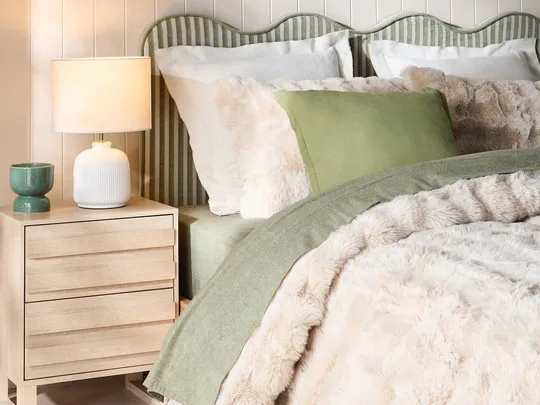
Kmart has never hidden its ambition to become Australia’s go-to destination for affordable homewares. In fact, Power Retail’s 2026 All Star Bash winner was Kmart, who knocked out 2025’s winner Big W.
Now, the retailer is making its boldest move yet. They are opening a dedicated home and furniture concept store centred around its hugely successful Anko range.
The trial store, which is now open, is located at 249 Middleborough Rd, Box Hill South, 3128, Melbourne.
It has sparked immediate comparisons to Swedish flat-pack giant IKEA. Both brands promise stylish interiors at accessible prices. But, as Kmart expands deeper into furniture and home design, one question remains: can it match the quality, longevity and sustainability credentials that IKEA has spent decades building?
NEED TO KNOW
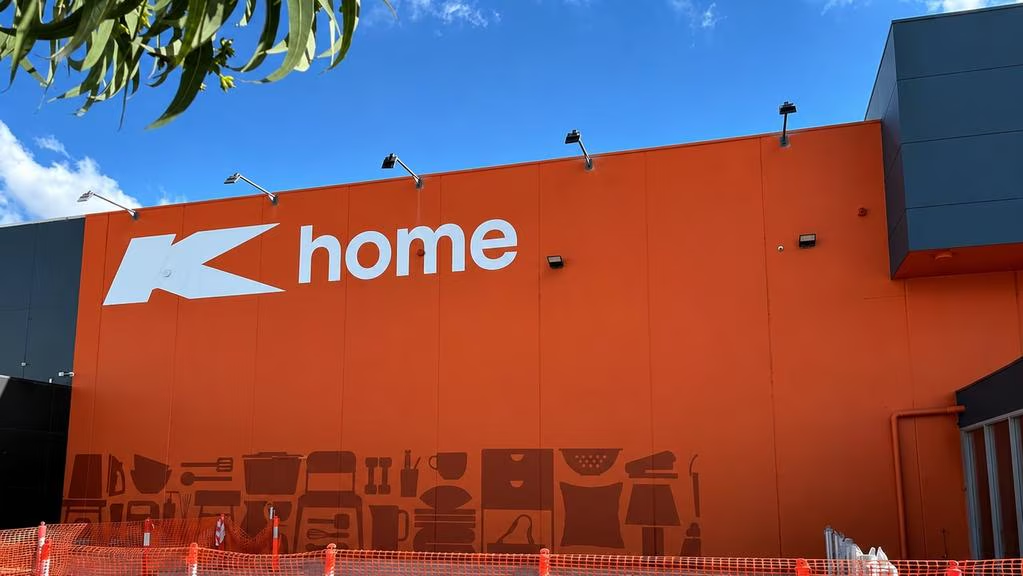
A new era for Kmart Home
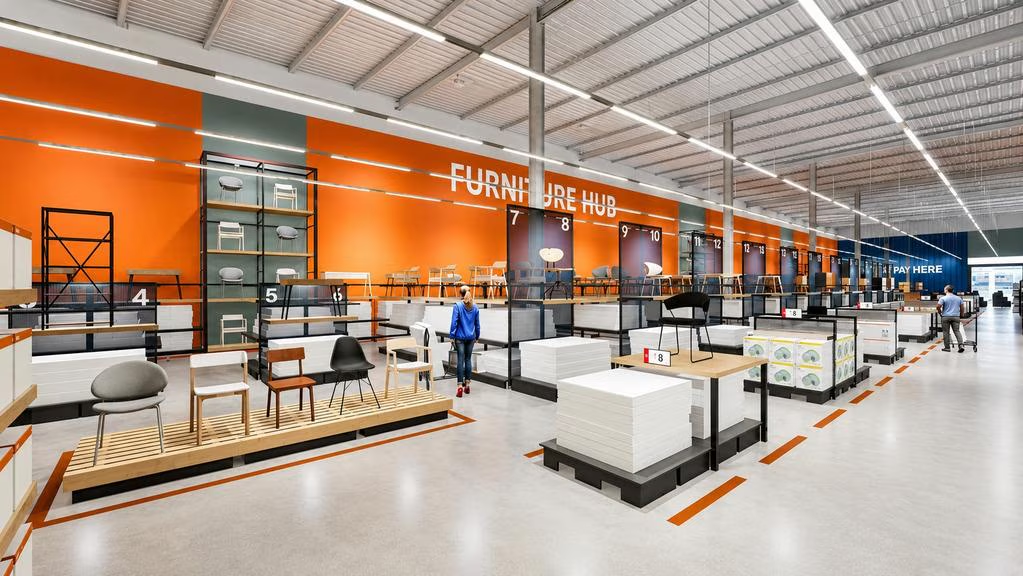
Unlike a traditional Kmart store, the new concept space feels more like a showroom. It gives shoppers the chance to explore products in styled settings rather than browse endless aisles.
“The space has been designed differently…with a more immersive home environment, curated displays, and room-based inspiration to help customers explore the range in a more intuitive way,” Kmart chief commercial officer Callum Smith said.
The concept reflects a broader shift in Australian shopping habits. Consumers are increasingly seeking affordable ways to refresh their homes without committing to the price tags attached to designer furniture or premium homewares.
“Customers have embraced Kmart’s home range for many years, and we’ve continued to grow our furniture offer as customer demand has grown,” Smith said.
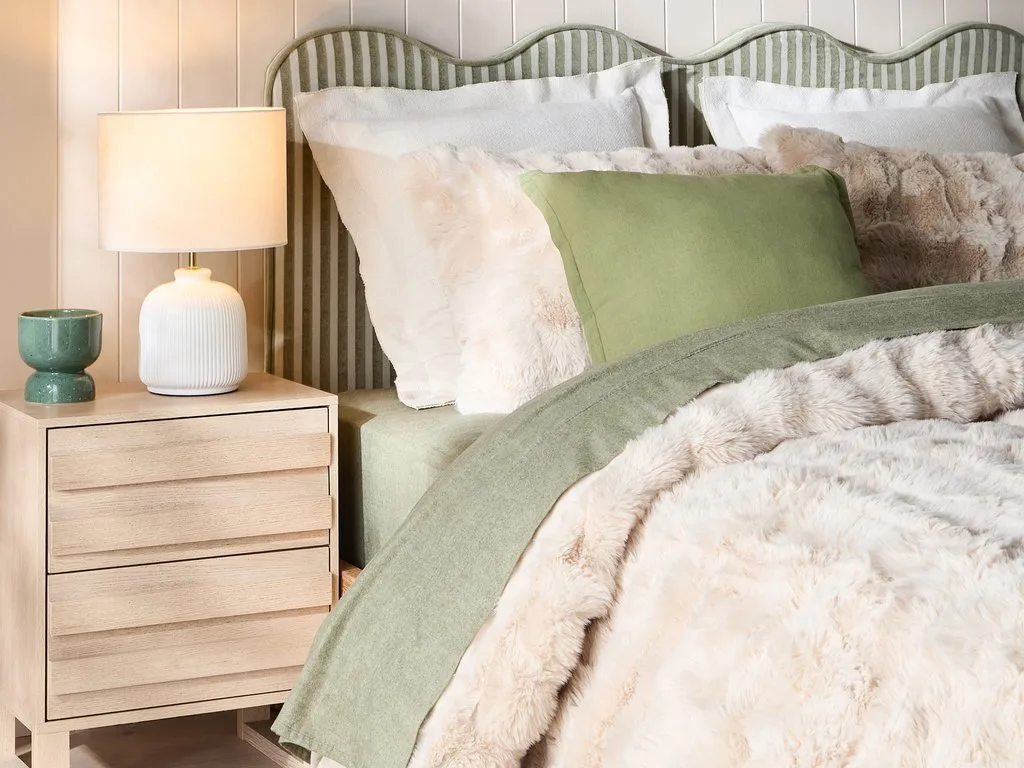
It’s a strategy that appears perfectly timed. Cost-of-living pressures continue to shape spending decisions. Therefore, Kmart’s affordable furniture collections have become increasingly popular among renters, first-home buyers and young families.
“At a time when value matters more than ever, this trial is about helping Australian families create a home they love at a price they can afford.”
CALLUM SMITH, KMART CHIEF COMMERCIAL OFFICER
Kmart’s home store has shoppers talking
News of the store launch has generated significant discussion online. Many shoppers excited by the prospect of an IKEA-style experience without the lengthy warehouse journey.
Some praised Kmart for making home styling more accessible, while others questioned whether low prices inevitably come at the expense of durability.
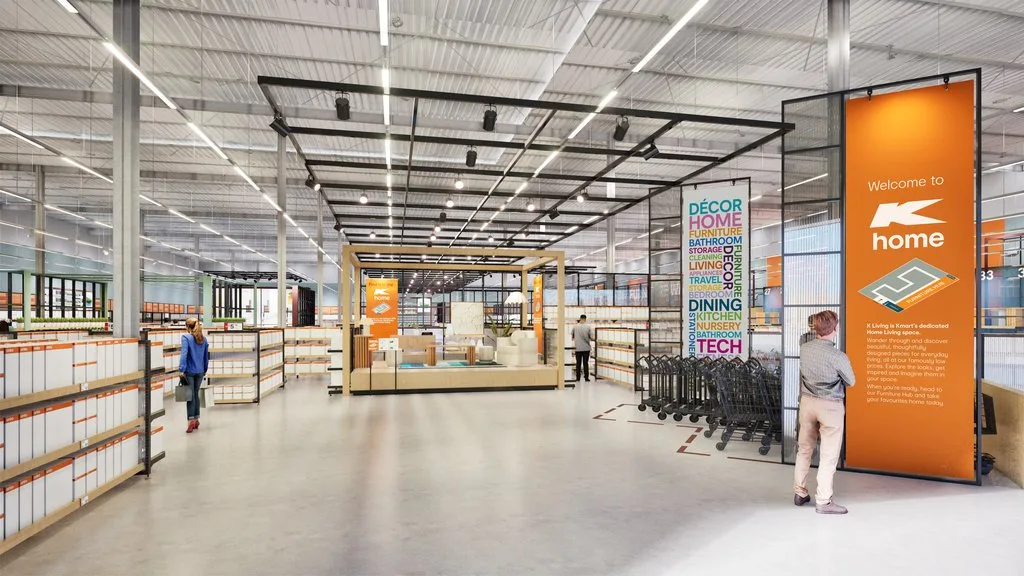
The debate highlights a challenge Kmart may face as it enters territory long dominated by IKEA. While Australians often turn to Kmart for decorative pieces, storage solutions and trend-driven home updates, larger furniture purchases tend to invite greater scrutiny around quality and lifespan.
Consumers are becoming increasingly conscious of how long products will last, particularly as sustainability concerns continue to influence purchasing decisions.
The sustainability question
This is where IKEA holds a significant advantage.
Over the past two decades, the Swedish retailer has invested heavily in sustainability initiatives, circular design principles and renewable materials. Globally, IKEA has committed to becoming climate positive and has introduced furniture buy-back programs, repair initiatives and extensive investments in renewable energy.
The company has also increased its use of recycled and renewable materials across its product ranges while designing furniture that customers can disassemble, repair and reuse.
Kmart, meanwhile, has made sustainability commitments of its own through parent company Wesfarmers, including responsible sourcing programs and efforts to reduce waste across its supply chain. However, the retailer’s reputation remains closely tied to fast, affordable products designed around accessibility and value.
As the brand expands into larger furniture categories, shoppers may increasingly expect greater transparency around durability, repairability and environmental impact.
However, this launch and investment into a store of this scale, raises a broader question: Is Kmart beginning to move beyond fast homewares and towards a more considered approach to furniture and home design?
However, this launch and investment into a store of this scale, raises a broader question: Is Kmart beginning to move beyond fast homewares and towards a more considered approach to furniture and home design?
Traditionally, shoppers have turned to Kmart for trend-driven décor, seasonal updates and affordable home essentials. However, a dedicated furniture and homewares destination suggests the retailer may be encouraging customers to think about their purchases differently.
By investing in immersive displays, room-based inspiration and larger furniture categories, Kmart appears to be positioning itself as more than a place to pick up a cushion or candle. The challenge now is whether it can convince shoppers that affordability and longevity can coexist.
Can affordable furniture also be built to last?
The question isn’t necessarily whether Kmart furniture can compete with IKEA on price. In many cases, it already does.
The bigger question is whether customers will view these pieces as long-term investments rather than short-term solutions.
Interior designers have long argued that affordability and longevity don’t have to be mutually exclusive. Many homeowners happily mix investment pieces with budget-friendly finds, creating layered interiors without overspending.
However, furniture occupies a different category from decorative accessories. A lamp, vase or cushion can be replaced relatively easily. A dining table, sofa or storage system often needs to withstand years of daily use.
For Kmart’s new concept to succeed beyond the initial excitement, customers will likely be looking for proof that the products can stand the test of time.

More than a battle over furniture
The launch isn’t simply a fight between two retailers.
It reflects a broader shift in how Australians furnish their homes. For years, IKEA dominated the affordable furniture market by offering aspirational design at accessible prices. Kmart is now betting that Australians want the same inspiration, but with even greater affordability and convenience.
Whether shoppers embrace the concept may ultimately depend on more than just price tags.
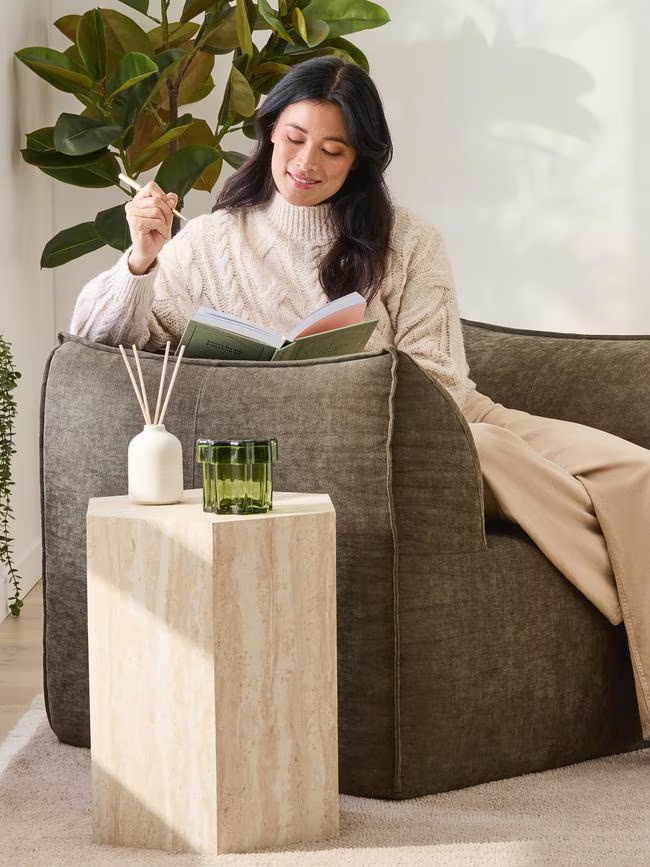
As consumers become increasingly conscious of quality, waste and sustainability, Kmart’s biggest challenge may not be competing with IKEA’s catalogue. It may be convincing Australians that affordable furniture can also be furniture worth keeping.
The trial store is likely to attract plenty of curious shoppers. What remains to be seen is whether it can build the kind of long-term trust that has helped IKEA transform from a furniture retailer into a global home-design institution.

Related stories
Native ad body.

Native ad body.

Native ad body.