 Raine & Horne Bathurst
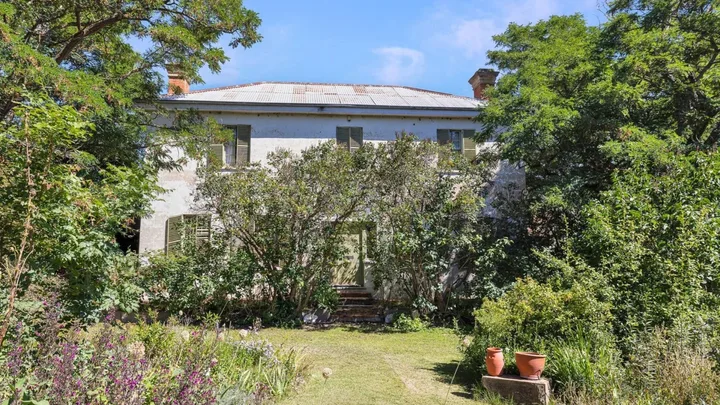
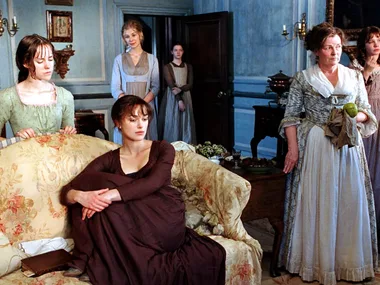
Heritage buildings, with interiors that look as if they’re straight from the pages of Pride and Prejudice (or a scene in Bridgerton), are a rarity in Australia. If we wish to escape to the chateau, we normally have to move overseas. But this Georgian house, built in regional NSW in 1832, is an exciting exception.
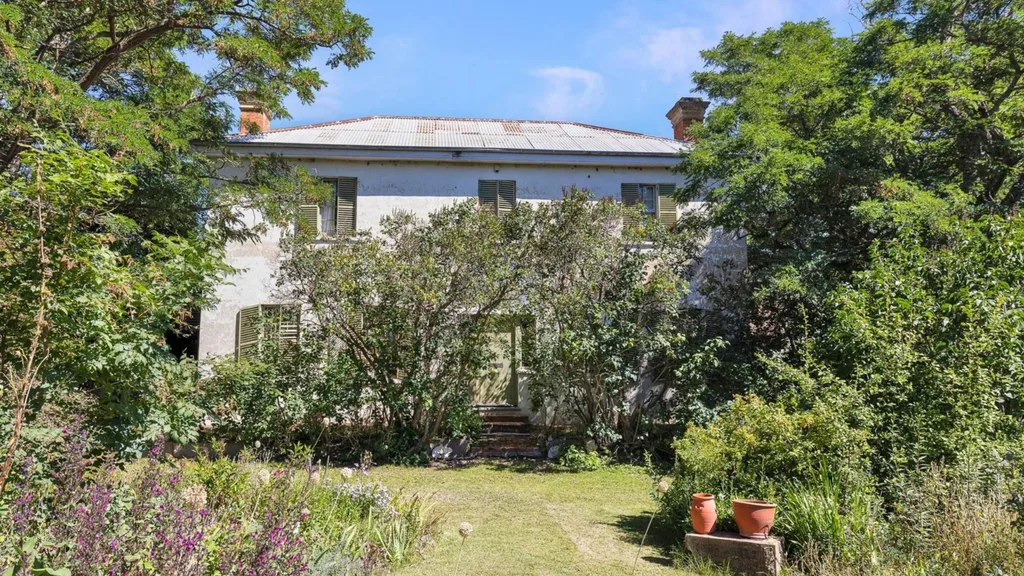
This listing marks only the second time in the home’s nearly 200 year history that it is available to the public.
Key listing details
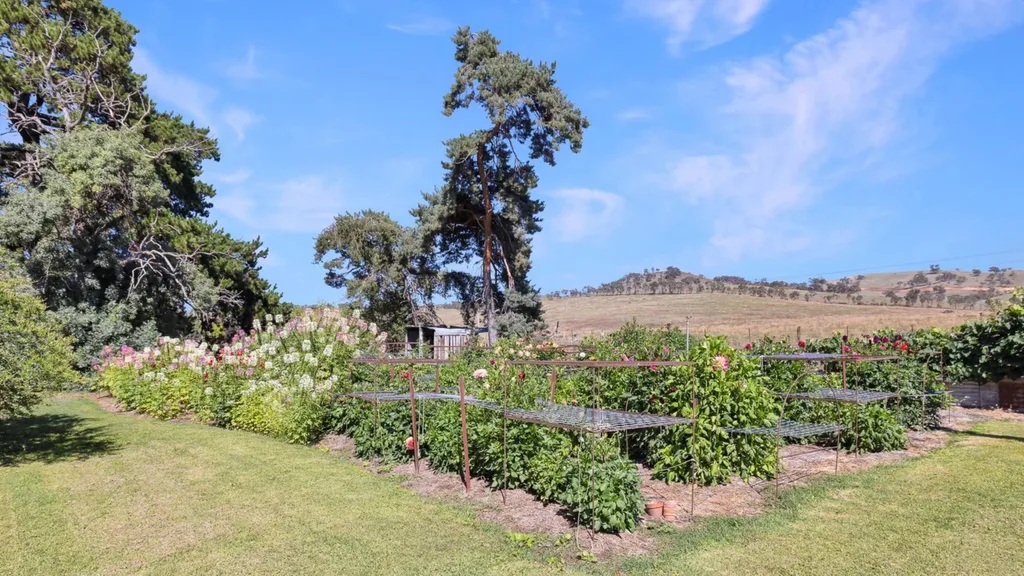
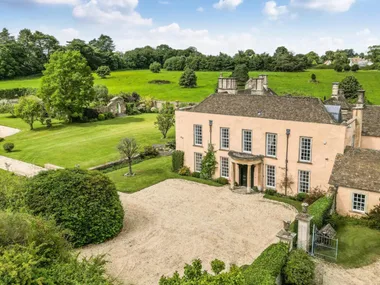
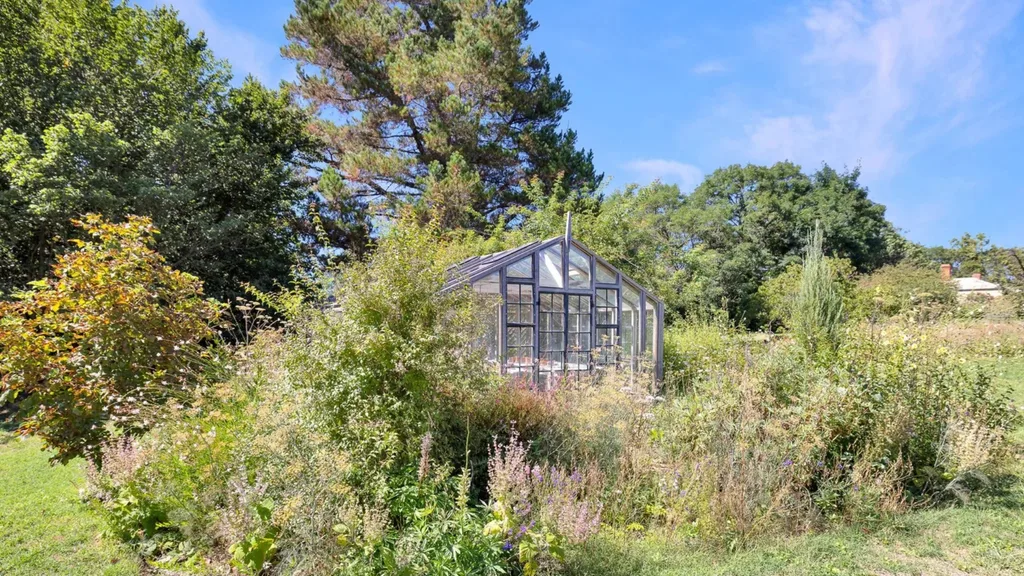
The six-bedroom Georgian house is set on 31 hectares of land and is positioned just five minutes from the Bathurst CBD, in regional NSW.
For the full listing, click here.
Tour the historic Georgian house
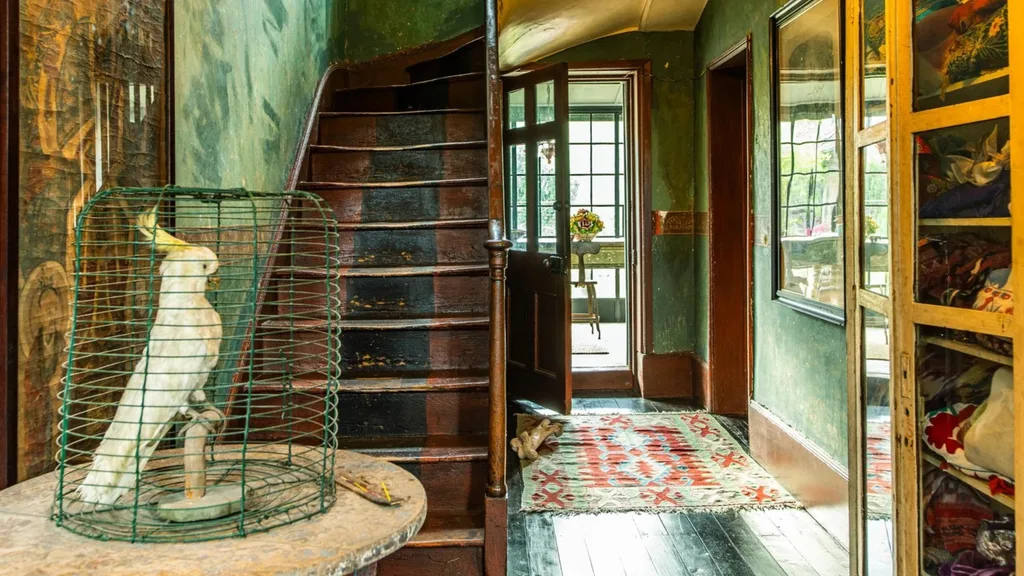
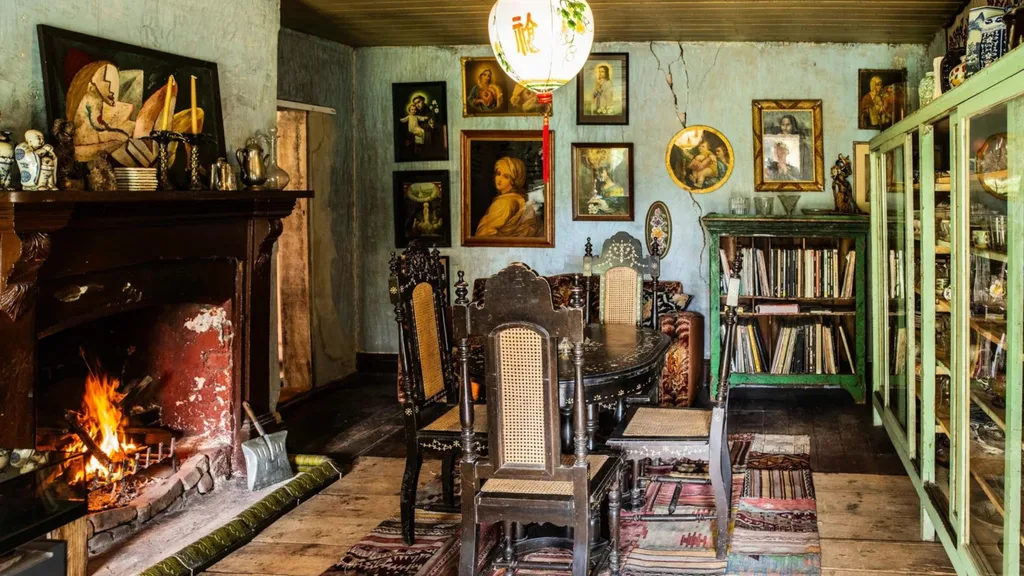
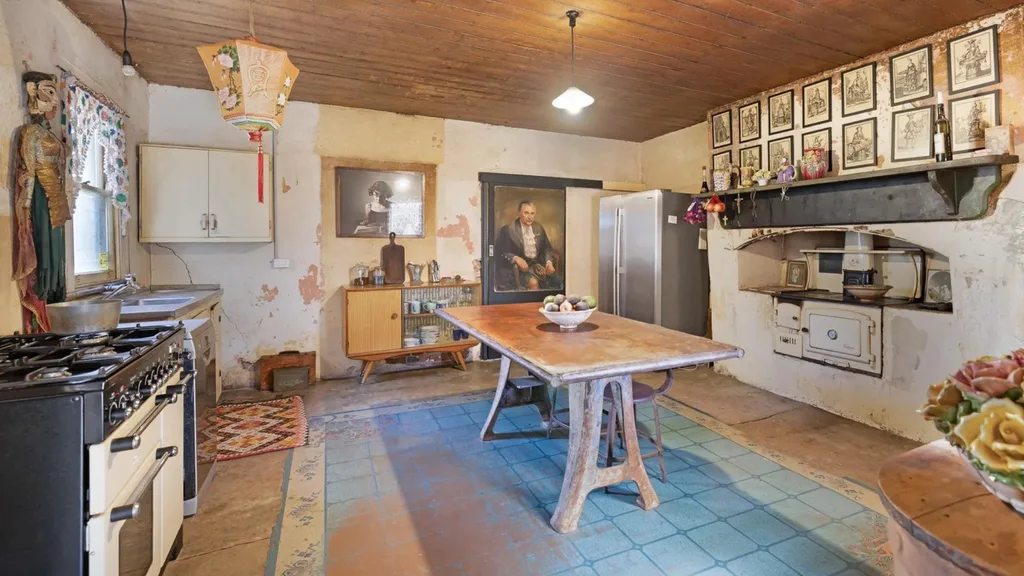
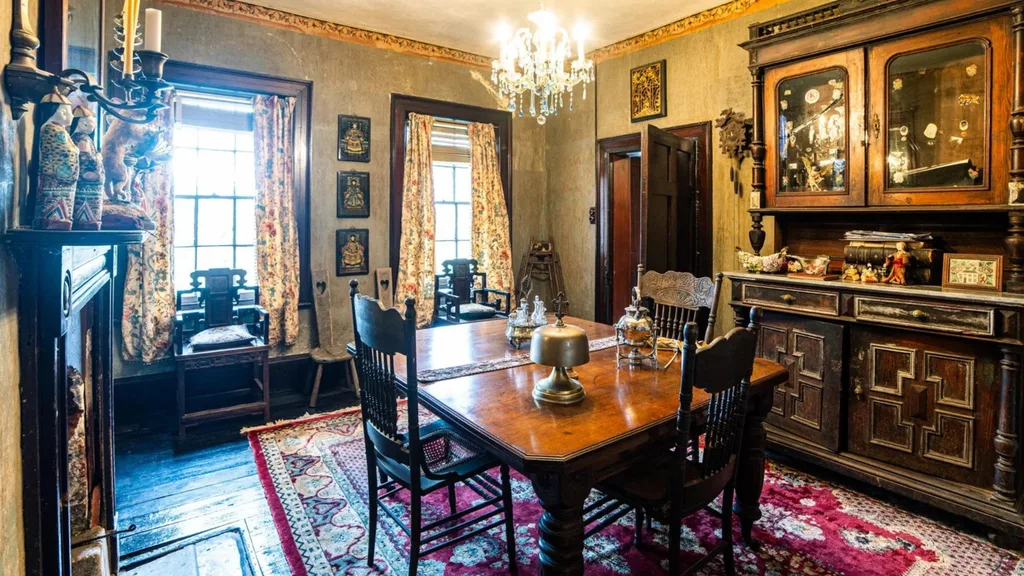
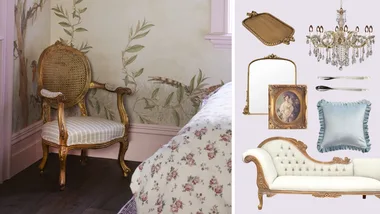
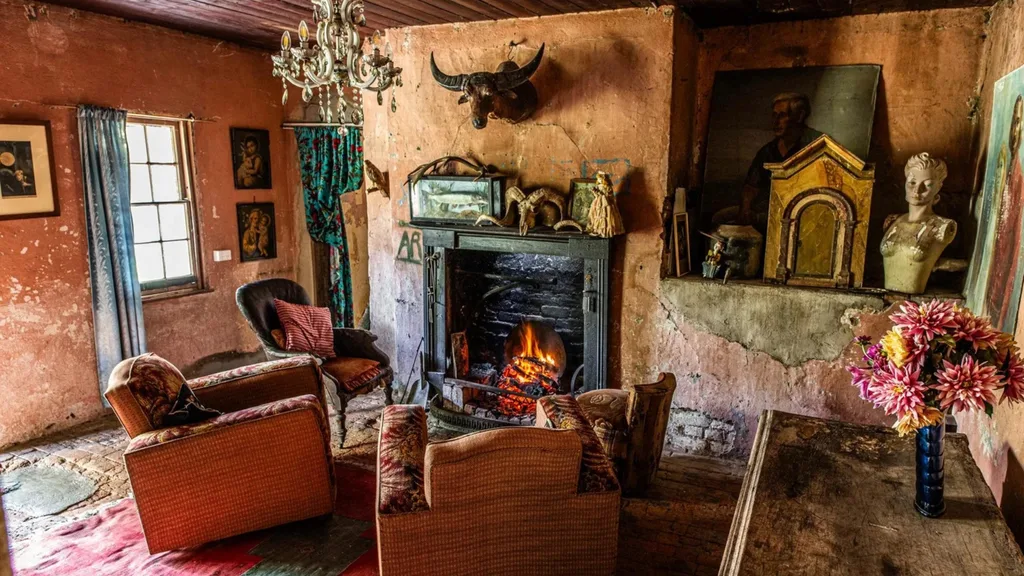
Unlike many heritage homes, the interiors of this abode prioritise historical decor over modern style. The current owners furnished each room with their extensive collection of vintage and antique pieces.
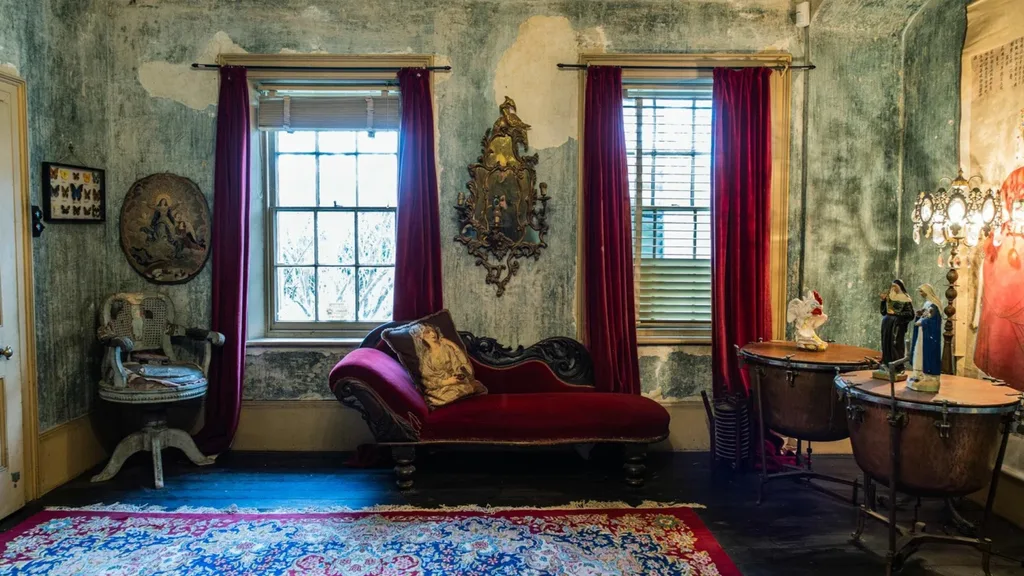
The property was most recently on the market in 2012. While each room has been restored by the current owners, they were very sympathetic to the historical significance of the build. That means that while the home has electricity and modern plumbing, each space still feels as if it was plucked from the pages of classic literature, such as Wuthering Heights or Pride and Prejudice.
The Australian history of a unique home
It’s lucky this Georgian house is listed by Raine & Horne since this house has been in the Raine family for the vast majority of its nearly 200 year history.
The house was originally built in 1832 by the father of Raine & Horne’s co-founder, Captain Thomas Raine. He was a merchant marine who transported convicts to Australia on the ship Surry.
According to the Australian Dictionary of Biography, Thomas was highly regarded by Governor Lachlan Macquarie for his “liberal and humanitarian” treatment of these convicts. They even reportedly “cheered repeatedly and expressed the liveliest gratitude for their good treatment” upon disembarking the ship.
The house stayed in the Raine family until 1854, when it was sold to the Boyds, who kept the property until 2012, when it went on the modern market for the very first time. Now, it’s on sale again through Raine & Horne.
Keeping it in the family
Grant Maskill-Downton, director of Raine & Horne Bathurst, told Domain how lucky he is that they were entrusted with the sale of the Georgian house. “There would have been a little bit of egg on our face had it been listed by someone else. It’s pretty cool that we’ve got it back with the long-standing history with the Raine family.”
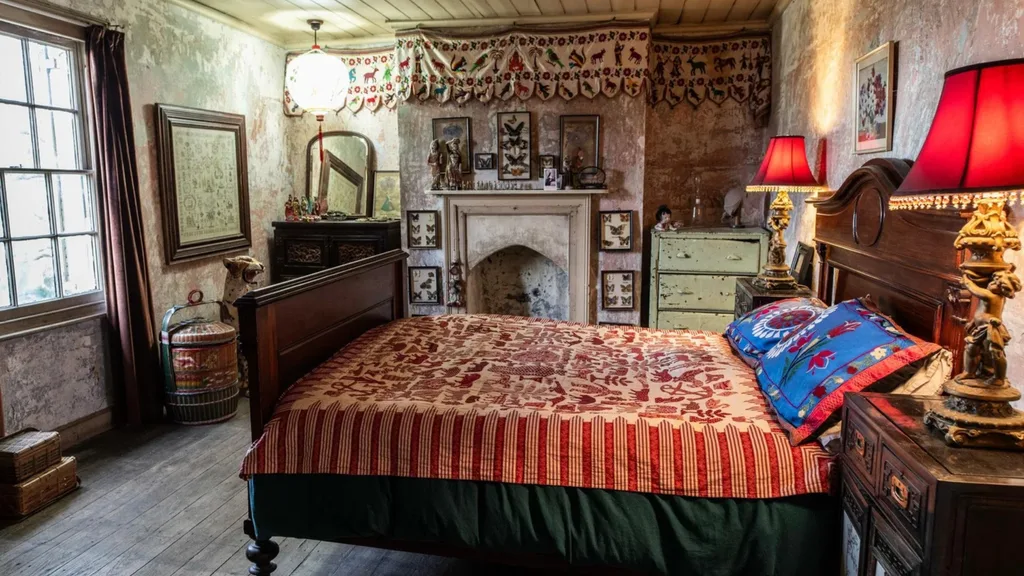
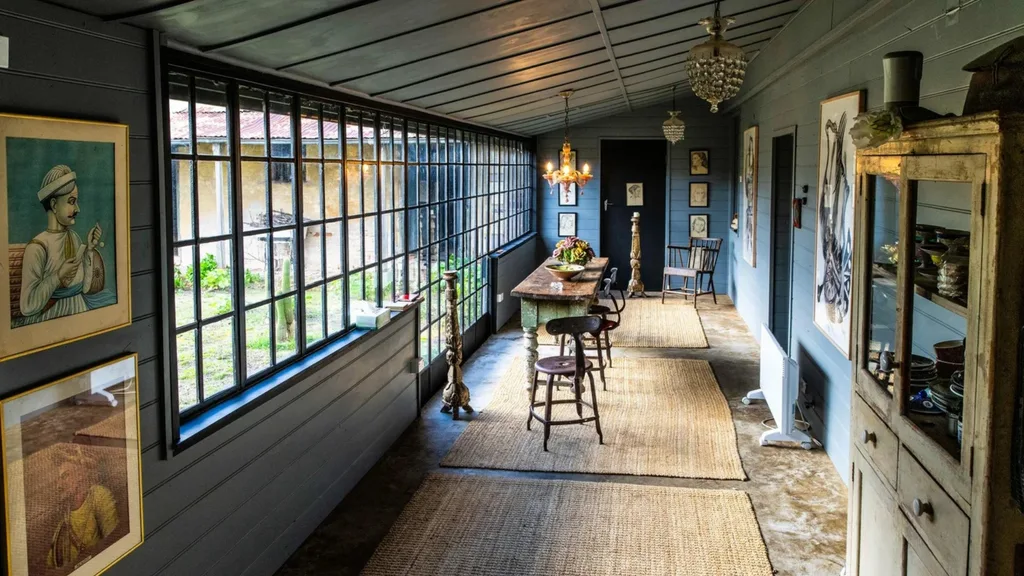
The home has six bedrooms, multiple reception rooms, wide verandahs and one central bathroom. The reception rooms include a formal living room, dining room and sunroom, the latter of which looks like it could have been decorated today thanks to a trendy use of colour drenching.
How to decorate a Georgian house
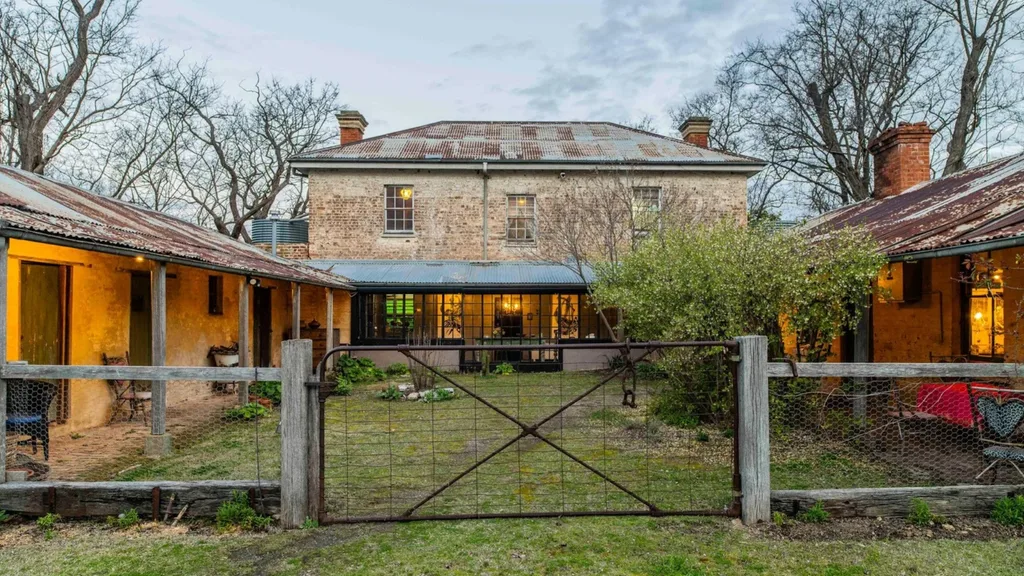
This home looks like a fairly classic Georgian country house from the facade. Symmetry is key to achieving this, with chimney stacks and windows creating a perfect mirror between the left and right hand sides of the exterior. But the roof has a true blue Australian touch thanks to corrugated iron.
I don’t want to tell the future owners what they should do to further restore the interiors but a few rooms could do with some simple skirting boards and cornices. Embellishments such as these, more pared back in nature, would suit the Georgian style. Remnants of colour can be seen on the walls in some spaces and a restoration of these finishes would do nicely for the era.
When was the Georgian era?
The Georgian era is named after the four consecutive British kings who were named George. The period starts in 1714 with King George I and ends in 1830 with King George IV. This era encompasses great global unrest, from the French Revolution to the Jacobite Rebellion (hello, Outlander) and even the American Revolution. While this home was built in 1832, it has the hallmarks of a Georgian house.
But what about the Regency?
The Regency period is actually part of the Georgian era. It refers to the period of time when young Prince George (who would later become King George IV) acted as Prince Regent after his father (King George III) became too mentally unfit to rule. This was the era in which Jane Austen published her novels. It’s also the era that Bridgerton borrows vague historical vibes from (plus, King George III’s wife, Queen Charlotte, is the monarch who rules the ton in the series).
For more on the history of the Georgian era, visit Royal Museums Greenwich.