 Le Figaro Properties
The math is absurd but true: a four-bedroom house in Melbourne’s inner suburbs might set you back $2.2 million; a 15-bedroom château in the Dordogne could be yours for half that. It’s enough to make any weary city dweller open a new browser tab and search “France, cheap castles.”
Would you trade your traffic-choked commute for a tree-lined drive leading to a French château? For the cost of a two-bed terrace in Sydney, you could own a turreted estate in the Loire Valley — vineyards, orchards, and all.
The fantasy writes itself — mornings spent under high-beamed ceilings, baguettes and fromage by the vineyard, evenings with rosé and friends from back home who suddenly decide to visit “for a few weeks.” After years of sky-high mortgages, rate rises, and threats to the avocado toast you live on, the idea of owning something grand, historic, and surprisingly affordable feels almost mischievous.
And yet, as anyone who’s tried to heat a 200-year-old château will tell you, romance has a way of colliding with reality. For every sweeping staircase and wisteria-draped terrace, there’s a roof that leaks, a plumbing system to inspire a revolution, and enough red tape to make you long for your Sydney strata manager. Romance looks different when you’re repairing 18th-century plumbing in the fog.
Why Australians dream of buying a French château
In an age of endless property listings and soaring city prices, Australians and other brave-slash-naive overseas buyers are snapping up palatial French estates for less than a median-priced home in Sydney. The surge of YouTube renovation channels and Instagram accounts showing couples restoring fairytale estates has only fanned the flames. The thought of trading an over-leveraged city mortgage for stone walls, vineyards and countryside quiet feels almost rational — if you squint.
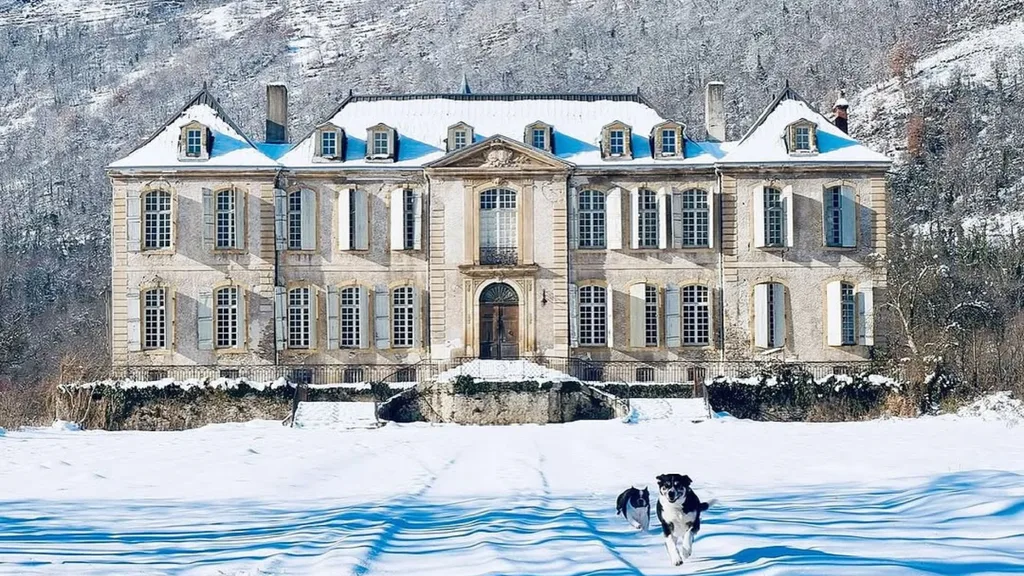
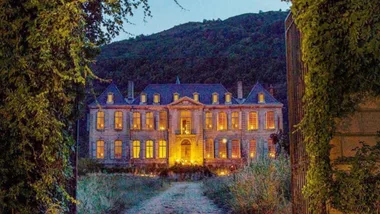
Karina and Craig Waters (known as chateaugudanes on Instagram) embarked on a 12-year-long journey to restore a historic French Château to its grand former self. The couple not only created a magical life for themselves and their menagerie of animals in the beautiful French Pyrenees but were also awarded a Medal of Honour from the Prince Louis de Polignac Foundation in recognition of their exceptional restoration so far.
It’s not just affordability. It’s identity. Owning a château offers the illusion of stepping into another story, a tree change with YouTube potential — for a life that moves more slowly, tastes better, and comes with a centuries-old staircase.
Ben Ashcroft-Dinning is a France-based buyer’s agent, originally from Melbourne. In 2020 he started a Facebook group about buying, selling and renovating French châteaux, which now has nearly 90,000 members. He is a now the go-to guy for foreigners wanting to purchase a French château.
The Facebook group is a riveting peep-hole into the specific dreams of those looking to start a French affair. “Would love to purchase a smaller chateaux with at least 10 hectares with a barn suitable for horses on the property,” posts Juli on the public group. “Looking for an equestrian property or a farm to renovate in Normandy. Minimum land 7ha. Please pm,” writes Mikko.
Meanwhile, sellers offer up answers to their prayers: “Stunning château, the real fairytale castle, [tastefully] restored and beautifully presented. Château, separate accommodation, lake, tree-lined drive and helipad. A dream come true!”
What you get for the price of a Sydney apartment
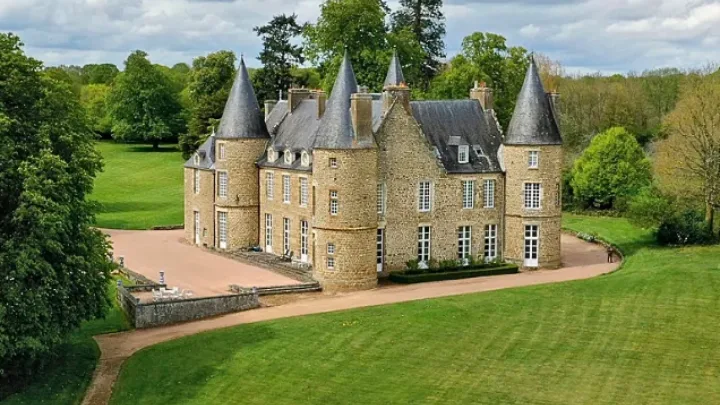
Property-wise, the numbers will astonish. A modest apartment in Sydney’s Inner West can hover around the $1 million mark. In parts of rural France — particularly the Loire Valley, Dordogne, or Normandy — the same figure buys a château with formal gardens, guest wings, stables, and maybe a vineyard.
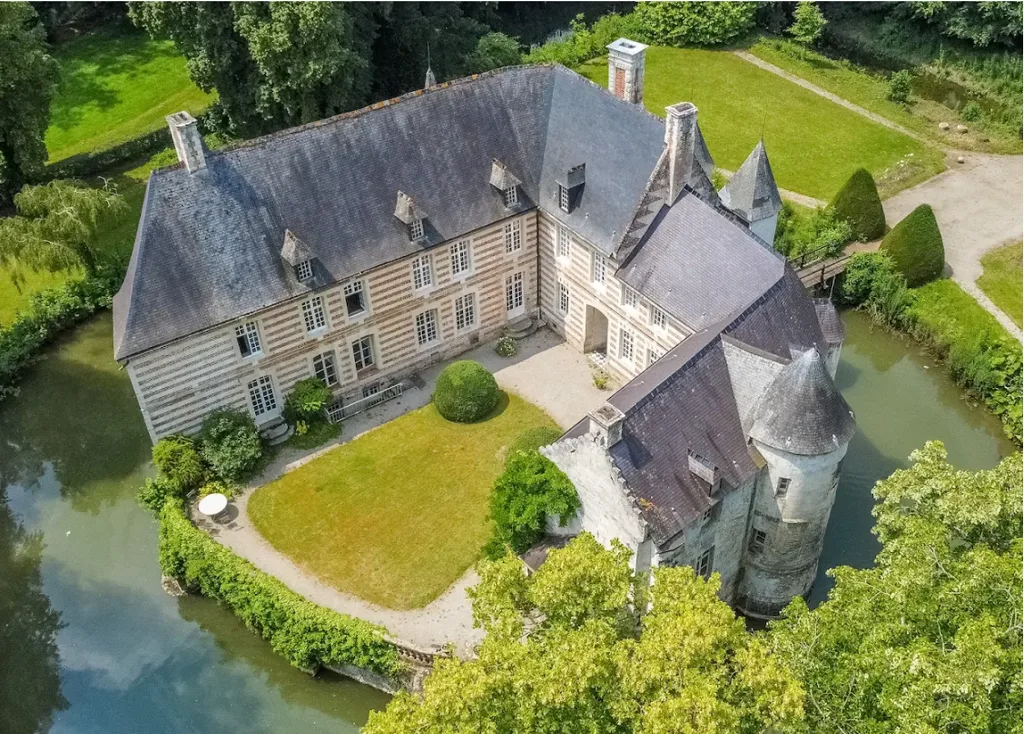
Of course, value is relative. French bureaucracy is legendary, heritage laws can restrict what you change, and maintenance costs are no small thing. Yet even those who’ve done it say the payoff lies not just in the grandeur but in the daily texture — the morning baguette runs, the weekly markets, the slow hum of village life.
According to Ben Ashcroft-Dinner, who moved to France with his family five years ago, a château sounds expensive, but “you could get a basically livable château for maybe four or 500,000 Euros that would need renovations, and need probably a lot of work”, he tells Dateline in an interview.
“There’s a nice sweet spot, I’d say, around the one to 2 million Euro mark, even sometimes under 1 million. Really pretty good, livable château the size of a large home, quite luxurious. But really it’s much more affordable than you think, especially compared to Melbourne and Sydney house prices.”
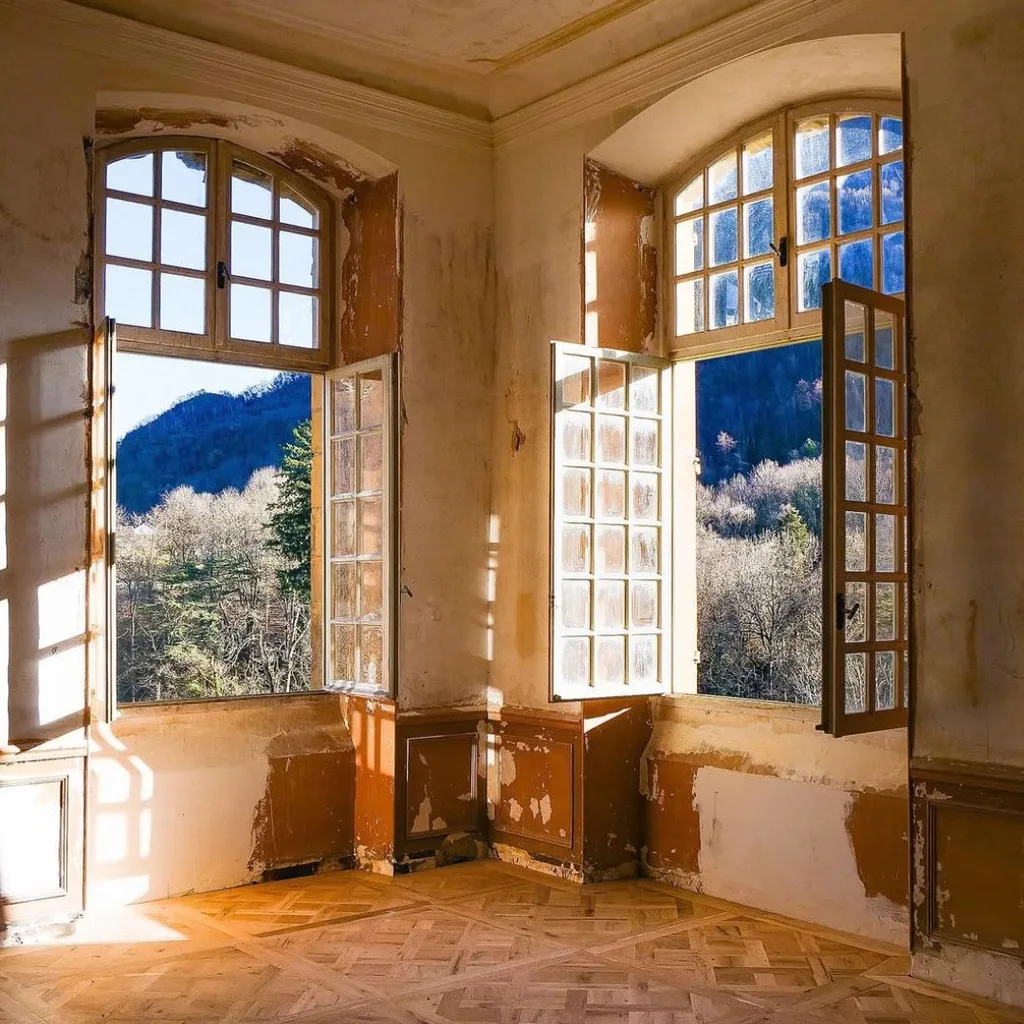
This medieval chateau sits on a private island with a gated bridge, with over 1000 metres squared of already habitable space as well as an additional partly renovated house and a restored tower house, and a quaint local town nearby. It’s for sale for 750,000 Euro. However, says the advertisement: “It’s important to note that significant renovation work lies ahead, offering a chance to restore and reimagine this historial gem to its former glory.”
The Reality of Restoring a Château
“A little bit of naivety helped with the beginning of the adventure,” says Anna Bewley, whose six-year renovation journey with husband Philipp Franz is documented in their YouTube channel How to Renovate a Château, followed by more than 542,000 subscribers.
“Six years ago we risked everything. We quit our jobs, sold our house in the suburbs of Paris and spent all of our life savings to buy a crumbling 18th-century château in Normandy,” they recall. The grounds were “a jungle,” their children spent the first years of their life “in dust and rubble with no heating.” When viewing the building before buying, furniture covered the cracks. “The day we got the keys we were shocked because you really see all the work and suddenly there was realisation, oh my goodness, oh my goodness…”
Their story is equal parts cautionary tale and modern fairytale — proof that beneath every dreamy drone shot lies an extraordinary amount of grit.
Why the Château Dream Endures
Still, the allure persists. In an era of shrinking city blocks and expanding to-do lists, the château remains the ultimate symbol of escape: space, history, sensuality. More than square footage, it’s about living inside French culture — waking to church bells, shopping at the Saturday market, cooking with produce from your own orchard.
For some, that rhythm alone is worth the gamble. Because perhaps the dream isn’t just about owning a château at all — it’s about living as if you do.

Related stories
Native ad body.
Native ad body.

Native ad body.