 Photography: Mindi Cooke/ Styling: Rhianne Contrerars
Whether you’re revving up to start the day or unwinding at the end of it, the humble shower plays a pivotal role in our lives. Bathroom renovations often focus on exciting details like clever lighting, beautiful finishes and fancy showerheads but there’s one functional element that is often overlooked: the shower enclosure. Encompassing nib walls, screens, doors, curtains and more, the options feel endless and knowing what will work best for your space, style and budget can be tricky.
We spoke to Alexandra Devine, marketing lead at Reece Bathrooms, and Luke Di Michiel, senior industrial designer for Caroma, to help you find the boundary you should surround yourself with.
The pros and cons of different shower enclosure styles
Open shower spaces
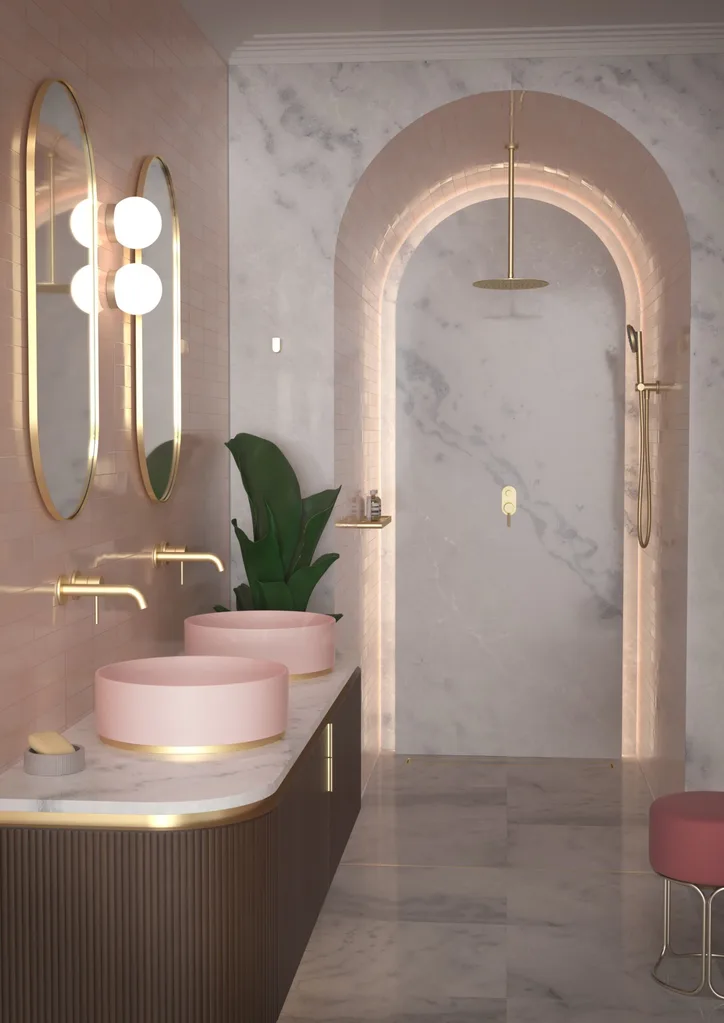
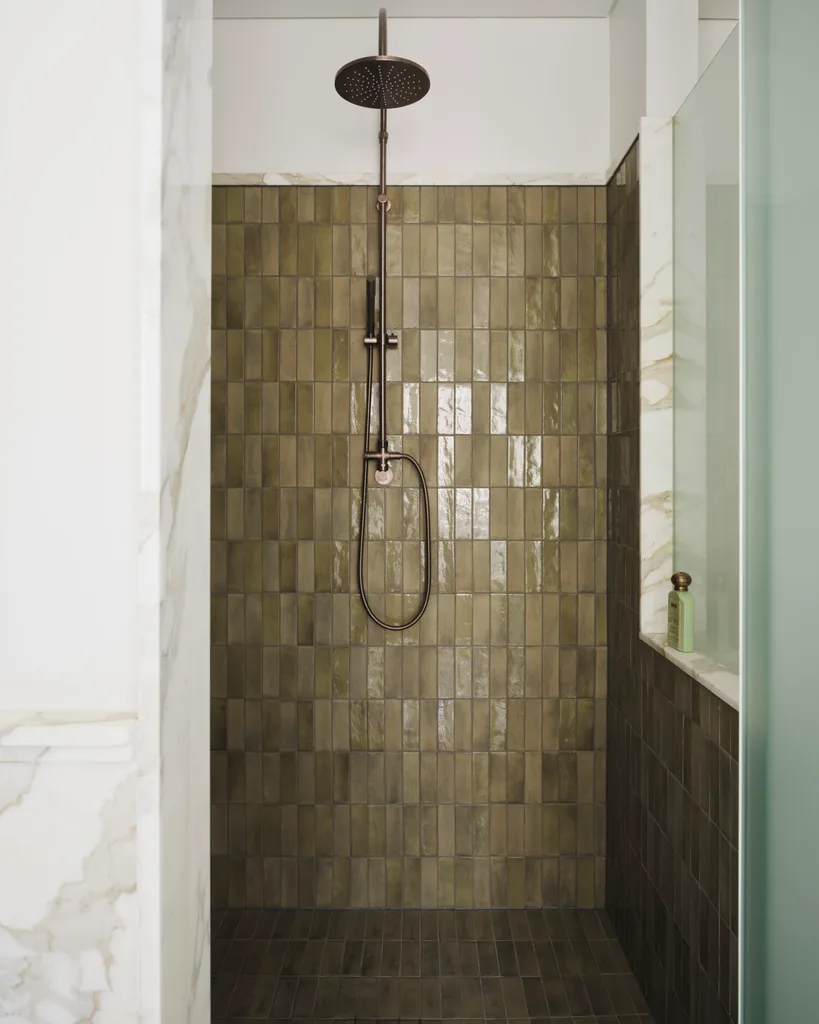
Enclosure-free shower zones feel spacious, are easily accessed and simple to clean (after all, there’s one less wall, or door, to wipe down). However, size matters. “Open shower zones are generally not ideal in very small bathrooms, where splashing into the main space is almost unavoidable,” explains Alexandra. “They’re also unsuitable where electrical elements, such as heated towel rails, are positioned close to the wet area.” Open showers require thoughtful planning, agrees Luke, who suggests a dedicated ‘wet zone’ at one end of the bathroom.
“As a guide, allow at least one and a half to two metres of splash distance, and use ceiling‑mounted rain showerheads to minimise lateral spray.” Good waterproofing and drainage is essential, as is adequate ventilation to prevent damp air drifting around the bathroom and adjoining areas.
Shower screens
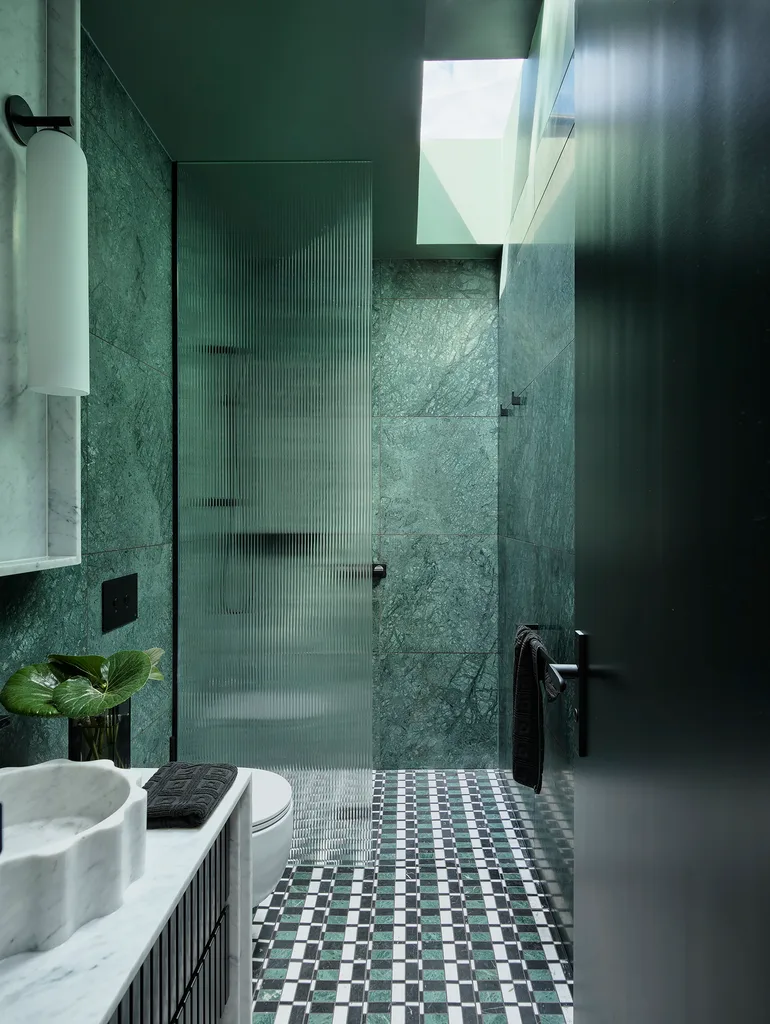
Easy to clean and access, walk-in showers with a screen for coverage create an open feel that’s great for small- to medium-sized rooms. While they are typically protected by a single screen of clear, framed or unframed glass, other options are increasingly available. “Design-led glass options such as curved panels and fluted glass are growing in popularity,” says Alexandra, who notes that the latter option diffuses light while offering additional privacy.
Water needs to be whisked away speedily to avoid becoming a slip hazard so consider a trough drain that stretches the width of the area, and choose the position of the showerhead carefully. “The general rule is to place the showerhead on the wall opposite or furthest from the entry,” says Luke. “This keeps the water directed into the shower zone rather than out into the bathroom.”
Shower enclosures
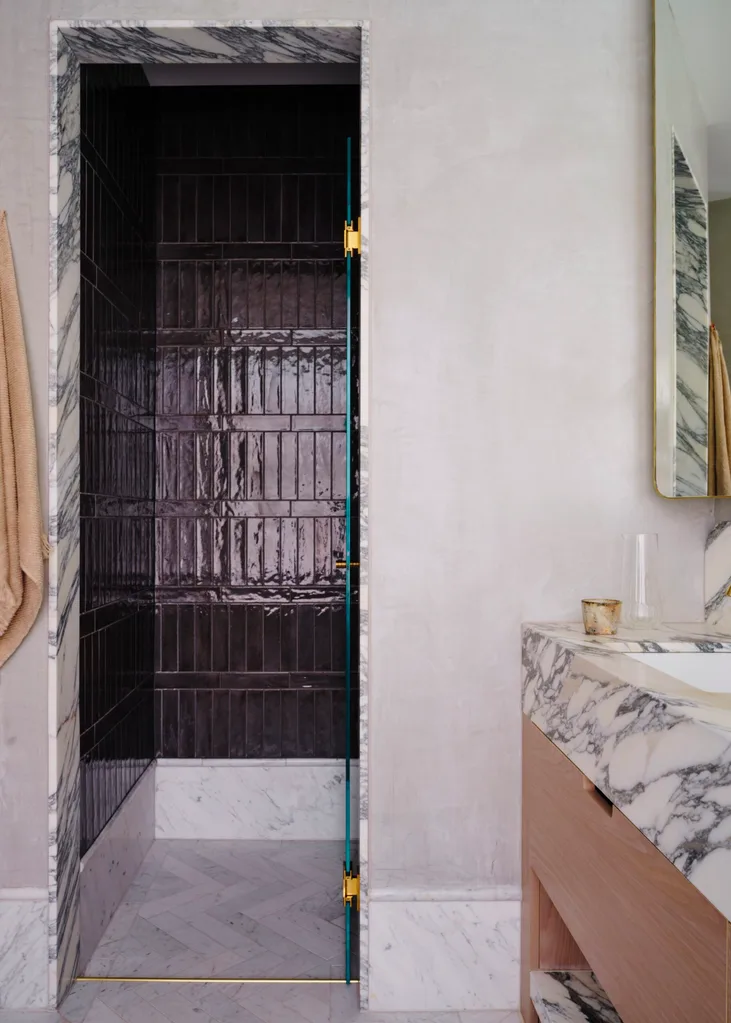
Fully enclosed showers allow flexibility in the room layout and keep water well contained. Plus, they retain heat, leading to a showering experience that’s perfectly hot and steamy, even in cooler climates. The door is all-important. “For compact or awkward spaces, hinged doors often provide greater versatility,” says Alexandra, who adds that 180-degree hinges allow the door to open both ways, making an enclosed shower ideal for even tighter footprints.
“Sliding doors, on the other hand, require sufficient space for the fixed panel and door” as these need to be the same width to operate, she warns. Some enclosures have a tray base that can mean stepping over a lip to access. This may be tricky for the sight-impaired, or those with reduced mobility.
Shower walls
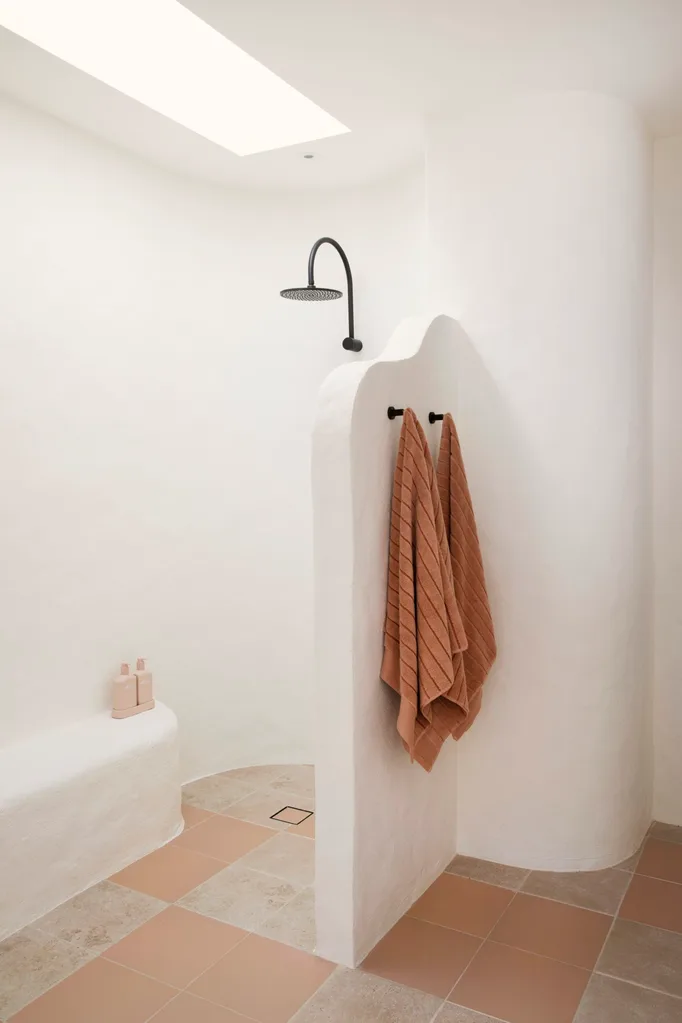
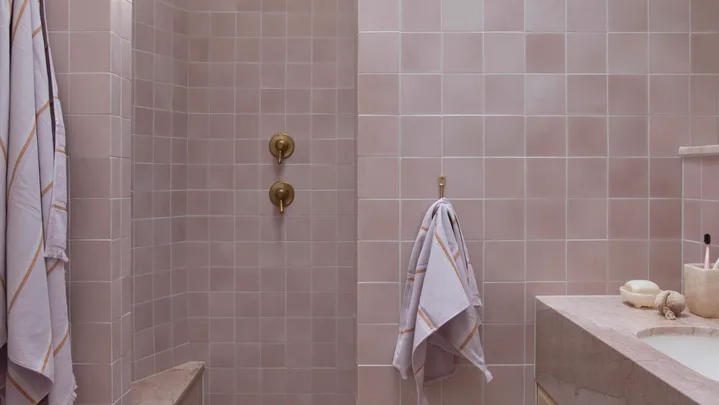
Solid wall enclosures easily contain shower spray and can offer extra storage with built-in shower niches. “Using a nib wall is a great way to define a shower zone without closing it off from the rest of the bathroom,” says Luke.
“It can be tiled to match or contrast with the surrounding space, and unlike glass screens, it’s far less prone to soap‑scum buildup.” However, he adds, “They take up more space and can block natural light
or cast shadows, which may make the bathroom feel darker.”
Half-height walls can be teamed with a glass panel to increase light and airiness. For privacy, take the wall up to showerhead height or even right to the ceiling. Opt for oversized tiles or rendered walls for
a cleaner, more contemporary look, especially when paired with a curved profile.
Shower curtains
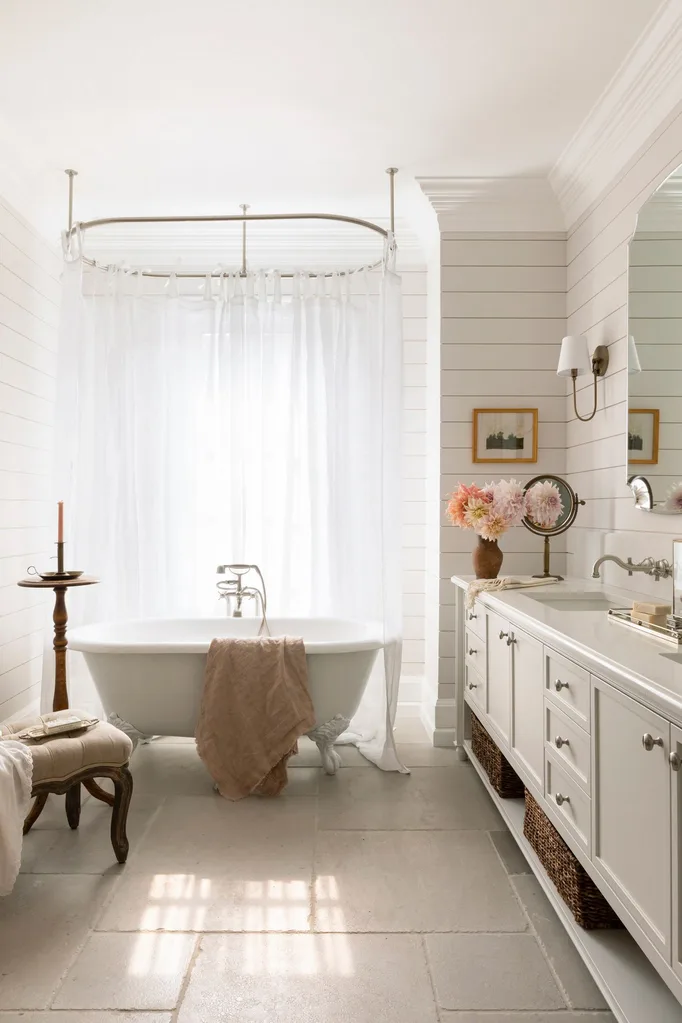
Don’t dismiss the humble shower curtain – it may evoke memories of dated childhood bathrooms and dampness but there are many ways to introduce a more elevated, modern appeal. Plus, the benefits are vast. Inexpensive and easy to replace, they can work over bathtubs or in a dedicated shower zone. “However, they’re less effective at containing water and don’t always hang neatly, which can make the space look busier,” Luke warns.
To combat this, spread the curtain along the rod to dry quickly after use, wash frequently and aim for good ventilation to keep mildew and mustiness at bay. For a luxe feel, choose fabric-style curtains that hang just shy of the floor. Instead of positioning roughly 30cm below the ceiling, as is the norm, mounting the rod as high as possible can create a sense of lofty elegance

Related stories
Native ad body.
Native ad body.



Native ad body.