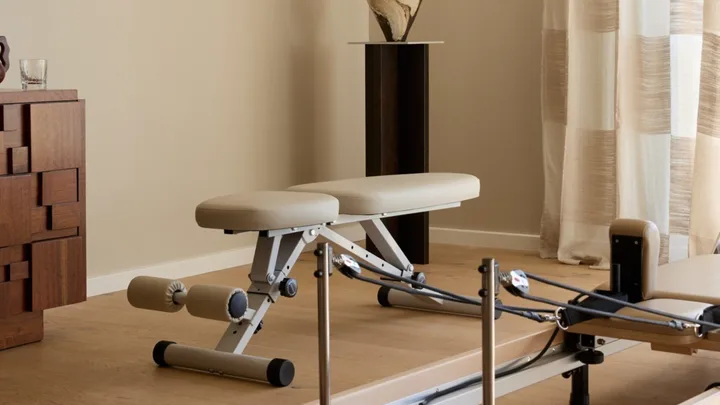
 Photographer: Milly Mead / Dulux partner: Kerrie-Ann Jones / @kerrieann.jones / Mermaid artwork: @brittany.ferns / Vase: @michellesamarasstudio / Plinth: @georginadavies_ Chrome artwork: @the_visuals_ / Fish artwork: @brittany.ferns
Once upon a time, the spare room was destined to become a home office, guest bedroom or dumping ground for everything that didn’t have somewhere else to live. Now, it’s being given a much more restorative purpose. Wellness rooms – dedicated spaces designed for exercise, meditation, reading, relaxation or simply switching off – are emerging as a growing interiors trend, reflecting a broader shift in the way we think about our homes.
NEED TO KNOW
- Why are wellness rooms becoming so popular?
- How to create a home that feels calmer
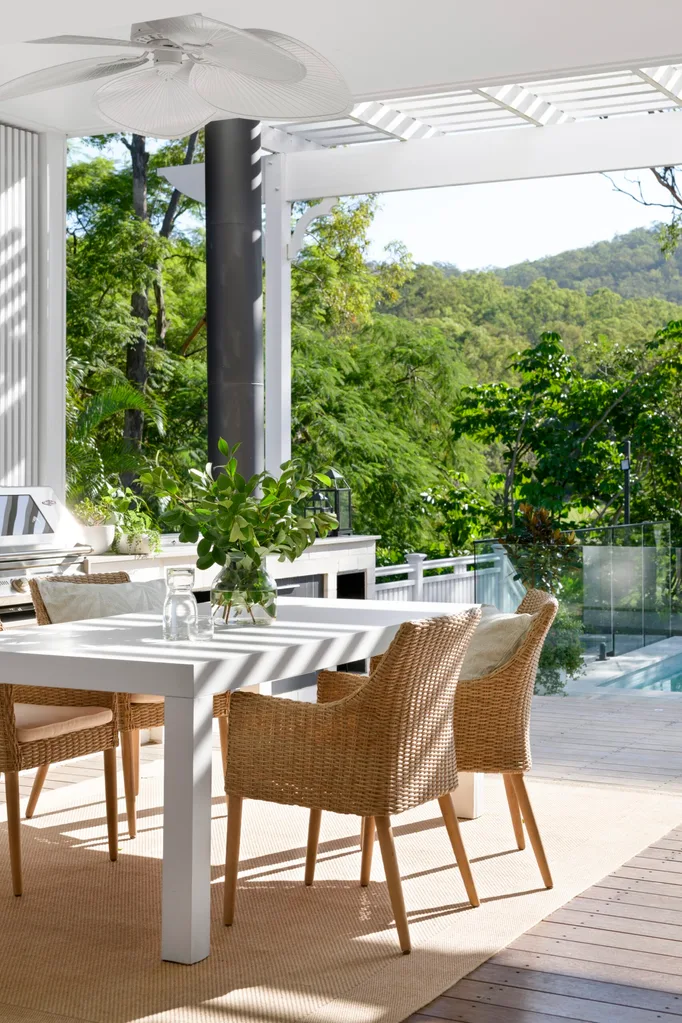
- 5 easy ways to make your home feel more restorative
Rather than designing solely around how a room looks, homeowners are increasingly considering how it feels to spend time there. They are embracing natural materials, softer colours, greenery and screen-free spaces designed to offer respite from busy, digitally connected lives.
“I think people are becoming much more aware of the connection between their environment and their health,” says Maddie Bingham, founder of AHIMSA Naturopathy.
“We’re living in a fast-paced, always connected world, and many Australians are looking for ways to create homes that offer a sense of calm and restoration.”
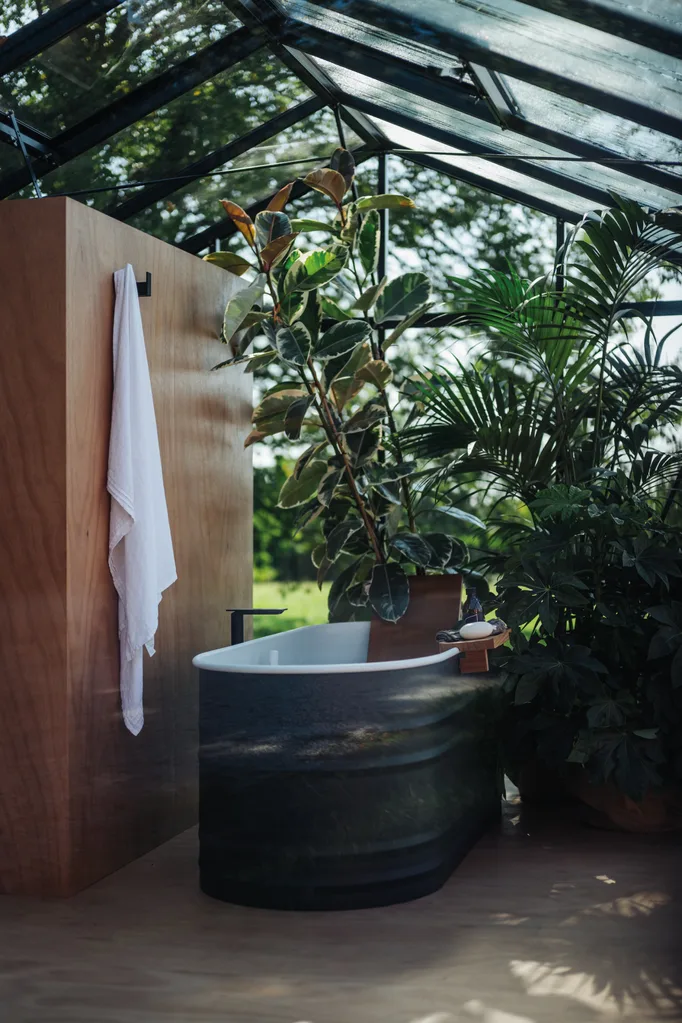
Why are wellness rooms becoming so popular?
For interior designer and stylist Kerrie-Ann Jones, the rise of the wellness room is more than another fleeting interiors fad.
“I believe this is a lasting shift rather than a passing trend,” she says.
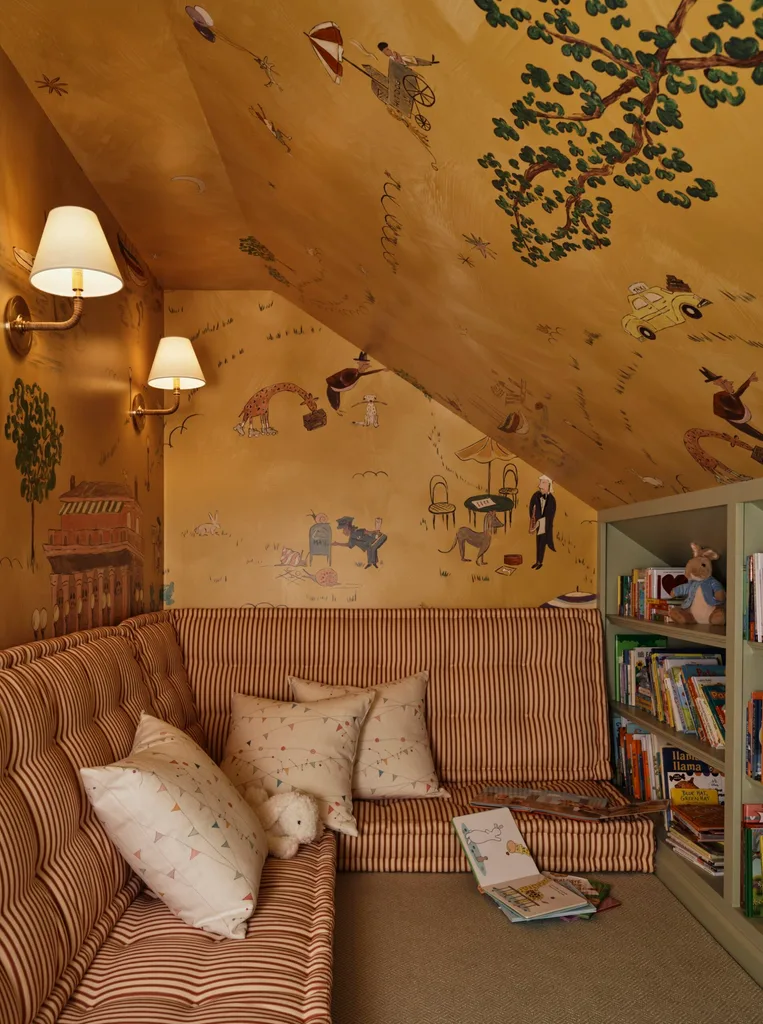
“Wellness rooms have emerged in response to a growing focus on wellbeing, self-care and mindfulness in our increasingly busy lives.” The rise of working from home has also blurred the boundaries between work and downtine, making spaces that allow us to deliberately disconnect particularly appealing. And you don’t necessarily need an entire spare room. A wellness space could be a quiet reading nook, yoga corner, comfortable chair beside a window or even an outdoor area that encourages you to step away from screens.
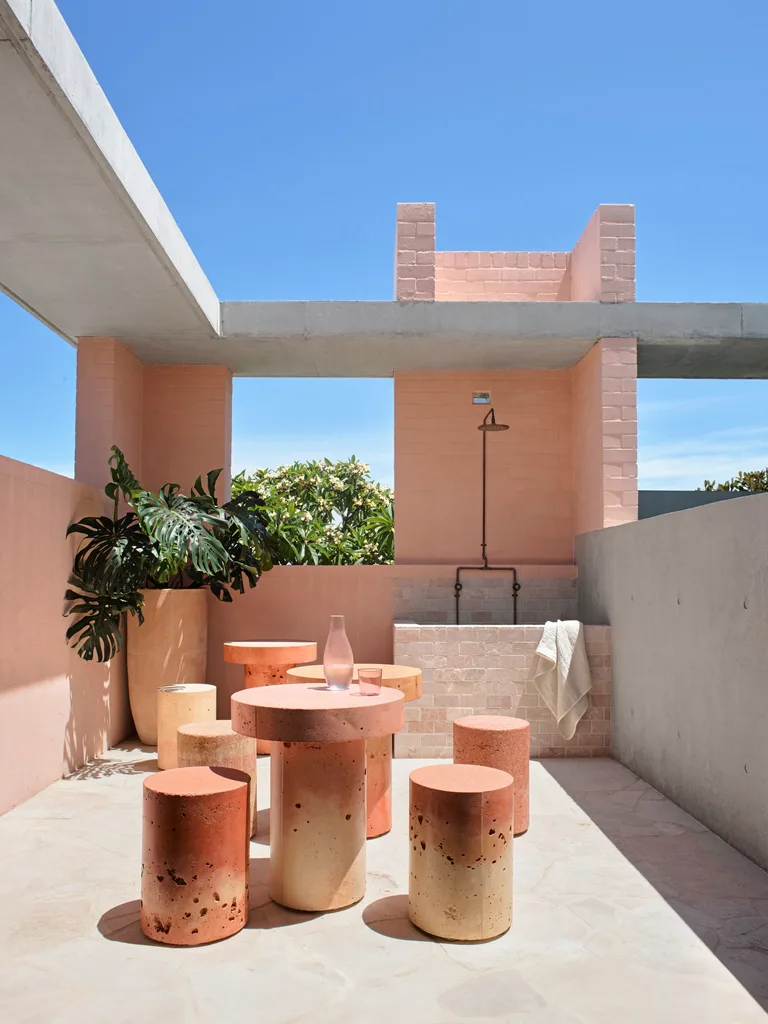
For podcaster Sarah Davidson, who was recently interviewed on The Edit, the concept stretches beyond relaxation. In a bedroom of her newly-renovated home, she and her husband have installed a sauna, treadmill and, most importantly, a custom-built shoe cabinet. Rescuing her family’s collection from a pile on the floor has created the visual — and therefore mental — space she needs to run a hit podcast and keep up with her busy toddler.
“Whether used for exercise, meditation, a tech-free space or simply unwinding at the end of the day, a thoughtfully designed wellness space can have a meaningful impact on how we feel and engage with our daily rituals,” says Kerrie-Ann.
How to create a home that feels calmer
Natural light is a good place to begin. Maddie recommends making the most of daylight before transitioning to warmer, ambient lighting in the evening rather than relying on harsh, cool-toned lighting. Natural materials such as timber, stone and linen can introduce a warmth and texture, while reducing visual clutter can help create a quieter-feeling environment.
“It’s also important to create spaces that encourage rest and quiet moments, whether that’s a cosy reading nook, a fireplace, or simply somewhere to enjoy your morning coffee,” says Maddie.
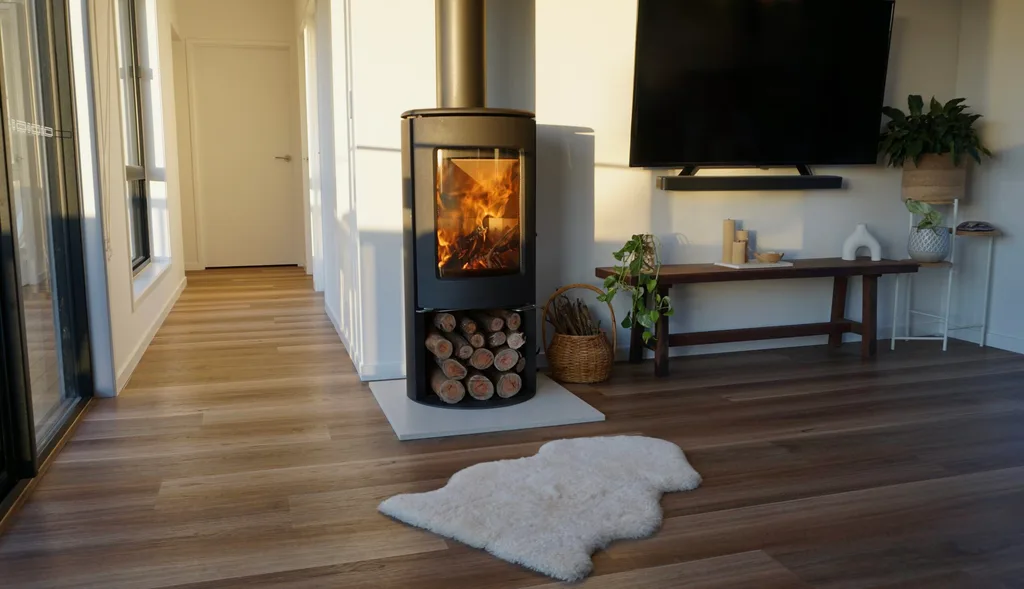
At her Byron Bay hinterland home, a Nectre Form 2 fireplace has become part of that daily ritual. “The simple act of lighting my fireplace and watching the flames has become a way to slow down and transition into a quieter part of the day,” she says.
Choose colours that make you want to linger
Colour can also dramatically alter the mood of a wellness space – and stark white isn’t the only option. Kerrie-Ann recently transformed a spare room into a dedicated wellness studio using Dulux Vintage Beige as a warm neutral foundation. She paired it with a Natural White on the door and skirting boards. She says Australian interiors are increasingly moving beyond cooler whites and greys toward warmer, nature-inspired shades.
“These colours work beautifully with Australia’s natural light and surrounding materials, creating softness, depth and a sense of calm within the home,” Kerrie-Ann says.


Credit: Photographer: Milly Mead / Dulux partner: Kerrie-Ann Jones / @kerrieann.jones / Mermaid artwork: @brittany.ferns / Vase: @michellesamarasstudio / Plinth: @georginadavies_ Chrome artwork: @the_visuals_ / Fish artwork: @brittany.ferns
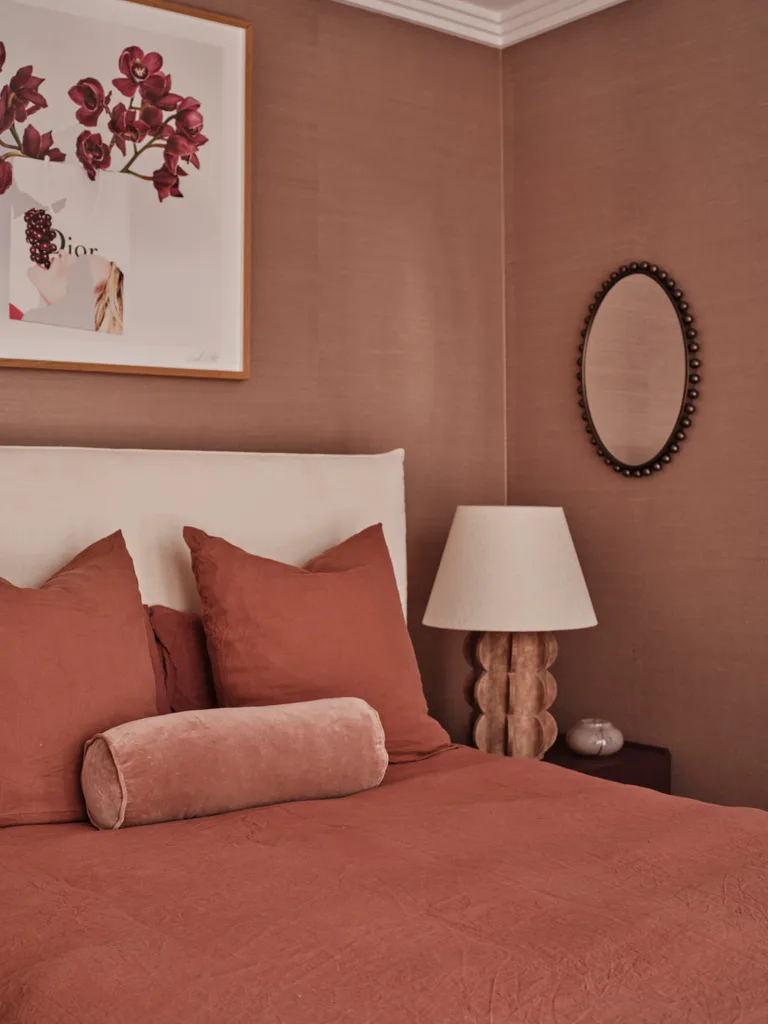
Sage green, earthy pink, terracotta and warm brown can all function as softer neutrals. They add personality without sacrificing the restful atmosphere you want in a wellness space. For an inexpensive transformation, paint can do much of the heavy lifting. Colour drenching can make a room feel cosy and cocooning. While lighter shades can help a small room feel brighter and more spacious.
Bring the outdoors in
Our growing desire for restorative homes is also closely linked to biophilic design. Essentially, creating stronger connections between our interiors and the natural world.
“Modern life has become increasingly digital, and as a result, many people are craving a stronger connection to the natural world,” says Maddie. That doesn’t require moving to the hinterland or installing floor-to-ceiling windows. Opening windows to fresh air, growing herbs, adding houseplants and creating visual connections between indoor and outdoor spaces are simple places to start. The same applies to creating a wellness room itself. Rather than filling it with expensive equipment, consider what actually helps you unwind.
“People are recognising the importance of health and wellbeing, and they want these rituals to happen in spaces that feel considered, beautiful and grounding,” says Kerrie-Ann.
And perhaps that’s the real appeal of the wellness room. It isn’t necessarily another room to decorate perfectly. It’s permission to dedicate a small part of your home to doing very little at all.
5 easy ways to make your home feel more restorative
- Create screen-free moments: Nominate a chair, nook or room where phones and laptops aren’t invited.
- Let nature in: Open windows, introduce plants and make the most of views to gardens and outdoor spaces.
- Layer natural textures: Timber, linen, stone and tactile fabrics can soften a room and add warmth.
- Rethink your lighting: Maximise natural light during the day and choose warmer, softer illumination at night.
- Create a daily ritual: Whether it’s making tea, reading, stretching, lighting a candle or sitting by the fire, build a simple activity into the space that signals it’s time to switch off.


Related stories

Native ad body.
Native ad body.




Native ad body.