“Great home design is really tailored to the people who live in it,” said Home Beautiful Editor-in-Chief Elle Lovelock at Metricon’s Love of Design Summit in Byron Bay.
“I love that design and the way we create homes really caters to how people want to feel in a space but is also their retreat from the rest of the world.”
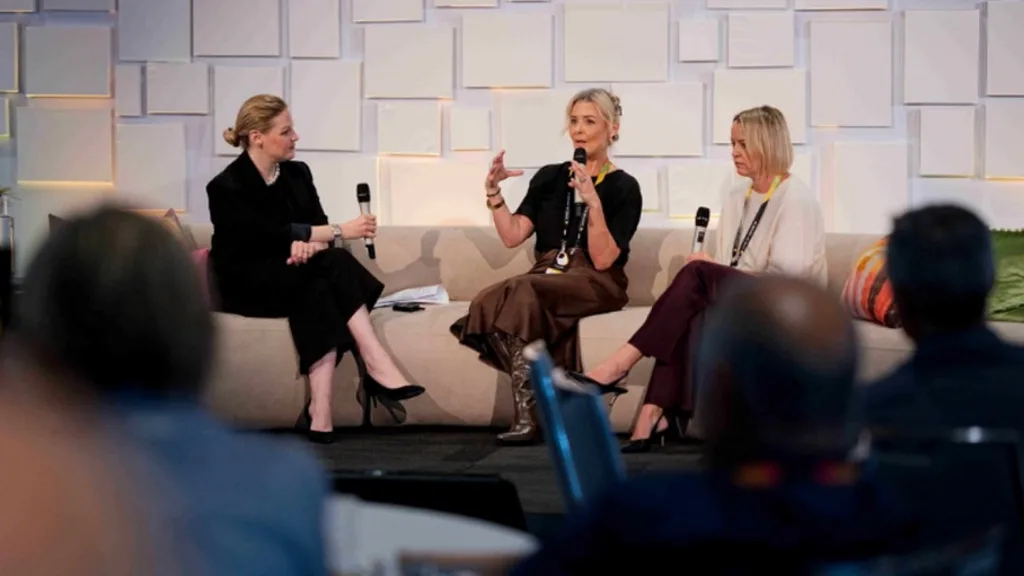
It was a sentiment that resonated throughout the conversation, which brought together two Metricon customers with very different lifestyles, priorities and homes. While one dreamed for years of creating a spacious family sanctuary built around entertaining and connection, the other sought a relaxed coastal retreat designed to support family life, working from home and the changing needs of growing children.
Their stories revealed a common truth: great design isn’t about creating a one-size-fits-all home. It’s about creating a home that works for the people who live in it.
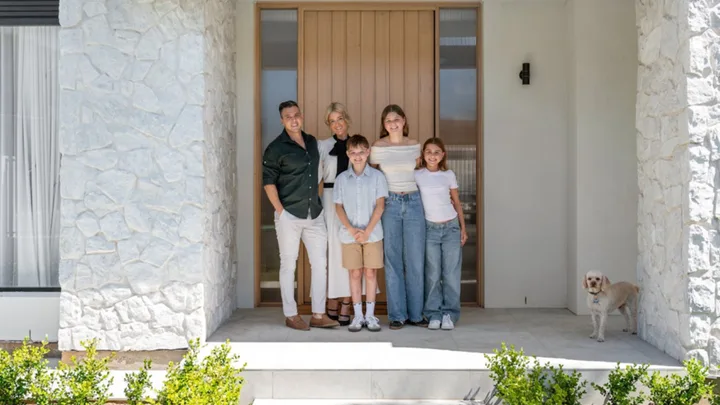
For Michelle and Sava Politis, that meant bringing to life a vision Michelle had been imagining for many years. Their five-bedroom home in Somerton Park, South Australia, was designed around family, food, entertaining and creating spaces where multiple generations could gather together.
“I spotted an ad on my phone for Metricon’s Artisan 55 home design, and I’d never seen anything like it in South Australia,” Michelle recalls. “As soon as I saw that façade, I thought, ‘They’ve just created my house.’”

For Emma Hodges, an interior designer and co-founder of Two Stories Interiors, it meant finally creating a home on Sydney’s Northern Beaches after years of searching for established properties that never quite fit the bill.
“When we got into the house, it was such a relief and we were so happy,” Emma told the audience. “All the work we put into it was so worth it.”
Designing for the life you’re living now, and the one yet to come
One of the strongest themes to emerge from the discussion was how families evolve and how homes need to evolve with them.
Michelle deliberately designed her home to accommodate different stages of family life, creating a mix of open and enclosed spaces that could adapt over time.
“When you have young children, you want to be able to see them all the time,” she said. “Five years down the track, they don’t want to see you. They’re behind closed doors.”
With that in mind, Michelle incorporated a guest suite downstairs complete with its own living area, walk-in wardrobe and bathroom.
“That space was almost designed as a dead zone until guests came to stay,” she laughed. “But it’s become one of the most used spaces in the house.”
The reality of how the space is used reinforced her belief that successful homes need to balance openness and connection with opportunities for privacy and retreat.
“I think it’s important to have both open and closed living for different stages in life,” she said.
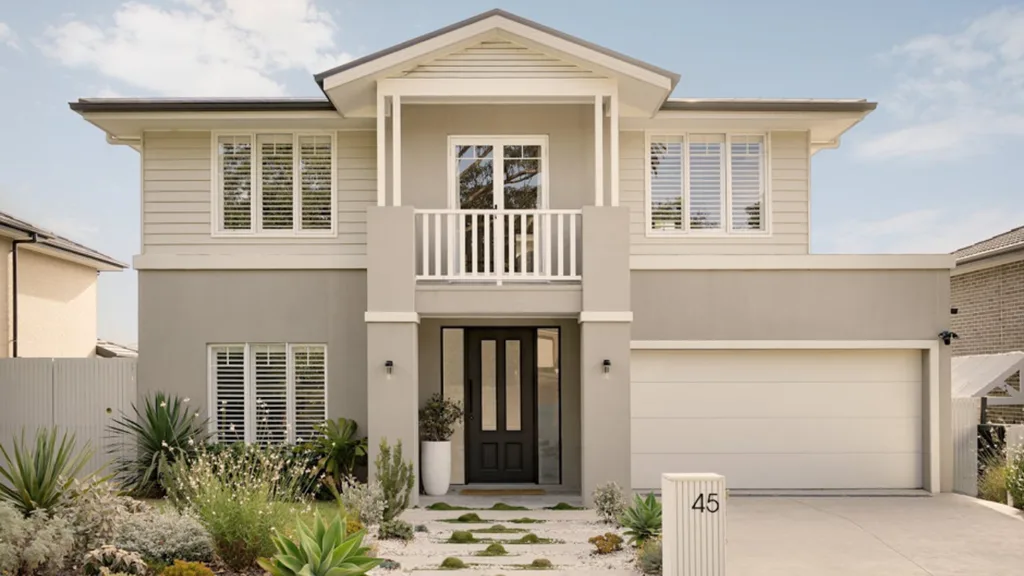
A coastal home designed for everyday living
For Emma, selecting the right floorplan was less about creating a statement home and more about creating a home that worked with the plot of land, its location and her young family.
Built using Metricon’s Trentham 30 design with a plantation façade, the home reflects the relaxed atmosphere of its Northern Beaches setting. “Our block is wide but quite shallow, and the Trentham 30 suited it perfectly.”
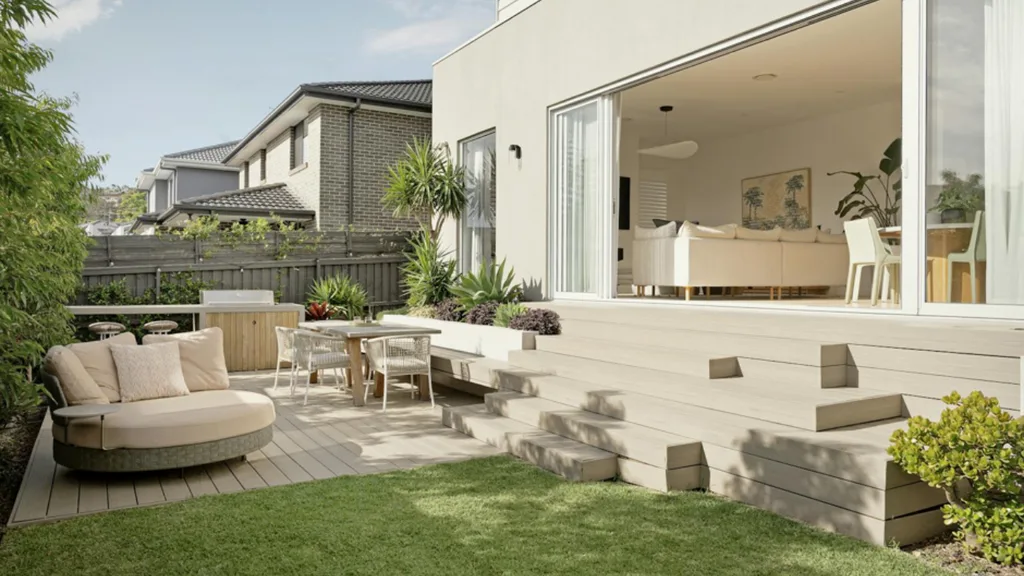
“It has a very coastal feel,” Emma explained. “We’re very close to the beach, so it suits the environment and the houses around us. It’s light, airy and has that connection to the outdoors that we were desperate for.”
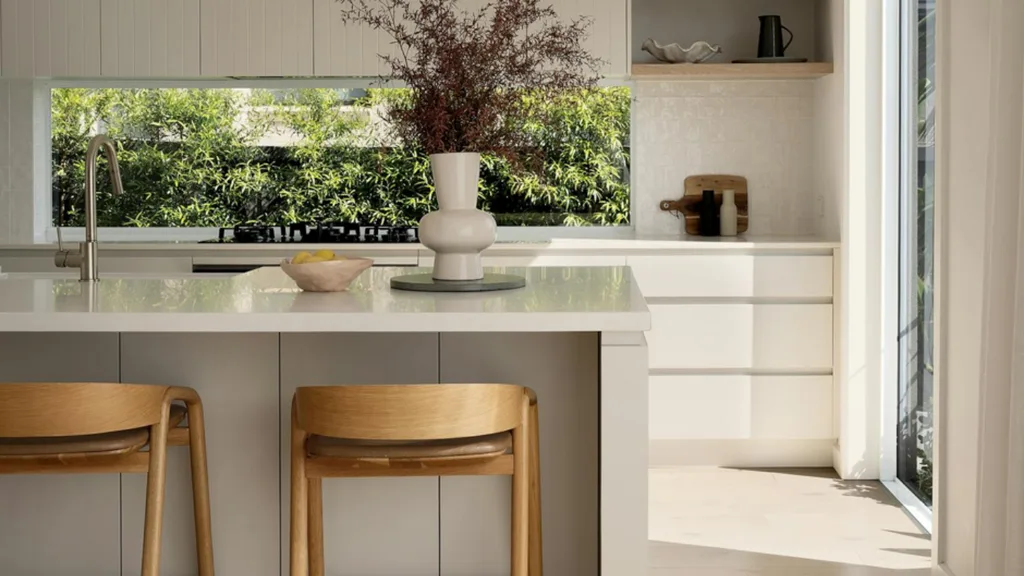
High ceilings, open-plan living spaces and strong indoor-outdoor flow help create a sense of openness, while thoughtful planning ensures the home works equally well for everyday family life and long-term guests.
“We love having friends and family stay, especially visitors from the UK,” she said. “They’ll often stay for six to eight weeks at a time.”
An upstairs rumpus room has become an important secondary living space, particularly when grandparents visit.
“When family comes to stay, they use it as their own retreat, which works really well.”
The spaces that work hardest
While beautiful finishes and impressive entertaining zones often attract attention, both women agreed that some of the home’s most successful design features are also the most practical.
For Emma, the standout is surprisingly simple.
“The storage under the stairs is the hardest-working space in the house,” she said. “I absolutely love it.”
For Michelle, it’s the balance between generosity and intimacy.
As expansive as the home is, quite often the family members gravitate towards shared spaces.
“It’s a shame I can’t invite you all to see the bedroom suite in person, because it’s pretty special,” she said. “The walk-in robe is probably the biggest and most luxurious space I’ve ever had. Our suite might actually be bigger than our first house.”
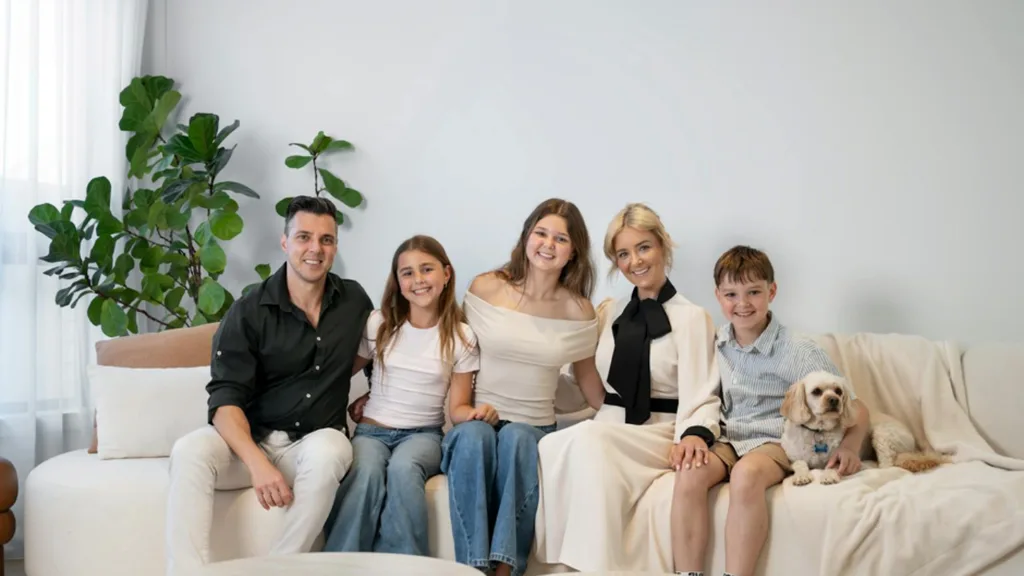
Yet despite the scale of the home, she says everyone still ends up together. “As big and spacious as the house is, everyone ends up in the same space.”
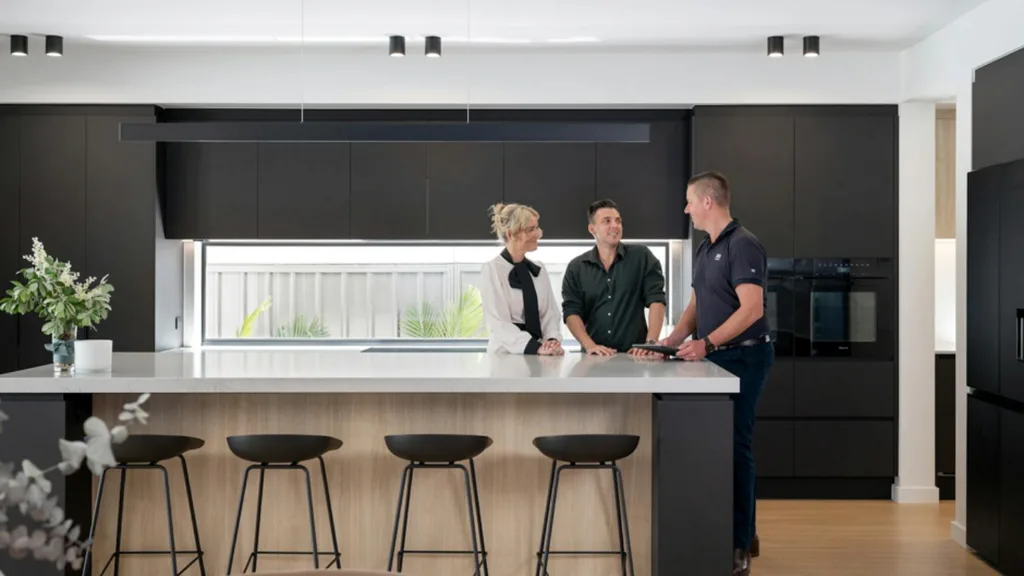
Creating a home that’s truly your own
The discussion also challenged assumptions about what is possible within a project home model. Michelle admitted she was surprised by the flexibility available throughout the design process.
“I love value for money. It’s actually one of the reasons I chose Metricon,” she said. “What surprised me most was the level of personalisation. Before building, I thought you chose a plan, signed off and that was it. But we were able to tailor so much through the Metricon experience.”
The result was a home that reflected their family’s unique needs rather than a standard blueprint.
Ultimately, that idea sat at the heart of the panel discussion. While the two homes looked very different and were shaped by different priorities, both reflect the same goal: creating spaces that support the people who live there.
Because as Lovelock noted, the most successful homes are the ones that feel deeply personal. The ones designed not just to be admired, but to be lived in.

With over 50 years of experience, Metricon is Australia’s leading home builder, celebrated for design innovation and award-winning homes that reflect the way Australians live today. Every home is crafted with a meticulous commitment to quality and detail—underscored by 10 consecutive years as Australia’s No.1 home builder, a testament to the trust placed in the brand by tens of thousands of homeowners nationwide.

Related stories
Native ad body.
Native ad body.


Native ad body.