 Photography: Kate Enno / Styling: Annalese Hay
Opulent, sophisticated, intricate Victorian architecture and homes are some of Australia’s most treasured. Named for its coincidence with the reign of Queen Victoria, the era spans from 1875 to 1901 — and, as we discovered on The Edit, in an interview with My Brilliant Career production designer Felicity Abbott, it’s Home Beautiful editor Elle Lovelock’s most beloved.
The backdrop to many period dramas, the era is one of elegance. Picture corsets and petticoats, jewel tones, parlour games, and sipping tea from china in formal gardens. For a time of strict measures and rigid societal expectations, it’s certainly equally one of whimsy.
But when it comes to the hallmarks of Victorian architecture, what can we expect to find? From ceiling roses, ornate woodwork, texture-packed schemes and colour-drenched palettes, we’re diving into the ins and outs of Victorian homes in Australia.
What is typical Victorian architecture?
While it would be nice and simple to tie up Victorian architecture with a neat bow, in Australia, several styles comprise the era. Technically, it has three distinct periods: early, mid and late. Each is more extravagant and ornate than its predecessor, from the typical worker’s cottage to terrace-style homes with ornate iron lacework, and finally encompassing the extravagance of Italianate influence.
Homes in the early Victorian period are pared back, constructed from brick or stone and feature pitched roofs. Exterior symmetry is common, and a picket fence typically encloses a small garden. The ceilings are usually unembellished, but architraves sometimes feature moulding. Picture homes in Melbourne’s Fitzroy or Sydney’s Paddington.
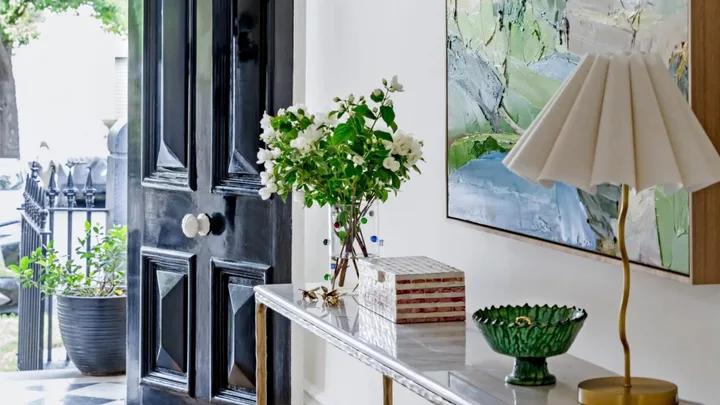
The mid-Victorian period delivers more ornate details, with rendered brick facades and ornamental lacework, and stained glass at entryways. Inside, a central hallway leads to formal rooms at the home’s front, with more casual or “service” areas at its rear. Surry Hills, Goulburn and Ballarat are all hotspots.
Finally, the homes of the late Victorian era, or Victorian Italianate, were driven by gold rush prosperity and are suitably lavish and romantic — and likely what you picture. Everything became more ornate — from the iron fretwork to the ceiling roses and cornicing. In short, they’re architectural masterpieces.
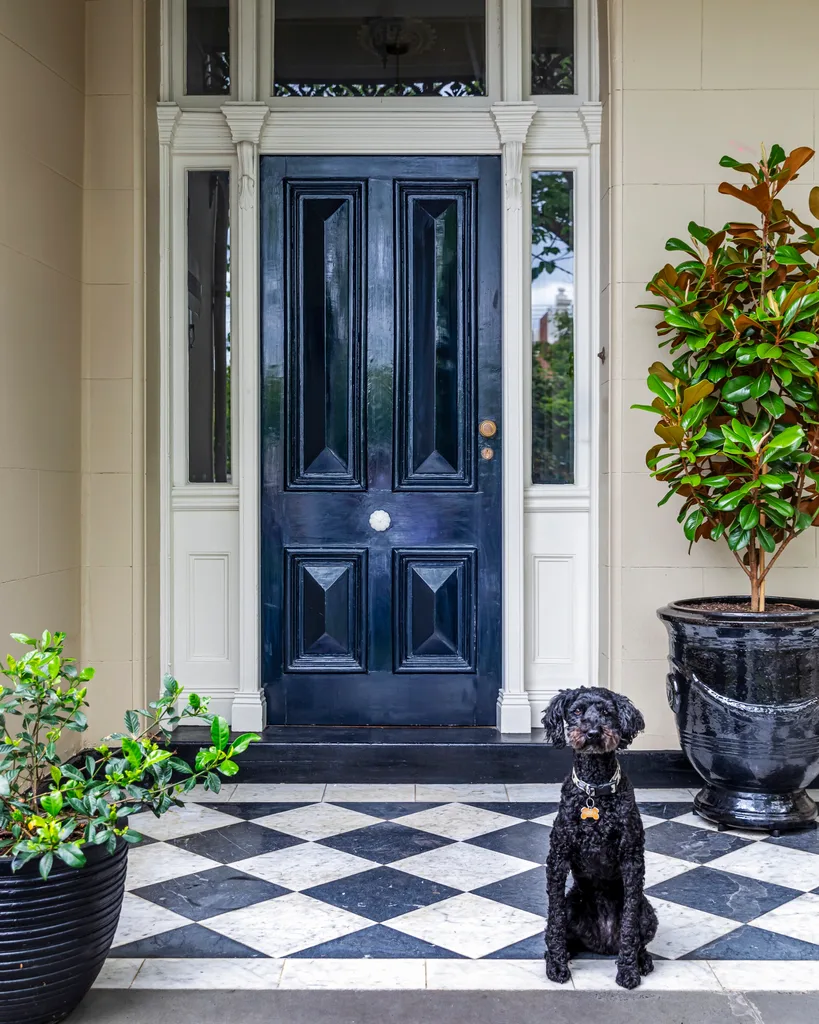
What colours are good for Victorian houses?
The colours associated with Victorian homes in Australia tend to be muted greys and whites, but can be saturated jewel tones such as navy blue, Indian red, sage or emerald green, plum and even gold. For some areas, softer or more earthy tones were used. Traditionally, formal rooms tended to be treated with a heavier hand, where private spaces such as kitchens and bathrooms would have been neutrals. These days, homeowners often preserve the traditional character of Victorian homes at the front while adding a light, bright contemporary extension at the rear.
What are the advantages and disadvantages of living in a Victorian house?
The advantages of living in a Victorian house are, well, obvious. They’re absolutely beautiful. Those who prefer a more contained floorplan will also appreciate the central hallways and the privacy of specialised rooms. These homes are solid, durable and feature high-quality materials that stand the test of time, both visually and functionally. As mentioned, their convenient locations near cities also make them highly valuable.
The disadvantages of living in a Victorian house are more nuanced, and sometimes dependent on personal preference. Those who prefer open living will likely struggle with their closed-off rooms. Single-pane windows and insufficient insulation can also equal general discomfort and higher electricity bills, but this can be remedied with a light renovation. On the topic of renovation, however, owners often find some interesting quirks: uneven walls, slanted floors, toxic lead paint or restrictive heritage rules, to name just a few.
How do I tell if my house is Victorian or Edwardian?
The Edwardian, or Federation, era began directly after the conclusion of the Victorian period. So, it can be tricky to determine whether a house is one or the other, since they share some similarities. The key differences of Edwardian homes are primarily external and include unpainted red brick facades, stained glass, bay windows, return or wraparound verandahs, and slate or terracotta tiles. Fretwork also transitioned from iron to timber during this period. Stunning Edwardian homes grace Sydney’s north shore and in the inner west, as well as in Melbourne’s Carlton and Fitzroy.
7 homes with stunning Victorian architecture

Mosman charmer
Creating the refreshed exterior of this five-bedroom Victorian charmer was a labour of love for its owner, heritage home-lover Fleur. The interiors that lie within are, in Fleur’s words, “beautiful but not precious”, and feature a reimagined floorplan including an extension to the property’s upper level. Despite its looks, the true success of this home lies in its functionality. “The biggest fear when you first start the renovation process is that you will design spaces that don’t get used – but we use everything here!” says Fleur.

Terrace transformation
It was an initial desire for “minor tweaks” that would transform this Victorian-era terrace in Melbourne. Like many renovations (especially on old homes), the list of must-dos steadily grew, and now the home benefits from easy flow and lots of storage, and is full of personality thanks to an eclectic collection of objects. “I love art and whimsical design and wanted the spaces to provide an ‘experience’ with interesting pieces,” says homeowner Chelsea.

When Scandi meets Victorian
Despite its picture-perfect outward appearance, this Victorian cottage was being held back by its dark and awkward interior – which only had one bathroom. After living in it in its original state for 12 years, the homeowners embarked on a major renovation that would see the home’s original footprint extended. Now larger and full of light, its the perfect fit for their family of four – and the dreamy façade still stands.

British sensibility
A beautiful example of late Victorian Italianate architecture, this renovated terrace in Melbourne has come a long way. Held back by dark and dated interiors, its facelift, at the hands of Sarah McPhee Interiors, has brought it right up to the present – with a touch of London design flair. Colour, pattern and personality come to play, while still leaving space to honour the home’s incredible original details, like the ornate ceiling rose in this soft pink living room.

Cottage calm
Self-confessed lover of the Victorian era, Home Beautiful editor Elle Lovelock’s worker’s cottage has been beautifully tailored to suit her family. Full of clever storage hacks, curated ‘moments’, vintage furniture and gorgeous finishes, this home is so much more than its small footprint.

Parkside paradise
This exquisite Victorian cottage retreat in Melbourne, owned by two empty-nesters needed only a “touch of modern refinement”. Enlisting the help of Lucinda Kimpton, the home received a “thoughtful cosmetic makeover”, which included custom-built joinery, a palette refresh inspired by the nearby parks and Botanic Gardens, and best of all, a lady’s retreat.

French flair
This respectfully renovated Melbourne terrace is just what the (Victorian) doctor ordered. Describing their style as “French, stylish, luxurious and a little minimalist”, Kelly and Mark appointed a beautifully intricate hand-painted mural to fill the walls of their dining room. While the front of the home retains its original charm, a light-filled extension caters to the young family’s needs at the property’s rear, including a sunny courtyard.


Related stories
Native ad body.
Native ad body.

Native ad body.