Colourful coastal homes are making a compelling case for leaving the all-white decorating rulebook behind. There’s a certain image that springs to mind when you think of a coastal home. White weatherboards, white walls, pale timber, linen sofas. Perhaps a smattering of blue, just to remind everyone that the ocean is nearby.
It’s a beautiful formula, and one that has dominated seaside interiors for decades. But lately, some of the coastal homes we find ourselves returning to again and again are the ones that throw the rulebook out the window. Painted ceilings, patterned wallpaper, sun-washed yellows, dusty pinks, deep greens, and vintage furniture and artworks collected over decades rather than ordered to match.
The best colourful coastal homes aren’t trying to recreate the beach inside. Instead, they respond to the personality of the people who live there, the history of the building and the landscape beyond the front door. And they make a compelling case for bringing a little more colour to the coast.
NEED TO KNOW
- When did coastal style become synonymous with white?
- The colourful coastal cottage making us rethink everything
- Why colourful coastal homes feel so inviting
When did coastal style become synonymous with white?
The connection makes sense. White reflects light, makes small spaces feel larger and creates the relaxed, breezy atmosphere we’ve come to associate with holidays by the sea. Add natural materials, pale timber and shades of blue, and you have the foundations of the classic coastal look.
But somewhere along the way, those foundations became rules. Coastal homes began to look increasingly alike, regardless of whether they sat beside the turquoise waters of Queensland, the rugged coastline of Tasmania or a windswept beach in Victoria. Yet Australia’s coastline is anything but one colour.
There are rust-red cliffs, silvery-green gums, golden grasses, dark rocks, wildflowers and beaches that turn pink in the evening light. Look beyond the traditional blue-and-white palette and there is an entire spectrum waiting outside.
The colourful coastal cottage making us rethink everything
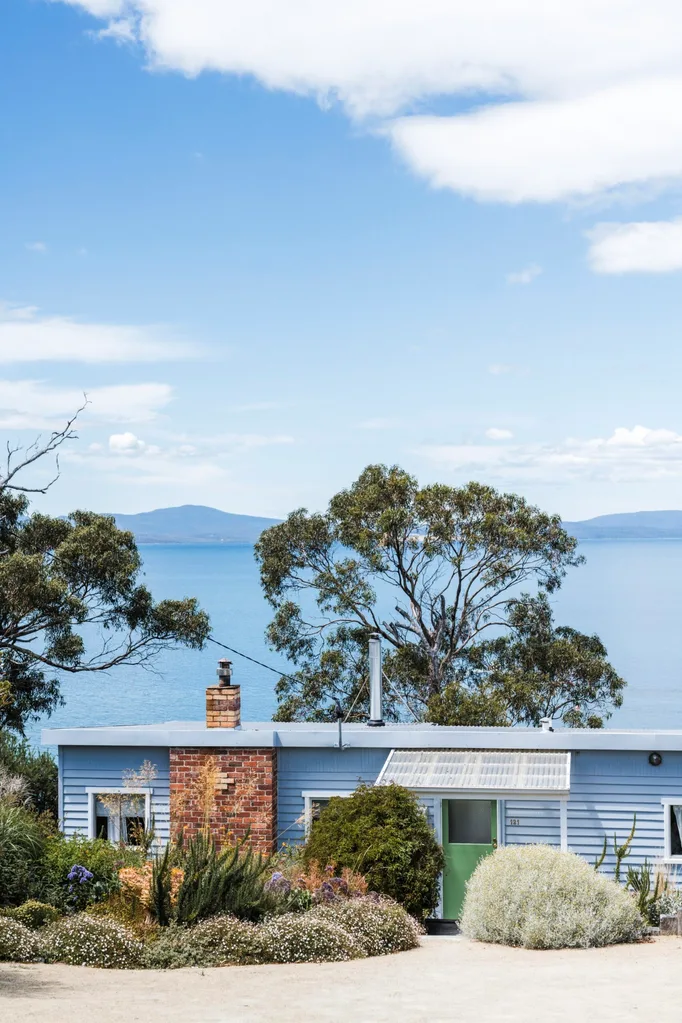
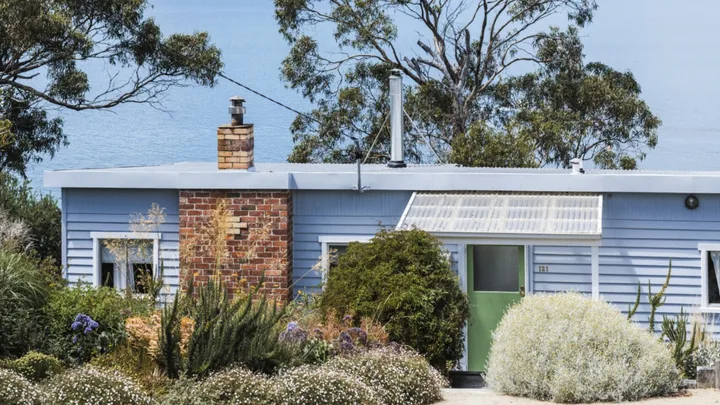
Perched on the coast in Tasmania’s picturesque Bay of Fires, a 1930s cottage named Little Beach Co. offers a masterclass in breaking the traditional coastal decorating rules.
When interior designer and stylist Alison Lewis first encountered the former fisherman’s shack, the property was tired and run-down. But rather than transforming it into another crisp, white seaside retreat, Alison filled the cottage with colour, pattern and personality. The decision wasn’t simply aesthetic.
Surrounded by the intense blue light reflected from the ocean, Alison found that a neutral interior palette could actually make the cottage feel colder.
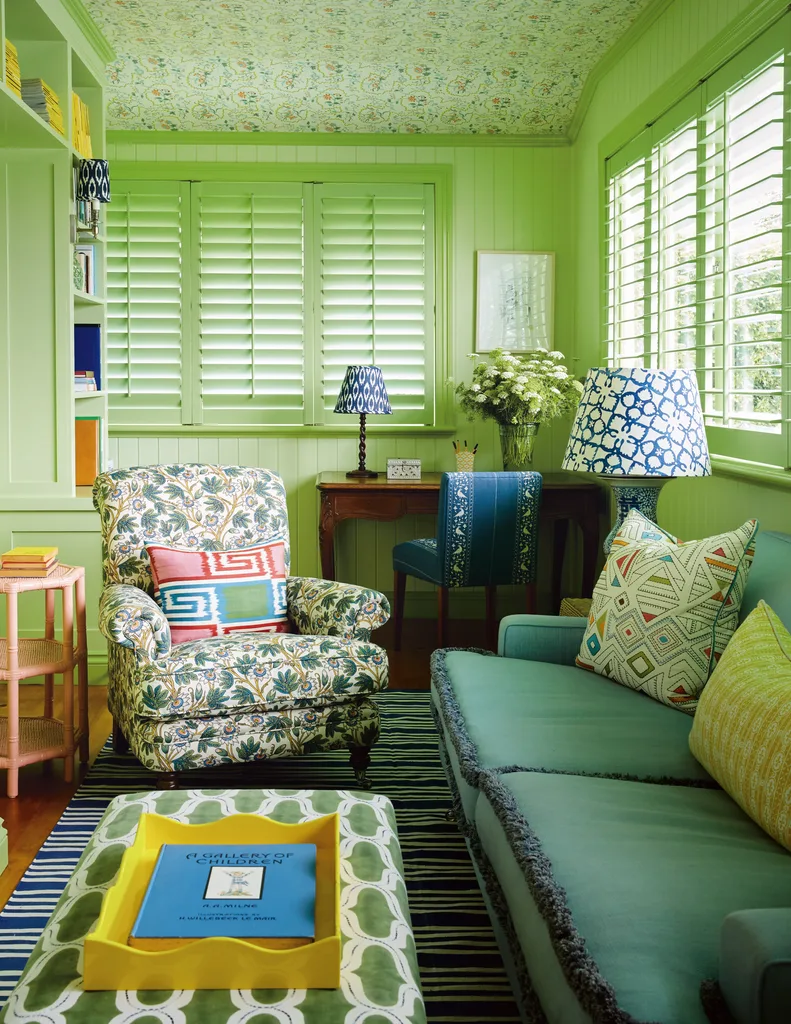
“I painted the wall green to absorb some of the blue light and make it feel warm and cosy,” she explains.
It’s a clever reminder that decorating a coastal home isn’t simply about copying the colours outside the window. Sometimes, creating harmony with the landscape means introducing contrast. The result is a cottage layered with green, blue, pink and yellow, alongside patterned wallpaper, vintage furniture and collected objects.
“I think there is a sense of joy when you’re immersed in something colourful, warm, cosy and comfortable,” says Alison.
Rather than competing with the home’s spectacular seaside setting, the interiors have developed an identity entirely their own. And, one can’t think of a coastal cottage and not be reminded of Matty J and Laura Byrne’s newly renovated NSW South Coast cottage ‘Chante Mer’.
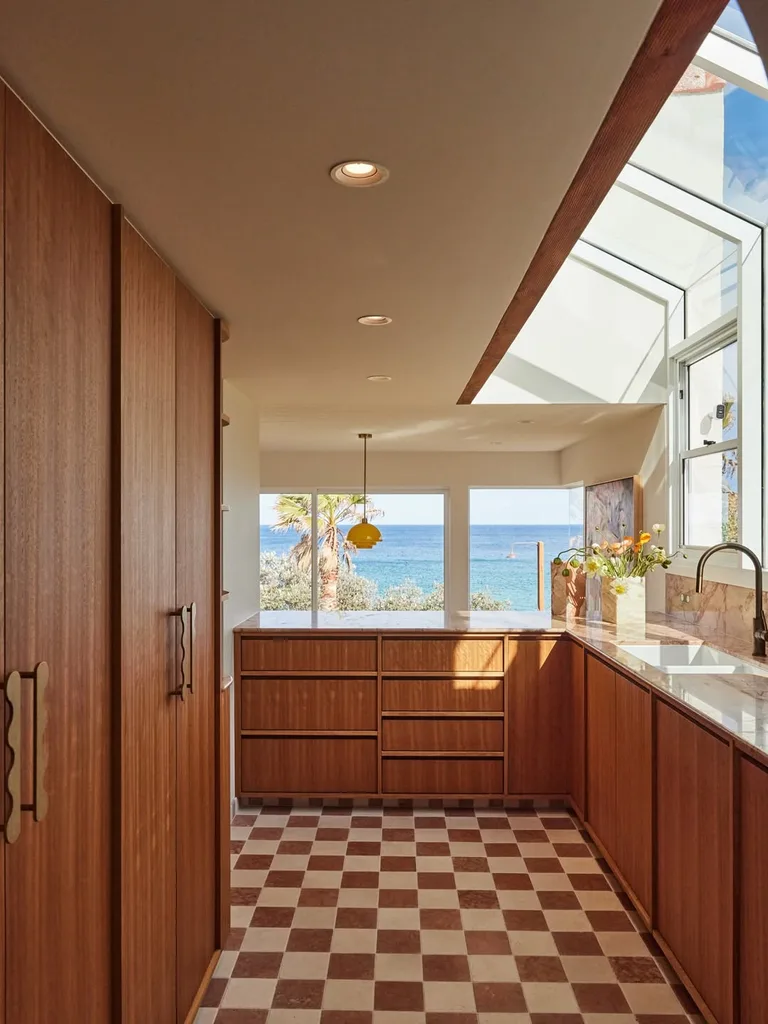
The house is filled with bursts of colour and personality that tell a story.
WE LOVE…
Using colour to solve a genuine design problem. Green living room walls aren’t simply a decorative flourish; they can counteract the cool blue light reflected from the ocean and make the cottage feel warmer and more inviting. The same can be said with using terracotta coloured check-tiles in a kitchen that overlooks the vast blue sea.
Proof that sometimes the best colour choices begin with how you want a room to feel.
Why colourful coastal homes feel so inviting
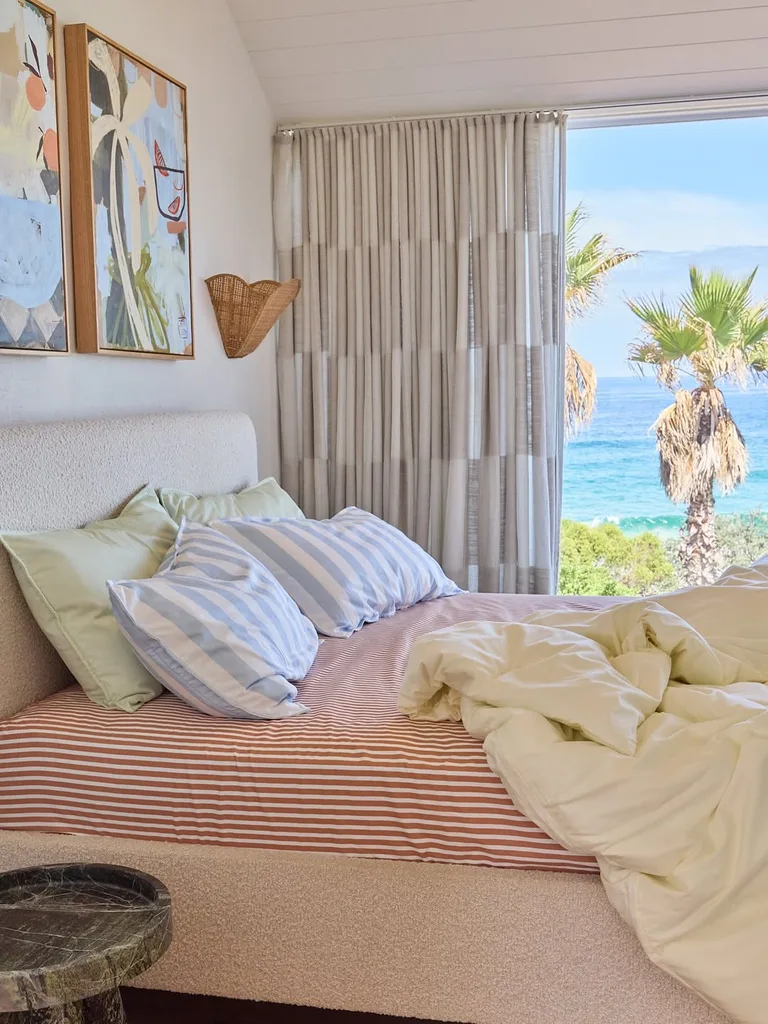
Perhaps the greatest argument for colour is the feeling it creates. While an all-white interior can be calming and sophisticated, colour has the ability to make a room feel deeply personal. A painted wall can change the mood of a space. Pattern can add movement. An old armchair upholstered in an unexpected fabric can become the piece everyone remembers.
The most successful colourful coastal homes rarely rely on a single decorating trend. They evolve over time. Furniture is collected rather than coordinated. Artwork has a story. Colours appear again in unexpected places. Old pieces sit comfortably beside new ones.
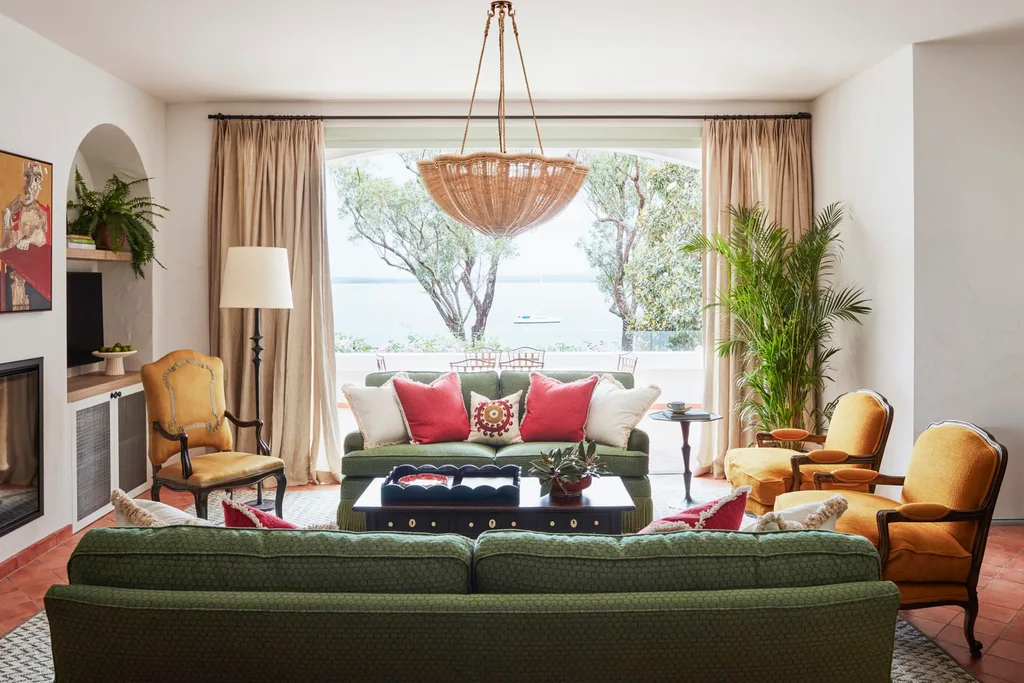
Colour can connect a home to its surroundings
Decorating with colour doesn’t necessarily mean reaching for the brightest tin of paint you can find. Some of the most beautiful coastal palettes are borrowed directly from the landscape. Muted greens can echo surrounding bushland. Ochre and terracotta reference cliffs and earth. Soft yellow captures sunlight, while dusty pinks and faded reds can feel surprisingly at home beside the sea.
For Alison, she wanted to respond to the landscape and atmosphere of Tasmania’s east coast.
“I wanted the interiors to reflect the beauty and sensitivity of the local area,” she explains. This is where colourful coastal homes can become far more interesting than a prescriptive decorating formula. A palette inspired by place creates a home that couldn’t simply be picked up and transplanted to another part of the country. It belongs exactly where it is.
Start with the bones of the cottage
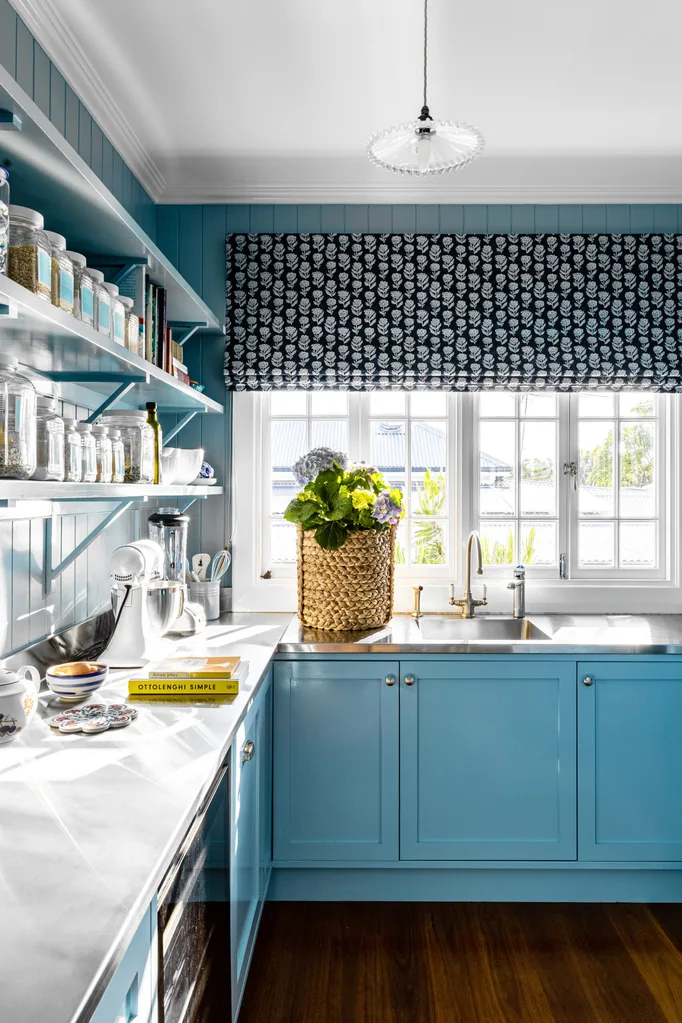
One of the easiest ways to introduce colour is to look at the architecture that already exists. Original doors, window frames, VJ panelling, fireplaces and cabinetry can all become opportunities for colour. Painting a single architectural feature can have more impact than filling an entire room with colourful furniture and accessories.
Rich wall colours can sit alongside patterned wallpaper and vintage furniture, creating rooms that feel connected but never overly coordinated.
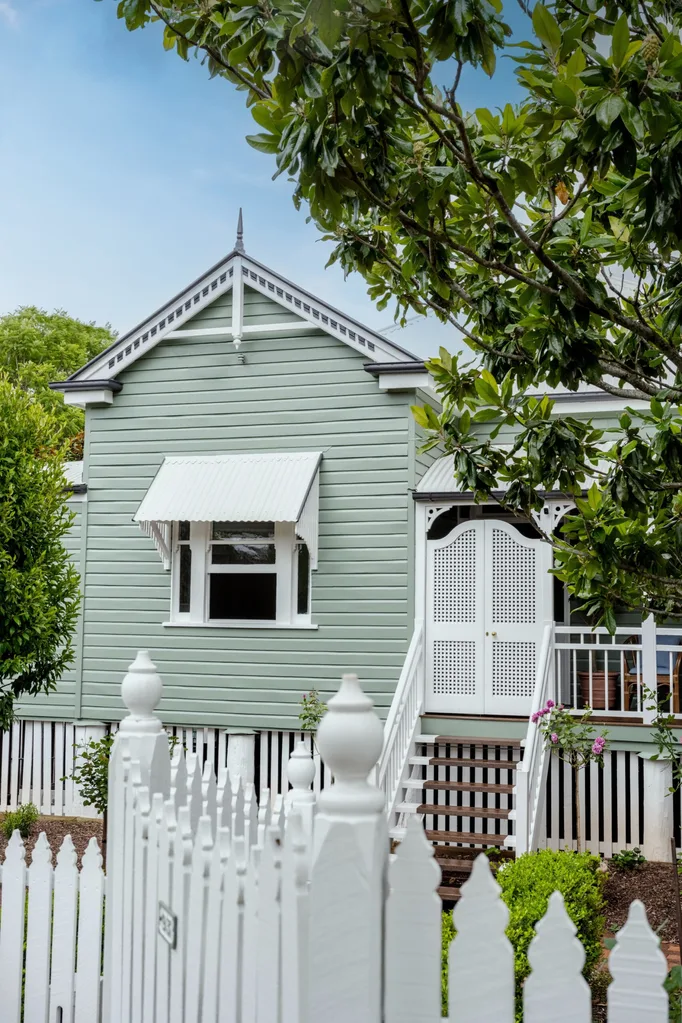
A coloured ceiling can make a room feel enveloping. A contrasting door can turn an ordinary hallway into a moment. Kitchen cabinetry in green, blue or yellow can introduce personality without sacrificing practicality.
The trick isn’t necessarily to add more. It’s to choose where the colour matters.
A coastal home doesn’t have to whisper
There is a tendency to describe coastal interiors as quiet, serene and understated. But what if you don’t want your home to whisper? Some of the most memorable colourful coastal homes embrace pattern, art and unexpected combinations with confidence.
At Little Beach Co., the rooms are unapologetically layered. Pattern sits beside pattern. Vintage finds mingle with contemporary pieces. Strong colours appear throughout the home. Yet rather than feeling chaotic, the cottage feels joyful. That sense of joy is central to Alison’s approach.
“I think there is a sense of joy when you’re immersed in something colourful, warm, cosy and comfortable,” she says.
COLOUR RULES WORTH BREAKING
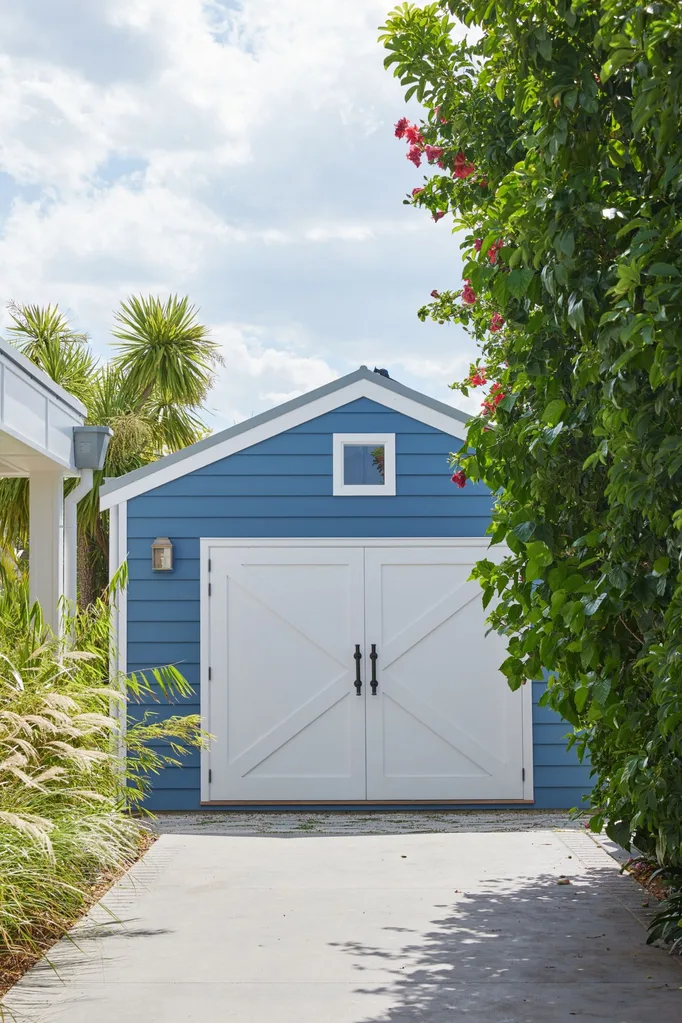
- You don’t have to paint a small room white.
- Blue isn’t the only “coastal” colour.
- Timber doesn’t have to be pale.
- Every room doesn’t need the same colour palette.
- Pattern and coastal style can happily coexist.
- And no, your sofa does not have to be beige.
Let furniture and objects do the talking
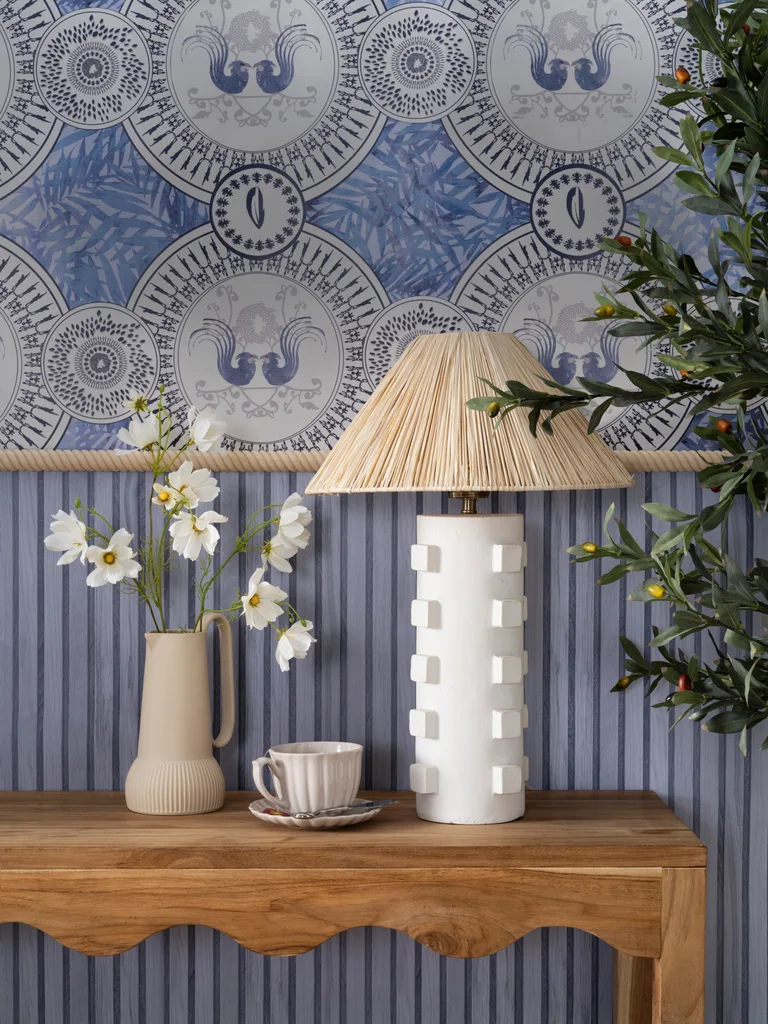
For anyone nervous about committing to painted walls, colour can arrive more gradually. Vintage furniture, ceramics, artwork, textiles and books can all bring personality into a neutral room. In fact, this layered approach often creates the most interesting interiors because nothing feels overly planned.
A coastal cottage should be able to withstand sandy feet, wet towels, open windows and people wandering in and out of the kitchen. Precious perfection can feel strangely out of place. A little colour, and a little imperfection, makes a home easier to live in.
Choose colours you actually love
Trends inevitably change. For years, coastal interiors were dominated by crisp whites and navy blue. Then came pale timber and warm neutrals. More recently, greens, burgundies, yellows and earthy tones have made their way into Australian homes. But the most enduring colourful coastal homes aren’t necessarily the ones following the latest palette.
They’re the ones where the colours mean something to the people who live there. That might mean painting a living room green because the light outside makes the space feel cold. It might mean layering patterns because they make you happy. Or filling a cottage with objects collected slowly over time.
THE COASTAL COLOUR PALETTE WE’RE LOVING
- Seaweed green: Moody, natural and surprisingly versatile.
- Sun-faded yellow: The colour equivalent of a warm summer afternoon.
- Dusty pink: Soft enough to act as a neutral, but far more interesting.
- Rust and terracotta: Perfect for coastal homes surrounded by bushland and rugged landscapes.
- Deep blue: Forget predictable navy and look to inky, stormy shades instead.
- Tomato red: A small hit can instantly wake up a quiet room.
Style is personal
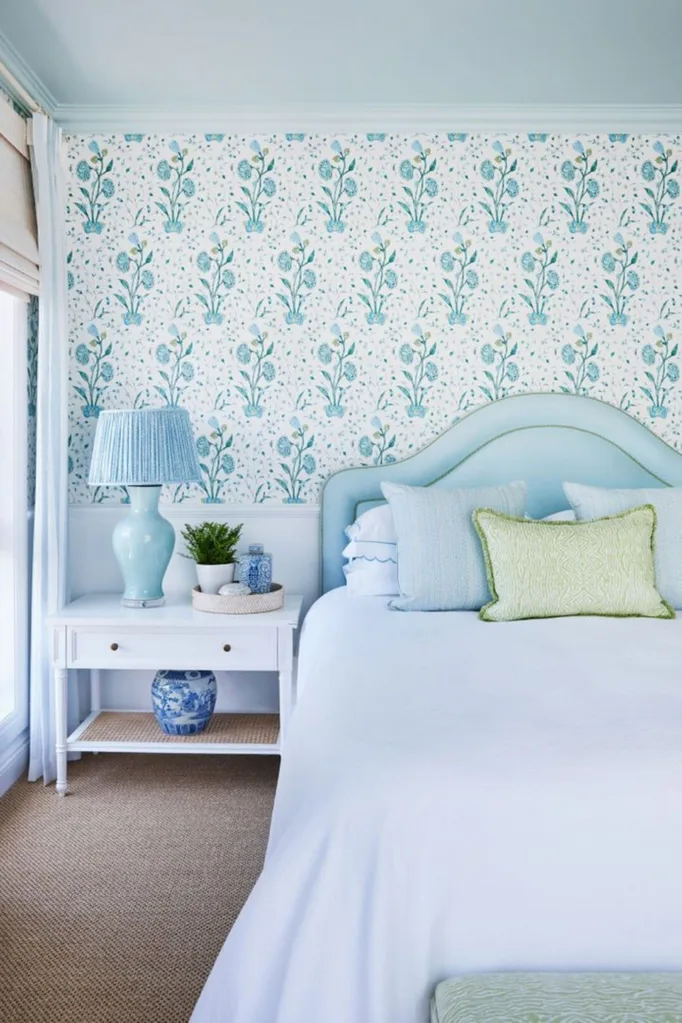
Perhaps that’s the real shift happening in coastal interiors. We’re becoming less interested in homes that perfectly represent a decorating style and more interested in homes that tell us something about the people inside them. Colour creates opportunities for those stories.
The green wall chosen because the ocean light made the room feel cold. The old chair rescued from a grandparent’s house. The collection of paintings gathered over years. The front door painted pink simply because it made someone smile
The best colourful coastal homes don’t reject everything we love about classic seaside style. They still embrace natural light, relaxed materials, indoor-outdoor living and a strong connection to place. They simply leave room for something else, too.
Personality.

Related stories

Native ad body.
Native ad body.



Native ad body.