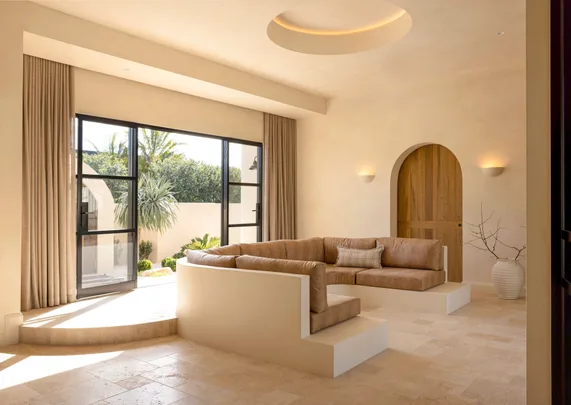
 Styling and Photography: Louise Roche
Once reserved for grand European architecture and hotel lobbies, travertine is having a quiet but confident resurgence; this time, firmly in the everyday Australian home.
There is something about travertine stone tiles that feels instantly calming. Maybe by the way it reflects light, or how it can transport you to the shores of the Mediterranean. It doesn’t necessarily demand attention, but holds it.
With its warm texture and effortless elegance, travertine sits in that sweet spot between luxury and livability, the exact reason why designers and homeowners alike are embracing the stone across kitchens, bathrooms and even exteriors.
A softer take on stone
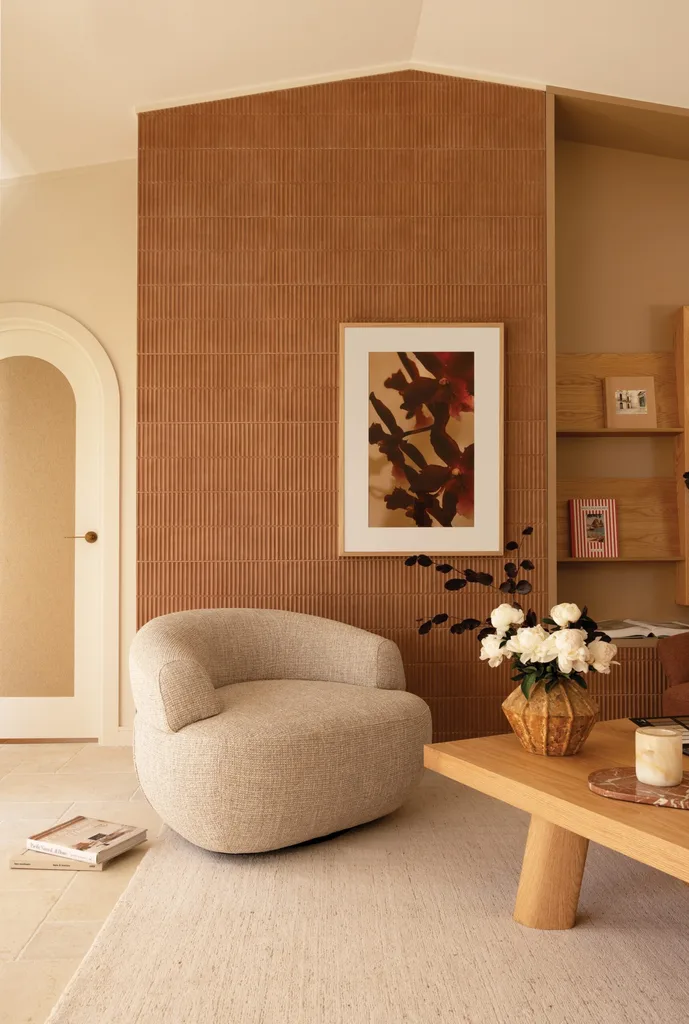
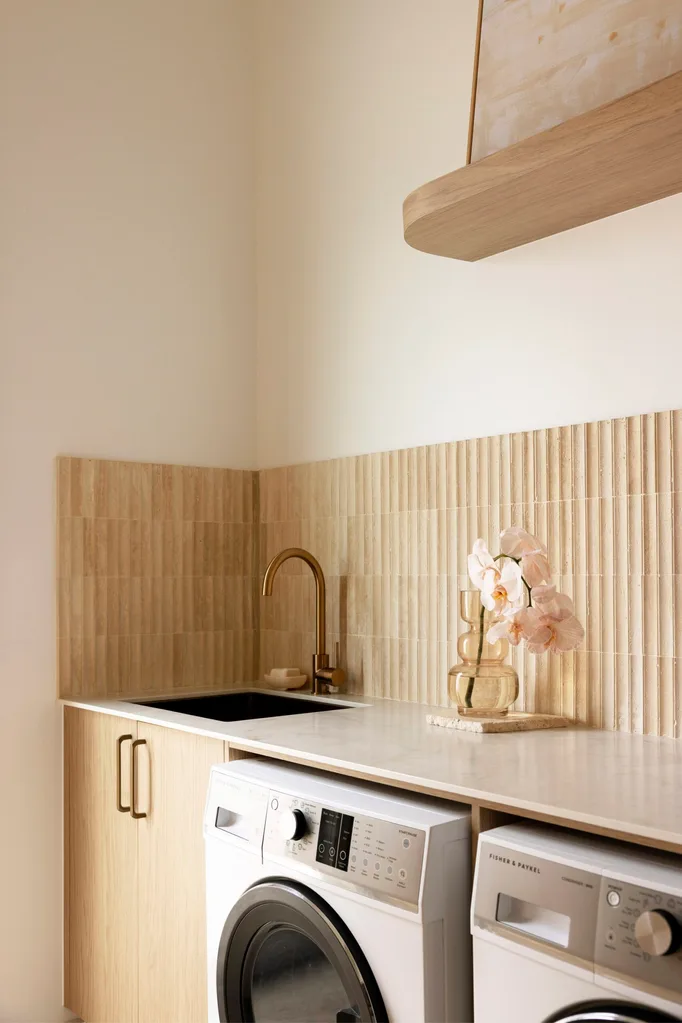
Unlike marble, which is cool and high in contrast, travertine can offer a more relaxed alternative.
It has natural pits and tones, combined with a matte finish, bringing a sought-after softness to a space, making it particularly suited to modern Australian homes. Ones that favour light, calm and a connection to nature.
Kitchens with character
Travertine is popping up more and more in kitchens, and we’re not just talking about splashbacks. It’s finding its place in full benchtops and island features, where its soft texture can be centre stage.
The neutral tone of travertine pairs perfectly with timber cabinets, and popular finishes like brushed brass, chrome and nickel, creating a layered look that feels both modern and timeless.
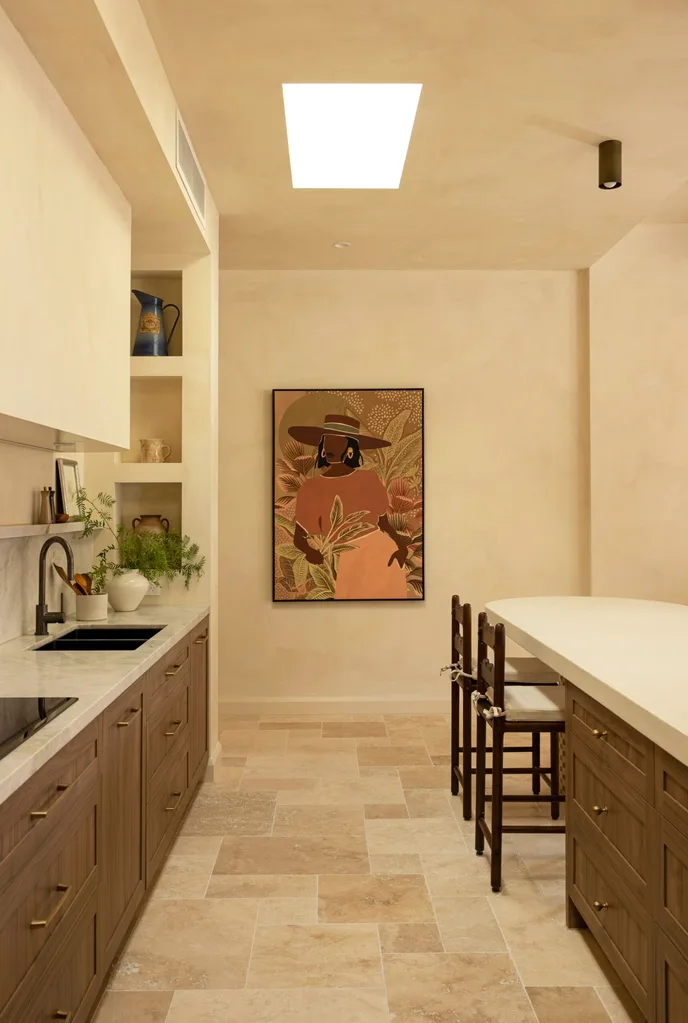
For a more practical approach, some homeowners are opting for honed or filled travertine, which offers a smoother finish while retaining the stone’s character.
Bathroom serenity
Travertine is used in bathrooms if you’re looking for a spa-like feel and quality that’s both grounding and calming. From floor-to-ceiling tiling, vanities or niches, the stone creates a seamless, considered environment. One of travertine’s biggest strengths is its ability to add warmth without overwhelming a space.
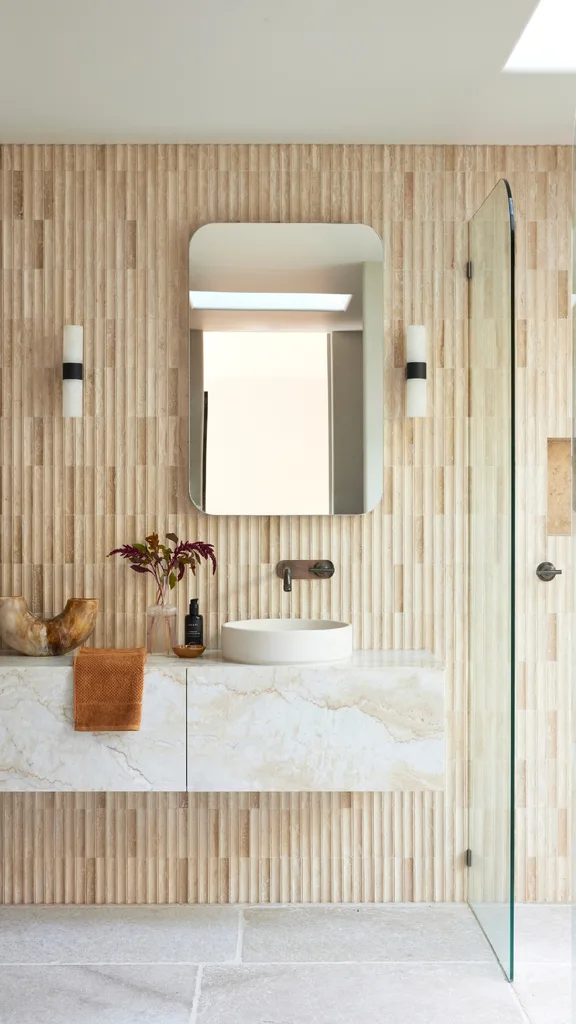
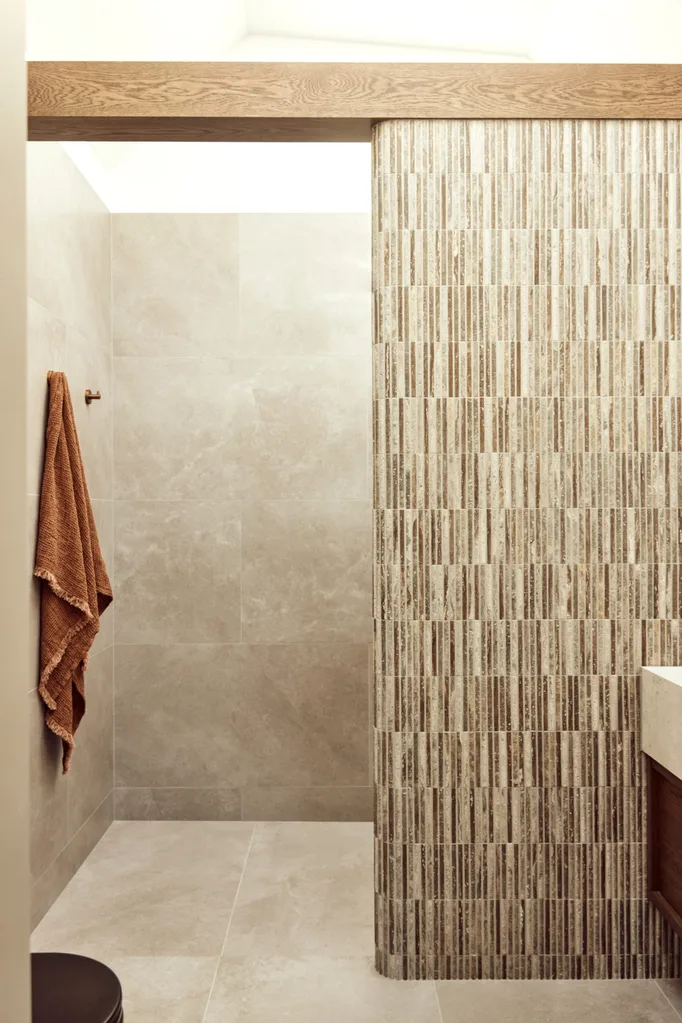
Paired with soft lighting and natural textures, minimal styling enhances the quiet luxury of travertine. Less truly is more with this in-demand stone.
Beyond surfaces
One of the biggest shifts in the travertine trend is its move beyond fixed surfaces into furniture and decor.
Consider coffee tables, side consoles, and occasional tables… pieces that introduce depth and refinement without the commitment of a full renovation.
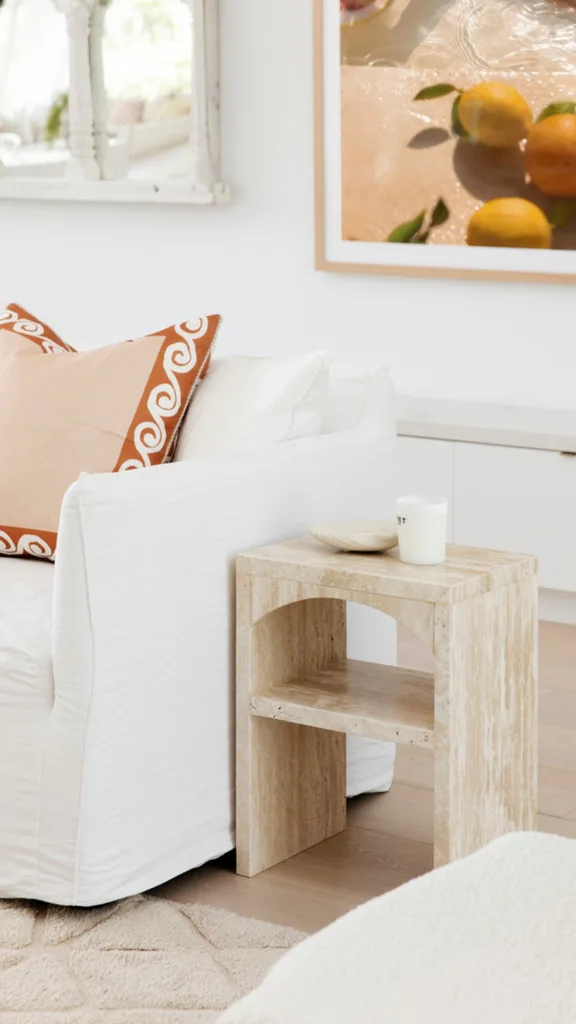
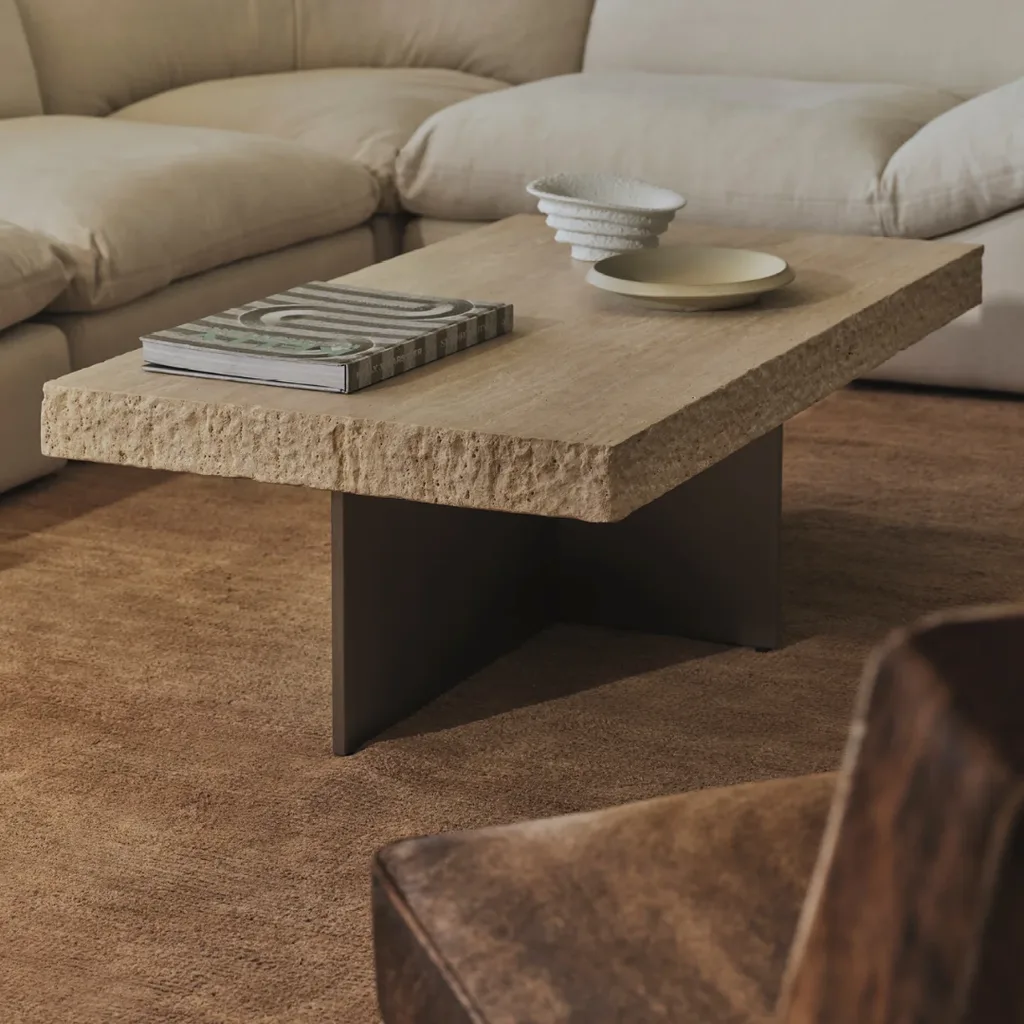
Even smaller styling pieces like trays and vases allow for subtle style layering. But it’s all about balance. And Interior stylist and Founder of Chelon Fiona Gould agrees. “As stone is a cold, hard material, balancing this in the space with softness and fluidity is key. Travertine tables will benefit from styling with a rug if working with a tiled or concrete floor, to soften the look.”
Indoor-outdoor
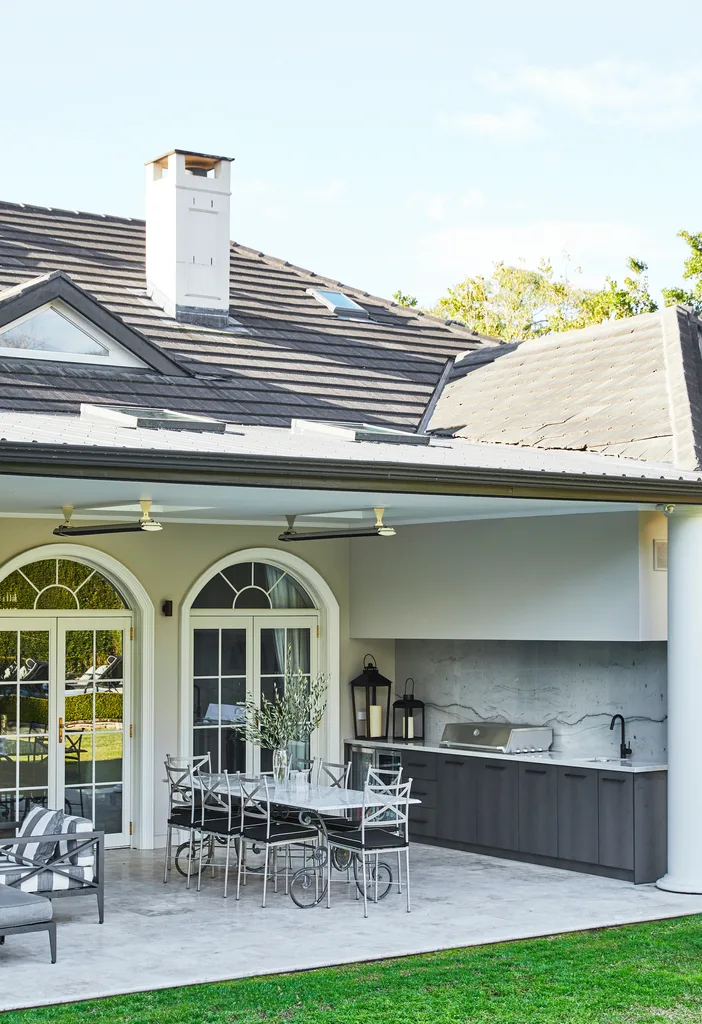
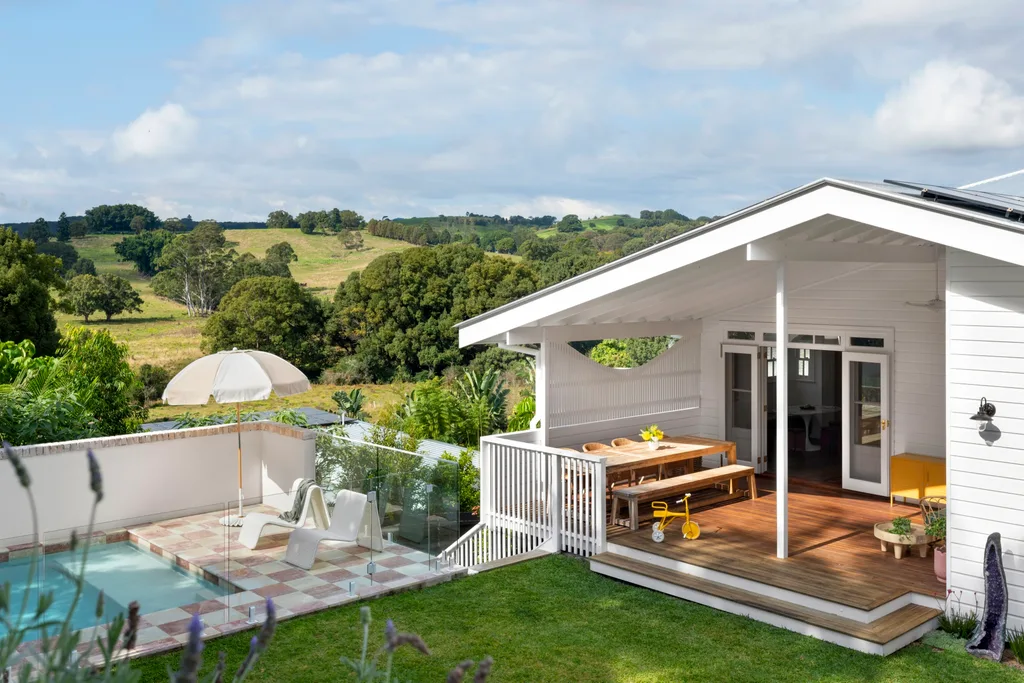
The natural durability and earthy tones of travertine make it the perfect choice for cohesion between indoor and outdoor spaces. The same or similar finishes for an alfresco area or patio can help blur the line between inside and out, which is the key to an Australian lifestyle.
Timeless investment
While trends come and go, travertine has proven its staying power exponentially. Its neutral palette and organic texture mean it can adapt easily to different styles and designs. From coastal to Mediterranean-style homes, there isn’t a lot it can’t effortlessly melt into.
And now, thanks to new product innovations, travertine is more accessible and practical than ever. There are porcelain tiles that mimic the look of travertine, offering a more durable and budget-friendly alternative without compromising on design.
Ultimately, travertine isn’t just about how the place looks, but how it feels. It’s warm, calm and offers subtle luxury that invites you to slow down and settle in.

Related stories
Native ad body.
Native ad body.

Native ad body.