 Metricon
There’s a reason that so many real estate agents say that making your home present well – or have street appeal – is essential if you want it to hold its value over the years to come. Because, whether it’s potential buyers, friends, or family pulling up outside your new home, you want them to have and get an idea of your style.
“People often fall in love with a facade first, and that’s completely natural because it’s the emotional part of the home,” says Adrian Popple, Design Director at Metricon. “It’s what you see from the street and what you imagine driving up to every day.”
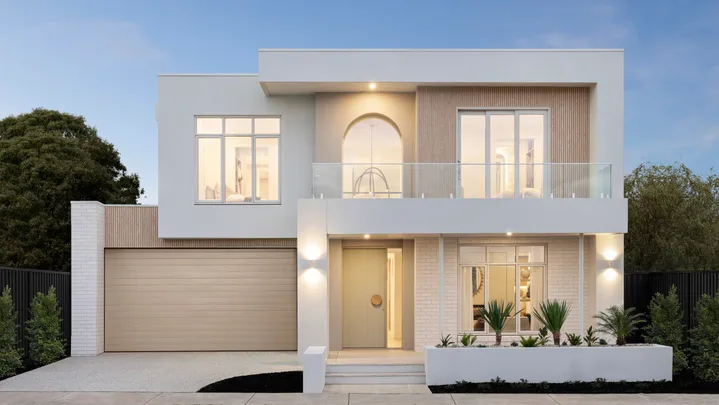
Facade or floorplan first?
It’s tempting to start with your wishlist on the interiors and worry about the outside, later, but Adrian says it’s all about cohesion – and the whole house – when choosing a facade. A well-considered exterior should hint at the style of the house within.
“The best result comes when the façade and floorplan are considered together,” he adds. “A beautiful facade has to work with the way the home lives, where the light comes in, how the rooms connect, and how the home sits on the block. When those elements are resolved together, you get a home that looks good and feels right.”
What should you know when choosing a facade?
“The first question I would ask is: what is this facade going to do for the home?” says Adrian.
“A facade is not just decoration. It affects natural light, privacy, proportions, rooflines, material choices and, importantly, the feeling you get when you arrive home. People should ask how the facade works with their floorplan, their block orientation, the streetscape and their budget.”
And, he says, it’s not just as simple as choosing an exterior that you love. Other factors can play into your decision.
“It’s important to understand any design requirements that apply to your block,” says Adrian. “If you’re building in a new estate, developer guidelines can influence facade choices, colours, materials and streetscape requirements. If you’re undertaking a knockdown/rebuild, council guidelines and approvals will also need to be considered, particularly around facade design, the number and type of materials used, setbacks and neighbourhood character. The earlier you understand those parameters, the easier it is to make design choices that are both beautiful and achievable.”
“People should also ask what can be personalised, because colour, texture and material selections can completely change the character of a home.”
Mixed material facades
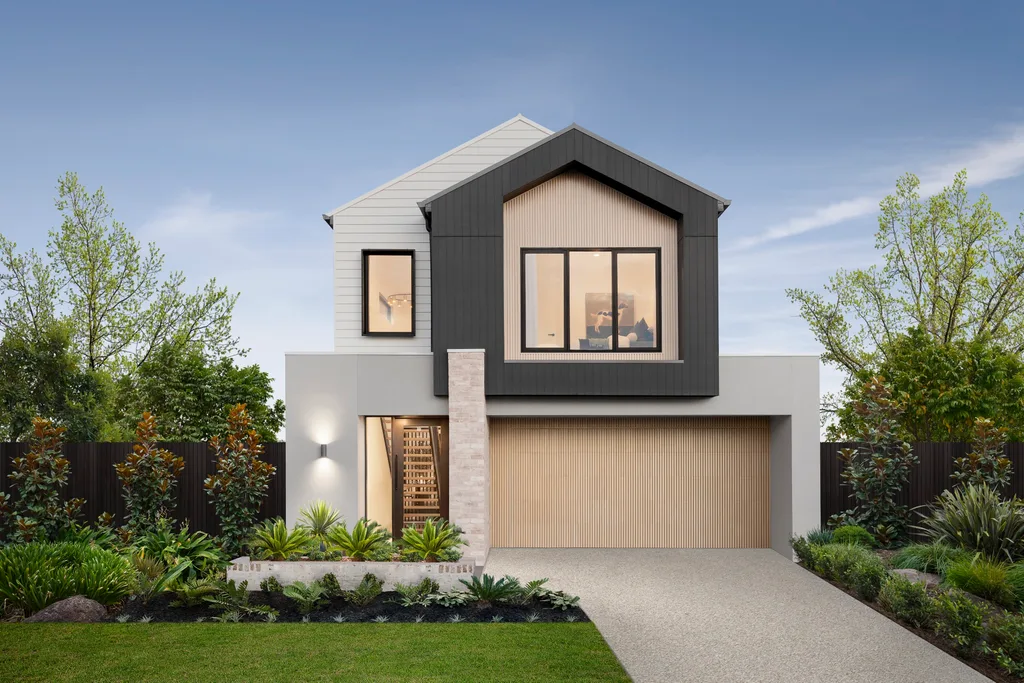
A mixed material facade usually combines brick and cladding (often weatherboards or timber), sometimes with another feature material such as cultured stone. This can be a great choice on a new house, especially when used on elements such as porticos or second storeys.
“Mixed materials are a really effective way to add depth and personality to a façade.”
Adrian Popple, Design Director at Metricon
“When you combine brick, render, cladding, stone, timber-look finishes or lightweight materials in the right way, you create contrast and shadow, and that gives the home a much more considered architectural quality. The key is restraint. It should feel layered and balanced, not busy.”
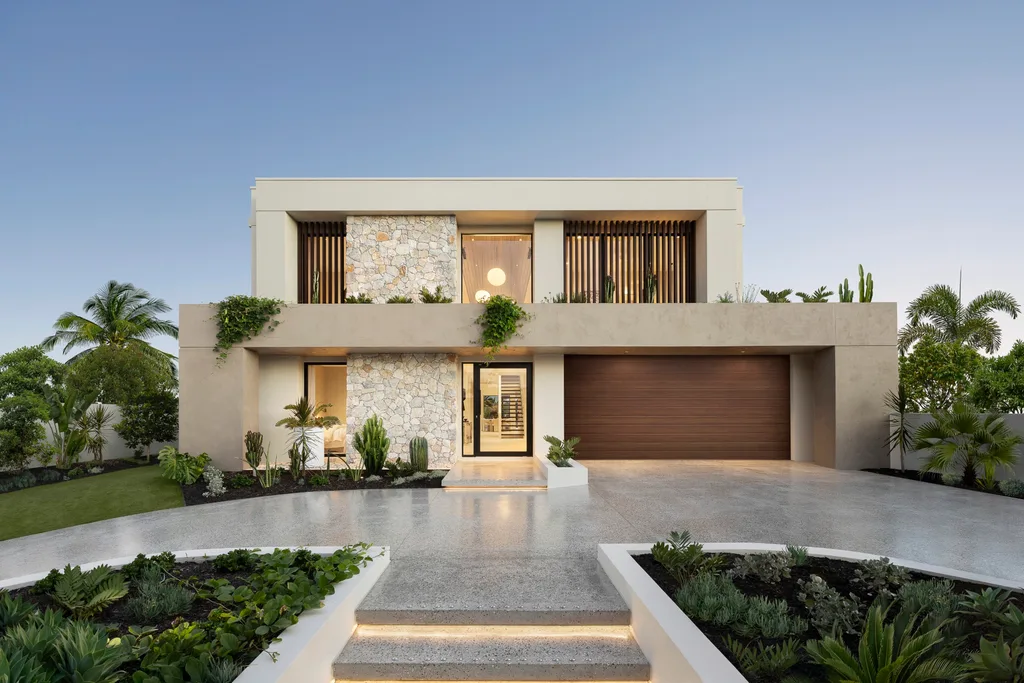
The choice of materials needs to be done by an expert – it is easy to end up with a messy mashup. Generally, most designers advise on restricting the number of materials to three – or if you want more, make sure they are all in the same colourway, to keep the palette simple and make texture the hero.
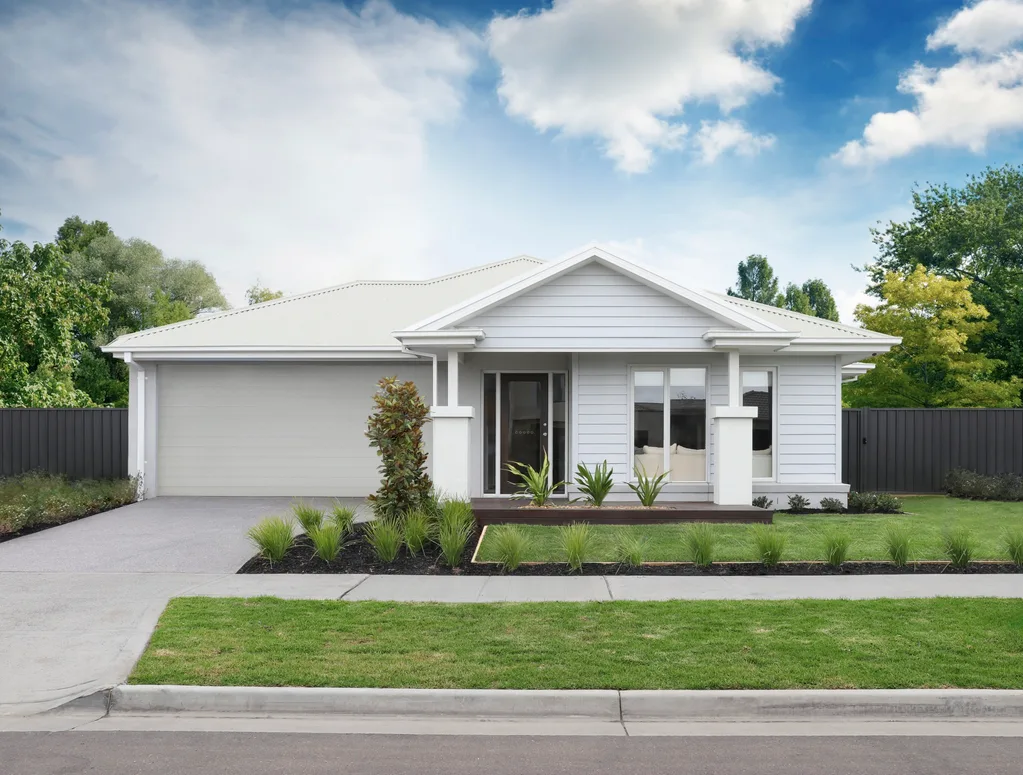
And, for homeowners looking for a contemporary style of home, Adrian says that sometimes less is more. “A single-material façade can look very contemporary, particularly when the form of the home is strong and the proportions are right,” he says. “We are seeing more interest in cleaner, quieter facades where the design does the work rather than relying on too many finishes. That can feel very modern and sophisticated, but it needs discipline. Simplicity is only successful when the detailing is really well resolved.”
Low-maintenance materials
Talk to your builder about the maintenance of your exterior cladding. In a country such as Australia, which can see extreme temperatures, it’s important to look at longevity. If your home is near the ocean or is at risk of bushfire, this can also play into the choice of materials.
“Low maintenance is incredibly important, because people want homes that look beautiful without demanding too much of their time.”
Adrian Popple
“A facade has to perform in the real world. It needs to handle the Australian climate, keep its street appeal over time and suit the way busy families live. The best facades balance beauty with practicality, so you get that emotional impact when you arrive home, but you’re not constantly working to maintain it.” Brick is usually the easiest to look after, but modern composites can also be fade-free and easy to clean, so you only need to repaint if you want to change the exterior palette.
What is trending now?
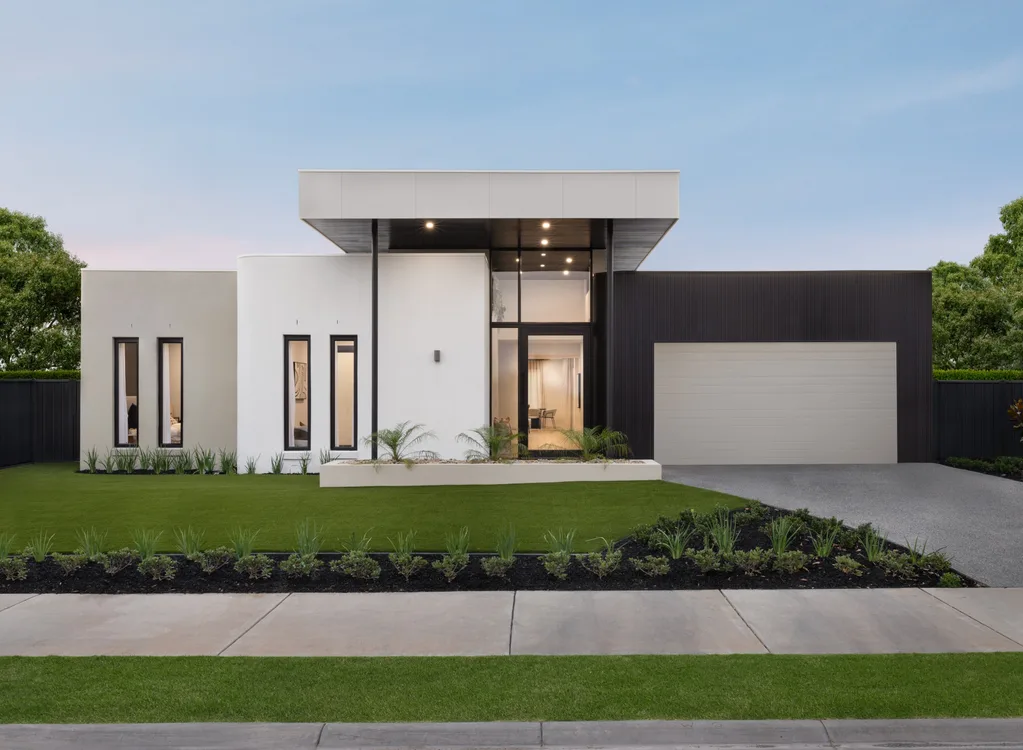
Adrian says he is seeing a lot more architectural details being added to exteriors. Detailing is often a great way to add character to a new build.
“We’re seeing strong demand for façades with real presence, gables, arches, deeper porticos, strong roof forms and confident contemporary lines,” he says.
He says that buyers are more design literate than ever – and know what they want. “They understand references like modern coastal, Scandi barn, Palm Springs and contemporary resort-style architecture, and they want a home that says something about their personal style,” he says.
As for the future, he feels that facades will become a little softer in style. “It’s still clean and architectural, but it has more warmth, more texture and a stronger connection to natural light and landscape,” he explains. “People want homes that feel calm, grounded and timeless, not overly showy. The emerging look is confident, but not loud, it has presence, but it also feels very liveable.”

Related stories
Native ad body.
Your home exterior has more potential than you think
Native ad body.
Native ad body.